An anti-pollution message on a Peugeot is a warning to investigate, not a diagnosis of one particular failed part. The useful next step is to keep the exact wording, identify the engine and retrieve the underlying information. That is more helpful than buying the part mentioned in someone else’s repair story.
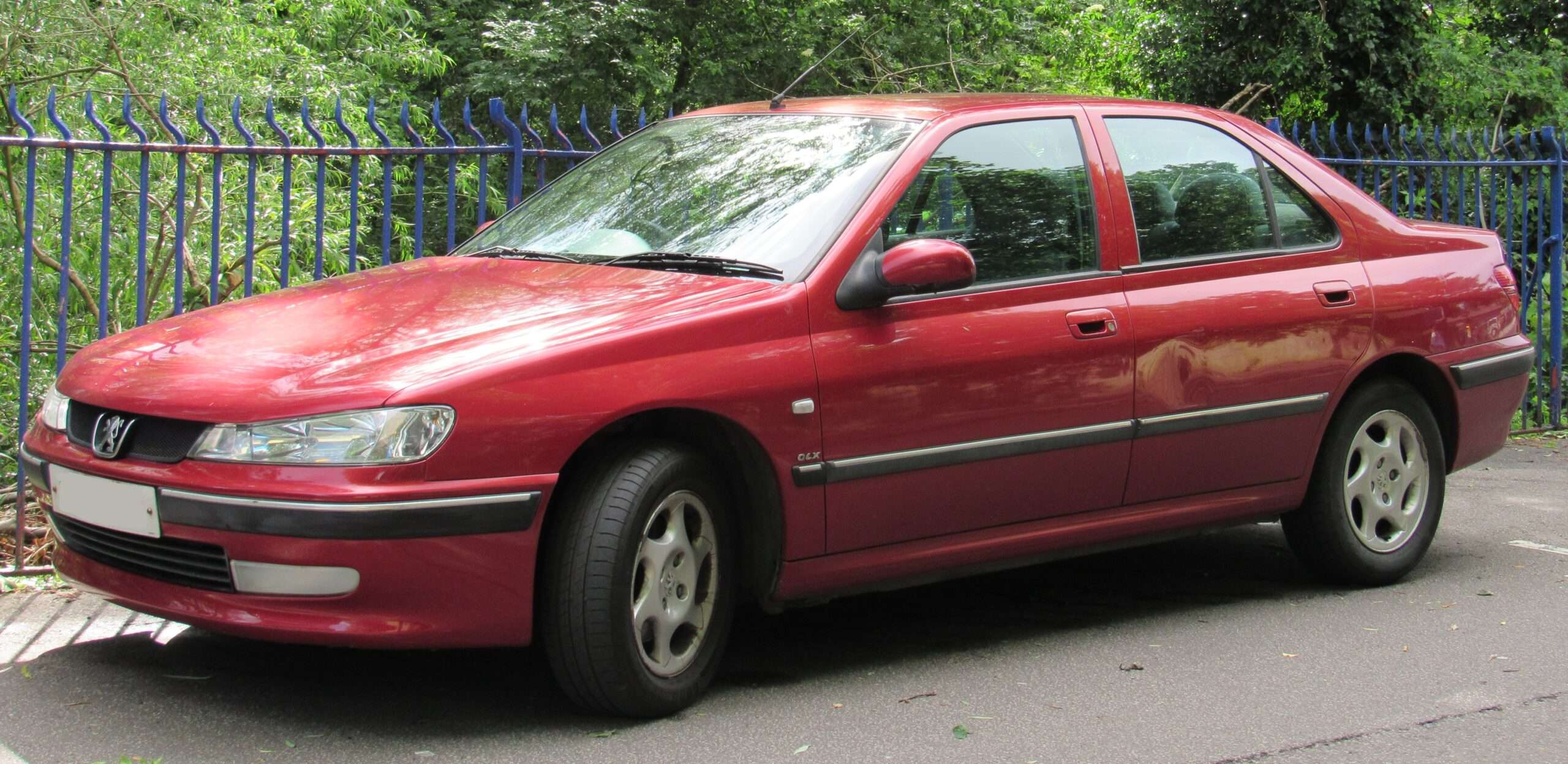
Scope: UK factory non-hybrid petrol and diesel Peugeots; AdBlue advice applies only to vehicles with the relevant diesel SCR system. Exact build and fitted equipment matter. The photograph illustrates a Peugeot model, not a diagnosed fault.
Check the warning and how the car is behaving
Photograph the message and lamps, including whether the engine lamp is steady or flashing. Note rough running, unusual noise, smoke, reduced power or starting trouble. Consult the handbook for the actual car before deciding whether to continue driving. A diagnostic reader cannot certify that the vehicle is safe.
Treat a flashing engine lamp or serious symptoms as a reason for prompt qualified advice, not an invitation to drive until a code returns. The cited Peugeot 308 handbook associates a flashing engine-management warning with catalytic-converter damage risk. That is an example of why lamp behaviour matters; use your own model’s instructions.
The same message can lead to different enquiries
First identify petrol or diesel, the exact engine and the build. A dashboard phrase is much broader than a fault code from a named computer. Do not transplant a diesel repair onto a petrol car, or assume that two Peugeots with similar symptoms have the same cause.
Separate three pieces of information: what the driver saw, what the reporting controller recorded and what testing established. Only the last of those can support a repair decision. A code description naming a circuit is not a verdict that its named component has failed.
What to save before anything is cleared
Keep the complete codes exactly as shown, their descriptions, the controller that reported them and any current, pending or stored status the tool provides. Save available freeze-frame data and the original scan report. Note whether the warning occurs cold, when accelerating, after a long journey or soon after work.
Ask a garage for the report rather than only a verbal summary such as “emissions fault”. Record any recent battery work, servicing, fuel or fluid top-ups and earlier clearing attempts. Clearing diagnostic information can remove useful context without repairing the cause.
Love cool cars? Join Unusual Cars Club FREE!
Get forgotten motoring finds, stories, helpful car content and more.
Free to join. No spam. Unsubscribe whenever you like. See our privacy policy.
Which scanner access do you need?
A compatible generic reader may retrieve useful supported engine-emissions information. It is a first layer rather than an assurance that every Peugeot-specific emissions controller has been investigated. A no-code engine result should lead to questions about the scan scope, not an automatic all-clear.
For Peugeot-aware access, confirm the exact engine, generation and required controller with the supplier. iCarsoft FR V3.0 is one candidate to check, with vehicle-dependent functions. Buy for retrieving relevant information, not for a promise that a reset button cures anti-pollution messages.
Diesel: separate DPF, additive and SCR questions
Establish which equipment the vehicle actually has. A diesel particulate filter, a fuel-borne filter additive system where fitted and SCR/AdBlue are not interchangeable diagnostic jobs. Older HDi cars should not automatically be treated as later BlueHDi vehicles.
Ask which faults and relevant measurements can be retrieved from each fitted system. Do not infer AdBlue access from a DPF label. A forced regeneration, additive-counter change or other service operation needs its own justification and correct procedure; it is not a general response to a dashboard phrase.
What a useful workshop appointment should produce
Explain the symptoms and supply the original report. Ask what further tests distinguish the suspected causes, which result supports any proposed repair and whether the vehicle will be rescanned afterwards. A code-only service and a diagnostic investigation are different purchases.
If the message disappeared by itself, keep the history rather than assuming the fault is permanently resolved. If it returns, the timing and previous report are useful. Avoid repeated clearing to see how long it stays away: that can make an intermittent problem harder to understand.
Related Peugeot help
Use the model guide for the final compatibility check
← Peugeot Help Section · Browse all Peugeot model guides
Frequently asked questions
Does anti-pollution fault mean the DPF has failed?
No. The message alone does not identify a component or even establish which emissions equipment is fitted.
Can I clear it and keep driving?
Clearing is not a repair or a safety assessment. Follow the actual handbook and have the cause assessed.
Does no engine code mean there is no problem?
No. Confirm successful communication, scan scope and whether the relevant system was reached.
Sources
- Peugeot 308 handbook: engine warning examples and warning urgency
- Peugeot: select the handbook matching the actual vehicle
- Snap-on: generic engine-emissions diagnostics and clearing data
- iCarsoft: Peugeot diagnostic function list
Unusual Cars has not independently tested these scanners or the functions described. This guide draws on manufacturer and tool documentation. Confirm current compatibility and use the correct vehicle handbook; a code report is not a diagnosis or a safety certificate.
Photograph: Makizox / Wikimedia Commons, CC BY-SA 4.0. Representative model photograph; national specifications and equipment may differ. Displayed thumbnails may be cropped. The photograph and its cropped display remain under the same licence.