
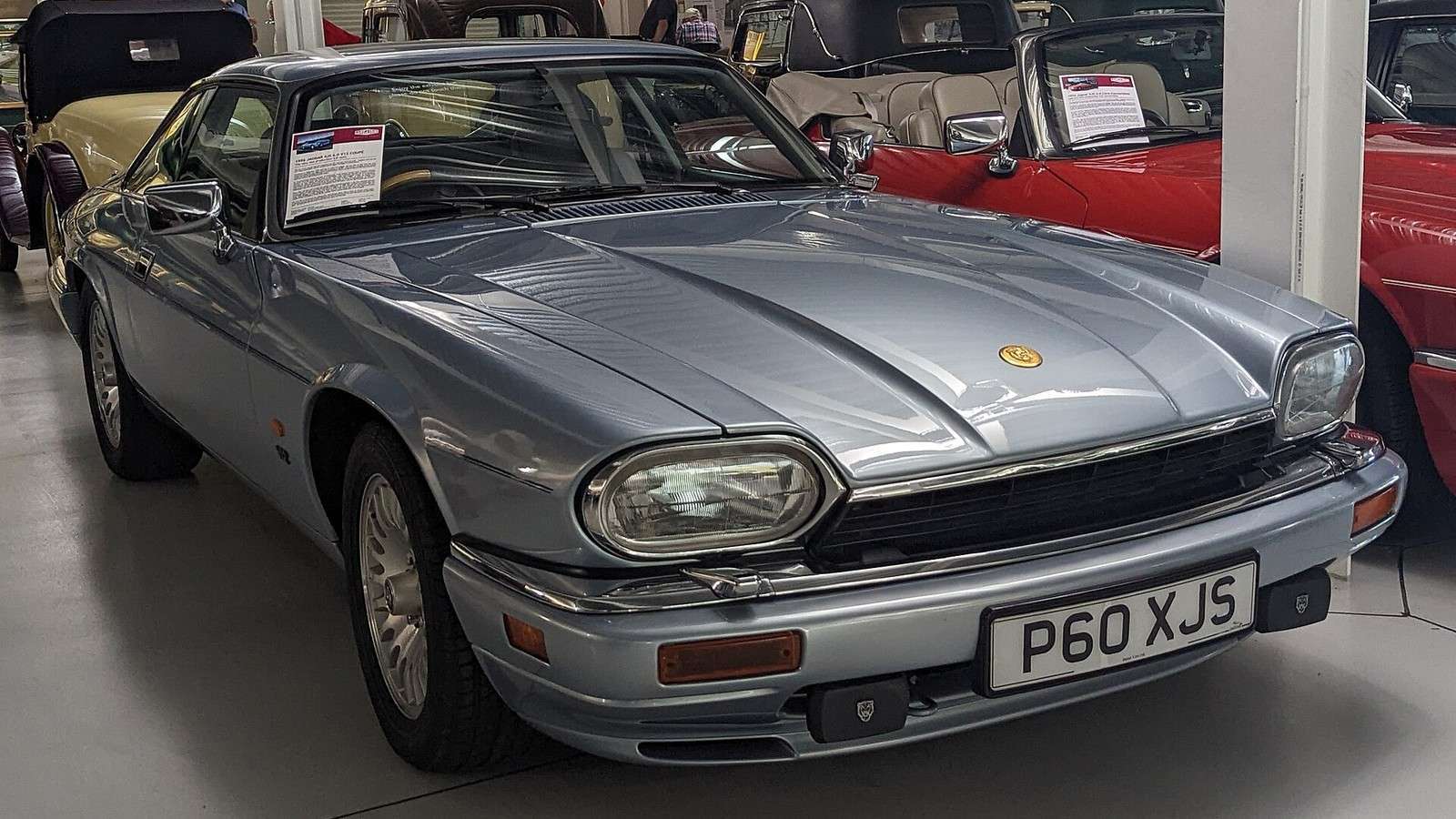
The Jaguar XJS V12 spent 21 years evolving from controversial E-type replacement into one of Britain’s most successful grand tourers. Its aerodynamics, racing record and extraordinary engine make it far more than a symbol of 1970s excess.
Here are ten things you probably didn’t know about the Jaguar XJS V12.
1. It was never intended to be another E-type
Jaguar positioned the XJ-S as a refined, high-speed grand tourer rather than a direct continuation of the E-type’s sports-car formula. Its automatic transmission, quiet cabin and substantial structure suited long journeys, even if the public initially expected something lighter and more overtly glamorous.
2. It was Jaguar’s most expensive production car at launch
Introduced in September 1975 at £8,900, the V12 XJ-S sat at the top of Jaguar’s road-car range. Its timing was awkward: fuel prices and economic uncertainty made a large twelve-cylinder luxury coupé look particularly extravagant.
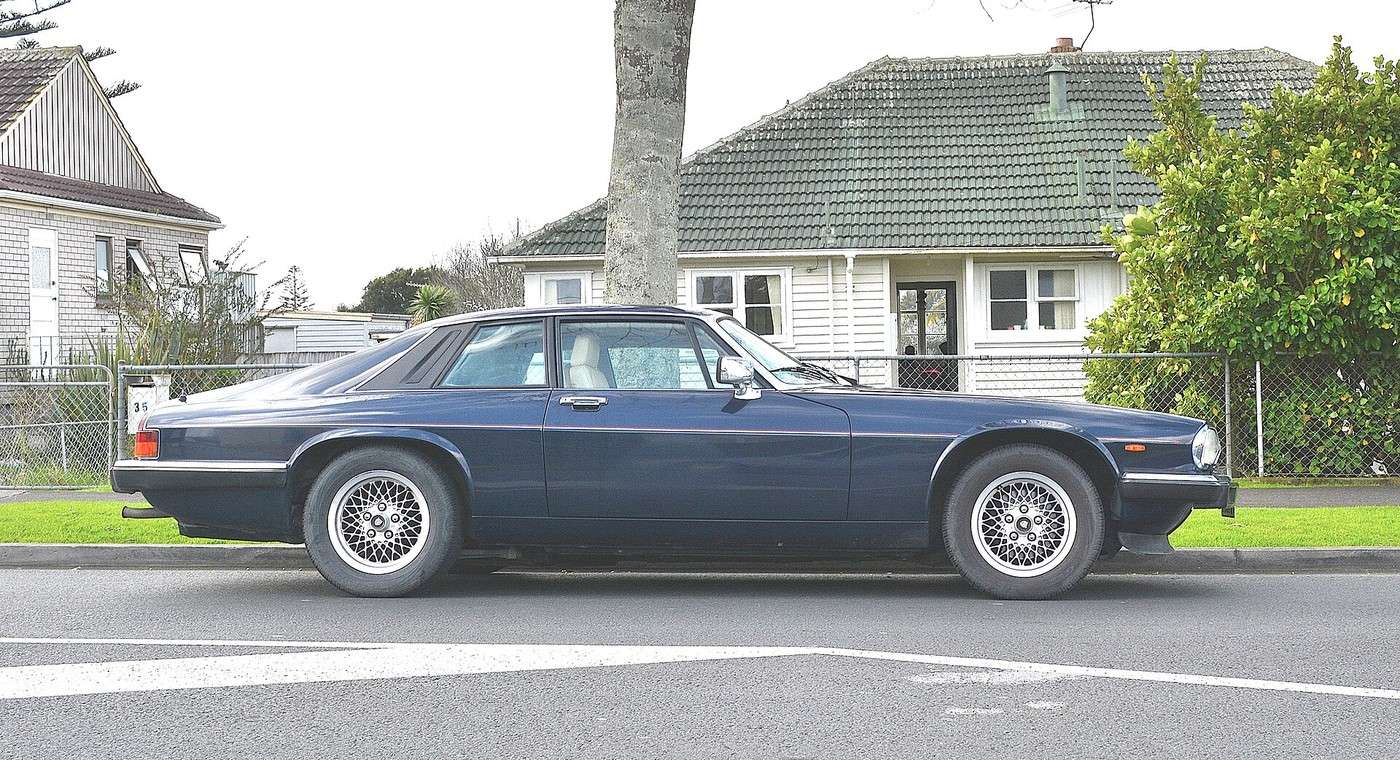
3. The flying buttresses were aerodynamic tools
The distinctive rear pillars were not simply styling theatre. They helped manage airflow around the rear window and tail while contributing to the coupé’s exceptional high-speed stability, although they also made rearward visibility unusual.
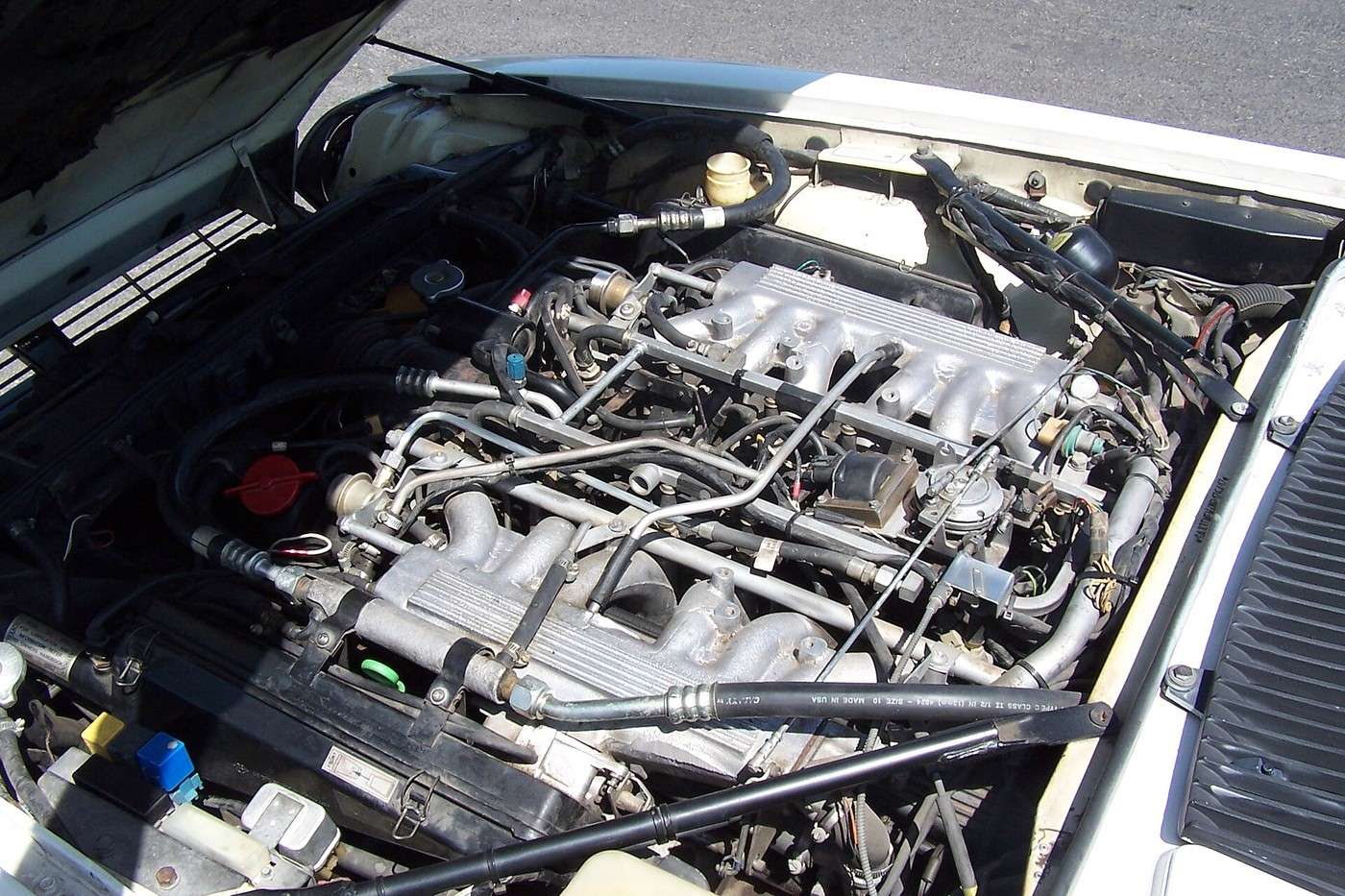
4. The early engine displaced 5.3 litres
Jaguar’s all-aluminium V12 used a single overhead camshaft for each bank and delivered effortless, exceptionally smooth power. Early cars used fuel injection, while the 1981 High Efficiency update introduced Michael May’s revised combustion chamber to improve economy without abandoning performance.
Join the Unusual Cars Club free
Get forgotten cars, surprising motoring stories and the most interesting finds from Unusual Cars by email.
Free to join. No spam. Unsubscribe whenever you like. See our Privacy Policy.
5. HE did not merely mean a new badge
The High Efficiency engine used a high-compression, fast-burn combustion design that allowed leaner running. Together with revised gearing and detail improvements, it made the V12 far more defensible during an era increasingly concerned with fuel consumption.
6. TWR transformed its competition reputation
Tom Walkinshaw Racing developed the XJ-S for European touring-car competition. Tom Walkinshaw won the 1984 European Touring Car Championship and shared victory at the Spa 24 Hours, turning the supposedly soft grand tourer into an intimidating racing machine.
7. The factory-built convertible arrived surprisingly late
Jaguar first offered an open XJ-S as a two-seat cabriolet with removable roof panels. A fully folding convertible did not replace it until 1988, requiring extensive structural work and becoming one of the model’s most enduring late-life forms.
8. The facelift brought more than smoother bumpers
A major 1991 revision changed the body pressings, glass, interior and electrical architecture. The V12 later grew to 6.0 litres, giving final cars stronger torque and a more modern automatic transmission while retaining the essential 1975 silhouette.
9. It became Jaguar’s most successful sporting model
Jaguar Daimler Heritage records 115,413 XJS examples built before production ended in April 1996. That 21-year run comfortably outlasted the E-type and demonstrates how thoroughly the once-controversial design found its audience.
10. Heat and neglect cause more trouble than cylinder count alone
The tightly packed engine bay demands a healthy cooling system, sound ignition components and correctly routed fuel hoses. A properly maintained V12 can cover large mileages, but deferred maintenance turns access, overheating and electrical faults into an intimidating bill.
Why it matters
The XJS V12 matters because it proved that a controversial design can mature into an icon. Its combination of twelve-cylinder refinement, aerodynamic stability, touring-car success and relentless development is unique in British motoring history.
Enjoyed this one?
Join the Unusual Cars Club free for more forgotten performance cars, surprising motoring stories and new 10 Things articles.
Free to join. No spam. Unsubscribe whenever you like.
Explore every 10 Things article in the Unusual Cars hub →

