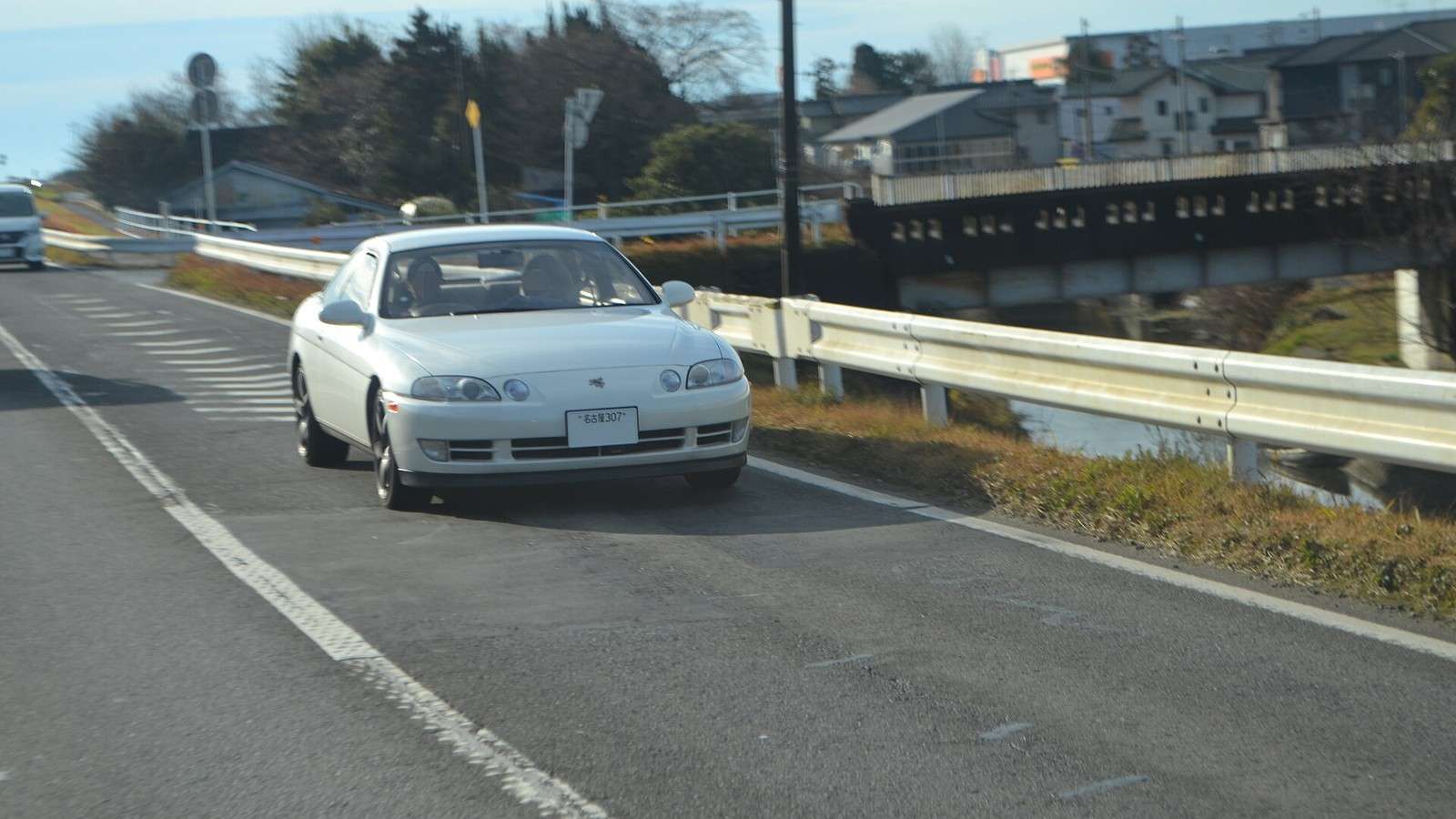
The third-generation Toyota Soarer combined elegant grand-touring styling with the twin-turbo 1JZ straight-six, sophisticated suspension and technology that made many European luxury coupés look conservative.
Here are ten things you probably didn’t know about the Toyota Soarer 2.5 GT-T JZZ30.
1. Toyota launched the third generation in May 1991
The Z30 represented a complete model change and a larger, rounder design than the angular Z20. Toyota targeted about 3,000 Japanese sales per month across a range that included six-cylinder turbo and V8 models.
2. The 2.5 GT Twin Turbo used the 1JZ-GTE
Early JZZ30s paired Toyota’s 2,491cc twin-turbo straight-six with rear-wheel drive. Official Japanese output was capped at 280PS under the manufacturers’ agreement of the period, although the engine became famous for tolerating substantial tuning.
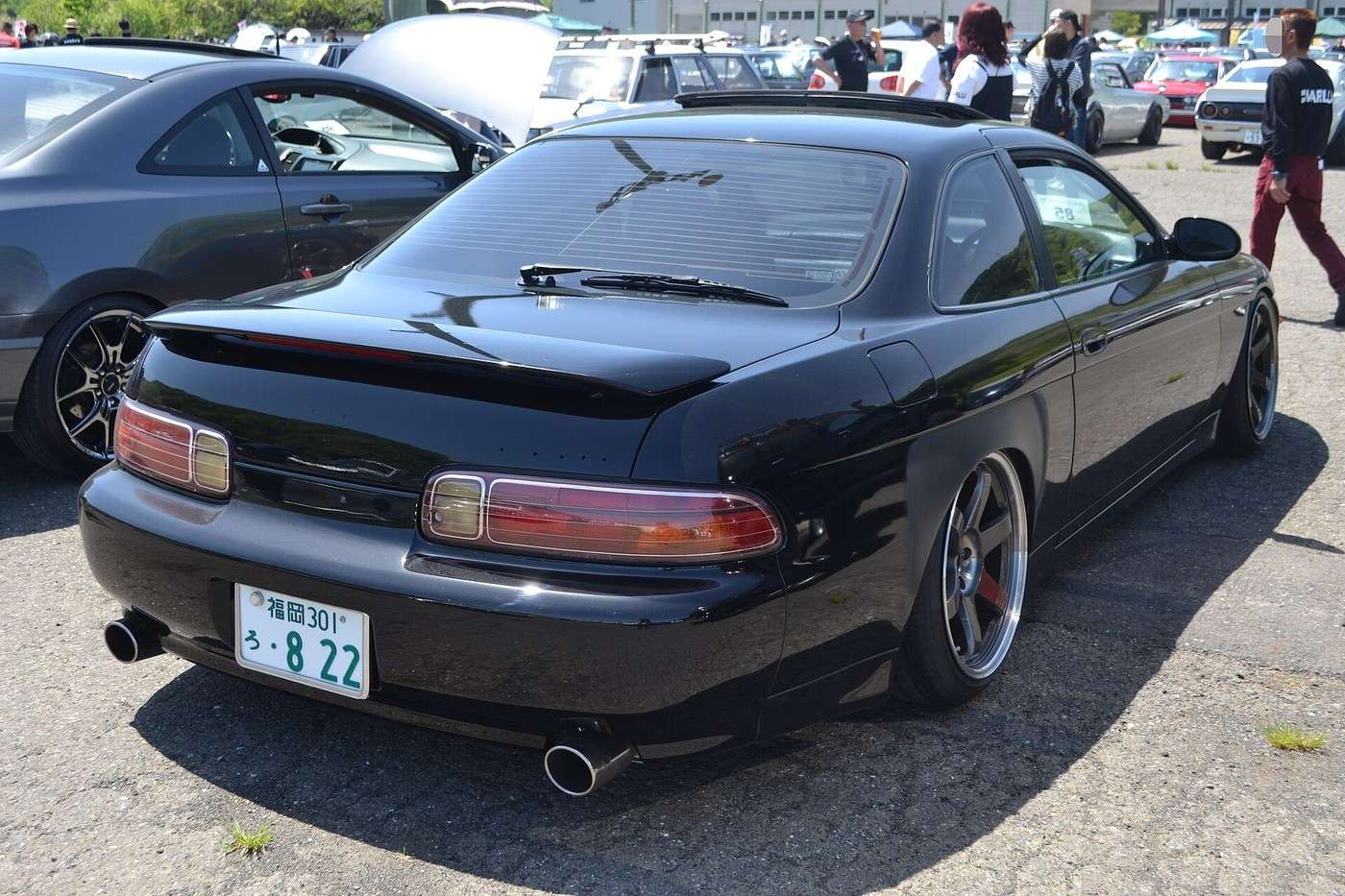
3. Later cars switched from two turbos to one
The 1996 update introduced a VVT-i version of the 1JZ-GTE with a single turbocharger and stronger low-speed torque. Toyota shortened the badge to 2.5 GT-T, so ‘Twin Turbo’ and ‘GT-T’ identify different stages rather than interchangeable advertising.
4. It was closely related to the Lexus SC
The Soarer shared its body architecture with the Lexus SC300 and SC400 sold outside Japan. The Japanese range, however, offered engines and advanced options unavailable on many export Lexuses, so the badges are not the only difference.
Join the Unusual Cars Club free
Get forgotten cars, surprising motoring stories and the most interesting finds from Unusual Cars by email.
Free to join. No spam. Unsubscribe whenever you like. See our Privacy Policy.
5. The range included a 4.0-litre V8
UZZ30 and UZZ31 versions used Toyota’s smooth 1UZ-FE V8. The turbo JZZ30 was the tuner’s choice, while the V8s emphasised quiet luxury and explain why the body feels more substantial than a lightweight sports coupé.
6. The UZZ32 offered fully active suspension
At the top of the range, Toyota fitted computer-controlled hydraulic active suspension that could counter body movement without conventional springs doing the usual work. It was extraordinarily advanced and expensive, and it was not standard on the JZZ30.
7. An in-car colour screen controlled multiple functions
Toyota’s Electronic Multi-Vision system could combine navigation, audio, climate and television functions through a dashboard display. Its capability was remarkable in 1991, although Japanese-only mapping and ageing electronics can limit usefulness today.
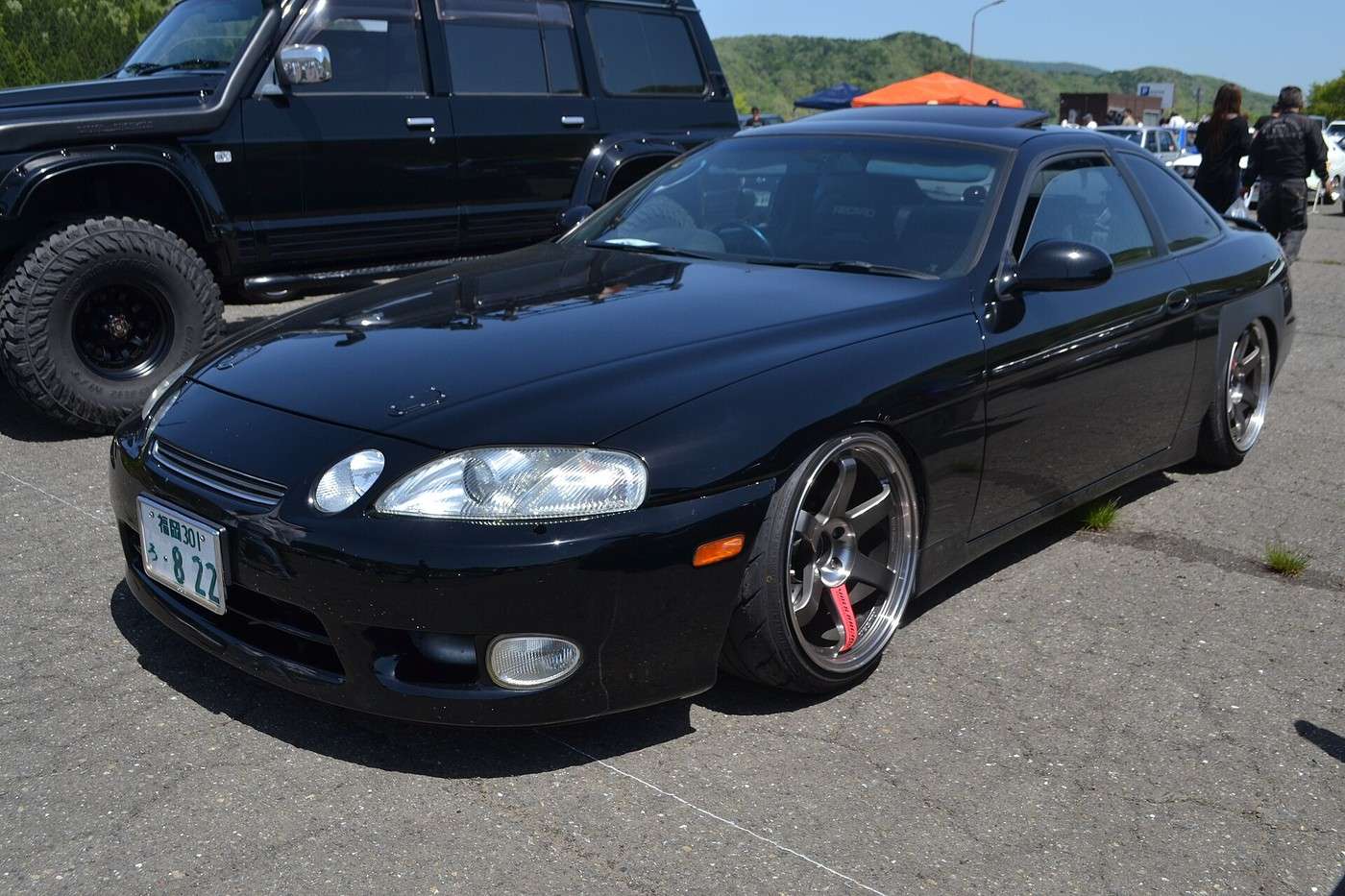
8. It used double wishbones at all four corners
The sophisticated suspension supported both the high-speed GT brief and the car’s later popularity for drifting. Standard geometry and compliant bushes give a refined character that heavily lowered examples often lose.
9. Britain received it mainly as a grey import
Toyota did not officially sell the Z30 Soarer through its UK dealer network in meaningful numbers. Japanese imports arrived during the 1990s and 2000s, often with translated instruments, aftermarket alarms and varying quality of underbody protection.
10. Rust and neglected luxury systems are the hidden risks
Strong 1JZ engines can distract from deteriorated suspension bushes, leaking steering, failed digital equipment and corrosion on cars exposed to salted roads. A standard, structurally sound car is usually a better starting point than a powerful but incomplete drift build.
Why it matters
The JZZ30 matters because it delivers Supra-related performance in a quieter, stranger and more luxurious form. It is both a technological showcase and a genuinely usable 1JZ-powered rear-drive coupé.
Enjoyed this one?
Join the Unusual Cars Club free for more forgotten performance cars, surprising motoring stories and new 10 Things articles.
Free to join. No spam. Unsubscribe whenever you like.
Explore every 10 Things article in the Unusual Cars hub →