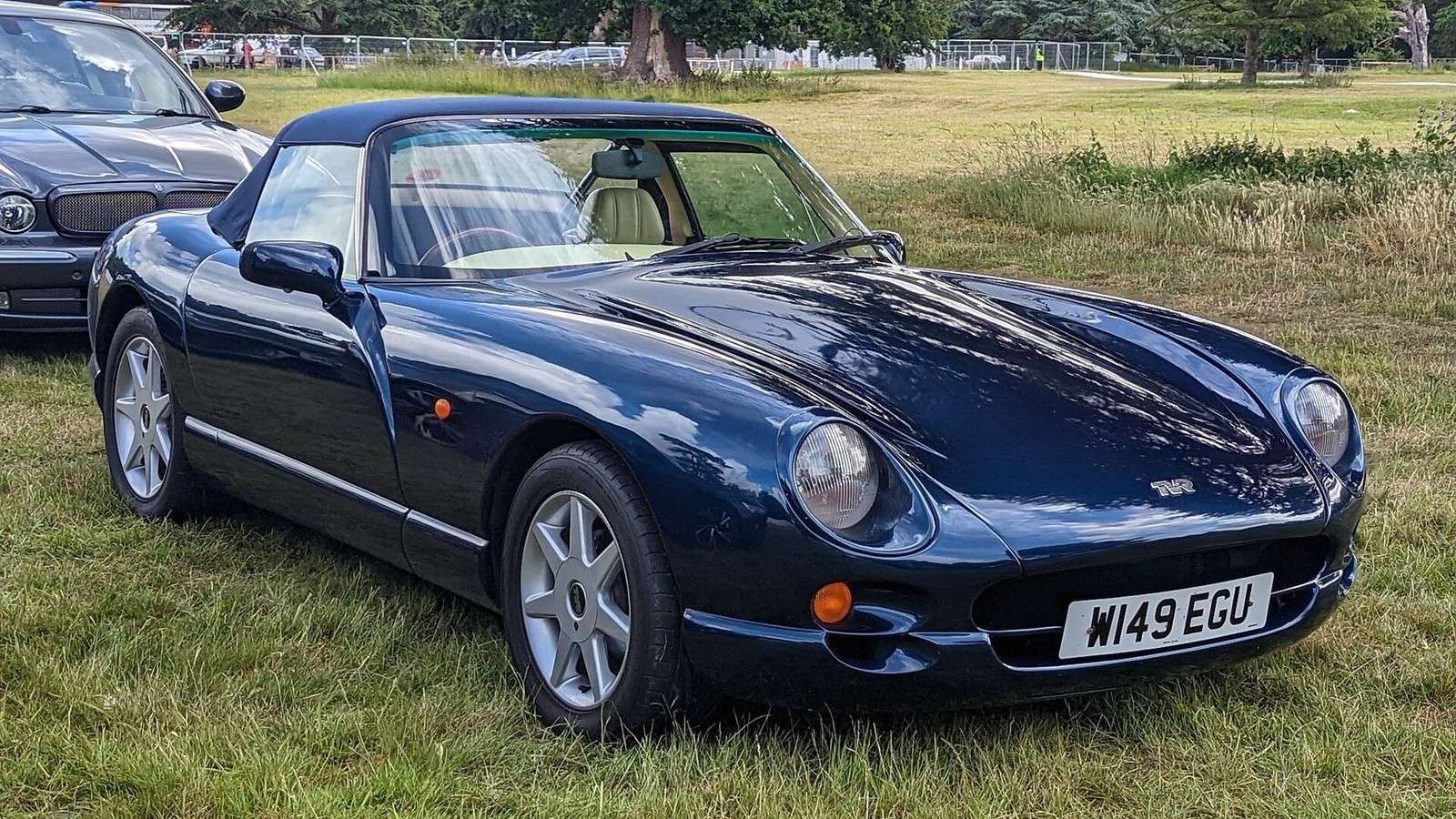
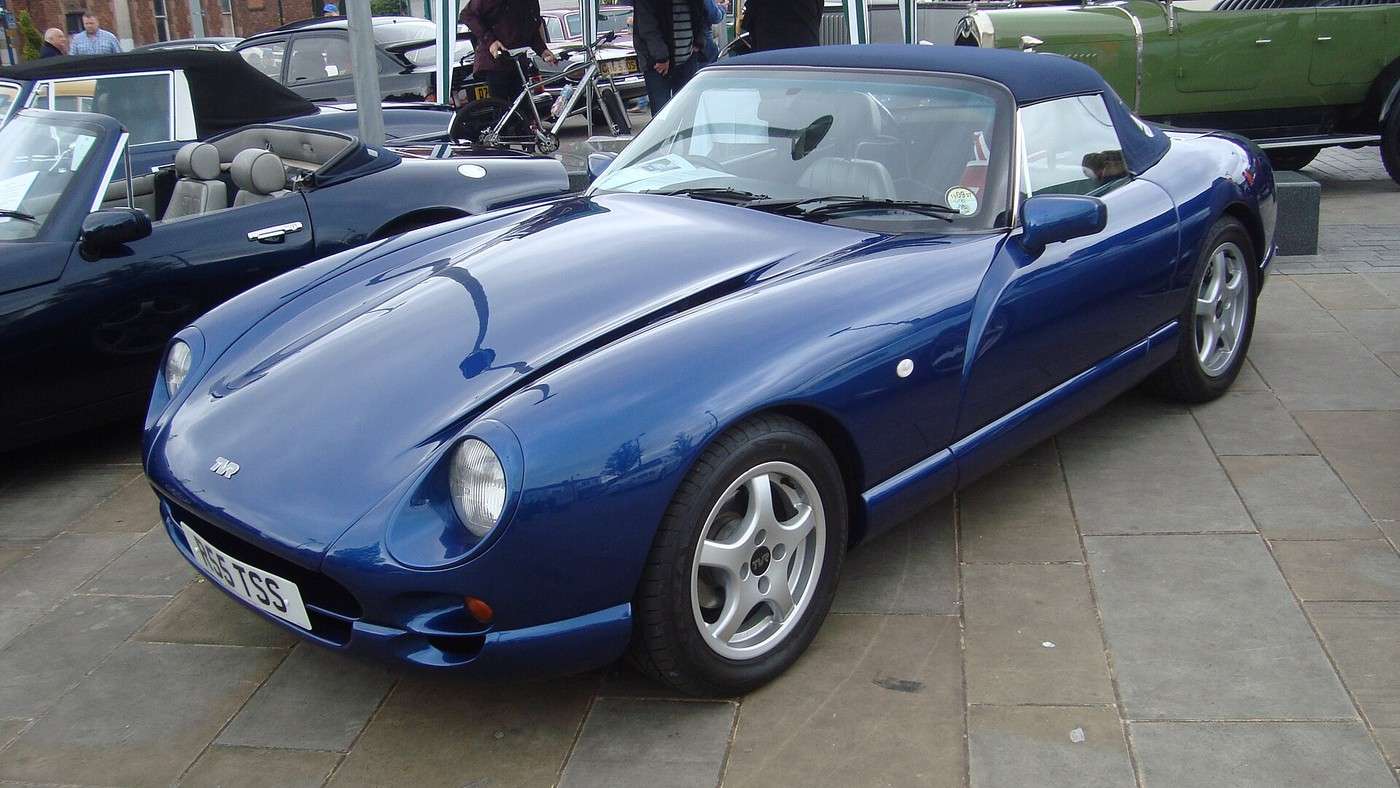
The TVR Chimaera combined a lightweight fibreglass body, Rover-derived V8 power and hand-built British eccentricity with enough luggage space for a proper holiday. It became the company’s biggest-selling model for good reason.
Here are ten things you probably didn’t know about the TVR Chimaera.
1. Its name came from a mythical hybrid creature
A chimera combined parts of several animals, an appropriate name for a roadster mixing traditional British sports-car proportions, a fibreglass body, a steel backbone chassis and a family of heavily developed Rover-based V8 engines.
2. It debuted at the 1992 Birmingham Motor Show
TVR presented the Chimaera as a more comfortable companion to the Griffith. The two shared important mechanical ideas, but the newcomer offered a larger boot, softer suspension tuning and a broader everyday brief.
3. It became TVR’s most prolific model
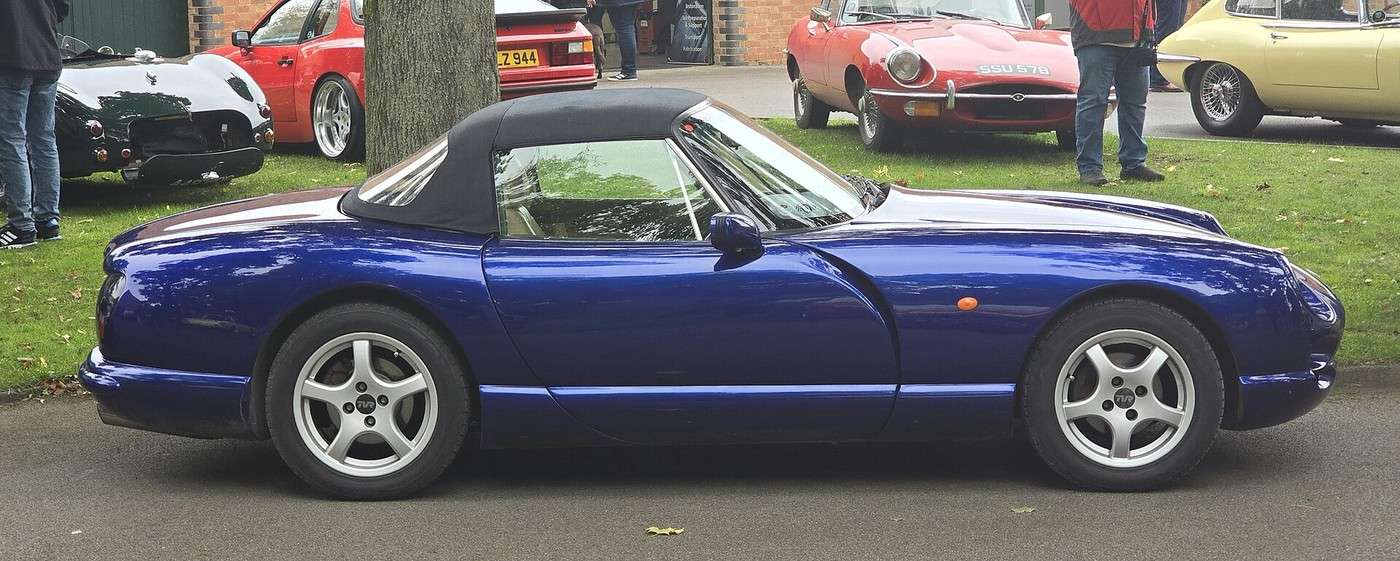
TVR’s own heritage material describes the Chimaera as the company’s most prolific model. Its comparatively practical nature brought Blackpool performance to customers who found the Griffith too uncompromising or the later Cerbera too exotic.
4. The body was glassfibre, not carbon fibre
Hand-laid glassfibre panels kept weight down and allowed distinctive compound curves without the tooling costs of pressed steel. The material does not rust, but poor repairs, crazing and impact damage can hide above a corroding steel chassis.
Join the Unusual Cars Club free
Get forgotten cars, surprising motoring stories and the most interesting finds from Unusual Cars by email.
Free to join. No spam. Unsubscribe whenever you like. See our Privacy Policy.
5. The roof was a two-part arrangement
A removable rigid panel stored in the boot while the fabric rear section folded down. It provided targa-like security and proper open-air driving, although worn seals, damaged locating pins and careless storage can make the system less elegant with age.
6. The V8s shared ancestry with Buick
TVR developed the aluminium Rover V8 through 4.0, 4.3, 4.5 and 5.0-litre forms. Different crankshafts, camshafts, induction and engine-management specifications mean two cars wearing similar badges may feel noticeably different.
7. Official performance figures require context
TVR quoted dramatic power and acceleration claims, but hand-built engines, changing specifications and optimistic period numbers make condition more meaningful than a badge. Even a healthy 4.0 is extremely rapid because the car weighs little more than a modern supermini.
8. It deliberately lacked driver aids
Most cars have no anti-lock brakes, traction control or airbags. Unassisted steering on some versions, a sensitive throttle and abundant torque make tyre quality, suspension condition and driver judgement central to the experience.
9. The outriggers are the chassis danger zone
Tubular sections running beneath the sills support the body and are exposed to moisture and road dirt. Corrosion can remain hidden behind bodywork, so a proper chassis inspection matters more than shiny paint or a loud exhaust.
10. Its practicality was a genuine design priority
The boot can carry the roof panel and useful luggage, while the cabin is broader and calmer than TVR stereotypes suggest. That ability to undertake long trips explains why many Chimaeras accumulated real mileage rather than surviving as occasional show cars.
Why it matters
The Chimaera matters because it made TVR’s outrageous performance surprisingly usable. It delivered V8 theatre, individuality and open-air speed without abandoning luggage space or long-distance comfort—and kept the Blackpool factory extraordinarily busy.
Enjoyed this one?
Join the Unusual Cars Club free for more forgotten performance cars, surprising motoring stories and new 10 Things articles.
Free to join. No spam. Unsubscribe whenever you like.
Explore every 10 Things article in the Unusual Cars hub →