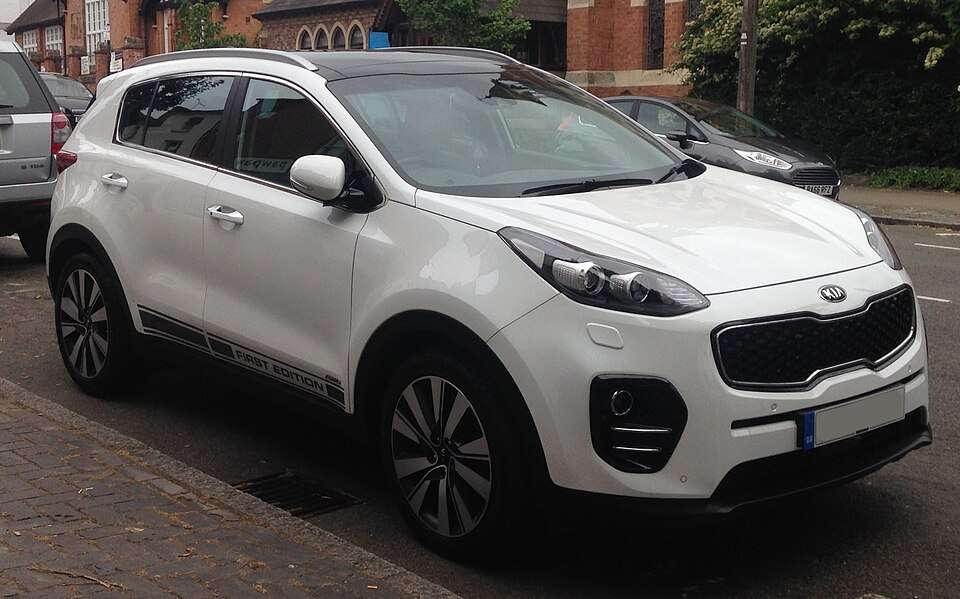
A used Kia Sportage QL diesel can be a sensible family-car purchase: there are enough cars on sale to compare properly, a useful choice of equipment and plenty of routine service parts. The right example makes most sense for regular longer journeys, with passengers, luggage or towing needs that justify a diesel SUV.
There are important differences behind the familiar CRDi badge. The 1.7 manual, later 1.7 DCT and 2.0 automatic do not share one transmission. Front-wheel drive and AWD add another decision. This guide focuses on the fourth-generation QL’s 1.7 and 2.0 CRDi, particularly the earlier non-hybrid range. It does not apply unchanged to the first-generation Sportage already in our library, the preceding SL, the later 1.6 diesel or every mild-hybrid variant.
Our recommendation: shortlist a standard, well-documented 1.7 manual if you do not need AWD. Consider the 2.0 and its relevant automatic/AWD combinations where their capabilities suit your use. A better-maintained lower trim is usually more compelling than a high-specification car with an unexplained transmission or emissions warning.
Which Sportage diesel should you buy?
Establish QL generation, engine code, output, transmission and drivetrain from the VIN and vehicle records before comparing adverts. Registration dates can straddle changes, while badges, screens and wheels can be replaced. An automatic description generated by an advert platform is not a complete mechanical specification.
| Version | Why it appeals | What to establish |
|---|---|---|
| 1.7 CRDi manual | A straightforward economy-led shortlist for longer journeys. | Engine identity, clutch condition, emissions health and maintenance evidence. |
| 1.7 CRDi DCT | Convenient in traffic, with different hardware from the 2.0 automatic. | Correct model/build, clutch behaviour and transmission-specific servicing. |
| 2.0 CRDi | More useful performance where passengers, load or towing justify it. | Output, gearbox, actual drivetrain and the price of additional maintenance. |
| AWD | Traction can be useful on appropriate routes. | Operation, leaks, tyre compatibility and rear-driveline condition. |
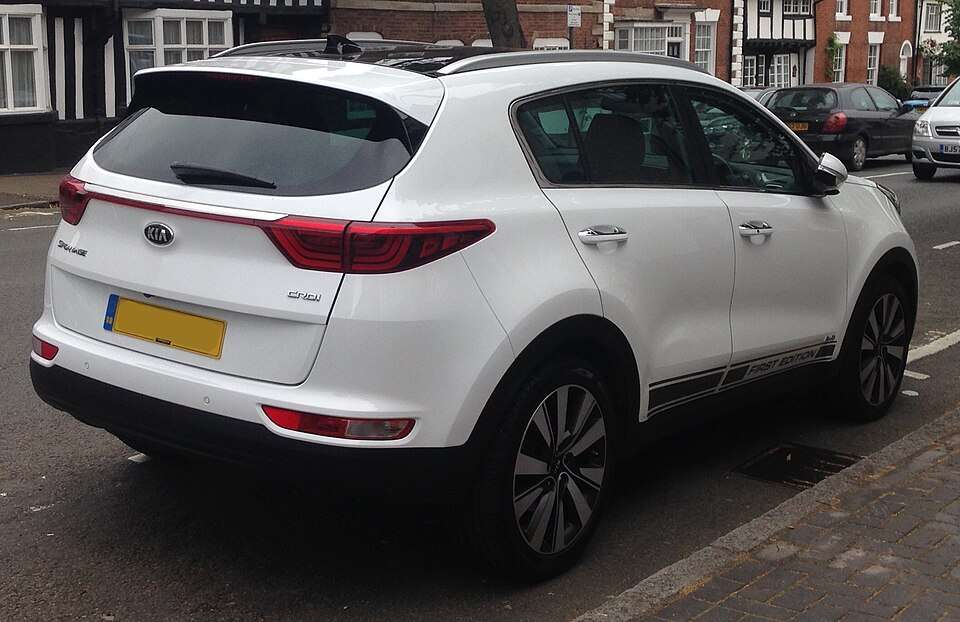
| High trim / GT-Line / First Edition | Desirable comfort and convenience equipment. | Every fitted feature, roof condition, wheel damage and tyre costs. |
Kia’s launch information and its later model-year announcement show why build details matter: the 1.7 DCT arrived as a range addition, while the contemporary 2.0 automatic used a different transmission. Read the 2017 model-year announcement alongside the car’s records. Do not infer a gearbox from the word “auto” or assume launch specifications cover every later car.
Choose equipment you will actually use
Try the seats, rear access, child-seat installation and your usual luggage. Check the boot floor, luggage cover and seat-folding mechanism. A spare wheel or mobility kit changes what is beneath the floor, so confirm what the car should have and whether it is present and usable.
A large wheel and a panoramic roof can make a car more attractive in photographs, but they also give you more to inspect. Compare tyre prices in the approved size, assess ride comfort on ordinary roads and operate the roof if fitted. Pay for documented condition and useful equipment rather than a badge that conceals faults.

How to compare asking prices
Build a shortlist of the same engine, transmission, drivetrain, age band and approximate mileage. Separate private and dealer adverts and read the warranty terms. A 1.7 manual and a loaded 2.0 AWD automatic are different ownership propositions even if their asking prices overlap.
Ask sellers for invoices before travelling. Note the oil/filter history, fuel-filter work, transmission attention and any emissions or cooling repairs. Add written estimates for identified catch-up work to each asking price. Advertised prices are not completed sale values; the useful comparison is the condition and total cost of the actual cars you can inspect.
Engine checks: start cold and read the invoices
Ask the seller to leave the engine cold. Inspect fluid levels safely, compare the apparent temperature with the conditions and observe the warning-light sequence. Persistent rough running, prolonged cranking, unusual mechanical noise or smoke after normal warm-up needs investigation. Do not accept a pre-warmed demonstration as equivalent evidence.
Check dated oil invoices for the correct approval and quantity for the exact engine. A familiar viscosity or a “full service” stamp does not establish the product used. Discuss future service requirements with Kia or the specialist using the VIN, age, mileage and driving pattern; do not transfer a later 1.6 diesel schedule to the 1.7 or 2.0.
Ask how much oil or coolant has been added between services, over what distance and why. Quantified answers are more useful than “never uses any” when there are bottles in the boot and no records. An engine replacement or major repair should have an identifiable invoice, cause, component list and warranty rather than an undocumented claim of a low-mileage unit.
Timing-chain noise is a diagnosis, not a bargain-parts order
These engine applications need their own timing-drive assessment. Do not assume that a generic timing-belt advertisement applies to every CRDi. Investigate abnormal start-up rattling or mechanical noise with an engine-aware workshop, and confirm the correct drive components before ordering anything.
A quiet cold start is useful but cannot certify unlimited remaining chain life. Equally, a noise from the auxiliary drive, injector system or another component should not automatically be called a chain fault. Ask the inspector to identify the likely source and explain whether further testing is needed.
For a previous chain repair, request the reason for the work and the full scope: chain, guides, tensioner, relevant sprockets, seals, hardware and fluids where applicable. A 1.7 timing-chain kit search is not a fitted repair quote, and internal damage after a failure is a separate matter.
Cooling and turbo-related symptoms
Check the coolant cold, look for staining around accessible joints and ask about overheating, recurring top-ups and heater changes. During the road test, assess stable operating temperature and effective cabin heat. Do not open a hot system; a workshop can pressure-test and investigate unexplained loss.
Under safe normal acceleration, the engine should respond consistently without repeated surging or limp mode. Boost hoses, controls, sensors and the turbo itself can all contribute to a complaint. A fault code mentioning boost is not proof that replacing the turbo is the correct first repair.
Inspect the underside on a lift because covers conceal leaks and previous damage. A fresh engine wash is not proof of a fault, but it makes a post-drive check more important. Ask what testing supported previous cooling or turbo work and whether it resolved the original symptoms.
DPF and EGR: decide whether a diesel suits your journeys
Repeated short trips can make diesel ownership less suitable even when the annual mileage looks low. Ask about DPF warnings, interrupted regeneration, limp mode and previous EGR repairs. A seller saying it needs a motorway run has not provided a diagnosis.
Use a Kia-capable diagnostic scan before and after the road test. Ask a technician to interpret stored and pending faults, relevant temperatures, differential-pressure information and regeneration history where available. A single soot estimate cannot certify the whole system, and recent code clearing reduces the evidence available.
Cleaning a filter, replacing a sensor, repairing a cooling fault and fitting a new DPF are different jobs. Establish the cause before choosing the repair. Do not treat emissions removal as a performance upgrade or assume a current MOT proves every component’s condition.
Check official clean-air-zone eligibility for the actual registration and confirm current recalls with Kia using the VIN. Model-year descriptions and a seller’s emissions field can be wrong. A previous campaign receipt is useful evidence but does not prove that no later action applies.
Manual, DCT and conventional automatic: separate the checks
Manual clutch and flywheel
Check smooth take-up, all forward gears and reverse when cold and warm. Listen for noises that change with clutch position and assess vibration during normal pull-away. Engine speed rising without corresponding road speed under safe load suggests slip. Do not abuse the car with a stall test.
A clutch quote should identify the actual gearbox and the condition of the release system, flywheel and mounts. An attractive clutch/flywheel kit price excludes the time needed to remove and refit the transmission, associated fluids, hardware and other diagnosed work. Ask whether the flywheel is included or assessed separately.
The 1.7 DCT deserves a proper hot-and-cold test
Test forward and reverse engagement, gentle take-up, parking manoeuvres, normal acceleration and warm traffic driving. Repeated judder, prolonged hesitation, slip or a temperature warning needs specialist assessment. Brief normal dual-clutch behaviour and a persistent fault are different findings; use an inspector familiar with the system.
Do not hold a car on a slope using throttle against the clutch, or repeatedly creep it unnecessarily during the viewing. Use the correct normal driving procedure. Ask about clutch or control repairs, software work and what the invoice says was done. A fluid change or adaptation cannot honestly be promised to cure every clutch or actuator problem.
The 2.0 automatic is a separate maintenance decision
Confirm the installed transmission and current requirements rather than applying the DCT’s advice. Check selection, gentle and moderate acceleration, cruising, kickdown where safe and hot restarting. Flare, harsh changes, repeated delays or shudder need diagnosis.
Ask for invoices identifying the correct fluid and procedure for that gearbox. A universal automatic flush or an engine service stamp is not equivalent evidence. Confirm what a proposed service covers and whether a fault needs investigation before maintenance is booked.
AWD, towing and underbody checks
Identify the drivetrain from records and inspection. Do not assume a trim badge means AWD. Have the transfer and rear-drive components, propshaft, joints and accessible seals checked for leakage, noise and operation. A system that is not transmitting drive correctly may escape notice on a short dry-road demonstration.
Inspect approved tyre sizes and ratings, compatibility and wear on all four corners. Matching brand names alone do not prove a suitable combination. Investigate binding, vibration or tyre mismatch before purchase and obtain model-specific servicing advice rather than copying a fluid package from another make’s SUV.
For towing, use the actual vehicle’s plate and documentation, intended trailer and licence requirements. We do not give one towing limit to every diesel Sportage. Check the towbar identification, fittings, detachable mechanism and keys, socket condition and electrical operation. Ask how the car was used and look for improvised wiring or impact damage.
Regular towing is not automatic evidence of neglect, but it makes clutch, gearbox, cooling, brake and tyre records more relevant. A towbar fitted recently does not establish the previous use history. Have structural concerns or a damaged installation assessed before relying on the car for towing.
Suspension, brakes and family-use wear
Check straight tracking, steering response, wheel-bearing noise and knocks over ordinary road surfaces. On a lift, inspect springs, dampers, bushes and joints. Uneven tyre wear can indicate worn components, impact damage or alignment; identify and repair the cause before buying tyres and paying for geometry.
Inspect both faces of brake discs, pad condition, caliper movement and parking-brake operation. A sticking brake can make a disc/pad job larger than expected. Confirm exact brake dimensions before ordering parts. An MOT pass is useful history, not a forecast of remaining consumable life.
Look at inner wheel rims and sidewalls, particularly on larger wheels. Assess the ride with your usual passengers in mind. A harder ride is not necessarily a fault, but a damaged wheel, broken spring or worn damper should not be dismissed as normal SUV behaviour.
Love cars you don’t see every day?
Get forgotten cars, surprising motoring stories and the most interesting finds from Unusual Cars by email.
Free to join. No spam. Unsubscribe whenever you like. See our privacy policy.
Cabin, roof and electrical checks
Try every key, lock, window, mirror and parking aid. Test the infotainment with your own phone where permitted, including the functions you expect to use. Model-year changes affected connectivity, so do not assume every early car has the later system or that a retrofit preserves all factory functions.
Check heated seats, steering wheel and other fitted comfort equipment. Operate climate control through fan speeds and temperatures and assess sustained air-conditioning cooling. A regas may be routine, but weak cooling can also indicate a leak or another fault. Ask for a diagnosis before treating it as a fixed small expense.
Inspect the headlining, roof surround where fitted, carpets and boot floor for dampness and odours. Operate a panoramic roof using the correct procedure and examine seals and drainage condition without forcing debris deeper into drains. Distinguish an old resolved stain from current water ingress.
Test seat adjustment, rear-seat folding, luggage cover and tailgate controls. Check what should be under the load floor and whether the tyre-repair equipment is complete. A missing second key, cover and wheel equipment can absorb money intended for maintenance.

Sportage QL viewing checklist
- Before travelling: obtain VIN, engine, gearbox and drivetrain details. Ask for dated invoices, a cold start and permission for an independent inspection.
- Identity and history: match paperwork and VIN, compare mileage with MOT and service records and use an appropriate provenance check.
- Cold checks: inspect fluids safely, look for leaks and damp, check tyres and observe start-up warnings, idle and noise.
- Road test: use an insured route with low-speed manoeuvres, ordinary cruising, braking and moderate acceleration. Assess the correct transmission cold and hot.
- Workshop: request a lift inspection and Kia-capable scan. Ask about emissions, cooling, drivetrain and any concerns that require further tests.
- Before payment: obtain complete fitted quotations, confirm current recalls and agree repairs in writing. Keep a reserve for faults that cannot be excluded without dismantling.
Buy, investigate or walk away?
Routine tyres, brakes, servicing and cosmetic wear can be negotiating items when the underlying car is sound. Work from a defined repair scope and an actual fitted estimate. An incomplete service history is more important when several expensive systems have no supporting evidence.
Investigate coolant loss, repeated DPF warnings, abnormal transmission behaviour, AWD faults and persistent electrical problems before agreeing a price. Unexplained oil-pressure or overheating warnings, serious mechanical noise, emissions removal, major undisclosed structural damage or refusal of reasonable checks justify walking away unless properly resolved.
UK maintenance costs: published scope, not guessed totals
WLMG Kia publishes an age-limited fixed-price menu. Its detailed eligibility text refers to vehicles aged 7–15 years, engines up to 2.0 litres and a fixed time/distance regime; the page also has a conflicting broader age heading, so confirm eligibility for the actual car. The totals include parts, oil, labour and VAT, with no separate hourly rate or labour allocation published.
| Job / evidence | Published example | What remains to confirm |
|---|---|---|
| Diesel Bronze service, WLMG | £259 inclusive; oil/filter work and checks. | Exact QL eligibility, required oil and any additional scheduled work. |
| Diesel Silver service, WLMG | £328 inclusive; the menu adds service items including air-filter work. | Itemised contents for the engine and what has already been done. |
| Diesel Gold service, WLMG | £369 inclusive; menu includes diesel fuel-filter work and wider checks. | Do not assume gearbox or AWD servicing is included. |
| 1.7 CRDi QL parts-only service kits | Observed eBay examples around £87–£110 for differing filter/oil packages. | Correct oil approval, quantities, filter contents and fitment; fitting is extra. |
| Clutch, timing drive or alternator | Vehicle-specific diagnosis and quotation required. | Parts, labour, fluids, VAT, exchange surcharge and warranty. |
| DCT / automatic / AWD work | No one universal price is established here. | Identify the unit; distinguish routine maintenance from a repair. |
Read WLMG’s menu and inclusions before comparing it with parts-only eBay kits. The difference in price is not simply labour: filter contents, inspection, oil, local terms and warranty also differ. A cheap kit can omit a fuel or cabin filter due under the vehicle’s requirements.
A practical first-year budgeting method
Start with an independent inspection and write down urgent defects, due servicing and optional cosmetic work separately. If the car qualifies for the £369 Gold example, do not add another complete service kit automatically: check which parts are already included. Add separately quoted gearbox/AWD work, tyres and any faults actually found.
Compare that total with a more expensive car whose equivalent work is documented. Keep a reserve for diagnosis, transport and items an inspection cannot guarantee. A purchase that uses every available pound leaves little room for an ageing diesel SUV’s ordinary wear, even when the car was honestly described.
Sportage QL diesel service-parts table
Affiliate disclosure: these eBay searches use campaign 5339238906 and may earn commission from qualifying purchases. They are changing search results, not guaranteed-fit recommendations. Check VIN, engine/gearbox code, original part number, approvals and kit contents with the supplier.
| Part / job | Fitment check | eBay UK search |
|---|---|---|
| 1.7 oil/filter kit | Engine-specific oil approval and quantity. | 1.7 service kits |
| 2.0 oil/filter kit | Separate 2.0 application and approved oil. | 2.0 service kits |
| Air / cabin filters | Correct airbox and pollen-filter specification. | Air / cabin filters |
| Diesel fuel filter | Engine, housing, connections and priming procedure. | Fuel filters |
| Timing-chain components | Diagnosed engine-specific job; full contents. | Timing-drive parts |
| Auxiliary belt / tensioner | Exact layout and pulley condition. | Auxiliary-drive parts |
| Alternator | Output, pulley, connector and exchange terms. | Alternators |
| Battery | Correct technology, capacity and reset requirements. | Batteries |
| Front discs / pads | Exact brake dimensions and application. | Brake parts |
| Manual clutch / flywheel | Actual gearbox and diagnosed scope. | Manual clutch parts |
| Transmission service components | DCT versus conventional automatic, specified fluid and procedure. | Transmission parts |
| Wipers | Front/rear lengths and QL fittings. | Wiper sets |
Hidden ownership costs
Warranty expectations: do not assume the original seven-year warranty still protects an older QL. Check first-registration date, mileage, maintenance conditions, remaining cover and any retailer warranty in writing. A used-car warranty can exclude wear, diagnosis, pre-existing symptoms or consequential damage.
Tyres, wheels and AWD: larger rims and a mismatched tyre set can cost more than a routine service to rectify. Inspect inner edges and obtain fitted prices before negotiating. A drivetrain fault should be diagnosed separately from replacing unsuitable tyres.
Emissions and usage: DPF/EGR complaints can consume workshop time before a component is replaced. Ask what caused previous warnings and whether cooling or other engine faults were corrected. Your intended journey pattern matters as much as the seller’s historic mileage.
Equipment and downtime: roof leaks, air conditioning, keys, parking aids and infotainment repairs sit outside routine oil servicing. Arrange alternative transport if diagnosis or parts availability keeps the car off the road. Check the insurance and tax for the actual registration and declare modifications.
Verdict: choose the drivetrain deliberately
The Sportage QL diesel is a worthwhile used-market candidate when its condition, maintenance and your journeys fit together. For many owners, a sound 1.7 manual is sufficient. A 2.0 automatic or AWD car can justify its extra complexity where its capabilities are useful, but it needs the supporting evidence.
Prioritise a cold start, invoices, correct transmission identification, healthy emissions/cooling systems and a lift inspection. Then decide which trim you want. A car with coherent records and ordinary wheels can be better value than a photogenic high-specification example with several unanswered mechanical questions.
Frequently asked questions
Are the 1.7 DCT and 2.0 automatic the same?
No. Confirm the actual gearbox and build details. Their driving behaviour, maintenance and repair scopes must be assessed separately.
Is low mileage enough to make a diesel a good buy?
No. Repeated short trips and elapsed time can matter as much as distance. Read the history and consider whether your own journeys suit diesel operation.
Should I buy AWD?
Only if its traction benefits suit your use. Inspect its operation, leaks, tyres and maintenance and understand the additional ownership exposure.
Does the original Kia warranty still apply?
Check the actual registration date, mileage and terms with Kia. Do not assume an older QL remains covered, or that a retailer warranty has identical protection.
Can a service kit be used to estimate the fitted service bill?
Only as one component. Confirm oil approval, filter contents, inspection, labour, VAT and warranty. The published workshop examples above are bundled totals with eligibility limits.

Love cars you don’t see every day?
Get forgotten cars, surprising motoring stories and the most interesting finds from Unusual Cars by email.
Free to join. No spam. Unsubscribe whenever you like. See our privacy policy.