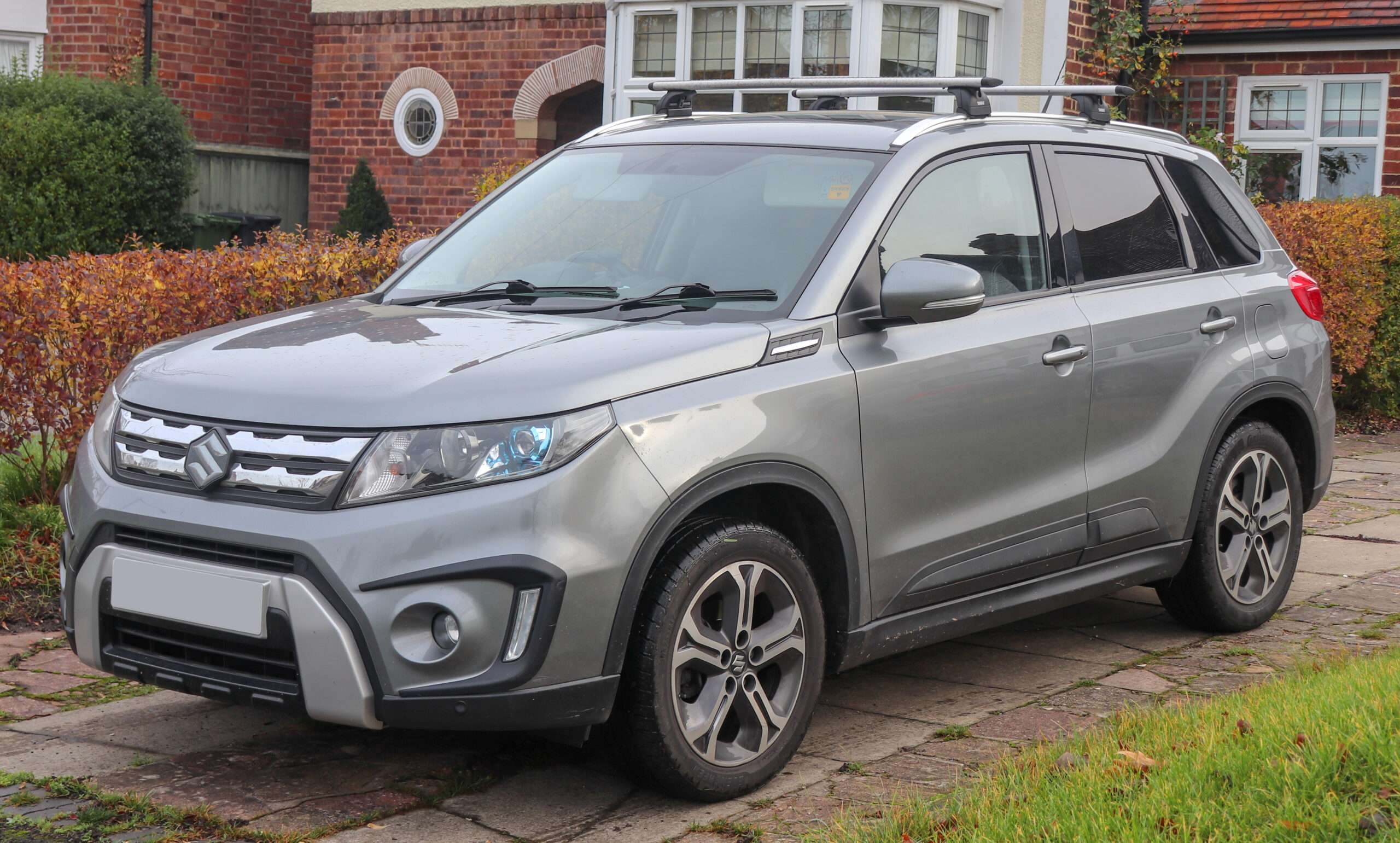
The Suzuki Vitara LY petrol offers a useful alternative to the heavier, more complicated used SUVs that dominate the market. Its appeal is a relatively compact body, an upright driving position and a choice between straightforward 1.6-litre power and the stronger 1.4 Boosterjet. You can also choose front-wheel drive or ALLGRIP, so there is no reason to pay for extra drivetrain hardware unless it benefits your driving.
This guide covers 2015–2019 Vitara LY 1.6 petrol and early non-hybrid 1.4 Boosterjet models. It excludes the older Vitara and Grand Vitara, the 1.6 DDiS diesel and its TCSS transmission, the 1.0 Boosterjet, and later mild/full hybrids. Model years and registration dates overlap: identify the engine and drivetrain before applying maintenance or parts advice.
Affiliate disclosure: we may earn commission from qualifying eBay purchases through the links below, at no extra cost to you. Searches help compare stock; the VIN, engine code and supplier confirmation establish fitment.
Quick verdict: which Vitara petrol should you buy?
A documented 1.6 manual with front-wheel drive is the straightforward starting point for mostly local driving. Choose the 1.4 Boosterjet if loaded journeys, hills and overtaking flexibility matter more. The early Vitara S is an interesting way into the turbo engine and ALLGRIP combination, while facelift cars offer different equipment and drivetrain choices that need checking individually.
The petrol six-speed automatic is a conventional automatic, not the diesel’s TCSS dual-clutch arrangement. That distinction matters when researching faults and servicing. Whatever the version, prioritise a cold-and-hot road test, underbody condition, dry cabin, functioning equipment and clear maintenance records over a bright two-tone paint scheme.
Understand the engine, gearbox and facelift differences
1.6 petrol: simple delivery, more gear-changing
The naturally aspirated 1.6 petrol is the M16A-family engine. Suzuki’s period UK material lists 120 PS and a five-speed manual, with a six-speed automatic offered as an alternative. It is a sensible option when you value predictable response and do not need strong low-rev acceleration. Try a representative hill with the air-conditioning running rather than judging it solely on a short, flat test.
There is less turbo-related hardware to consider than on the Boosterjet, but that does not make an ageing example maintenance-free. Check oil history, coolant condition, starting, idle quality and the evidence behind any recent repair. Misfiring, persistent abnormal noise or unexplained fluid loss require diagnosis, even when a seller repeats the model’s reputation for reliability.
1.4 Boosterjet: the more flexible choice
The early non-hybrid K14C 1.4 Boosterjet is turbocharged and directly injected. It gives the Vitara more mid-range flexibility, particularly with people and luggage aboard. The UK S model arrived in early 2016 with this engine; verify the advertised trim and drivetrain rather than assuming any turbo Vitara has exactly the same specification.
Buy on service evidence and present behaviour. Smooth, progressive acceleration matters more than a claim that it “pulls well”. Look for hesitation, warning lights, smoke and oil or coolant staining. An aftermarket tuning claim adds uncertainty about operation and insurance; it is not a substitute for documented maintenance. A very cheap modified example may be a poor match for someone seeking low-stress daily transport.
Manual versus petrol six-speed automatic
Check a manual for consistent clutch engagement, clean selection and noise that changes when the pedal is pressed. Test reverse and low-speed manoeuvring as well as higher gears. A clutch that slips under sensible load is a repair requirement, not something to accept because the car is otherwise tidy.
On the petrol automatic, select reverse and drive from rest, then repeat after warming up. Significant delay, harsh engagement, repeated flare between ratios, shudder or warnings deserve specialist assessment. Use the manual selection or paddles if fitted and confirm the display agrees with the requested operation. Do not diagnose an automatic from a single driveway manoeuvre.
Internet advice about the diesel’s TCSS system should not be used to price a repair on this petrol automatic. Ask a workshop to identify the transmission and specify the correct fluid, level-setting procedure and work scope. A generic automatic service or an indiscriminate flush is not an appropriate response to every symptom.
The 2019-model facelift
Suzuki’s November 2018 UK announcement confirms the revised range used 1.0 and 1.4 Boosterjet petrol engines, with changes to appearance and equipment. This guide concentrates on the 1.4 within that facelift range. It does not imply that a 2019-registered 1.6 is impossible: registration timing and remaining stock can differ from model-year changes.
Check the actual car’s specification. The revised grille, rear lamps and cabin details help identify appearance, but safety and convenience equipment depend on grade and market. Do not use a late-car brochure to assume an early SZ-T has the same assistance systems. Demonstrate the features in a safe, normal manner rather than deliberately provoking an emergency-braking intervention.

Front-wheel drive or ALLGRIP?
For ordinary urban and motorway use, front-wheel drive keeps the buying decision straightforward. ALLGRIP is worth considering for regular rural tracks, slippery access roads or conditions where extra traction is genuinely useful. It does not overcome unsuitable tyres, replace sensible speed or shorten every stopping distance.
Confirm that an ALLGRIP advertisement describes a car that actually has the system. Look for its controls, inspect the drivetrain through a competent workshop and verify the VIN specification. Check for warning messages and that the selector/display work as described in the handbook. Avoid testing inappropriate modes aggressively on dry, high-grip surfaces.
Look underneath for impact damage, leaks, torn boots and signs of prolonged mud exposure. A raised driving position is not proof that the car has never been used off road. Tyres should be compatible with the manufacturer’s drivetrain requirements, with sensible matching size and wear. A mixed set of worn tyres on an ALLGRIP car warrants more investigation than the cost of one replacement.
Ask what servicing the transfer and rear-drive components require on that specific version and whether the invoices show it. Engine servicing alone is not a full account of four-wheel-drive maintenance. If you do not need the system, an equally well maintained front-wheel-drive car can leave more of your budget available for condition and equipment.
Trim, comfort and family practicality
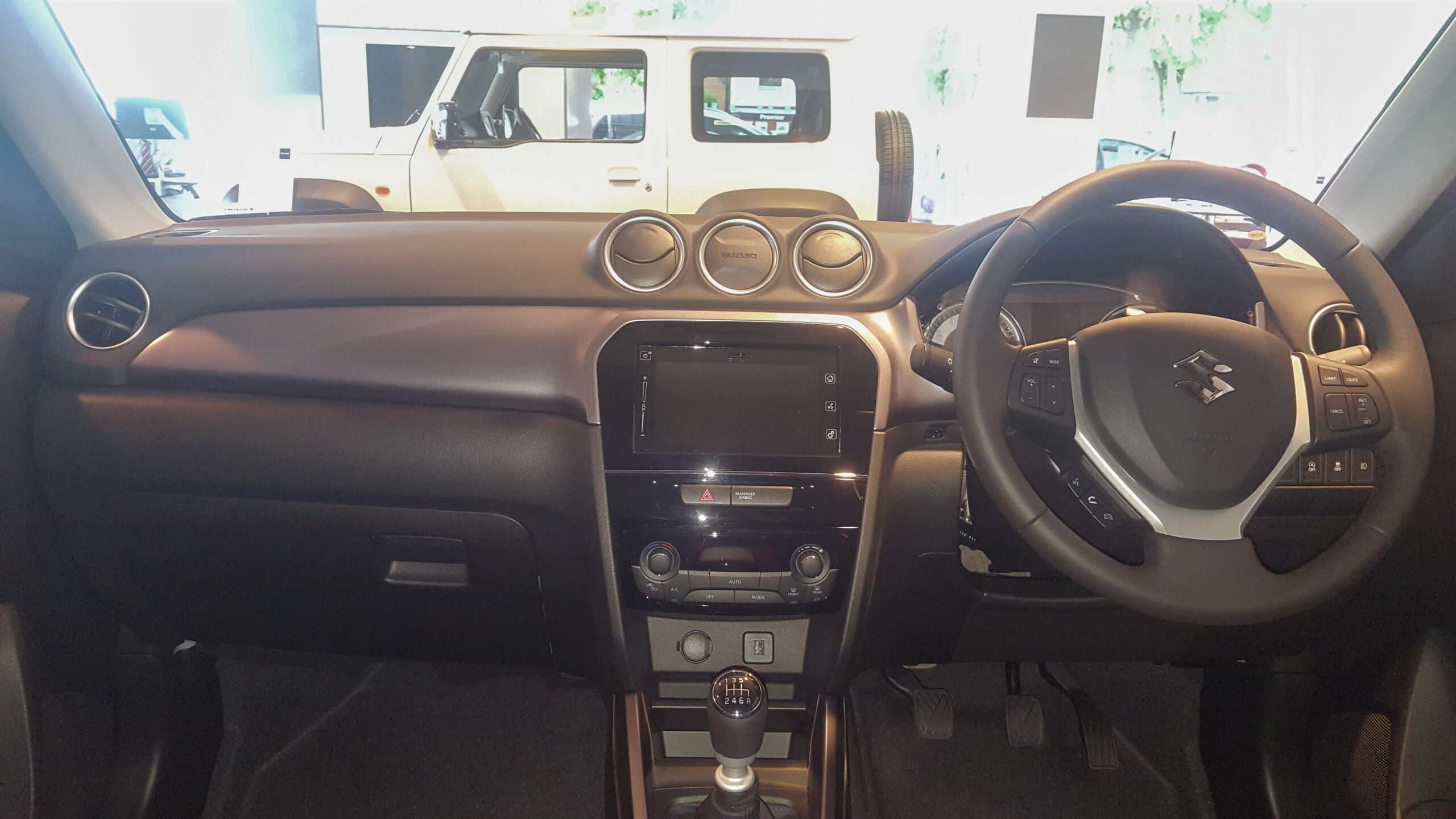
SZ4, SZ-T, SZ5 and S specifications are not interchangeable, and later versions changed the equipment mix. Decide which features you will use: air-conditioning, parking assistance, phone integration, adaptive cruise, keyless access or a panoramic roof. A long equipment list is useful only if the equipment works and its cost is reflected in your reserve.
Try the front seats long enough to notice support and reach. Check rear-seat room behind the driver’s normal position and bring a buggy, dog crate or child seat if that dictates your purchase. Inspect the boot floor, load cover and spare-wheel or repair-kit provision. Confirm towing and payload limits from the individual car’s documents rather than assuming every ALLGRIP has the same allowance.
Some cabin plastics are more functional than luxurious; superficial wear should be priced in context. Separate cosmetic scuffs from loose trim hiding accident repairs, damp carpet or malfunctioning controls. Check camera image quality, radio reception and phone connection while stationary. Do not rely on the presence of a touchscreen to guarantee the smartphone functionality you want.
UK asking prices: build a realistic comparison
Research examples on eBay included a 2016 1.6 SZ4 advertised at £5,525 with about 106,000 miles, a 2017 1.6 SZ-T manual at £8,978 with about 45,000 miles, and a 2019 1.4 Boosterjet SZ5 automatic at £14,995 with about 45,000 miles. These are individual advertised examples, not completed-sale prices or a comprehensive valuation range.
Compare like engines, transmissions and drivetrains. A lower-mileage automatic facelift will naturally sit in a different comparison set from a high-mileage early manual. Dealer preparation, warranty scope, ownership history and tyre condition can justify part of a price difference; unanswered mechanical questions cannot be valued from photographs alone.
Allow separately for immediate servicing and consumables. If a car needs tyres, brakes and diagnostic work as soon as you collect it, the apparent saving may disappear. Negotiate against written estimates, with a reserve remaining after the known jobs. Avoid using the entire budget to acquire the highest trim and hoping the extras never fail.
Inspecting a used Vitara LY petrol
Before booking a viewing
Request the registration, exact engine and gearbox, drivetrain, service invoices and both keys. Ask for a genuinely cold start. Review MOT history for repeated brake, tyre and suspension advisories and compare recorded mileage with the paperwork. A later pass does not tell you exactly what was repaired or whether scheduled maintenance is current.
Check vehicle identity, finance and history independently. Ask Suzuki to confirm recall and campaign status against the VIN. A clear dashboard and current MOT do not prove every manufacturer campaign is complete. If the seller cannot explain a registration, identity or mileage discrepancy, resolve it before paying a deposit.
Cold engine and fluids
Inspect oil and coolant safely before starting. Dried coolant staining, low level, damp joints or a sweet smell should prompt investigation. Never open a hot pressurised cooling system. A recent top-up may conceal a leak temporarily, so ask about the pattern of level changes and any invoices for repair.
Observe the warning-light check and start without excessive throttle. Listen for persistent rattling or knocking and watch for uneven running. Brief condensation in cold weather is different from sustained heavy smoke. An oil-pressure warning, overheating or severe misfire is a reason to stop and diagnose, not to continue the test until the seller is satisfied.
Bodywork, underside and corrosion
Check paint transitions, panel alignment, lamp fixings and the boot floor for repair evidence. Examine bumpers and lower trim carefully; plastic cladding can make minor parking damage less obvious. An independent inspection is sensible when the finish and history do not agree.
Have the underside examined safely on a lift. Look for corrosion beyond superficial surface rust, damaged exhaust components, fluid leaks and impact marks around suspension or drivetrain hardware. Fresh underseal deserves an explanation and inspection of what it covers. Do not crawl beneath a car supported only by its emergency jack.
Brakes, steering and suspension
Inspect tyres across their full width and compare the set. Uneven wear can point to alignment or suspension issues as well as neglect. On the test, listen for knocks over ordinary rough surfaces and feel for steering vibration or a tendency to pull. Distinguish a wheel-balance symptom from a mechanical diagnosis: inspection establishes the cause.
Brake progressively when safe, checking for judder, pulling and abnormal noise. After the test, an excessively hot wheel or burning smell should be assessed professionally without touching hot components. Ask a workshop to distinguish worn discs and pads from a sticking caliper or handbrake mechanism before agreeing a repair allowance.
Panoramic roof and cabin water
If fitted, operate the panoramic roof through its normal controls and listen for strain or uneven movement. Check the seal area and roof lining for staining, then inspect carpets and the boot recess. Do not assume a damp cabin is just a window left open. Establish the leak path and likely repair before deciding it is a cheap fix.
Drain inspection and cleaning must follow an appropriate procedure; aggressive probing or compressed air can make a problem worse. A roof that works once is not proof of leak-free operation. Missing trim, previous sealant repairs and evidence of standing water should all inform the inspection and price.
Road test and hot restart
Use local roads and a faster section to bring the car fully to temperature. Check response under moderate acceleration, stable cruising and a clean restart afterwards. Revisit automatic engagement and parking manoeuvres warm. On a manual, compare cold and hot clutch behaviour. Check for new warning messages after the drive.
Finish with a stationary equipment check: air-conditioning performance, all windows and locks, mirror adjustment, camera, lights and both keys. An illuminated air-conditioning button does not demonstrate cooling performance. A seller’s claim that it merely needs gas is not a substitute for a leak and performance test.
Love cars you don’t see every day?
Get forgotten cars, surprising motoring stories and the most interesting finds from Unusual Cars by email.
Free to join. No spam. Unsubscribe whenever you like. See our privacy policy.
Maintenance: what matters on these petrol engines
The 1.6 M16A and early 1.4 K14C use timing chains rather than a routine cambelt-replacement arrangement. That distinction should prevent you buying a diesel belt kit or confusing the visible auxiliary belt with the cam drive. It does not mean the chain system is immune to wear or that abnormal noise can be ignored.
Oil specification, level and documented changes remain important. Ask a Suzuki workshop to identify the correct schedule against the VIN, mileage and use. Do not transfer the interval or oil recommendation from a later hybrid, another market or an eBay kit title. A dashboard reminder being reset is not evidence of work being performed.
Invoices should identify oil, filter changes, plugs, brake fluid and any additional drivetrain work. Cooling, braking and transmission repairs need a clear description of the diagnosed fault and the parts replaced. A pile of receipts is helpful only when it can be matched to this car and the present issue is resolved.
For automatic or ALLGRIP servicing, request an itemised plan with the relevant fluids, procedures and components. Not every general service includes those items. Confirm the workshop’s familiarity with this drivetrain and settle whether it will fit customer-supplied parts before ordering anything. Any warranty implications and responsibility for fitment need to be clear.
UK service and repair costs: published examples
Separate an online parts price from a fitted workshop quotation. The examples below were visible during research and need checking against your registration, location and job scope. They do not constitute a national tariff, and a provider’s generic service packages are not automatically the manufacturer’s complete schedule.
| Item or job | Published example | Scope and limitations |
|---|---|---|
| 1.6 petrol oil, air and cabin filters | £25.99 parts only | Example eBay kit; oil and labour are additional. Verify references and contents. |
| 1.4 petrol oil, air and cabin filters | £27.99 parts only | Example eBay kit. Do not assume later hybrid fitment. |
| 1.4 K14C oil/air filter and 5 litres of oil | £53.69 parts only | Example advertisement; match oil approval and required fill quantity before ordering. |
| 1.4 S ALLGRIP full service | Fixter estimate £121–£191 | Fitted provider estimate, subject to vehicle and location. Confirm inclusions and VAT. |
| 1.4 S ALLGRIP major service | Fixter estimate £203–£320 | Confirm plugs, filters and extra maintenance separately. |
| 1.4 S ALLGRIP rear discs and pads | Fixter estimate £133–£209 | Published conventional rear-brake row; confirm fitment. Caliper repairs are a different scope. |
| 1.6 SZ4 rear discs and pads | Fixter estimate £140–£220 | Provider’s model estimate, not a universal 1.6 price. |
Fixter lists a service labour-time estimate of 52 minutes to 1 hour 36 minutes for the 1.4 S ALLGRIP, but does not give a separate labour charge in that table. No hourly rate has been inferred from it. Ask the chosen workshop to split parts, labour, VAT and any diagnostic charge in its written quote.
The brake page also contains electronic-parking-brake rows and older Vitara derivatives. Those must not be applied to an early LY petrol simply because the model name matches. Use the correct physical braking arrangement and registration-specific quotation. This is a good example of why the cheapest headline search result is not necessarily a meaningful repair budget.
As a scoped illustration, the cited 1.4 S ALLGRIP major-service and conventional rear-brake estimates total £336–£529. That excludes tyres, unquoted defects and additional drivetrain work. It is arithmetic for two specified jobs, not an expected annual ownership cost. Do not add a separate filter-kit price to a fitted service unless that supply arrangement has been agreed.
Vitara LY petrol service-parts table
Each affiliate link opens a relevant eBay UK search. Check engine identity and OE references with the supplier, especially where a title groups 1.6 petrol, DDiS, Grand Vitara and hybrid models together. “Fits Vitara” alone is inadequate evidence. The searches deliberately separate petrol service kits; the other rows still need exact engine and component matching.
| Service part | Fitment and buying advice | eBay UK comparison |
|---|---|---|
| 1.6 petrol service kit | M16A petrol only; confirm oil approval and contents. | Compare 1.6 petrol service kit |
| 1.4 Boosterjet service kit | Early non-hybrid K14C; do not assume K14D hybrid parts fit. | Compare 1.4 boosterjet service kit |
| Air filter | Match 1.6 or 1.4 airbox and OE reference. | Compare air filter |
| Cabin filter | Compare dimensions and standard/carbon options. | Compare cabin filter |
| Spark plugs | Choose the correct engine specification and plug reference. | Compare spark plugs |
| Auxiliary belt | Not a timing belt; match engine and accessories. | Compare auxiliary belt |
| Front discs and pads | Check diameter, thickness and brake specification. | Compare front discs and pads |
| Rear discs and pads | Confirm exact arrangement and whether fitting hardware is included. | Compare rear discs and pads |
| Battery | Match size, technology, rating and stop-start requirements. | Compare battery |
| Alternator | Match engine, output and pulley; later hybrid equipment differs. | Compare alternator |
| Wiper blades | Check front lengths and rear attachment. | Compare wiper blades |
| Manual clutch kit | Manual versions only. Confirm gearbox and release-component scope. | Compare manual clutch kit |
Hidden ownership costs
Four tyres and drivetrain checks. A cheap ALLGRIP car with mismatched tyres can require a larger initial spend than the same asking price suggests. Price a suitable complete set when necessary, including fitting and alignment investigation. Check drivetrain condition before assuming tyres are the only issue.
Panoramic-roof and water repairs. A damp roof lining can lead to trim removal, leak tracing and mechanism work. Get a diagnosis and itemised quote rather than accepting a casual allowance for sealant. A simpler car without the roof may suit a buyer who wants to minimise optional-equipment exposure.
Keys, infotainment and assistance sensors. Establish whether both keys function, whether the screen and camera work and whether assistance warnings remain after a normal start. A replacement windscreen or accident repair can involve associated sensor work on equipped cars. Ask whether calibration and coding are included in any proposed repair.
Brakes after low annual mileage. A car that has covered few miles may still have corroded discs, a sticking mechanism or aged tyres. Low mileage should be judged alongside storage conditions and inspection. Do not treat a lightly used car as automatically needing less preparation than a regularly serviced high-mileage one.
Registration-specific tax and insurance. Obtain both before committing. First registration date, emissions and derivative matter; the same badge can span different tax arrangements. Declare modifications and check the actual drivetrain and engine shown on the insurance quotation. Add breakdown cover if being stranded would interrupt work or family responsibilities.

Buying strategy and the first month
Write a shortlist around your use before browsing colours. For predominantly town driving, compare healthy 1.6 front-wheel-drive cars. For hills and long loaded trips, try a 1.4. Add ALLGRIP only if it answers a real requirement. This prevents a highly specified but poorly maintained example from distracting you from the vehicle you actually need.
Commission an independent inspection when the history or test leaves material questions. Ask for a cold start, underbody assessment, diagnostic scan and a road test appropriate to the transmission. A scan should be interpreted with the symptoms and records; a cleared warning light does not prove that a fault has been repaired.
Put agreed work into the sales order, including the exact parts, fluids, scope and documentary evidence. “Serviced before collection” may mean less than you expect. Read warranty limits and exclusions before allowing a promise of cover to replace investigation of a known problem.
After purchase, establish a baseline with the correct maintenance schedule and records of tyre pressures and fluid levels. Learn the spare-wheel or repair-kit arrangement and locate the locking-wheel key. Recheck any emerging warning or level change promptly and keep invoices together. Your first spend should address safety and maintenance needs before cosmetic accessories.
Vitara petrol buying questions
Is a 1.6 petrol automatic the TCSS model?
No. The period petrol automatic is a six-speed conventional automatic; TCSS belongs to the diesel range covered in Suzuki’s period material. Verify the car’s engine and gearbox rather than using the word “automatic” as a complete mechanical description.
Does the 1.4 Boosterjet need a cambelt?
The early K14C has a timing chain, as does the 1.6 M16A. Do not buy a DDiS timing-belt package for either. Chain drive still depends on correct maintenance, and persistent abnormal noise requires diagnosis. Establish the actual engine identity before ordering parts.
Is ALLGRIP essential?
Only if its traction benefits are useful to you. A front-wheel-drive car can be a good choice for normal roads and avoids purchasing extra drivetrain hardware unnecessarily. ALLGRIP should come with a proper underbody check, appropriate tyres and verified maintenance.
Should I pay more for a facelift?
Pay for useful equipment, condition and service evidence. The facelift changed the range and appearance, but registration year alone is a weak guide to value. Check the actual derivative and compare it with equally sound earlier cars.
What would make you walk away?
Unresolved identity or finance concerns, serious warning lights, overheating, persistent misfiring, significant automatic symptoms, unexplained water ingress or structural repair concerns. Consumables can be priced; uncertain mechanical or structural faults need diagnosis before a meaningful negotiation.
Our buying verdict
The early Vitara petrol works best as a practical purchase chosen carefully: a sound 1.6 for uncomplicated daily use, or a documented 1.4 Boosterjet for stronger flexibility. Choose transmission and ALLGRIP for your needs, inspect their condition properly and keep a reserve beyond the asking price. Clear evidence is worth more than the highest trim badge.
Suzuki Vitara LY Petrol cars for sale
Compare current asking prices, then verify the generation, engine, history and condition of each advertised car. Results can include incorrectly described vehicles.

Love cars you don’t see every day?
Get forgotten cars, surprising motoring stories and the most interesting finds from Unusual Cars by email.
Free to join. No spam. Unsubscribe whenever you like. See our privacy policy.