
The Škoda Kodiaq Mk1 is a compelling used family SUV because it offers useful space without requiring a luxury badge or a performance engine. There are petrol and diesel versions, front-wheel-drive and 4×4 cars, and examples with five or seven seats. Buying well starts by identifying that combination accurately, then checking whether its maintenance history matches the hardware.
This guide covers mainstream first-generation Kodiaqs sold from 2017 to 2024, including earlier cars and the facelift period. It concentrates on TSI petrol and 2.0 TDI diesel ownership. The high-performance vRS already has a separate buying guide; the newer second-generation car and plug-in hybrid are outside this article’s scope. A registration year alone cannot distinguish every changeover car.
Affiliate disclosure: we may earn commission from qualifying eBay purchases at no extra cost to you. Parts searches may contain incompatible listings. Check the VIN, engine, gearbox and component references before ordering.
The buying verdict
Compare a well-documented 1.5 TSI for mixed family use with a 2.0 TDI if your driving involves sustained longer journeys, substantial loads or appropriate towing. A sound earlier 1.4 TSI also merits consideration. These are starting points for a shortlist, not a universal recommendation: payload, trailer limits, annual use and maintenance exposure should decide the actual car.
Do not pay for seven seats or 4×4 simply because the advert makes them sound desirable. Try the third row with the people who will use it, and calculate luggage space when those seats are occupied. Four-wheel drive adds traction capability and extra components to maintain; it does not make the car invulnerable on poor tyres. A simpler specification in excellent condition can be the better purchase.
Know which Mk1 you are buying
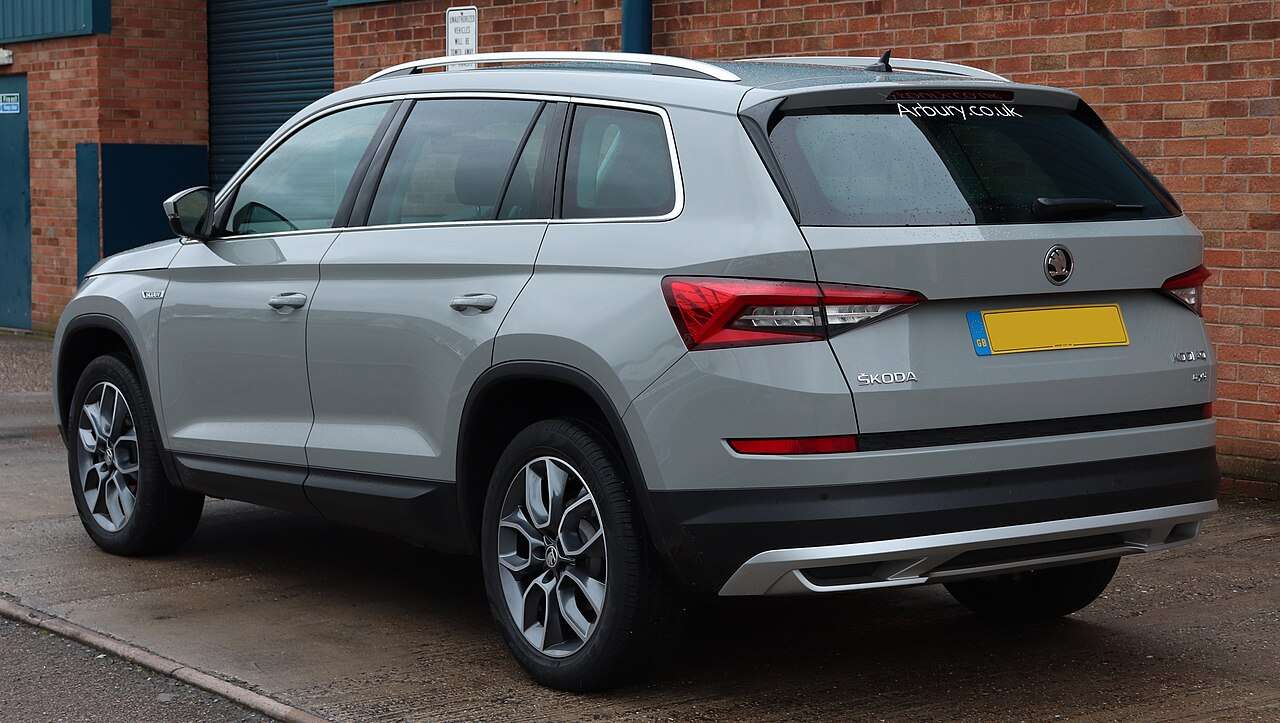
Škoda’s original launch material describes a roughly 4.70-metre SUV with a sliding second row and an optional third row. Its front MacPherson struts and four-link rear suspension, electronically controlled multi-plate 4×4 system where fitted, and available adaptive DCC dampers make it more than a large box on wheels. Those features provide useful capability, but each needs to be identified correctly on a used example.
The original international engine range included 1.4 TSI petrols at 125 and 150 PS, a 180 PS 2.0 TSI, and 2.0 TDI diesels including 150 and 190 PS versions. The more powerful 1.4 used Active Cylinder Technology. Later cars brought the 1.5 TSI and further powertrain revisions. These launch figures do not describe every UK year, trim and gearbox, so use the car’s registration documents and build information rather than an old brochure alone.
| Version family | Why consider it? | What must be established? |
|---|---|---|
| 1.4 TSI | Earlier petrol choice; can offer a lower purchase price. | Exact output, ACT fitment, gearbox, drive layout and timing-maintenance requirements. |
| 1.5 TSI | A useful comparison for mixed family driving. | Cold and warm driveability, manual or DSG identity, service and software history. |
| 2.0 TSI | Greater petrol performance where fuel costs are acceptable. | Correct timing system, cooling condition, DSG and 4×4 application. |
| 2.0 TDI | Long-distance and loaded driving can suit its character. | Emissions-system condition, timing records, transmission and towing suitability. |
Do not assume every automatic uses the same DSG. The original range included six- and seven-speed applications, depending on engine and drive layout, and later combinations changed. The number of gears is useful identification evidence but is not enough to select service parts or an oil interval. Obtain the gearbox code and an exact-car schedule from Škoda or a specialist.
Earlier car or facelift?
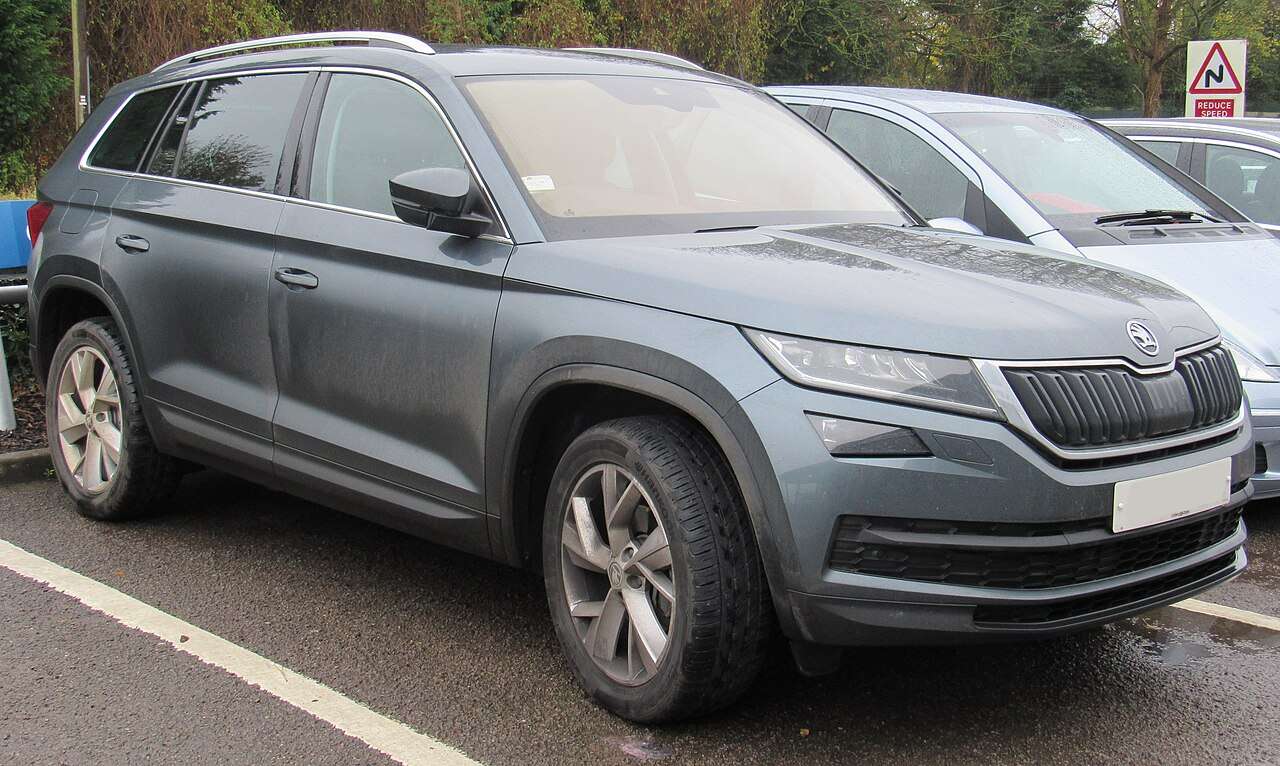
The facelift can appeal for its appearance and equipment, but it should not automatically outrank a carefully maintained earlier car. Compare actual features, condition and invoices. A newer infotainment system or more expensive lighting may be desirable, yet repair exposure and ease of operation matter too. Try the controls you use most while parked and decide whether the extra purchase cost buys you something useful.
Trim names such as SE, SE L, Edition, SportLine, Scout and Laurin & Klement can appear in adverts with different year-specific equipment. Check seating, heated features, cameras, sunroof, electric tailgate, towbar and suspension individually. An online specification list may describe the model family rather than the individual car. Scout styling does not establish that the underside has escaped hard use.
Seven seats, everyday loading and towing
Bring child seats and normal luggage to the viewing. Move the second row through its adjustment, fold and unfold all seatbacks, and check that each latch and belt works. Access to the third row depends on the second-row position and the seats installed there. Do not assume that every advertised seven-seater can accommodate your chosen combination of child restraints and passengers comfortably.
Try the third row with an adult sitting ahead of it, and check foot space, headroom and access. With all seats occupied, inspect what luggage remains possible without blocking visibility or stacking unsecured items. A car that is excellent with five people may be less suitable for seven people plus holiday baggage. Roof storage can help some loads, but introduces its own weight and clearance limits.
Check that the boot floor, luggage cover, tools and any spare-wheel arrangement are present and correct for the specification. Replacement trim and missing accessories can be surprisingly irritating expenses. Operate an electric tailgate repeatedly where fitted, looking for uneven movement, damaged seals or signs it has struck a garage ceiling. Make sure the height setting suits your normal parking space.
For towing, use the specific vehicle’s plated limits, handbook and current licensing requirements. Maximum braked trailer weight, train weight, payload and towball limit are separate considerations; an engine badge is not a towing calculation. A seven-person load can change the available payload materially. Ask an appropriately qualified source if the outfit’s legality or loading is unclear.
Inspect the towbar installation, electrics and evidence of trailer use. Ask what was towed and how often, then examine tyres, rear suspension, brakes and transmission records accordingly. A towing history is not an automatic rejection, but neither is a clean detachable towball proof of light use. Have the socket tested and confirm any required coding and documentation.
Petrol and diesel engine checks
Begin with a cold engine, not one already idling when you arrive. Check oil and coolant safely, inspect around visible housings and hoses for leaks, and observe idle quality and persistent smoke. A test drive should include progressive acceleration and a restart after warming. Hesitation, coolant loss, misfire or warning messages require diagnosis rather than a seller’s reassurance that they are normal.
On a 1.5 TSI, pay particular attention to cold low-speed response, pulling away and gentle acceleration in the conditions you will actually use. Ask about dealer investigations or software work where there has been hesitation. Do not assume every car has a problem or that an update resolves every possible cause. A specific symptom needs a specific explanation and evidence of the outcome.
On petrol versions, compare coolant level with previous invoices for pump, thermostat or hose work. A pink deposit or damp housing can guide inspection but does not establish a diagnosis by itself. Persistent topping-up is not routine ownership. Ask a specialist to pressure-test or investigate where necessary, and distinguish scheduled maintenance from repairs following overheating.
For TDI cars, establish the journey pattern as well as mileage. Sustained trips may suit diesel use better than repeated short journeys, but they do not guarantee a healthy DPF, EGR or SCR system. Check for warning messages, recent emissions repairs, regeneration complaints and loss of power. An AdBlue top-up cannot be assumed to cure a sensor, dosing or system fault.
Love cars you don’t see every day?
Get forgotten cars, surprising motoring stories and the most interesting finds from Unusual Cars by email.
Free to join. No spam. Unsubscribe whenever you like. See our privacy policy.
DSG, manual and 4×4: inspect the complete system
Test a DSG both cold and fully warm, including forward and reverse engagement, parking manoeuvres, gentle acceleration and a normal faster-road run. A dual-clutch transmission can feel different from a torque-converter automatic, but repeated shudder, delayed drive, harsh changes or warnings should not be explained away by that difference. Ask for diagnosis before agreeing a discount based on an assumed service cure.
Obtain invoices for the correct gearbox service where required. The right fluid, filter, procedure and interval depend on the actual application. A generic statement that DSG oil was done, without mileage or details, leaves questions unanswered. A seller who has maintained the engine carefully may still have overlooked the gearbox and four-wheel-drive coupling because they were not included in a basic service.
On a manual, check clutch bite, pedal action, gear selection and driveline noises, then test again when warm. A loaded SUV can expose a worn clutch on hills more readily than a brief solo run. Do not deliberately abuse the transmission to test it. Any slipping, vibration or persistent noise should be assessed by a specialist who can separate clutch, flywheel, mount and gearbox issues.
The Mk1 4×4 system uses an electronically controlled multi-plate clutch to distribute drive to the rear when required. It is not evidence that the car has permanent equal drive at all four wheels. Ask for the coupling’s maintenance history, check for leaks and faults and have its operation assessed properly. A normal dry-road test may not reveal a failure to engage the rear drive.
Inspect all four tyres for matching specification, compatible wear and appropriate sizes. Differences in rolling circumference and poor tyre choices deserve attention on any electronically managed 4×4. Confirm the manufacturer’s requirements rather than applying a rule from another brand. Winter traction and braking depend heavily on tyres; a 4×4 badge does not compensate for cracked or worn rubber.
Suspension, steering, wheels and brakes
Use the viewing to establish whether the ride quality suits you and whether the particular car is healthy. Test over ordinary broken surfaces and a faster road, listening for knocks and watching for vibration. A large wheel package can feel firmer than a more modest one even when nothing is broken. Compare like-for-like before deciding a harsh ride is either normal or defective.
Check wheel rims for inner-edge damage as well as visible kerbing, and measure tyre tread across the width. A clean outer shoulder can hide serious inner wear. Uneven wear may involve pressure, alignment, suspension wear or previous damage; a new pair of tyres does not identify the cause. Ask for alignment records after any significant suspension repair or accident.
If DCC adaptive damping is fitted, try the available modes on the same route and confirm there are no warnings. Obtain replacement quotes for the fitted hardware rather than a conventional damper. Inspection should include leaks, mountings and associated wiring. The system should be a considered equipment choice, especially if your priority is low long-term complexity.
Examine brake discs on both faces where accessible, pad thickness, pipes and hoses, and the electric parking brake’s operation. A heavy family SUV can accumulate a substantial brake bill, particularly if calipers or hardware need attention. On a safe road, check for pulling, vibration and inconsistent pedal feel. Never test emergency systems by deliberately creating a dangerous situation.
Ask the inspector to assess the underside for corrosion, impact damage, fluid leaks and missing undertrays. Pay attention to mounting points, brake pipes, exhaust and the rear-drive components where fitted. Surface ageing and structural deterioration are different findings, and fresh coatings should not prevent an honest assessment. Do not crawl underneath a car supported only by a jack.
Cabin, water ingress and technology
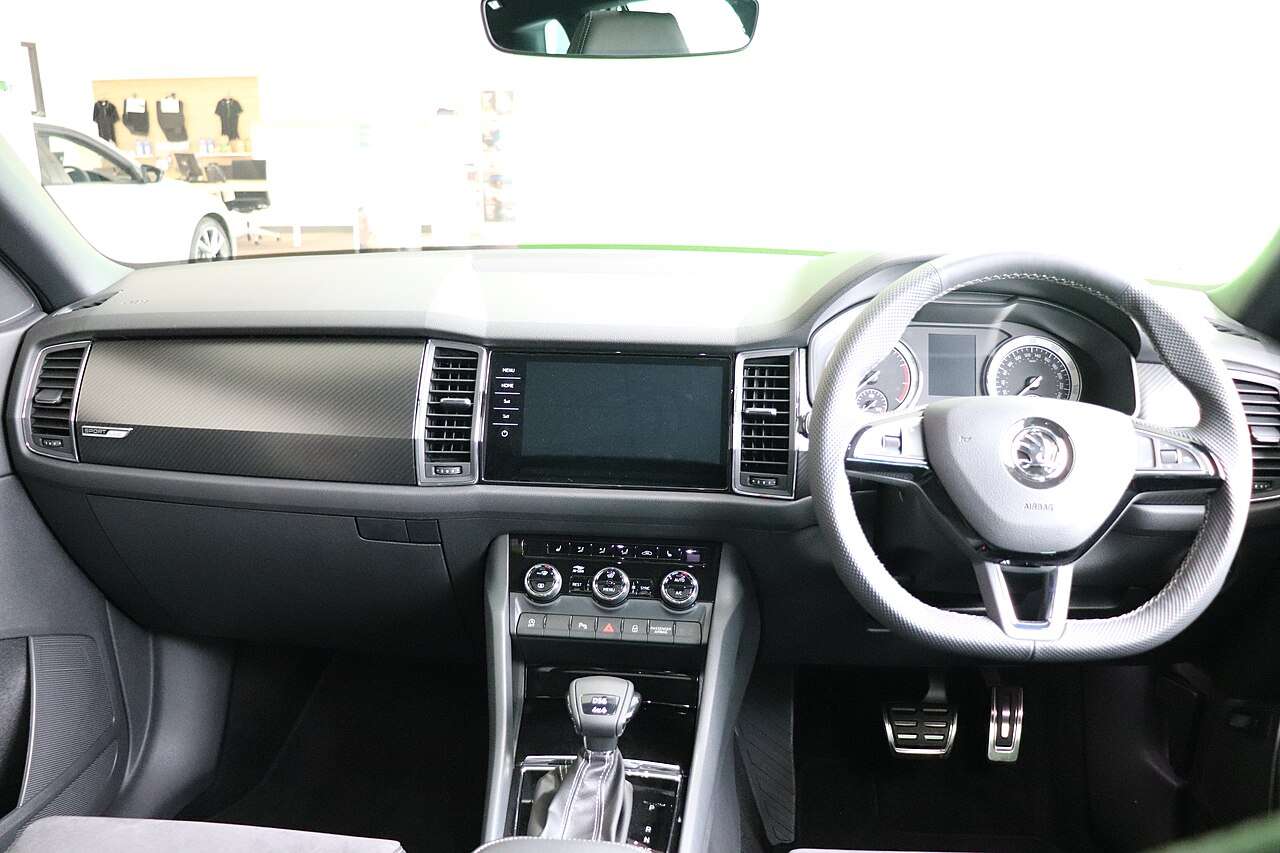
The practical cabin is one of the Kodiaq’s main attractions, so inspect it as carefully as the engine. Fold every seat, move the sliding second row, check belt buckles and inspect the rear seats for damage from repeated child-seat installation. Trim damage may be cosmetic, but a faulty latch or damaged belt is a different matter. Do not assume missing pieces will be easy to source cheaply.
Lift accessible mats and boot-floor panels to look for damp, staining and unusual smells. With a panoramic roof, inspect the headlining and surrounding trim and ask about drainage maintenance or previous leaks. Water may have several entry routes; diagnose before declaring a drain, seal or roof cassette at fault. A dry surface immediately after valeting is not a complete check.
Run climate control at different temperatures and fan speeds, and check the rear controls if fitted. Verify heated seats, demisting and any heated steering wheel. A claim that weak air conditioning needs only a regas should be backed by diagnosis. Include a proper leak check or component quotation where cooling is inconsistent.
Test the screen from a cold start, connect your phone and try navigation, USB sockets, cameras and parking sensors. Subscription-based connected functions may depend on age, market and account arrangements. Check what will remain available to you after purchase rather than assuming the seller’s phone features transfer automatically. Old maps and slow software are practical drawbacks even without a fault code.
Look for warnings from parking assistance, radar, lane systems and lights. Check headlamp condition and operation, and investigate condensation that persists or accompanies a lighting fault. A replacement windscreen or front bumper repair may bring calibration requirements. Ask for documentation and a quotation when required work is unresolved; a clean diagnostic scan cannot prove the alignment of every sensor.
The viewing and road-test checklist
- Confirm identity: engine, gearbox code, drive layout, generation and actual seat count. Compare the VIN, V5C and seller’s details.
- Read the history: engine services, timing requirements, DSG and 4×4 maintenance, recalls, emissions repairs and towing use.
- Start cold: inspect fluid levels safely and observe idle, smoke, noises and warning lights. Do not accept an unexplained warm engine as your only evidence.
- Test the family fit: install child seats, access the third row, load your normal luggage and operate all seat latches.
- Drive until warm: parking, reverse, hills, broken surfaces, a faster road and a warm restart. Repeat transmission checks after warming.
- Inspect underneath: suspension, brakes, pipes, leaks, towbar, exhaust and rear-drive hardware where fitted.
- Scan and diagnose: inspect relevant engine, gearbox, 4×4 and assistance modules with suitable equipment before clearing any faults.
- Price the findings: obtain written exact-car quotes and agree what will be repaired before collection.
Review MOT history for repeated tyre, suspension, brake or emissions advisories, then compare the pattern with invoices. An MOT pass does not confirm timing work, DSG health or a fully functioning 4×4 coupling. A seller’s recent service should be assessed for scope: it may cover oil and a filter while leaving several expensive scheduled jobs untouched.
A professional inspection is particularly valuable where a towbar, warning messages, poor tyres or gaps in history raise questions. Give the inspector a list of concerns in advance, including exact engine and transmission. A general condition check and a specialist diagnosis are not always the same service. Confirm what is included before booking.
What would make us pause?
Unexplained coolant loss, persistent transmission shudder, emissions warnings that keep returning, an uncertain VIN or evidence of serious poor repairs are reasons to stop and investigate. Missing consumable work can be priced; uncertainty about a major powertrain or structural issue can be much harder to contain. The right car should make financial sense after the inspection, not only before it.
Ask for promises in writing. If a dealer will perform a DSG service, repair the air conditioning or replace tyres, specify the parts, standard and completion evidence. A vague assurance that everything will be checked gives you little basis for confirming the work at collection. Reinspect the agreed items and take copies of invoices.
UK maintenance: separate parts, labour and fitted prices
Use the VIN to obtain the current engine, timing, DSG and 4×4 schedules. An oil service is not a complete plan for every component. Record each required task with its last date, last mileage and next due point, then compare that list with the invoices supplied. Where history is missing, obtain professional advice about what should be done now rather than resetting a service reminder and assuming a fresh start.
Listers’ published Škoda fixed-price menu lists an oil service from £209 including VAT and oil and inspection from £255 including VAT, with an additional £12 environmental fee and model-dependent pricing. Those menu starting points are not promises for every Kodiaq, nor do they include every age- or mileage-related item. Confirm the registration-based total and which filters and checks it includes.
For a more specific fitted example, Fixter lists a Kodiaq 1.5 SE timing-belt replacement estimate of £439–£690 and a labour-time estimate of 4 hours 11 minutes to 4 hours 52 minutes. Treat these as published estimates requiring exact-car confirmation. They do not establish that the job is due, identify every additional component or guarantee a price in your postcode.
| Job | Parts or menu evidence | Labour/fitted position |
|---|---|---|
| Oil service | Correct approved oil and engine-specific filter. | Listers from £209 inc VAT plus £12 environmental fee; model-dependent. |
| Oil and inspection | Ask which filters and inspections are included. | Listers from £255 inc VAT plus £12 environmental fee. |
| 1.5 SE timing belt | Kit and pump scope require confirmation. | Fixter £439–£690 fitted estimate; labour time 4h11–4h52, not a labour-only cash quote. |
| 2.0 TDI filters | Example eBay Bosch filter-kit listing £73.99; verify contents and application. | Parts price only. Oil, fitting and disposal may be additional. |
| DSG and 4×4 servicing | Separate gearbox and coupling fluids/components as applicable. | Obtain itemised exact-code quotes; do not apply one universal DSG or Haldex price. |
| Brakes and suspension | Match brake codes and conventional or adaptive dampers. | Request axle/component-specific fitted quotes, including VAT and any seized hardware. |
Do not calculate a labour-only charge by subtracting an unrelated internet kit from a fitted estimate. The garage’s parts, warranty, procedure and included work may differ. Ask for a written split where you need one. The useful comparison is the same complete job, with the same components and warranty, not whichever headline looks smallest.
Typical service-parts table
These model-specific eBay searches support maintenance planning. They can still return vRS, second-generation or otherwise incompatible parts. Confirm the engine and component codes with the fitter, especially for brakes, gearbox service and timing work. Do not assume a seller’s compatibility list overrides the original part reference.
| Service item | eBay search | Fitment check |
|---|---|---|
| Petrol service kit | Compare petrol service kit | Correct engine and oil approval; check oil quantity and included filters. |
| Diesel service kit | Compare diesel service kit | Verify engine code, fuel filter and model year. |
| Timing kit | Compare timing kit | Confirm the exact engine timing system and full job scope. |
| TDI timing and pump kit | Compare tdi timing and pump kit | Pump type and kit contents must match the engine. |
| Petrol spark plugs | Compare petrol spark plugs | Use correct references and quantity. |
| Cabin filter | Compare cabin filter | Check filter dimensions and type. |
| Front brakes | Compare front brakes | Match PR/brake codes and disc dimensions. |
| Rear brakes | Compare rear brakes | Correct electric-parking-brake application. |
| DSG service components | Compare dsg service components | Identify gearbox code before ordering fluid or filter. |
| 4×4 coupling service | Compare 4×4 coupling service | 4×4 only; confirm exact coupling and procedure. |
| 12V battery | Compare 12v battery | Technology, capacity and any battery adaptation must be correct. |
| Alternator | Compare alternator | Match the original reference, output and connector. |
Hidden ownership costs
Several maintenance schedules at once: engine oil, brake fluid, timing components, DSG and 4×4 coupling work may fall due close together. A basic service receipt does not cover them all. Build the first-year budget around the actual dates and mileages and allow a reserve for inspection findings.
Tyres and equipment choices: a full set of quality tyres, wheel repairs and alignment can change the purchase calculation. Adaptive dampers, sophisticated lights, panoramic roof hardware and an electric tailgate add potential repairs. Obtain exact-specification quotes for anything already showing a symptom; do not price an adaptive component using a basic replacement.
Diesel emissions equipment: DPF, EGR, SCR and AdBlue-related diagnosis can be more involved than clearing a warning. An unsuitable journey pattern may continue after purchase, so choose an engine that fits your use. Do not budget on emissions equipment being removed or disabled; assess the car with its required systems intact and working.
Towing and accessories: towbar electrical faults, missing luggage covers, boot trim and seat components should be included in negotiations. Roof boxes and carriers need appropriate load-limit checks. Payload does not become unlimited because the car is large, and an accessory can consume part of it.
Insurance and tax: quote the actual registration, intended towing and declared modifications before committing. Check current vehicle tax with the official enquiry and confirm any age-dependent additional charge where applicable. Historic road-tax figures in adverts can be misleading. Keep funds for an inspection and unexpected repairs rather than spending the whole budget on purchase.
Frequently asked questions
Is petrol or diesel the better Kodiaq?
Compare petrol for mixed family use and diesel for an appropriate longer-distance workload. Calculate likely fuel use, maintenance and purchase price together. A diesel with neglected emissions equipment is not automatically economical, while a petrol’s real-world consumption depends on load and route.
Does every Kodiaq have seven seats?
No. Inspect the actual seat installation and registration details. Try the access and luggage space with the third row in use before deciding it meets your needs. Missing seats or an advert’s copied equipment list are not proof of a seven-seat specification.
Does every DSG use the same service interval?
No universal interval should be applied across the range. Identify the gearbox code and obtain the current schedule. Confirm the required fluid, filters and procedure, then compare that requirement with dated invoices.
Is a 4×4 essential?
Only if its capability fits your use. It adds maintenance and components, and it cannot compensate for poor tyres. Check the coupling history and actual operation, especially if you are paying a premium for it.
Should the vRS be included in this purchase comparison?
It can be considered if performance is a priority, but its engine, equipment and running-cost questions deserve separate treatment. Use our existing vRS guide alongside this article rather than treating the sportiest version as mechanically identical to a mainstream TDI or TSI.
The final purchase decision
A good Kodiaq Mk1 is a practical family tool with a specification chosen for your real workload. Establish the actual seat count, engine, transmission and drive layout, then verify the history of each system. Choose the car that passes a cold-to-hot assessment and an appropriate inspection, with enough money left for its next scheduled work. Space and equipment are useful only when the underlying car is sound.
Škoda Kodiaq Mk1 cars for sale
Compare current asking prices, then verify the generation, engine, gearbox, history and condition. Advertisements can be misclassified; auction bids are not completed-sale values.

Love cars you don’t see every day?
Get forgotten cars, surprising motoring stories and the most interesting finds from Unusual Cars by email.
Free to join. No spam. Unsubscribe whenever you like. See our privacy policy.