The E34 BMW 540i placed a modern four-litre V8 into one of the company’s most solidly engineered saloons. Less celebrated than the M5 but effortless, discreet and exceptionally fast, it became one of the finest sleepers of the 1990s.
1. It marked the return of the BMW V8
BMW introduced its new M60 V8 family in the early 1990s after decades focused on six-cylinder engines. The 540i’s 3,982cc M60B40 used four camshafts, 32 valves and modern engine management, producing 286PS with exceptional smoothness.
2. It was only just below the M5
BMW positioned the 540i as the comfort-oriented flagship, while the M5 remained the sharper hand-built performance model. In straight-line driving the V8 car was extremely close, delivering its speed with less effort and a substantially quieter personality.
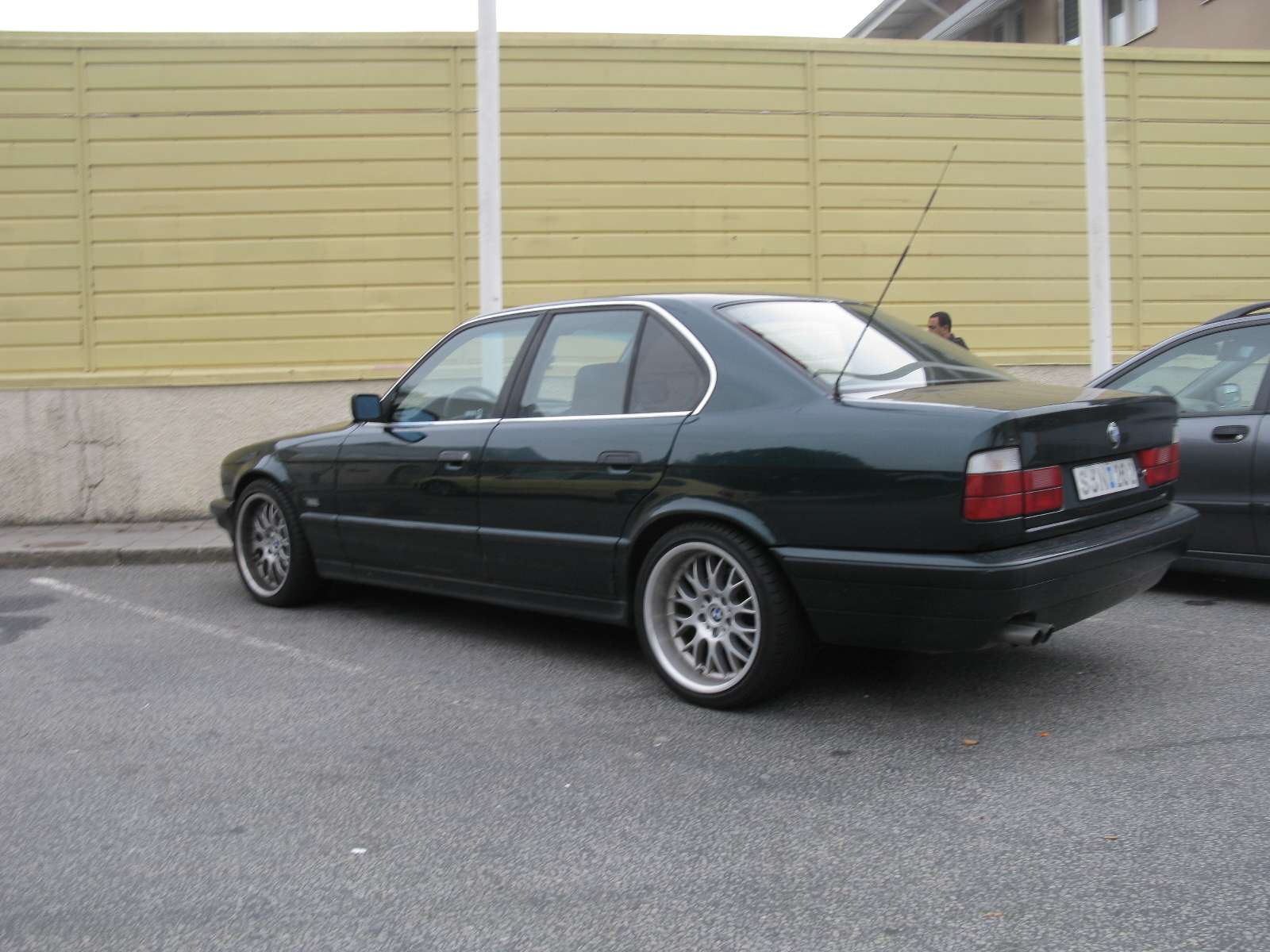
3. A six-speed manual made it special
Most 540i saloons used a five-speed automatic, but BMW offered a six-speed manual whose gearbox would later be associated with other high-performance models. Manual E34 540is are rare and highly desirable because they combine V8 torque with direct driver involvement.
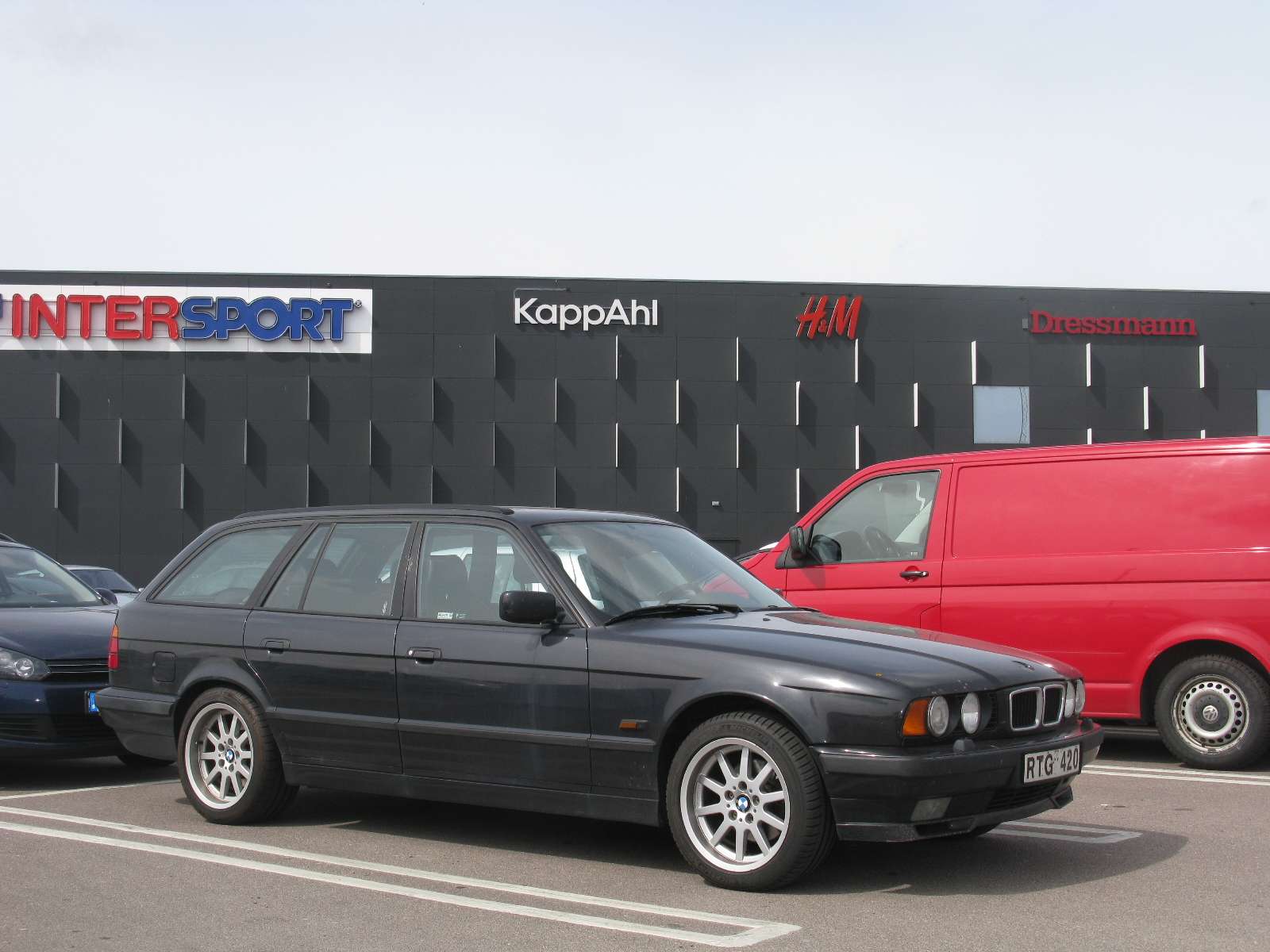
4. There was a 540i Touring
The E34 was the first 5 Series available as a factory Touring estate. The 540i Touring added V8 power to BMW’s clever split tailgate and self-levelling rear suspension, creating an exceptionally fast and practical car produced in much smaller numbers than the saloon.
Love cars you don’t see every day?
Get forgotten cars, surprising motoring stories and the most interesting finds from Unusual Cars by email.
Free to join. No spam. Unsubscribe whenever you like. See our Privacy Policy.
5. The factory quoted 155mph
BMW limited the 540i to 250km/h, or 155mph, while acceleration to 62mph took roughly six and a half seconds in manual form. Those figures placed an outwardly restrained executive saloon firmly in serious sports-car territory.
6. The chassis received more than an engine swap
V8 cars used a wider front track, stronger driveline components, larger brakes and suitably revised suspension. BMW engineered the 540i as an integrated flagship rather than simply placing a large engine into a standard 5 Series shell.
7. Special Sport versions blurred the M5 boundary
Late UK 540i Sport cars combined the V8 with M-Technic suspension, body styling, sports seats and desirable wheels. North America received a limited 540i M-Sport package. Specifications differ, so originality and market identity require careful checking.
8. The M60’s bore material became controversial
Many M60 engines used Nikasil-coated cylinder bores. High-sulphur fuel could damage the coating and cause poor compression, particularly in some markets during the 1990s. Many affected engines were replaced under warranty, and a compression or leak-down test remains sensible today.
9. BMW built more than 24,000
BMW Group Classic records 24,025 examples and production from 1992 to 1996. That made the 540i successful for an expensive flagship, though manuals, Tourings and genuine Sport variants account for only small portions of the total.
10. Rust can matter more than the V8
Sills, jacking points, wheelarches, doors, boot edges and suspension mounting areas demand inspection. Cooling-system health, timing-chain guides, automatic gearboxes and neglected suspension also matter, but repairing a structurally poor shell can eclipse every mechanical bill.
Why it matters
The E34 540i matters because it combined old-school BMW solidity with a new generation of multi-valve V8 engineering. It is fast enough to feel modern, discreet enough to surprise and increasingly recognised as more than an M5 substitute.
Join the Unusual Cars Club
Get more forgotten performance cars, surprising motoring stories and new 10 Things articles by email.
Free to join. No spam. Unsubscribe whenever you like. See our Privacy Policy.