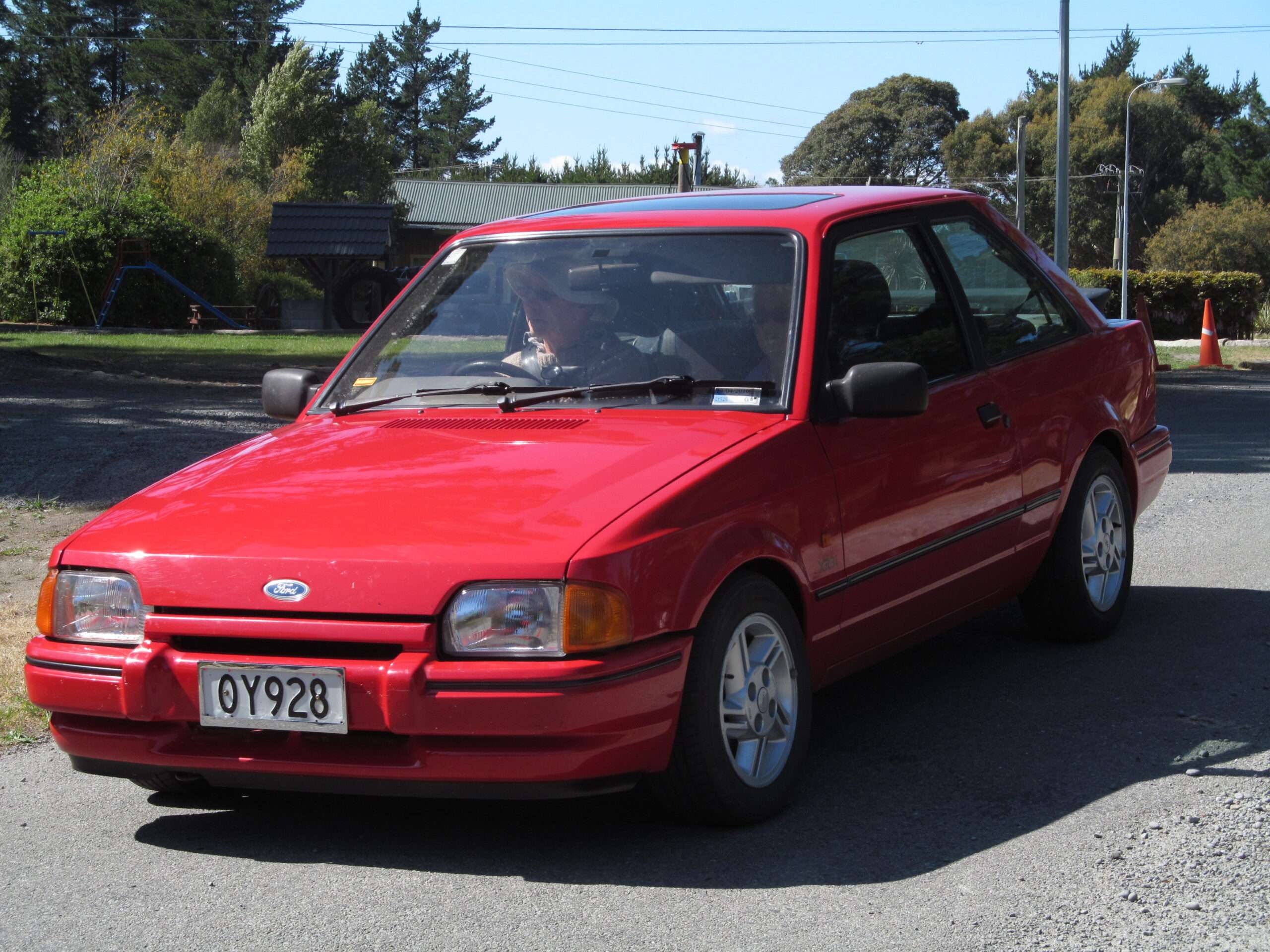
The Mk4 Ford Escort XR3i was one of the defining sporting hatchbacks of late-1980s Britain. Familiar enough to be seen on almost every high street yet aspirational enough to dominate bedroom walls and company-car lists, it sold an image as effectively as it sold performance.
1. It was really a heavily revised Mk3
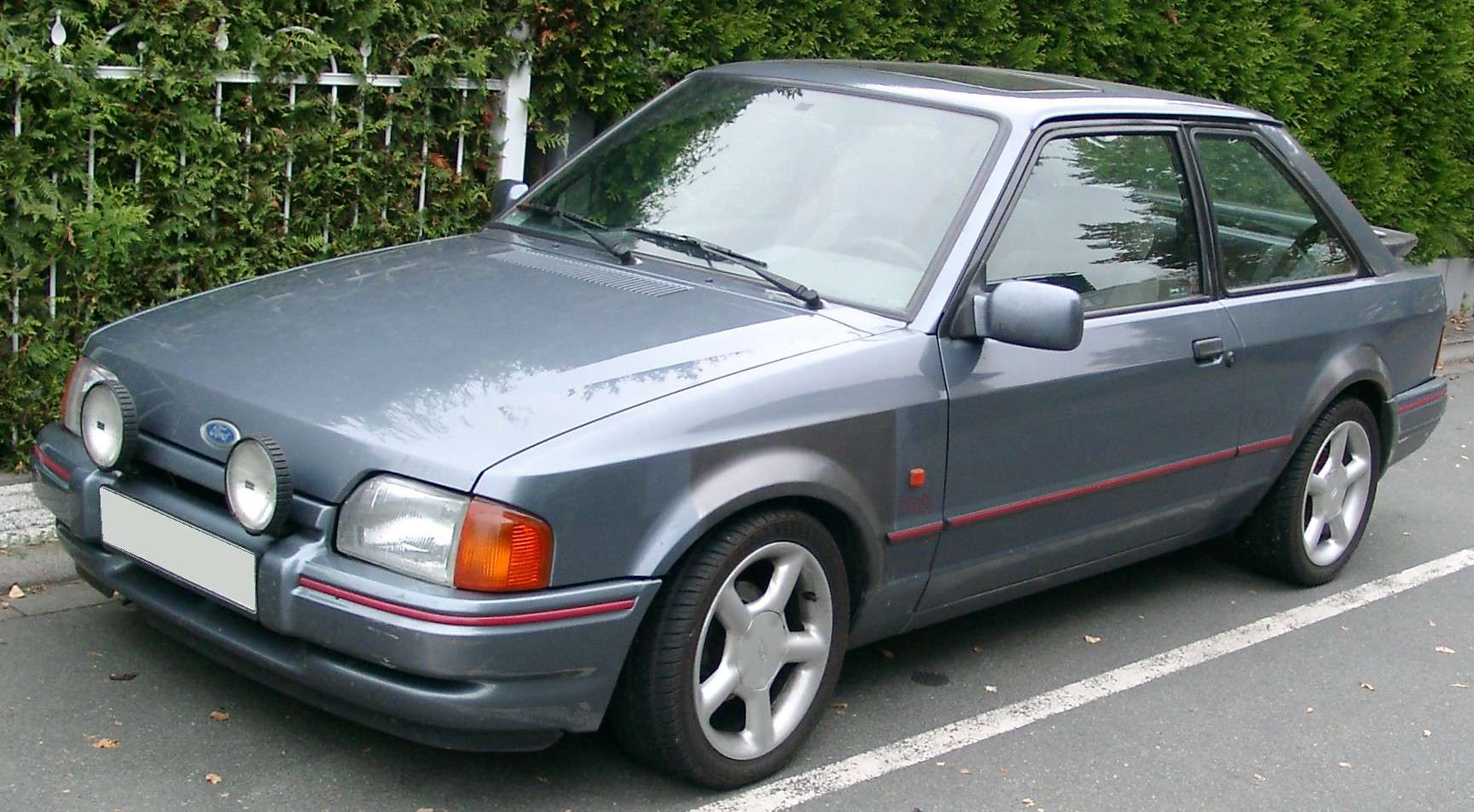
Ford called the 1986 Escort a new generation, but the Mk4 retained the basic front-wheel-drive platform introduced in 1980. The smoother nose, flush headlamps, new rear treatment and redesigned cabin made it look substantially fresher while allowing Ford to evolve a proven and extremely successful package.
2. The XR3i kept the CVH engine
Under the bonnet sat Ford’s 1,597cc CVH four-cylinder engine with Bosch fuel injection. In early Mk4 form it produced roughly 105bhp. That sounds modest now, but the Escort’s relatively low weight and close gearing produced lively real-world performance and a distinctive, slightly hard-edged character.
3. It was assembled in both Germany and Britain
European Escort production was shared between Saarlouis in Germany and Halewood in Britain. Small trim and specification differences can intrigue marque specialists today, while the continued use of Halewood helped make the XR3i feel like a genuinely British performance-car fixture despite Ford of Europe’s international structure.
4. The makeover was about refinement as much as speed
Compared with the angular Mk3, the Mk4 gained a more aerodynamic nose, improved cabin materials and numerous detail changes intended to reduce noise and make everyday driving easier. It was never the sharpest hot hatch, but its blend of image, usability and dealer support was exceptionally persuasive.
Love cars you don’t see every day?
Get forgotten cars, surprising motoring stories and the most interesting finds from Unusual Cars by email.
Free to join. No spam. Unsubscribe whenever you like. See our Privacy Policy.
5. The 90-spec cars were meaningfully different
For the 1990 model year Ford introduced a colour-coded rear spoiler, revised bumpers and trim, updated wheel designs and other detail changes. These late cars are often called 90-spec models and have become especially desirable because they capture the most polished version of the Mk4 appearance.
6. Not every XR3i used the same injection system
During the model’s life Ford moved between Bosch K-Jetronic mechanical injection and later electronic systems in different markets and production periods. That matters to restorers because the components, diagnosis and driving behaviour are not identical, even when the badge on the tailgate is the same.
7. A cabriolet became part of the XR3i identity
Karmann built the open Escort in Germany, and the XR3i Cabriolet became one of the era’s most recognisable convertibles. Extra strengthening and roof hardware added weight, so it was not the quickest XR3i, but its combination of four seats, electric roof availability and visual impact proved hugely popular.

8. The RS Turbo deliberately sat above it
Ford kept the XR3i as the attainable sporting Escort while the turbocharged RS occupied the more serious performance position. That hierarchy helped the XR3i sell in much larger numbers and explains why it became the car many enthusiasts actually owned, borrowed or desperately wanted during the period.
9. Insurance and theft shaped its reputation
Fast Fords became magnets for theft and joyriding during the late 1980s and early 1990s. Rising insurance costs pushed many young drivers away, while surviving cars were frequently modified, crashed or broken for parts. Original, correctly trimmed examples are consequently far scarcer than their production success suggests.
10. Condition now matters more than specification
Rust can affect the battery tray, rear arches, sills, floor, suspension mounts and areas hidden by body trim. Worn CVH engines, tired injection equipment and non-original modifications also demand care. A sound shell and complete history are usually more valuable than chasing a particular colour or option.
Why it matters
The Mk4 XR3i matters because it was not an obscure homologation special; it was a performance car embedded in ordinary British life. Its shape, badge and exhaust note can trigger memories in a way that many faster and rarer cars never will.
Join the Unusual Cars Club
Get more forgotten performance cars, surprising motoring stories and new 10 Things articles by email.
Free to join. No spam. Unsubscribe whenever you like. See our Privacy Policy.