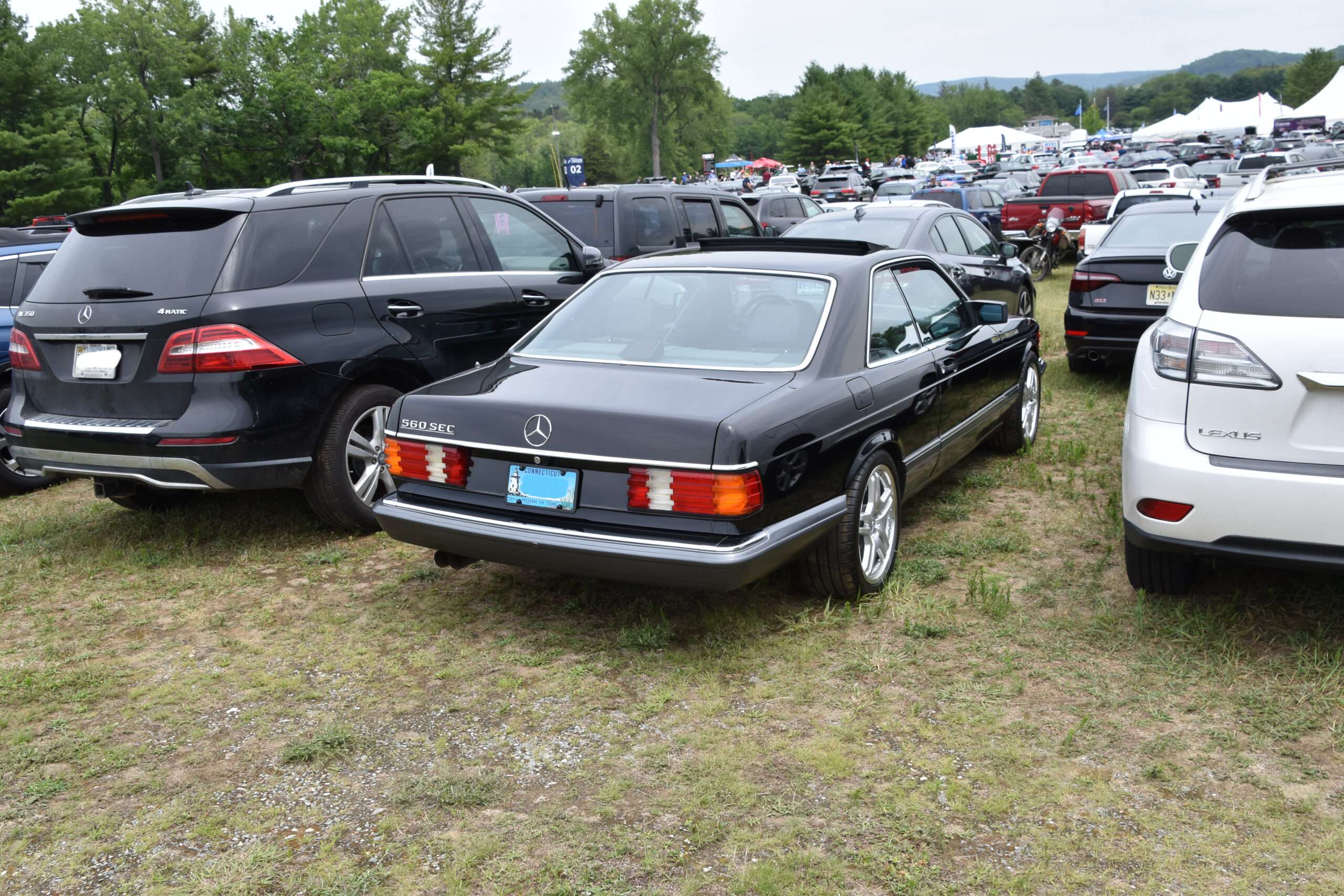
The Mercedes-Benz 560 SEC was the ultimate factory version of the C126 S-Class Coupé: pillarless, immensely expensive and powered by the largest V8 in the range. Its quiet authority later made it a favourite of celebrities, tuners and collectors.
1. C126 identified the coupé rather than the saloon
The related S-Class saloon was coded W126, while the two-door SEC used C126. It shared much of the saloon’s engineering but had a shorter wheelbase, completely different roof and body structure, and the elegant pillarless side opening that defined its appearance.
2. The 560 arrived with the 1985 facelift
Mercedes introduced the 560 SEC during the major 1985 update. Revised bumpers, smoother lower cladding, larger wheels and updated engines modernised the range, while the new flagship gave the coupé the performance its imposing body had always promised.

3. European engines could approach 300PS
Output varied according to market, emissions equipment and compression ratio. The strongest European specification produced about 300PS, while catalyst-equipped and North American cars made less. This explains why apparently identical 560 SECs can have noticeably different published figures.
4. It was limited electronically to 155mph
In full European form the 5.5-litre V8 could push the SEC to the 250km/h limit increasingly adopted by German manufacturers. Acceleration was effortless rather than dramatic, suiting a car engineered to cover immense distances without noise or strain.
Love cars you don’t see every day?
Get forgotten cars, surprising motoring stories and the most interesting finds from Unusual Cars by email.
Free to join. No spam. Unsubscribe whenever you like. See our Privacy Policy.
5. The seats presented their own belts
Because the B-pillars sat far behind the front occupants, Mercedes used electrically operated belt presenters to bring the seat belts within reach. It was a small but memorable solution to a problem created by the dramatic pillarless body.
6. Its body was designed with safety in mind
The C126 inherited the W126 generation’s strong passenger cell, controlled deformation and anti-lock braking availability. Mercedes also used lightweight materials and carefully engineered bumpers, demonstrating that a luxury coupé could combine elegance with the company’s intensive safety programme.
7. Pre-merger AMG versions were not factory Mercedes models
AMG was still an independent tuning company during the C126 era. It offered suspension, bodywork, wheels and heavily modified V8 engines, including four-valve conversions often nicknamed Hammer. Genuine period AMG cars are rare, valuable and frequently imitated.
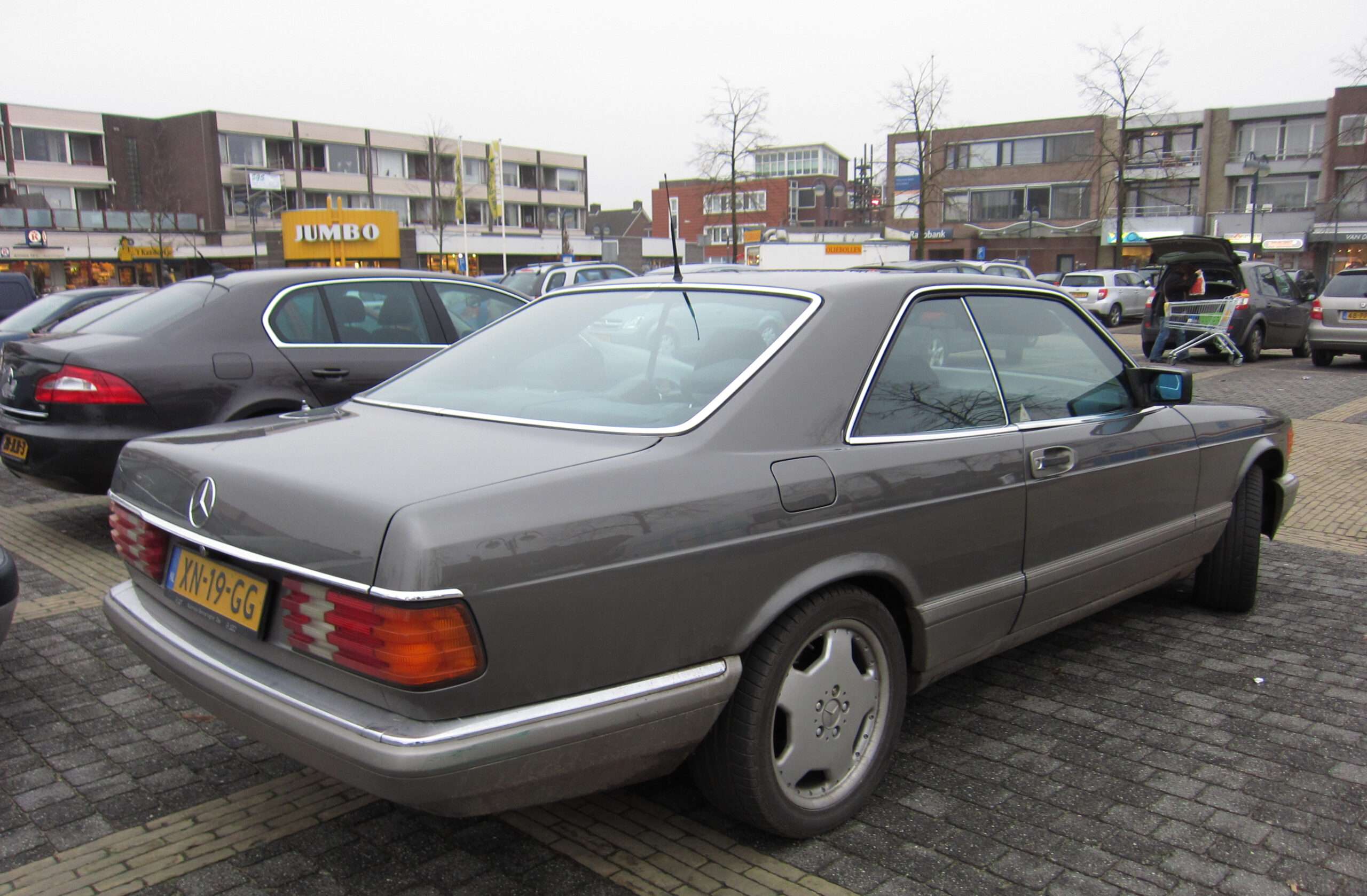
8. Almost 29,000 560 SECs were built
Mercedes produced 28,929 examples of the 560 SEC, while total C126 production exceeded 74,000. It was expensive but not vanishingly rare when new; attrition, rust, neglected maintenance and questionable modifications have reduced the number of truly excellent cars.
9. The cabin avoided unnecessary fashion
Wood, leather, deeply padded seats and clear instruments created an interior intended to age slowly. Equipment was generous, but the design remained recognisably functional. That restraint is one reason a preserved SEC can still feel special rather than merely old.
10. Cheap purchase prices created expensive problems
Timing-chain guides, fuel injection, climate control, self-levelling suspension, bulkhead corrosion and neglected body seals can generate daunting bills. Verifying structure, maintenance and originality is far more important than buying the cheapest car with shiny paint and AMG-style wheels.
Why it matters
The 560 SEC matters because it captures Mercedes at its most over-engineered and self-assured. It was fast without shouting, luxurious without gimmicks and distinctive without sacrificing the durability expected of an S-Class.
Join the Unusual Cars Club
Get more forgotten performance cars, surprising motoring stories and new 10 Things articles by email.
Free to join. No spam. Unsubscribe whenever you like. See our Privacy Policy.