The third MR2 traded the previous car’s grander coupé shape for a light, mid-engined soft-top. It was a reset for Toyota’s two-seater, and some of its decisions still surprise people.
1. It brought back the original emphasis on lightness
Toyota’s final MR2 was smaller and lighter than the outgoing SW20. The new body put more emphasis on quick response and easy open-air driving than on the previous car’s wider spread of powertrain options.
2. Toyota used three names
Britain knew it as MR2 Roadster, North America called it MR2 Spyder, and Japan sold it as MR-S. The ZZW30 model code is useful when comparing cars and parts across those markets.
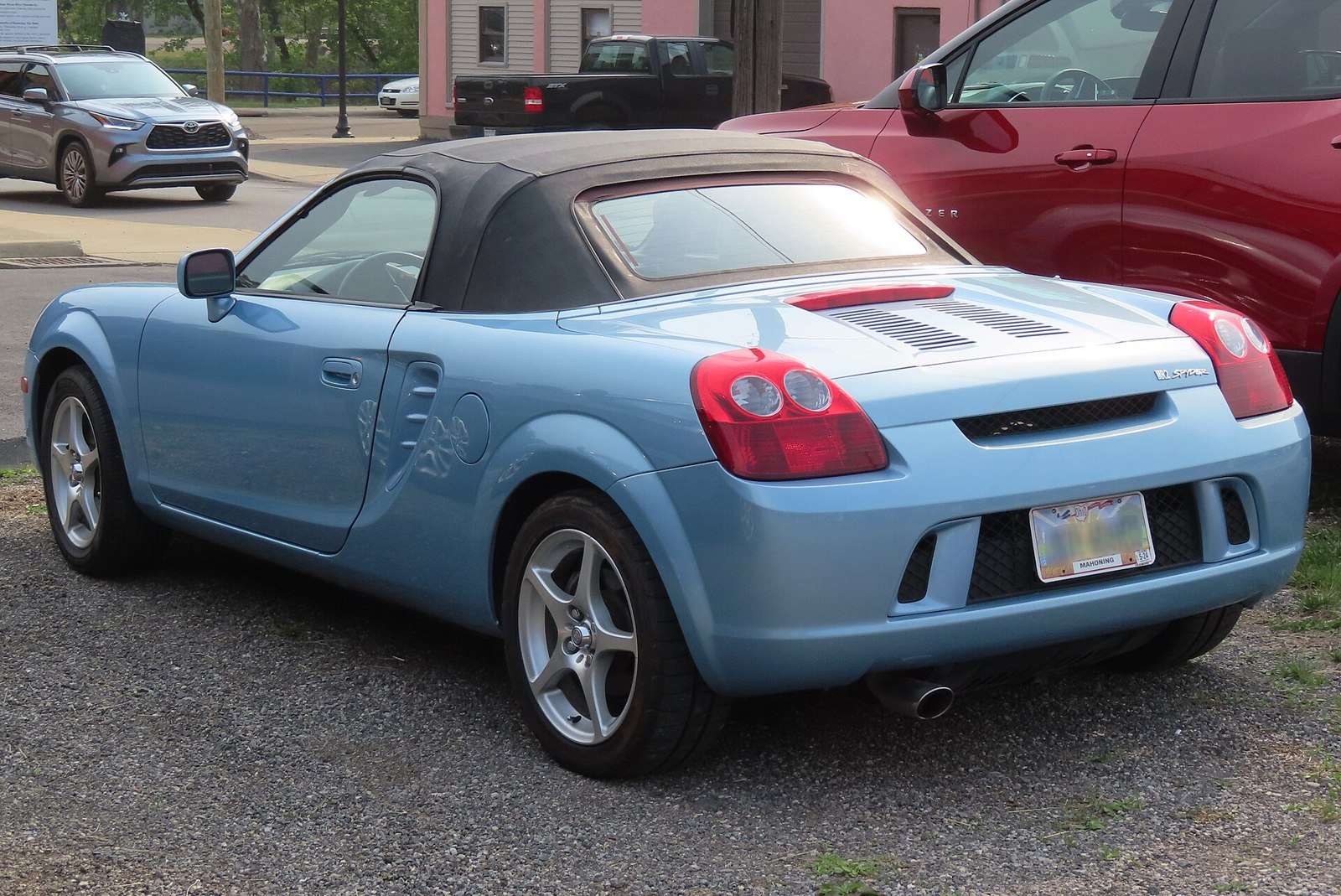
3. Its soft-top was central to the design
The earlier MR2s could be found with removable roof panels, but the Mk3 was designed from the start as a convertible. Toyota engineered the open shell accordingly and offered a removable hardtop for owners who wanted one.
4. The engine was installed behind the driver
The aluminium 1.8-litre 1ZZ-FE used VVT-i and produced about 138 bhp in UK launch trim. Toyota kept the engine ahead of the rear axle, maintaining the mid-engined layout of both earlier MR2 generations.
Love cars you don’t see every day?
Get forgotten cars, surprising motoring stories and the most interesting finds from Unusual Cars by email.
Free to join. No spam. Unsubscribe whenever you like. See our Privacy Policy.
5. Luggage went behind the seats
The engine takes up the space where a conventional roadster might put a boot. Toyota provided covered storage behind the seats and a smaller front compartment shared with other equipment. Soft bags make better use of the space.
6. The tyres told you which end did the driving
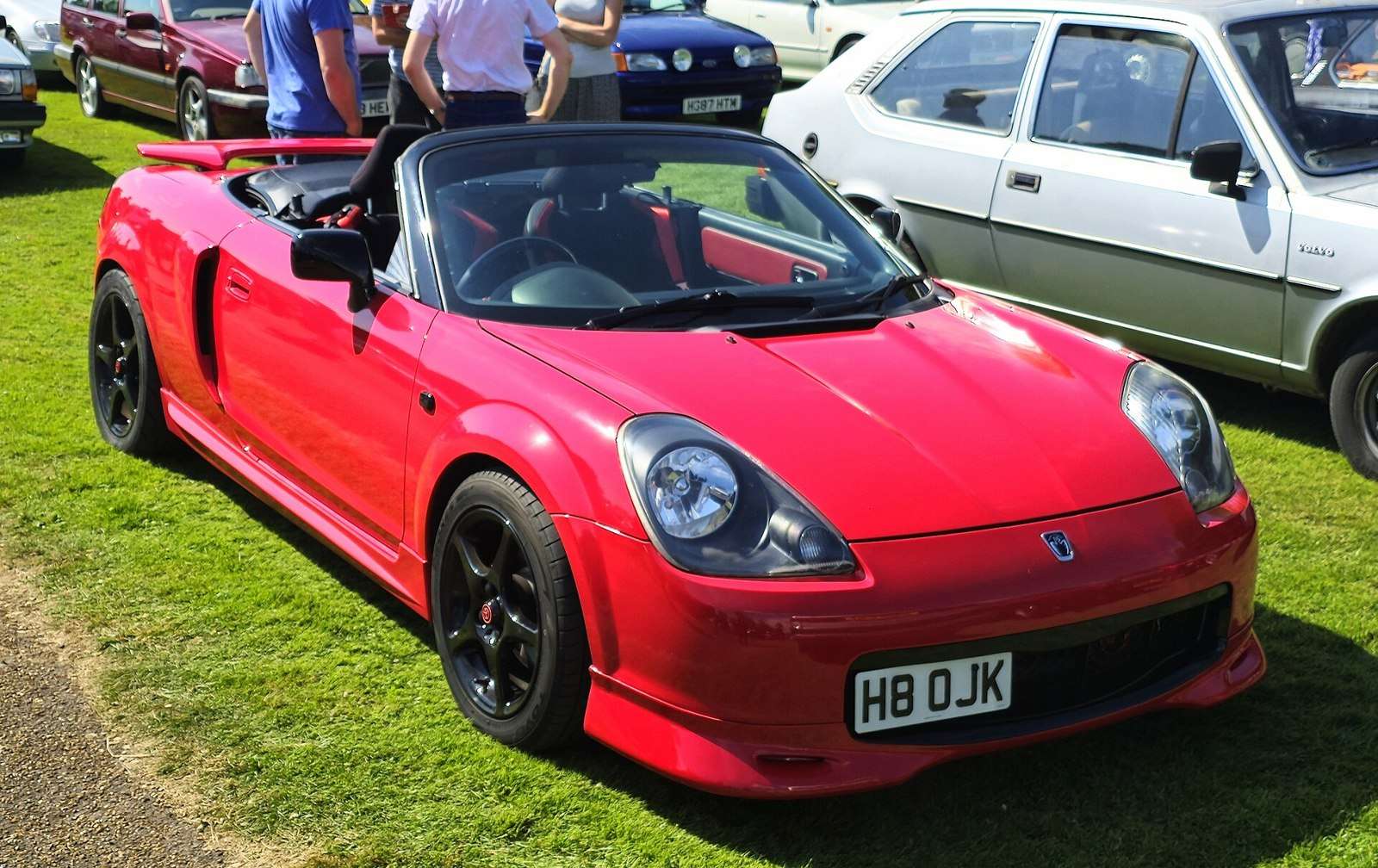
Toyota fitted wider tyres at the rear than at the front. That stagger was a deliberate part of the handling balance and is worth checking when an older car wears a set of aftermarket wheels.
7. It started with five manual ratios
The launch car used a five-speed manual. The UK facelift brought a six-speed manual, so familiar bodywork and the same headline power figure can hide a worthwhile gearbox difference.
8. The sequential gearbox still had a clutch
Toyota’s optional SMT automated clutch and gear selection in a manual-derived gearbox. Drivers could request shifts without a clutch pedal, a very different feel from a conventional torque-converter automatic.
9. Toyota’s launch claim was 7.9 seconds to 62 mph
That figure shows what low mass did for a modest naturally aspirated engine. Claimed top speed was 130 mph, but the more distinctive story was agility and response at everyday speeds.
10. It ended a three-generation run
Official UK sales finished in 2006. The sequence makes the Roadster especially interesting alongside the wedge-shaped AW11 and rounded SW20: Toyota tried three quite different ways to build a compact mid-engined sports car.
Explore more 10 Things articles
Browse the Unusual Cars 10 Things hub.
Sources and further reading
Featured image: Toyota MR2 Spyder, the North American version of the Mk3 Roadster. Photo by MercurySable99 via Wikimedia Commons (CC BY-SA 4.0, resized).
Join the Unusual Cars Club
Get more forgotten performance cars, surprising motoring stories and new 10 Things articles by email.
Free to join. No spam. Unsubscribe whenever you like. See our Privacy Policy.