The first Volvo S40 T4 was a compact, discreet saloon with 200bhp at a time when that figure still sounded serious. Its Dutch production, Mitsubishi connections and touring-car image made it one of Volvo’s most unusual performance models.
1. It was built in the Netherlands
The S40 and V40 were produced at NedCar in Born rather than in Sweden. The factory was jointly connected to Volvo, Mitsubishi and the Dutch state, giving the compact Volvo a manufacturing story quite different from the larger 850 and S70 ranges.
2. It shared a project with the Mitsubishi Carisma
Volvo and Mitsubishi developed their own cars around a common industrial programme and basic platform. The S40 was not simply a rebadged Carisma: styling, engines, suspension tuning, safety engineering and interiors were distinct, but shared production created useful economies.
3. The T4 made 200bhp from less than two litres
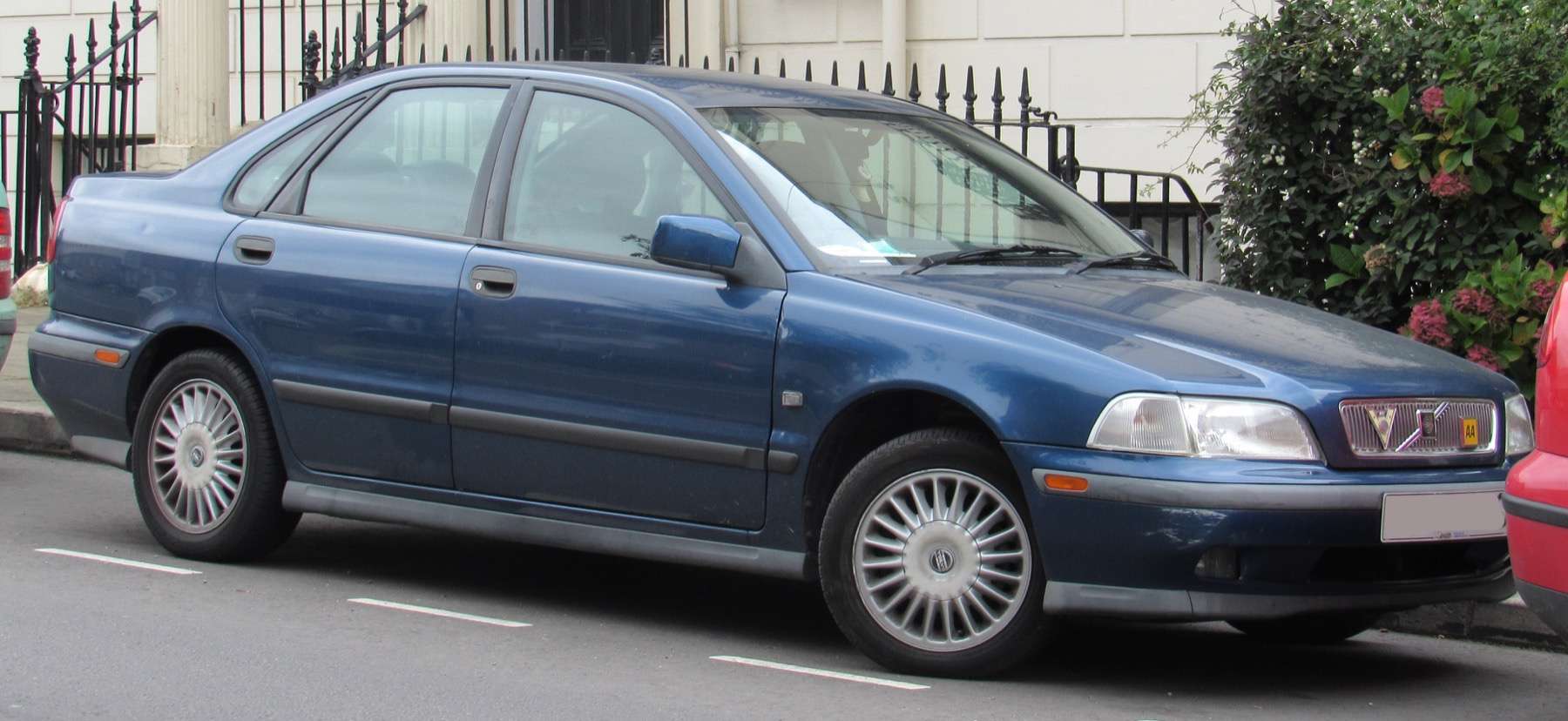
Early T4s used a 1,855cc turbocharged four-cylinder producing 200bhp and about 300Nm. Later versions grew to 1,948cc while maintaining the same headline output, with revisions intended to improve drivability, emissions and durability.
4. All that power went through the front wheels
There was no four-wheel-drive T4. A manual gearbox, turbocharged torque and front-wheel drive made full-throttle acceleration entertaining, especially on wet roads. Correct tyres, healthy suspension bushes and sympathetic boost delivery are central to the experience.
Love cars you don’t see every day?
Get forgotten cars, surprising motoring stories and the most interesting finds from Unusual Cars by email.
Free to join. No spam. Unsubscribe whenever you like. See our Privacy Policy.
5. The S40 name was a late decision
Volvo originally intended to call the cars S4 and F4, but Audi’s established S4 name forced a rethink. The saloon became S40 and the estate V40, creating a naming structure that Volvo would use for decades.
6. A British Touring Car title transformed its image
Rickard Rydell won the 1998 BTCC drivers’ championship in an S40. The racing car shared little mechanically with the road-going T4, but the visual connection gave Volvo’s compact saloon genuine sporting credibility after the famous 850 estate racing campaign.
7. The T4 was more discreet than most rivals
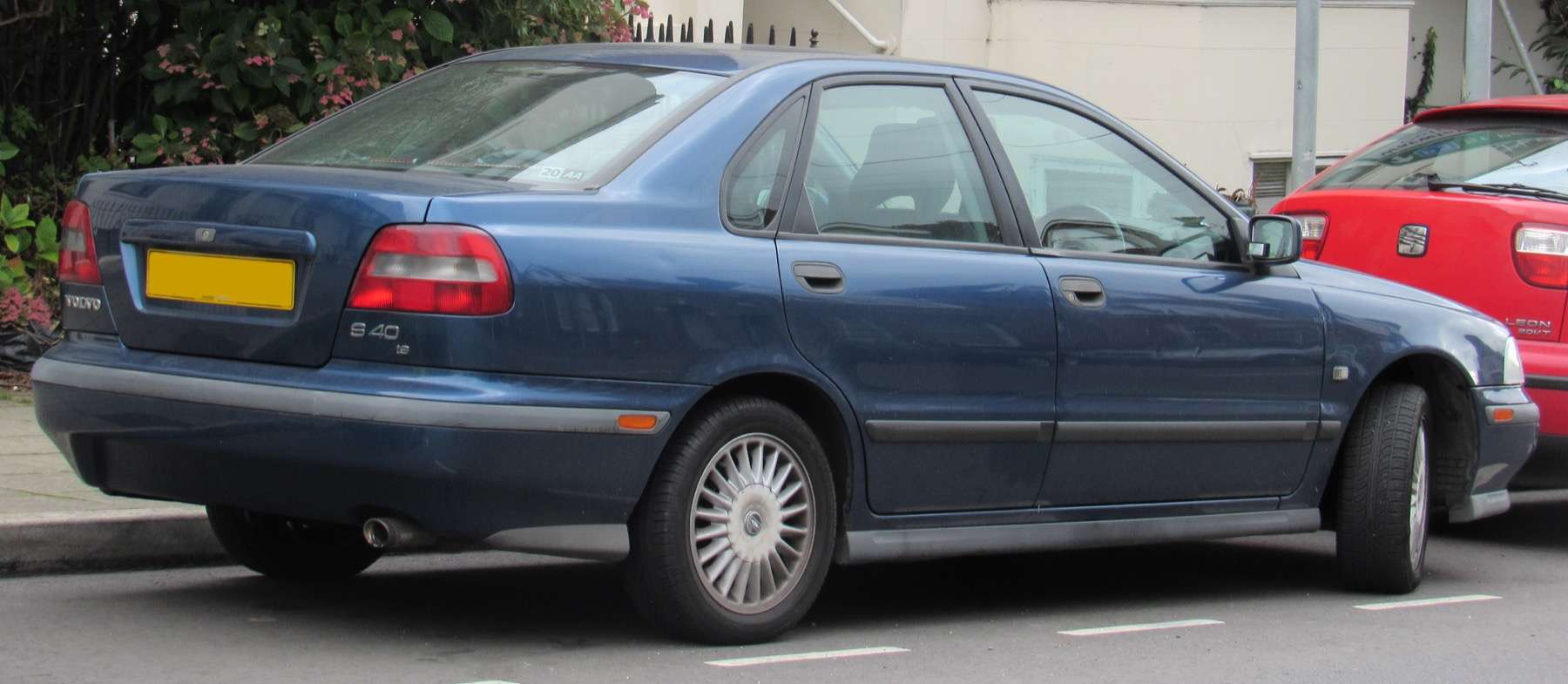
Small badges, modest wheels and conservative colours allowed the T4 to pass for an ordinary company car. Its 200bhp output exceeded many contemporary hot hatches, making it an effective sleeper long before understated turbo saloons became fashionable again.
8. Volvo considered it part of a performance lineage
Volvo’s own heritage material described the T4 as a worthy successor to cars including the PV544 Sport, P1800 and 240 Turbo. That is a bold claim, but it shows the significance the company attached to its new compact flagship.
9. The Phase 2 cars were extensively revised
A 2000 update brought changes to suspension, steering, track widths, engines, electronics, styling and cabin details. Although the shape remained familiar, Volvo addressed much of the early car’s nervous ride and torque-steer behaviour.
10. Neglect hides behind low purchase prices
Turbochargers, crankcase ventilation, timing belts, engine mounts, front suspension and electrical systems require evidence of maintenance. Rust and accident repairs also deserve attention. Complete, standard T4s are difficult to find because values once made modification and deferred repairs tempting.
Why it matters
The S40 T4 matters because it combined Volvo safety and restraint with genuinely serious turbocharged performance. The BTCC association brought buyers to the showroom; the anonymous speed gave the road car a character of its own.
Join the Unusual Cars Club
Get more forgotten performance cars, surprising motoring stories and new 10 Things articles by email.
Free to join. No spam. Unsubscribe whenever you like. See our Privacy Policy.