The Audi 90 quattro 20V sounded special long before it looked fast. The 2.3-litre version put a naturally aspirated five-cylinder and four-wheel drive into one of Audi's more discreet saloons.
1. The 90 was the upmarket member of the pair
The closely related B3 Audi 80 and 90 wore the same basic shape. Audi used the 90 to offer higher specifications and, in its most interesting versions, five-cylinder engines.
2. Five cylinders made 20 valves
Each cylinder in the 20V head had four valves. It was a natural way for Audi to give its familiar inline five more breathing capacity without changing the number of cylinders.
3. The 2.3 made 125 kW
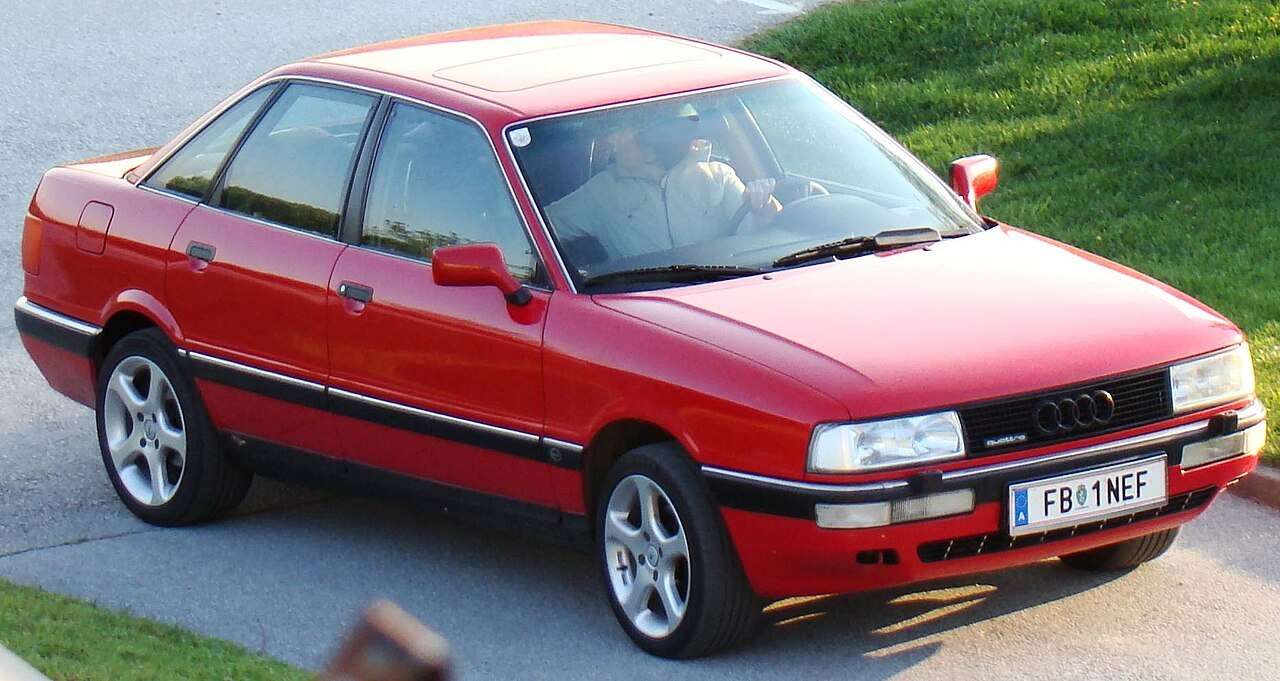
Audi's 1988 annual report gives 125 kW, or 170 PS, for the top 90 quattro 20V. Quoting the factory number in kW or metric horsepower avoids the small difference between PS and imperial bhp.
4. The engine did it without a turbo
The 20-valve 2.3 made its output through displacement, valve gear and engine management. It offered the distinctive five-cylinder soundtrack in a car whose performance did not depend on boost.
Love cars you don’t see every day?
Get forgotten cars, surprising motoring stories and the most interesting finds from Unusual Cars by email.
Free to join. No spam. Unsubscribe whenever you like. See our Privacy Policy.
5. Not every 20V was a 2.3
Contemporary Audi literature and price lists also record a 2.0-litre 20V in some markets. That is why the engine code matters when comparing badges. The 2.3 is commonly identified as the 7A.
6. Quattro tells you about the transmission
The 90 quattro drove all four wheels. Audi also offered 90s with other drivetrains, so the 90 badge, engine label and quattro badge each tell you a different part of the specification.
7. This was a four-door story
The swooping B3 Coupé was another way to get Audi's five-cylinder character. The 90's contribution was to make the same engineering idea work in a conventional saloon with four doors and a separate boot.
8. The B3 brought a cleaner shape
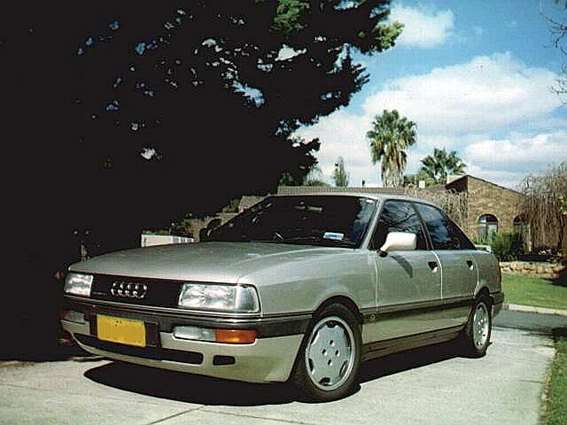
The softly rounded nose and flush styling marked a clear break from the squarer earlier 90. At a glance the new styling did far more to define the car than the 20V badge.
9. Rallying was in Audi's engineering pitch
Audi's annual report explicitly pointed to rally use when discussing its four-valve technology. Its road-going 90 shows how Audi took a technical idea with competition credibility and put it in a car meant for daily use.
10. The country of sale matters
Period catalogues differ by market, and their combinations of outputs, engine sizes and trim names can vary. The European 2.3 quattro advertised at 125 kW is the reference point here.
10 Things You Probably Didn’t Know About the Audi S2 Coupé.
Explore more 10 Things articles
Browse the Unusual Cars 10 Things hub.
Sources and further reading
- Volkswagen Group 1988 annual report, Audi AG section
- Audi 90 B3 period price-list archive
- Period Audi 90 brochure and engine range
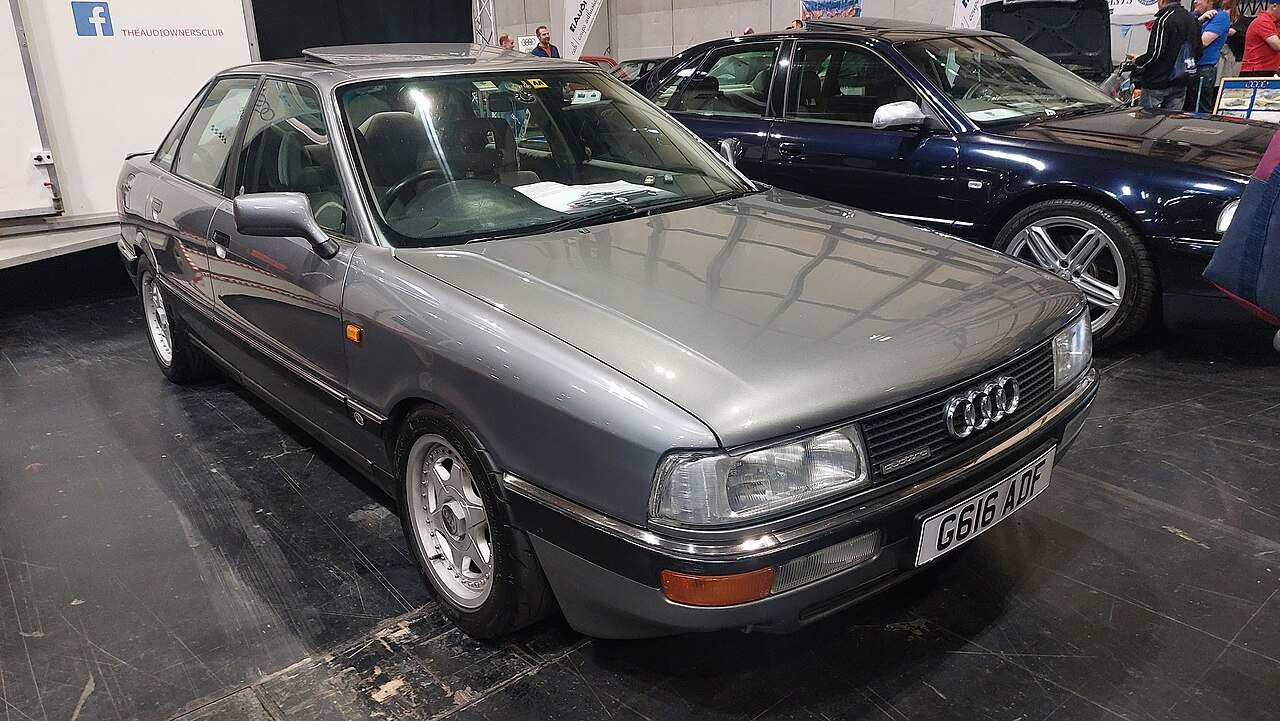
Featured image: 1989 Audi 90 2.3 quattro, showing the B3 saloon shape. Photo by Kieran White from Manchester, England via Wikimedia Commons (CC BY 2.0, resized).
Join the Unusual Cars Club
Get more forgotten performance cars, surprising motoring stories and new 10 Things articles by email.
Free to join. No spam. Unsubscribe whenever you like. See our Privacy Policy.