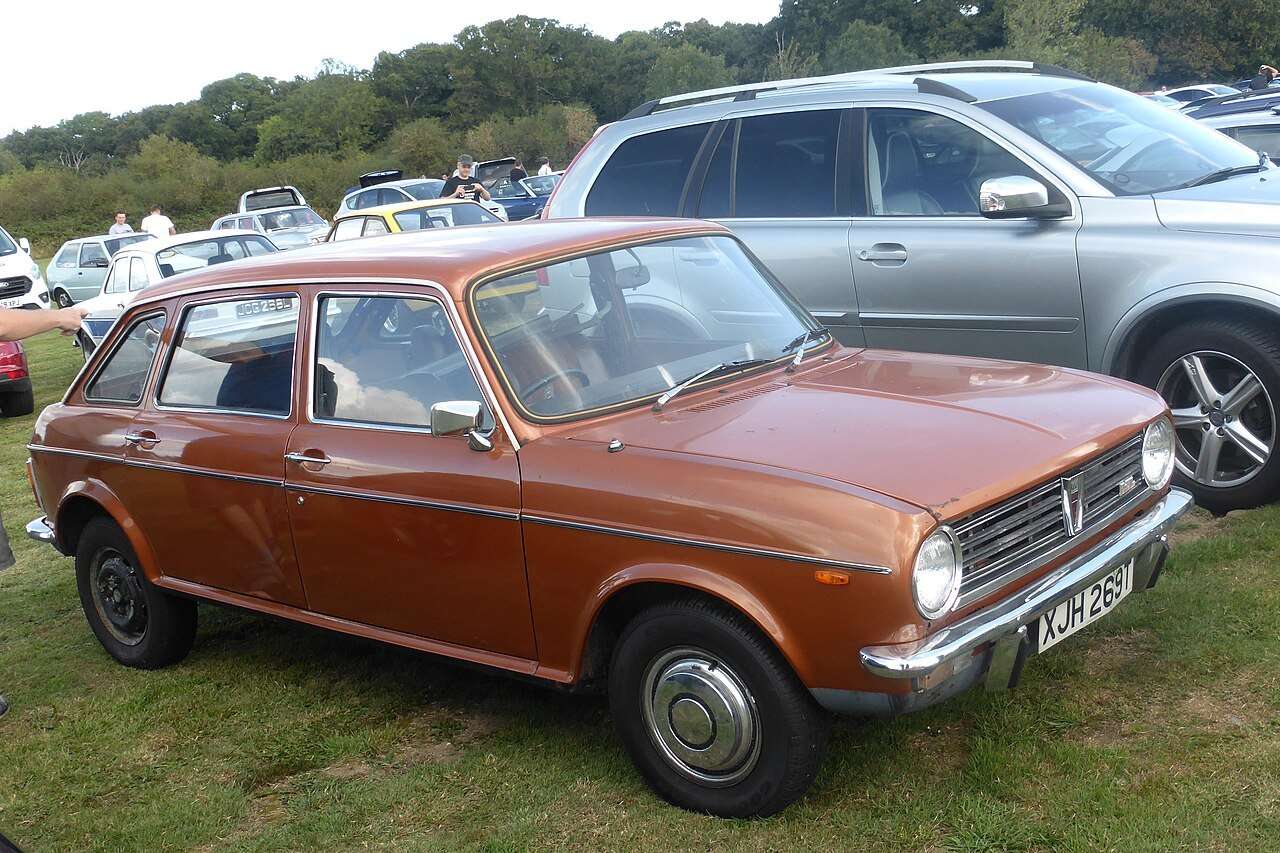
The Maxi 1750 HL had twin carburettors, five gears and a back seat you could fold for a big load. It was a distinctly British approach to the family car long before five-door hatchbacks became the default.
1. It began as a BMC project
The Maxi was developed as ADO14 before the creation of British Leyland. The owners’ club describes it as the last Issigonis design to make production and the first new car launched by the merged company.
2. The 1750 addressed an early weakness
The original 1500 had been criticised for performance. A longer-stroke 1,748 cc engine joined in 1970, giving the larger Maxi more useful power.
3. The gear change was redesigned
The original cable-operated arrangement drew criticism. When the range was revised in 1970, it received a rod-operated change. That split matters when reading complaints about the early car.
4. The HL gained twin SUs
The 1750 Hi-Line arrived in 1972 with twin carburettors. Motor Sport also recorded revised valve timing and a higher compression ratio in its 1973 road test.
Love cars you don’t see every day?
Get forgotten cars, surprising motoring stories and the most interesting finds from Unusual Cars by email.
Free to join. No spam. Unsubscribe whenever you like. See our Privacy Policy.
5. It had five speeds from the start
A fifth gear was unusual for a British family car in 1969. In the HL, Motor Sport found fifth was particularly useful as a cruising ratio. The car could reach a similar top speed in fourth or fifth.
6. The fifth door gave it a second job
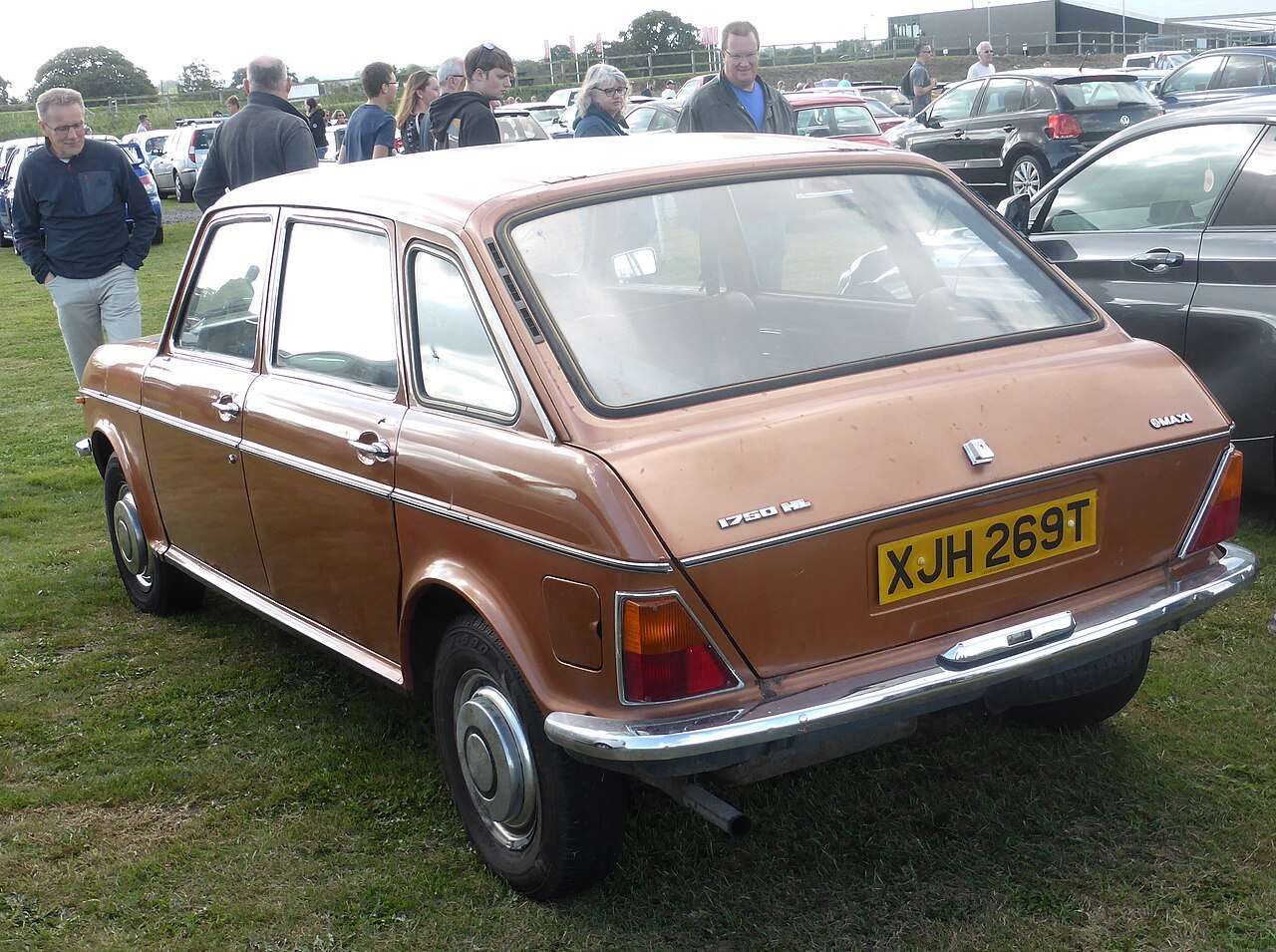
The hatch lifted high and the rear seats folded to create a broad load area. With the seats down, the car did many of the jobs buyers would have expected an estate to do.
7. The HL cabin had sporting cues
The owners’ club records a sports steering wheel, nylon seat coverings and a padded, vinyl-covered dash. The engine and interior both carried changes that went beyond the extra badge.
8. Most were built at Cowley
Most Maxis came from the former Morris works in Oxford, despite the Austin name. Their combined engine and gearbox came from Cofton Hackett, next to Longbridge.
9. A later HL had different hardware
In 1979 the twin-carb model became the HLS. The newer HL kept much of the same equipment with a single-carb engine, so the year matters enormously when identifying one.
10. The five-door shape outlived the experiment
The Maxi ended in 1981 after a late update called Maxi 2. Its blend of a transverse engine, a hatch and flexible seating became much more familiar in the family cars that came after it.
Read our 10 Things article on the Austin Allegro Equipe.
Explore more 10 Things articles
Browse the Unusual Cars 10 Things hub.
Sources and further reading
- Motor Sport, April 1973 road test of the Austin Maxi High-Line
- Austin Maxi Owners Club, model development and chronology
Featured image: Austin Maxi 1750 HL in Astral Blue. Photo by Ianmax69 via Wikimedia Commons (Public domain, resized).
Join the Unusual Cars Club
Get more forgotten performance cars, surprising motoring stories and new 10 Things articles by email.
Free to join. No spam. Unsubscribe whenever you like. See our Privacy Policy.