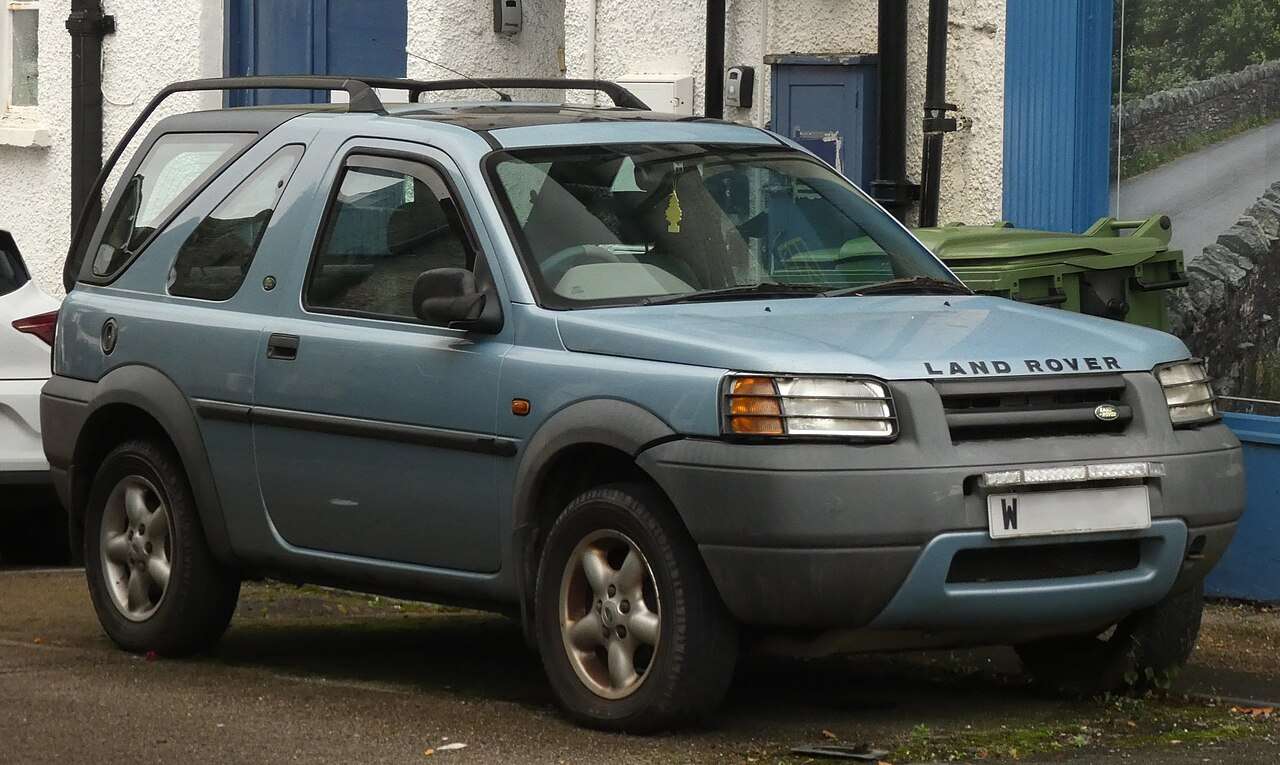
The first Freelander put some familiar Land Rover ideas into a much smaller package. It also introduced a way to tackle a steep descent that would spread well beyond Solihull.
1. The story starts in 1997
Land Rover launched the first Freelander in 1997. It targeted a compact 4×4 audience rather than buyers who needed a vehicle the size of a Discovery.
2. It used a unitary body
The Freelander combined the body and main structure into one assembly. That gave it a different starting point from Land Rover’s established separate-chassis line-up.
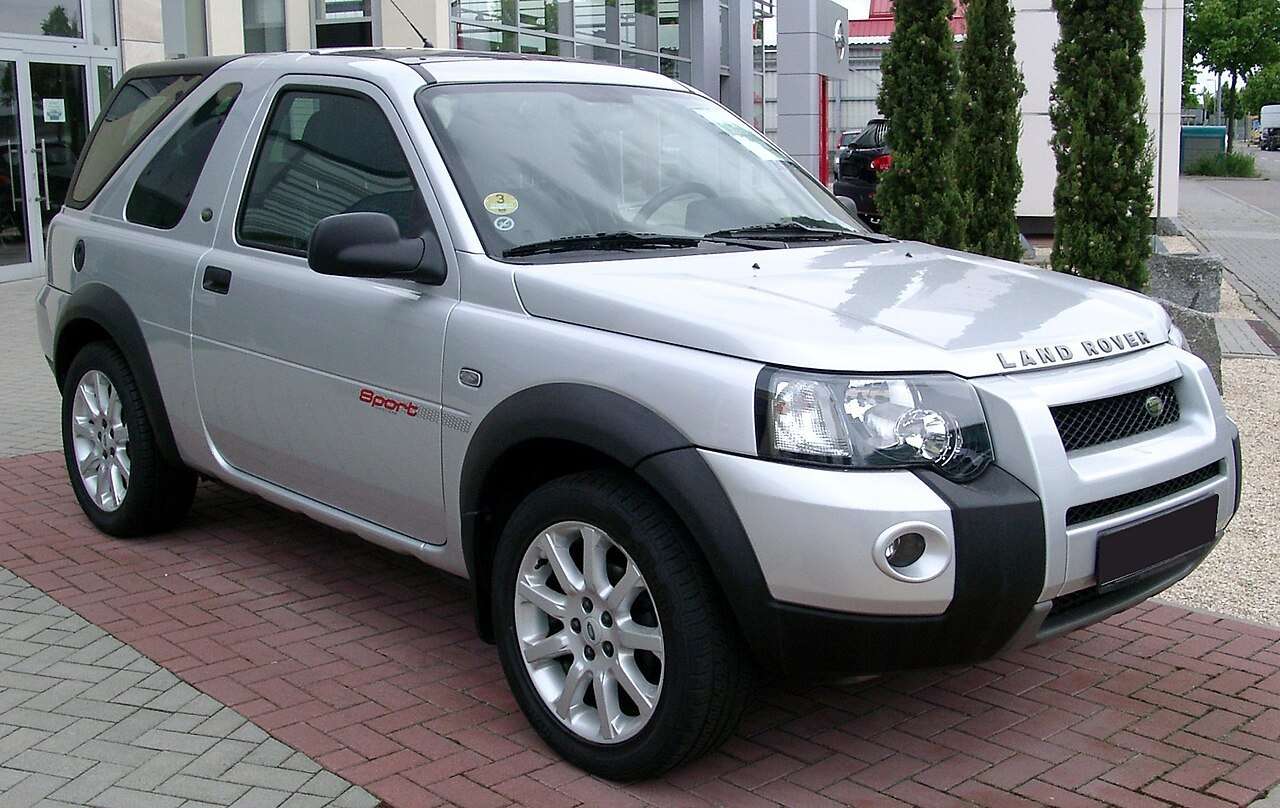
3. The three-door had more than one look
The three-door could be supplied in softback or hardback form. The rear roof treatment shaped how people used and remembered the little Land Rover.
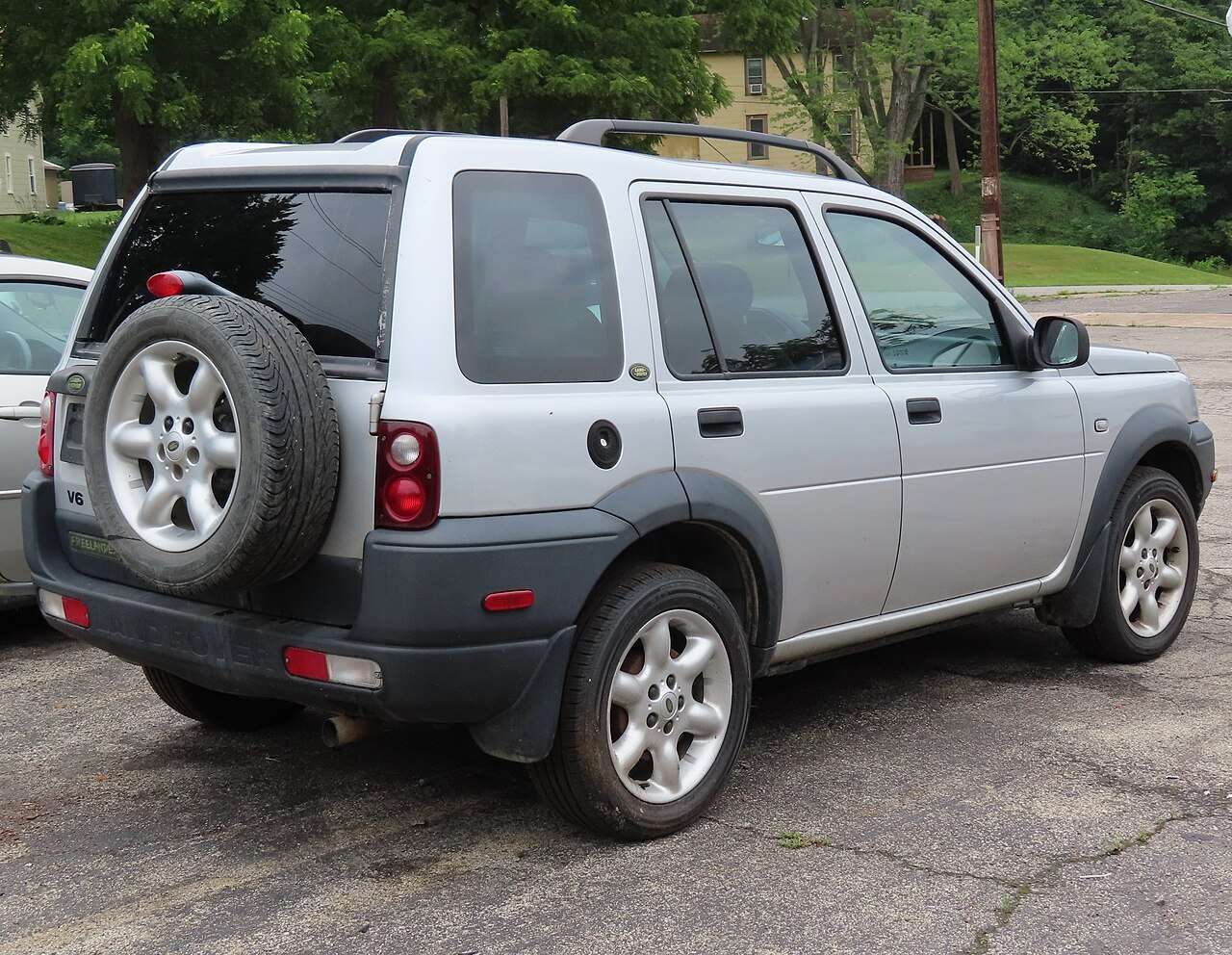
4. There was a conventional five-door too
A fixed-roof five-door offered easier access for back-seat passengers. Its existence was important to the Freelander’s success as an everyday family car.
Love cars you don’t see every day?
Get forgotten cars, surprising motoring stories and the most interesting finds from Unusual Cars by email.
Free to join. No spam. Unsubscribe whenever you like. See our Privacy Policy.
5. Hill Descent Control was new
The system used the brakes to regulate speed on a steep descent. Its purpose becomes clear when you remember the first Freelander did not have a separate low-range gearbox.
6. The driveline used a viscous coupling
Land Rover lists the viscous coupling and Intermediate Reduction Drive among the Freelander’s distinctive engineering features. In simple terms, the coupling allowed differing front and rear shaft speeds and transmitted more torque as that difference grew.
7. The rear window dropped for the tailgate
The glass moves down to clear its seal before the side-hinged door opens. Owners can demonstrate one of the most memorable Freelander details without driving the car at all.
8. The engine range changed substantially
Early versions offered Rover petrol and diesel power. Later models included the Td4 diesel and a 2.5-litre V6 petrol, showing how much the range changed during the first generation.
9. The showroom version met the Camel Trophy
Freelanders took part in the 1998 Tierra del Fuego Camel Trophy. The association gives the first generation a useful link to Land Rover’s expedition image, even though most buyers met theirs on the school run.
10. The first generation lasted until 2006
JLR dates Freelander 1 production to 1997–2006 and eventually brought it into its heritage programme. The earliest three-doors now tell an unexpectedly old story about the birth of the premium compact 4×4.
Compare the original Land Rover Discovery.
Explore more 10 Things articles
Browse the Unusual Cars 10 Things hub.
Sources and further reading
- JLR Classic, the Freelander 1 heritage announcement
- Land Rover, 1997 Freelander technical brochure
- JLR, 70 years of Land Rover timeline
Featured image: 2000 first-generation Land Rover Freelander XEi. Photo by Harvey Bold via Wikimedia Commons (CC0, resized).
Join the Unusual Cars Club
Get more forgotten performance cars, surprising motoring stories and new 10 Things articles by email.
Free to join. No spam. Unsubscribe whenever you like. See our Privacy Policy.