The Nissan Cherry Europe looked Japanese and sounded like an Alfa Romeo. Under the other dealer badge it was the Arna, a joint venture that makes much more sense once you separate the jobs each partner did.
1. Arna was the name of the partnership
The venture took its name from Alfa Romeo Nissan Autoveicoli. The two companies signed their agreement in 1980, several years before a production car made the result visible to buyers.
2. The factory was in southern Italy
The partnership led to a plant at Pratola Serra, near Avellino. The local motor museum records the site’s role in the Arna and Alfa Romeo 33 story.
3. The body had Nissan origins
The angular hatchback traced its shape to the N12 Cherry, also known as the Pulsar in other markets. The visual resemblance was a consequence of shared engineering rather than two companies arriving at the same styling.
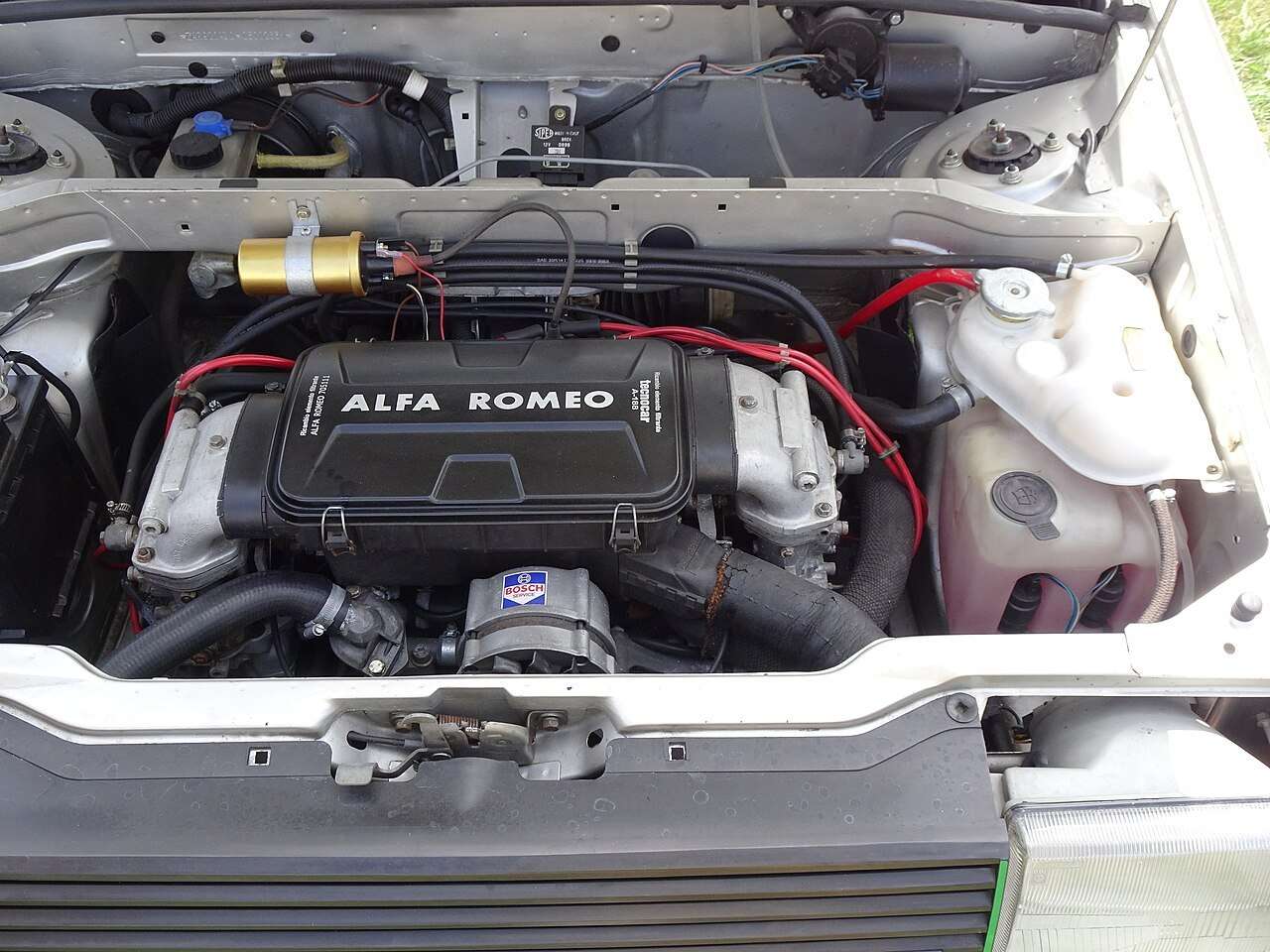
4. It had an Alfa boxer
The project used flat-four engines from Alfa Romeo. Two opposing banks helped make the engine easy to recognise by sound and feel, a surprise in a body shoppers associated with Nissan.
Love cars you don’t see every day?
Get forgotten cars, surprising motoring stories and the most interesting finds from Unusual Cars by email.
Free to join. No spam. Unsubscribe whenever you like. See our Privacy Policy.
5. Alfa supplied more than the engine
Alfa’s contribution also included transmission and front suspension. Nissan’s contribution extended beyond the outer panels, so the hybrid specification is more interesting than a simple badge-and-engine swap.
6. Britain saw it through Nissan dealers first
The British Cherry Europe wore a Nissan badge. The Arna name was later handled by Alfa Romeo here, which explains why UK adverts and recollections turn up under two franchises.
7. There was a Cherry Europe GTi
British accounts record the 1.2 and a 1.5 GTi. The GTi badge is a useful anchor for the faster version, especially when period adverts shorten the model name to Cherry.
8. An ordinary Cherry is a different proposition
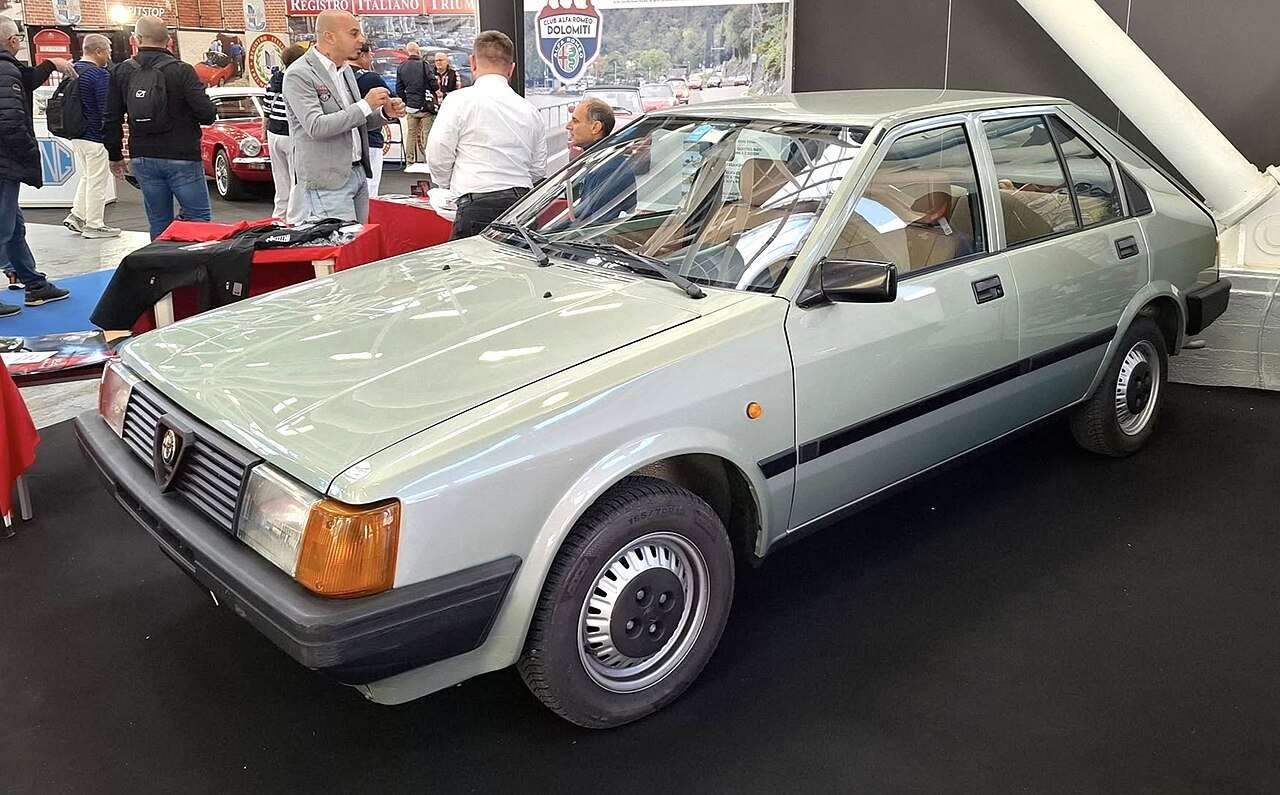
The regular Japanese-built N12 and the Italian-built Cherry Europe can look very close. The engine and the original paperwork are stronger identifying clues than the basic outline.
9. The collaboration made sense on paper
Nissan gained a local manufacturing relationship and Alfa gained a ready-made small-car body. The production result shows how industrial partnerships can create a far stranger car than either company would have built alone.
10. The two badges belong in one story
An Arna and a Cherry Europe parked together show what changed for the dealer network and what carried over. That comparison explains much more than treating the two badges as separate mechanical histories.
Explore more 10 Things articles
Browse the Unusual Cars 10 Things hub.
Sources and further reading
- Motor Web Museum, Alfa Romeo and Nissan joint venture
- Alfa Romeo 1983 company report
- Lancaster Insurance interview with a UK Cherry Europe owner
Featured image: 1985 Nissan Cherry Europe 1.2 at the Festival of the Unexceptional. Photo by Vauxford via Wikimedia Commons (CC BY-SA 4.0, resized).
Join the Unusual Cars Club
Get more forgotten performance cars, surprising motoring stories and new 10 Things articles by email.
Free to join. No spam. Unsubscribe whenever you like. See our Privacy Policy.