The first Boxster gave Porsche a genuinely new two-seater at a crucial moment. The story runs from a show car in Detroit to a production roadster whose parts helped make another new Porsche possible.
1. Detroit saw it first
Porsche showed the Boxster concept at the 1993 Detroit motor show. Its compact shape and engine placement recalled the marque’s earlier mid-engined sports cars. The response helped show there was an audience for a new roadster.
2. The name explains the layout
Boxster combines boxer and roadster. The first word describes the opposed-cylinder engine and the second the open body. Having the engine behind the seats also put the heavy components near the middle of the car.

3. It went on sale with a 2.5
The original production car arrived in 1996 with a 2.5-litre water-cooled flat-six rated at 204 PS. There was a choice of a five-speed manual or Tiptronic automatic, giving the car two distinct characters.
4. There is luggage space at both ends
Putting the engine between the axles left room for front and rear boots. The shared Porsche family resemblance tends to grab the headlines, but two separate luggage spaces were a real everyday advantage over many open sports cars.
Love cars you don’t see every day?
Get forgotten cars, surprising motoring stories and the most interesting finds from Unusual Cars by email.
Free to join. No spam. Unsubscribe whenever you like. See our Privacy Policy.
5. The 911 connection goes deeper than the lights
Porsche developed the 986 Boxster and 996-generation 911 with shared components and common front-end design work. This helped spread development and manufacturing costs across two ranges. The cars kept different engine positions and driving characters.
6. The S changed more than the badge
The Boxster S brought a 3.2-litre flat-six, a six-speed manual and uprated brakes. The regular Boxster moved to 2.7 litres around the same period. Both gained pace, while the S became a stronger proposition in its own right.
7. Some were built in Finland
Porsche used Valmet Automotive in Finland as well as its German manufacturing operation to build the 986. Finland is a normal part of the first Boxster’s manufacturing story, even if many owners associate the model entirely with Stuttgart.
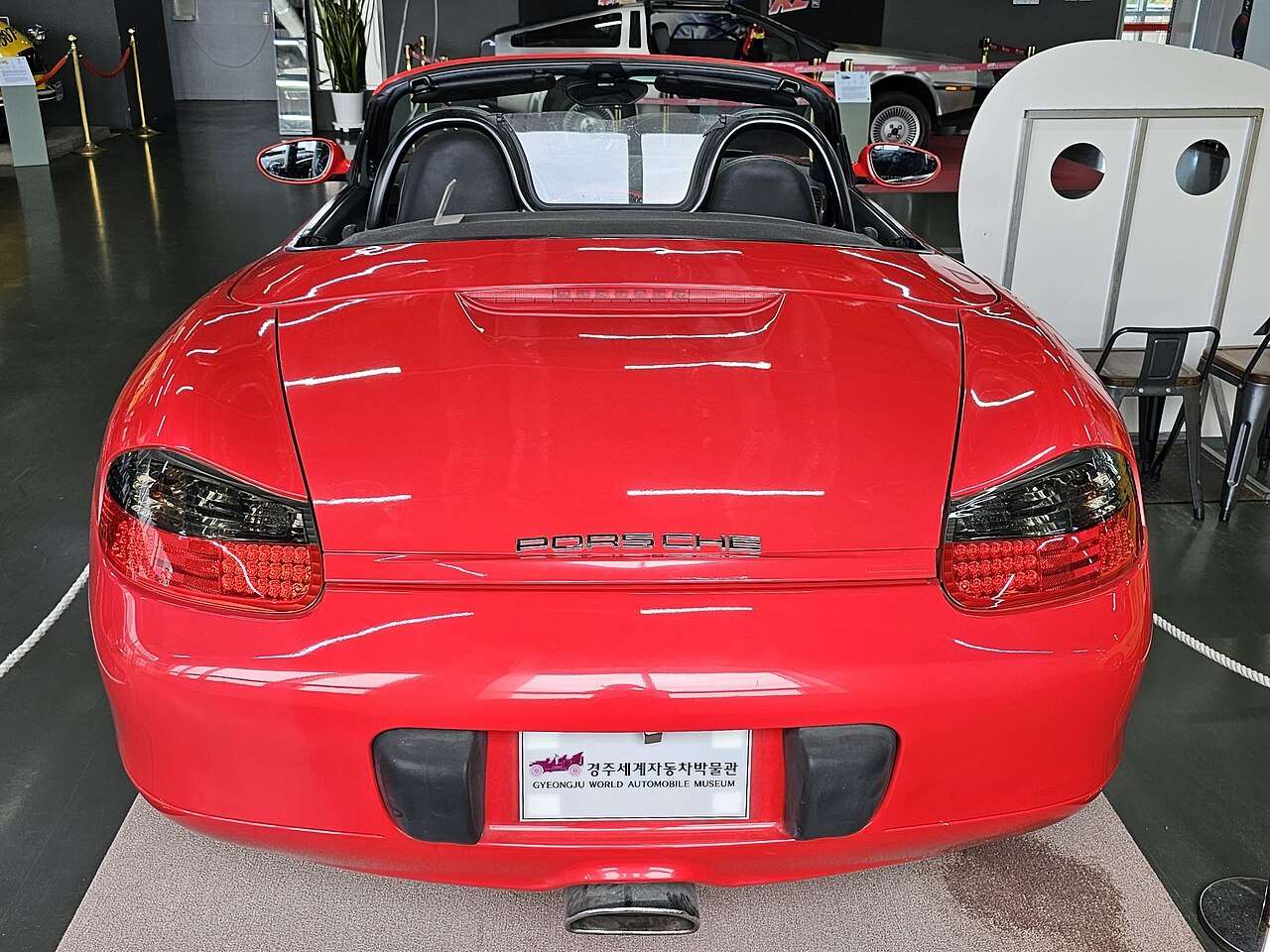
8. The lamps divided opinion twice over
The sweeping lamp units gave the Boxster a family resemblance to the 996 and became a favourite subject of enthusiast debate. They are now one of the quickest ways to recognise a first-generation Boxster.
9. The later roof was easier to live with
The facelift brought a glass rear window in the fabric roof. It is a small change in a photograph but a practical one for owners who use the roof regularly and want a clear view behind.
10. It found a large audience
Porsche’s archive records 164,874 first-generation Boxsters sold worldwide, a considerable run for a two-seat sports car. It became a product line of its own and left the company with much more than a brief return to open mid-engined motoring.
Explore more 10 Things articles
Browse the Unusual Cars 10 Things hub.
Sources and further reading
- Porsche, the people and development behind the Boxster
- Porsche, first-generation Boxster history
- Porsche, Boxster concept design
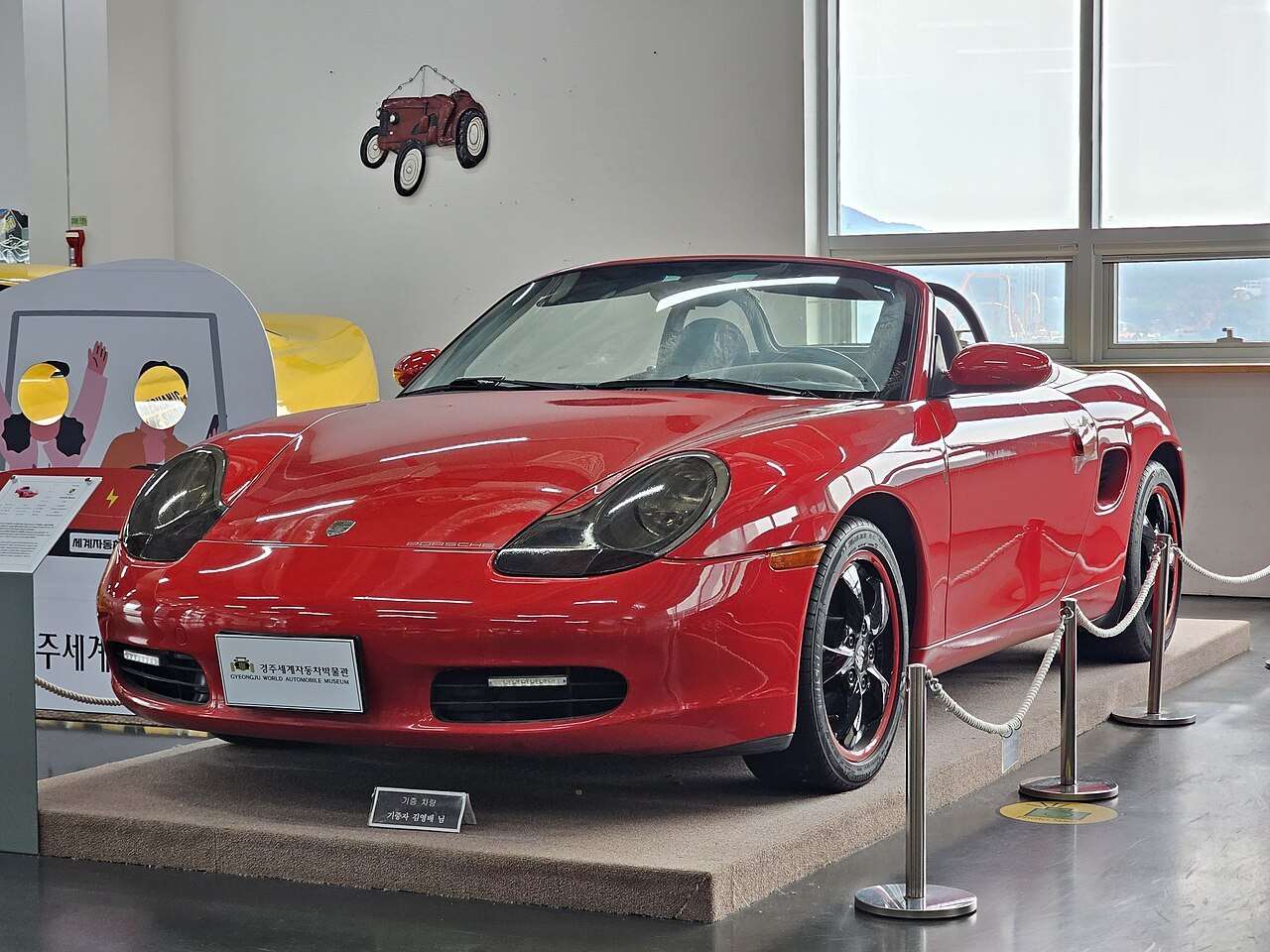
Featured image: Red early Porsche Boxster 986 on display. Photo by Damian B Oh via Wikimedia Commons (CC BY-SA 4.0, resized).
Join the Unusual Cars Club
Get more forgotten performance cars, surprising motoring stories and new 10 Things articles by email.
Free to join. No spam. Unsubscribe whenever you like. See our Privacy Policy.