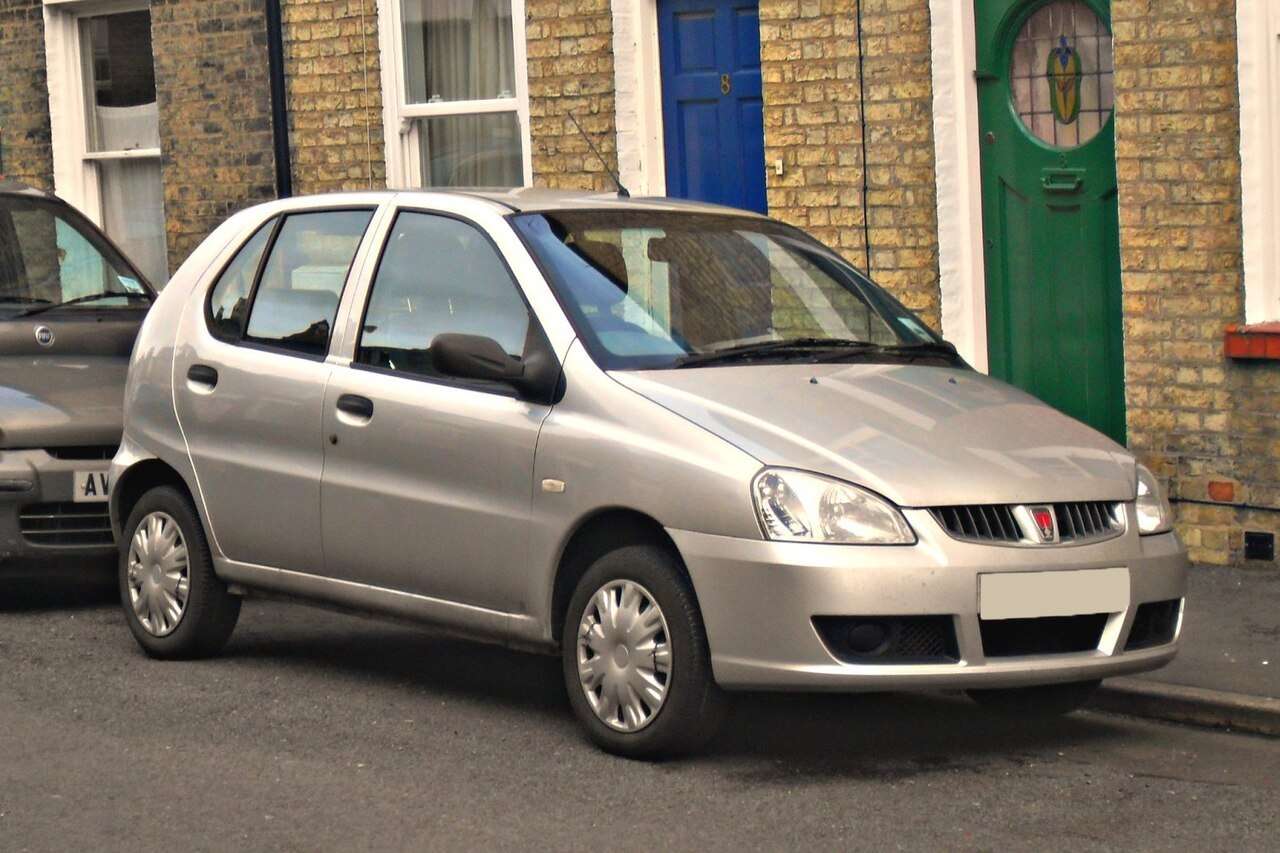
The smallest Rover of 2003 came from India. The CityRover put a British badge on the Tata Indica and exposed how much a late MG Rover model could depend on a deal outside Longbridge.
1. Tata built the car
Tata Motors says it began supplying CityRovers to MG Rover in September 2003. The cars were made in India and shipped for MG Rover to sell.
2. The Indica was the starting point
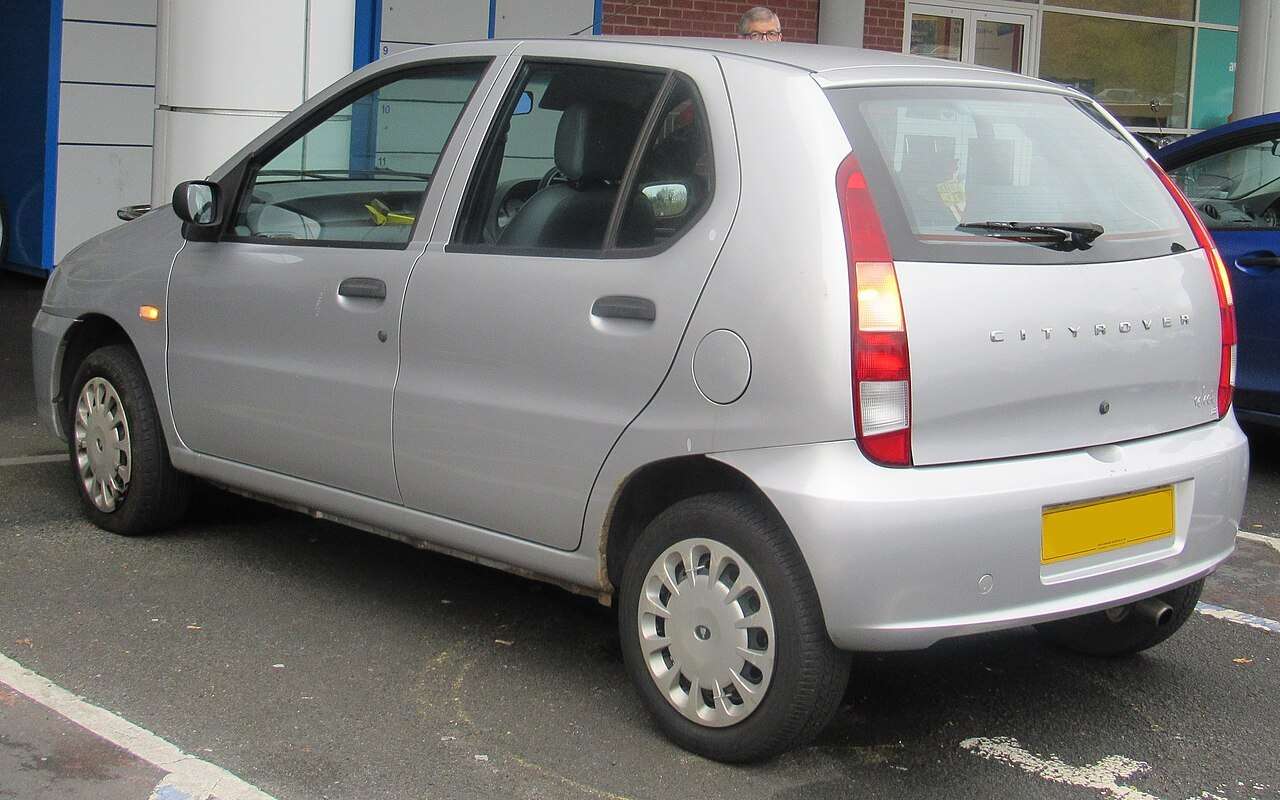
The five-door body and basic engineering came from Tata’s Indica. The Rover programme involved bringing that existing small car to a new market with its own identity and specification.
3. The two dates describe different milestones
September was the start of supply. British retail launch came later in the autumn, which explains why period stories about the unveiling, factory rollout and on-sale date do not all agree.
4. It used a 1.4 petrol four
The CityRover used a 1,405 cc petrol engine rather than Rover’s familiar K-Series. The UK brochure offered the same basic engine across the range.
Love cars you don’t see every day?
Get forgotten cars, surprising motoring stories and the most interesting finds from Unusual Cars by email.
Free to join. No spam. Unsubscribe whenever you like. See our Privacy Policy.
5. There were four trim names
Solo, Sprite, Select and Style gave dealers different equipment levels to work with. The names made a very short model range sound more varied without multiplying its engine choices.
6. Five doors were part of the proposition
The CityRover was a tall little five-door. Easy access to the rear mattered more to its role than the kind of sportiness MG Rover was selling elsewhere.
7. You could spot the Rover version from the front
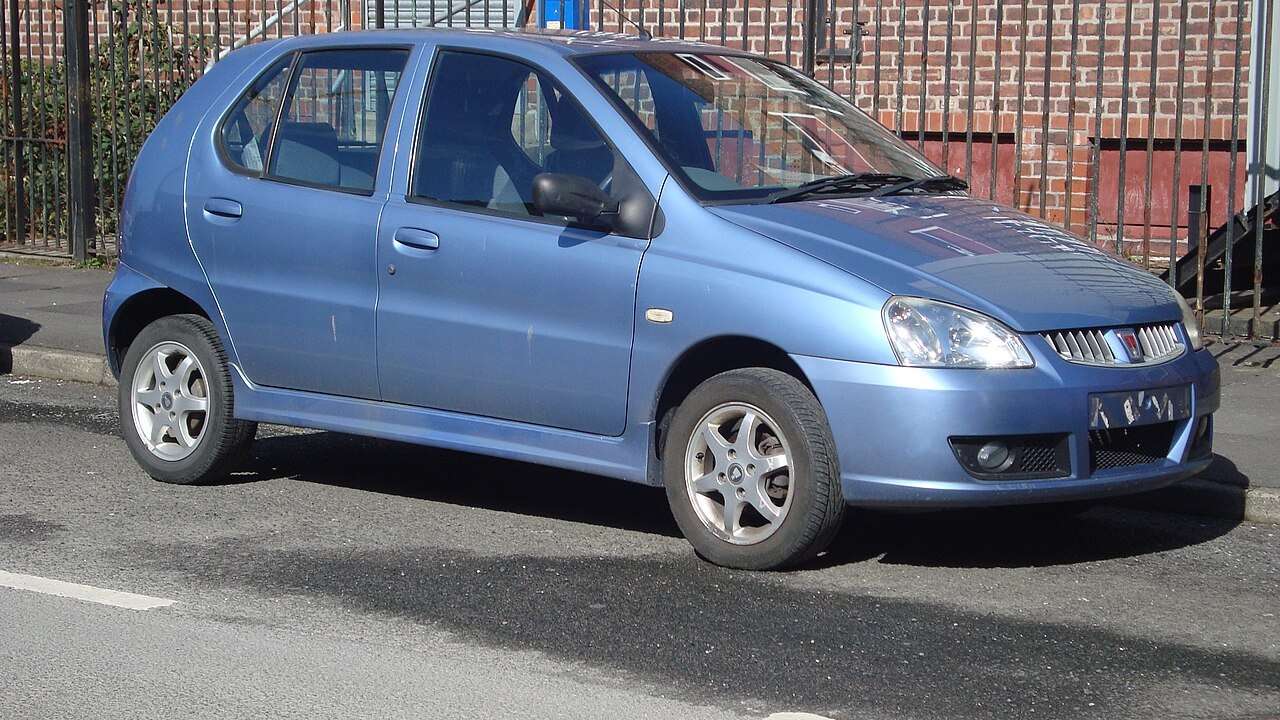
The grille, badge and bumper treatment gave the car a visual connection to other contemporary Rovers. Behind that face, the doors and tall cabin still showed its Indica origins clearly.
8. It filled a gap left by the 100
MG Rover needed a car below the 25. The CityRover was its attempt to put a new product into that price and size class without funding a new small-car platform.
9. Its price put it against established superminis
The British badge did not put it in a class of its own. Dealer pricing brought the CityRover into competition with cars that already had a strong foothold in the UK small-car market.
10. Its British run was brief
The CityRover arrived late in MG Rover’s life and the company entered administration in 2005. Tata’s own manufacturing history continued long after CityRovers disappeared from Rover showrooms.
Explore more 10 Things articles
Browse the Unusual Cars 10 Things hub.
Sources and further reading
- Tata Motors annual report on CityRover supply
- Period report on the first CityRover rollout
- CityRover UK model and trim history
Featured image: 2004 Rover CityRover from the front. Photo by Tom Ellis via Wikimedia Commons (CC BY-SA 2.0, resized).
Join the Unusual Cars Club
Get more forgotten performance cars, surprising motoring stories and new 10 Things articles by email.
Free to join. No spam. Unsubscribe whenever you like. See our Privacy Policy.