The FSO Polonez put a modern hatchback shape over a familiar Polish saloon formula. It lived long enough to gain a Rover engine, a saloon offshoot and a good deal of British export history.
1. Production began in Warsaw in 1978
FSO put the Polonez into production in 1978. Its own history credits engineers from Żerań working with Fiat specialists. The first cars consequently belong to a much longer Polish-Italian engineering relationship.
2. The Fiat 125p relationship shows most clearly underneath
The Polonez developed out of the 125p programme, with familiar mechanical foundations and a new body. FSO records changes to the early engines, so calling the whole project a straight rebadge misses the engineering work.
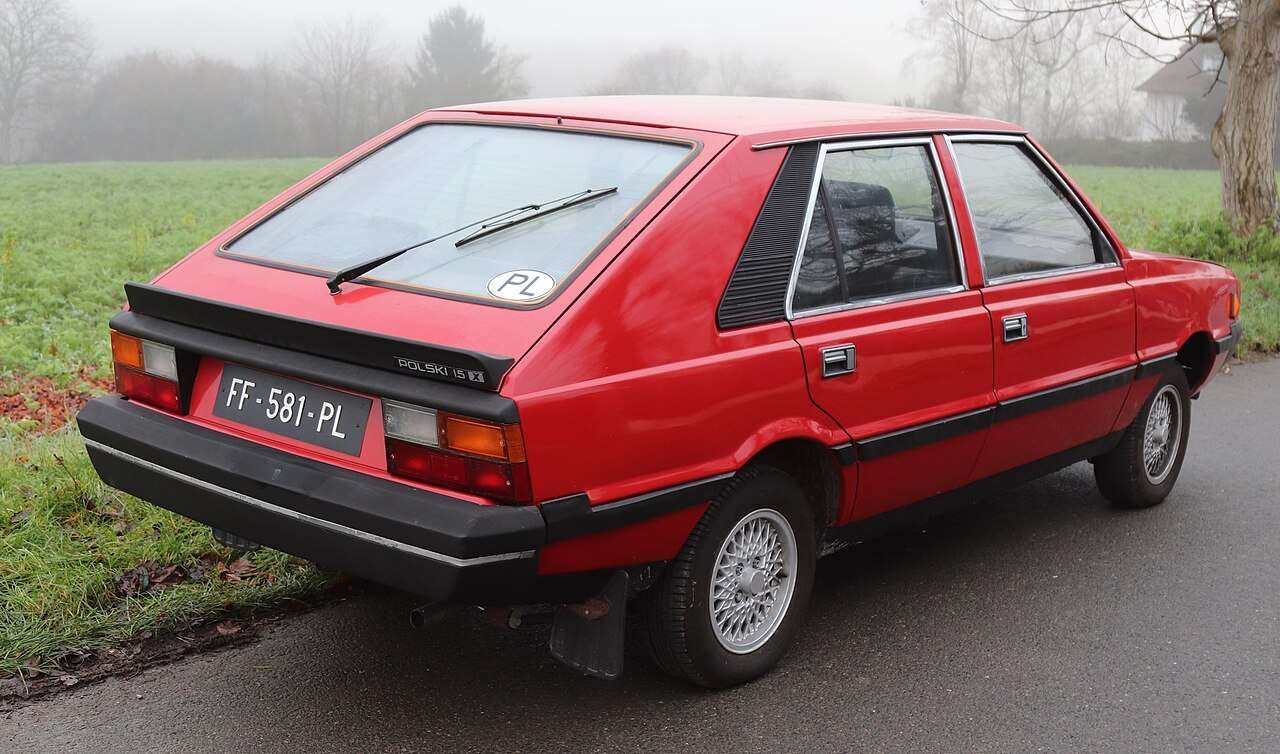
3. Polish newspaper readers named it
The Gryf Museum records a competition in the newspaper Życie Warszawy behind the Polonez name. The prototype designation 125PN and early Polish sales names can therefore crop up before the badge people remember.
4. The hatchback did more for luggage than the old saloon
FSO wanted a more aerodynamic profile and a practical rear opening. The factory says foldable rear seating arrived from 1981, making better use of that space. Those details explain why the new shape mattered beyond looking modern.
Love cars you don’t see every day?
Get forgotten cars, surprising motoring stories and the most interesting finds from Unusual Cars by email.
Free to join. No spam. Unsubscribe whenever you like. See our Privacy Policy.
5. Safety influenced a piece of everyday hardware
FSO singled out the bonnet hinge location as a safety decision. It used a rear-hinged arrangement as part of a wider approach that included planned crush zones and a stiff passenger area. The factory history is unusually specific about why some parts were arranged as they were.
6. The early cars used 1.3- and 1.5-litre engines
FSO records both capacities and an early four-speed gearbox. A 1.6 joined the story in 1987. That is one reason the year and engine are more reliable than an assumption based on four round headlamps.
7. The old and new cars shared the factory for years
The Polonez was meant to succeed the 125p, yet the earlier model continued in production until 1991. Two generations of Polish family transport therefore left the same factory during much of the 1980s.
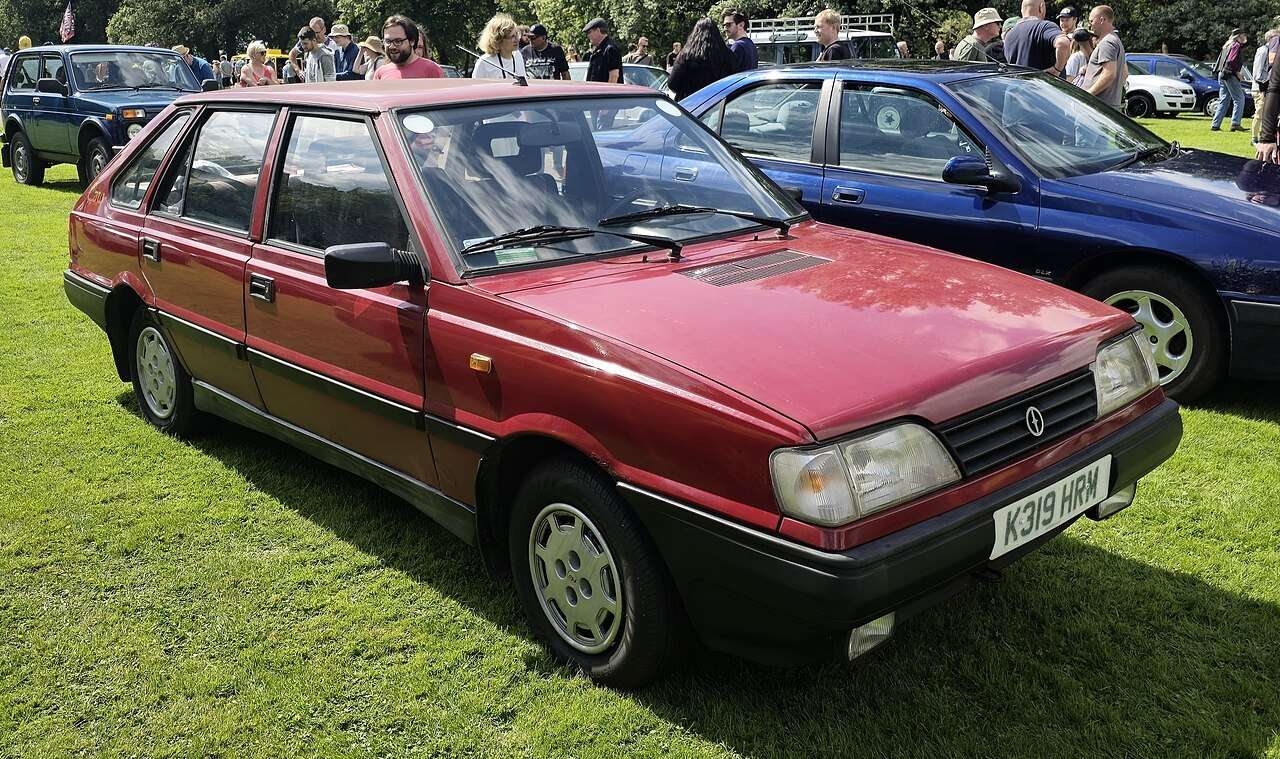
8. Caro meant a substantial revision
The later Caro gained revised styling and changes intended to make it quieter and more useful. The factory’s own account lists improvements ranging from lighting to belt mounting points. It was a real turning point in a very long run.
9. A later Polonez could have a British engine
FSO used a 1.4-litre Rover engine in a later series-production variant. That is an unexpected UK link, alongside the cars exported to Britain. The factory’s chronology puts it in the Caro-era updates.
10. The name eventually covered more than a hatchback
The family expanded to the Atu saloon and the Truck commercial derivative, among other variants. In Britain it is the hatchback shape that tends to trigger recognition. The full factory family was considerably broader.
Explore more 10 Things articles
Browse the Unusual Cars 10 Things hub.
Sources and further reading
- FSO factory history
- Gryf Museum early Polonez history
- Polish state archives on the parallel 125p and Polonez production
Featured image: Early-shape FSO Polonez MR86. Photo by Nicolas Osika via Wikimedia Commons (CC BY 4.0, resized).
Join the Unusual Cars Club
Get more forgotten performance cars, surprising motoring stories and new 10 Things articles by email.
Free to join. No spam. Unsubscribe whenever you like. See our Privacy Policy.