The Hillman Imp put a lightweight engine behind the back seat and gave Britain a small car with a personality all its own. Even the rear window had a job beyond letting you see out.
1. Rootes called it Project Apex
Rootes needed a small car to take on the Mini. The work of engineers Mike Parkes and Tim Fry grew from an earlier experimental project into the car launched in May 1963. The two rivals ended up with their engines at opposite ends.
2. Its engine had a fire-pump ancestor
The 875cc overhead-cam four descended from Coventry Climax’s lightweight FWMA fire-pump engine. Climax engines had also found their way into racing cars. Rootes adapted that engineering for a production car that had to start on cold mornings and carry the shopping.
3. The engine sat behind the rear wheels
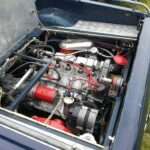
Rootes tilted the alloy four-cylinder to fit beneath the rear shelf. The gearbox gave drivers four forward gears with synchromesh on all four. Much of the Imp’s personality came from putting so much machinery behind such a short cabin.
4. You could lift the rear window
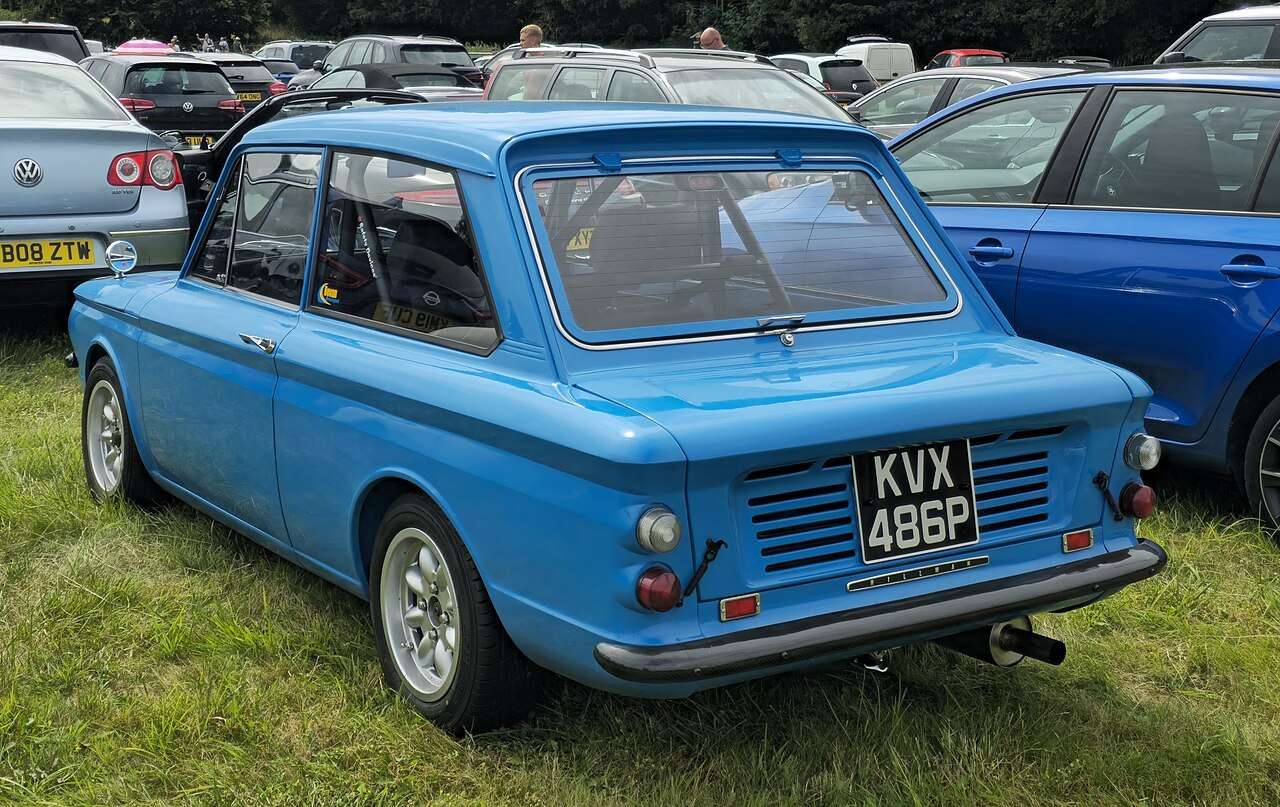
The hinged glass opened independently to give access to the luggage shelf behind the back seat. The engine had its own lower lid. There was also storage under the front bonnet, so packing an Imp meant deciding which end got what.
Love cars you don’t see every day?
Get forgotten cars, surprising motoring stories and the most interesting finds from Unusual Cars by email.
Free to join. No spam. Unsubscribe whenever you like. See our Privacy Policy.
5. The first throttle used air
Early cars used a pneumatic link between the accelerator pedal and carburettor. The National Motor Museum describes it as innovative and unreliable, and the Imp Club records its replacement by a cable. That change can help identify how early an Imp is, if its hardware survives.
6. Scotland got a new factory to build it
Rootes assembled the Imp in Linwood, outside Glasgow, at a plant built for the project. Glasgow Museums acquired the first car off that line. The factory is as much a part of the Imp’s story as the engine Rootes sourced from Coventry Climax.
7. It sprouted a whole family of names
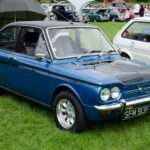
Rootes offered a better-trimmed Singer Chamois and developed sportier versions as the range grew. The Sunbeam Stiletto used the coupé roofline and the more powerful engine. Hillman’s Californian wore the roofline with its own badge and specification.
8. The coupés lost the opening glass
The Californian, Stiletto and Singer Chamois coupé had a more sharply sloped back window. The Imp Club notes that it was fixed. The shape traded away the very feature that made the original saloon so handy for dropping in a small bag.
9. The same idea made a van
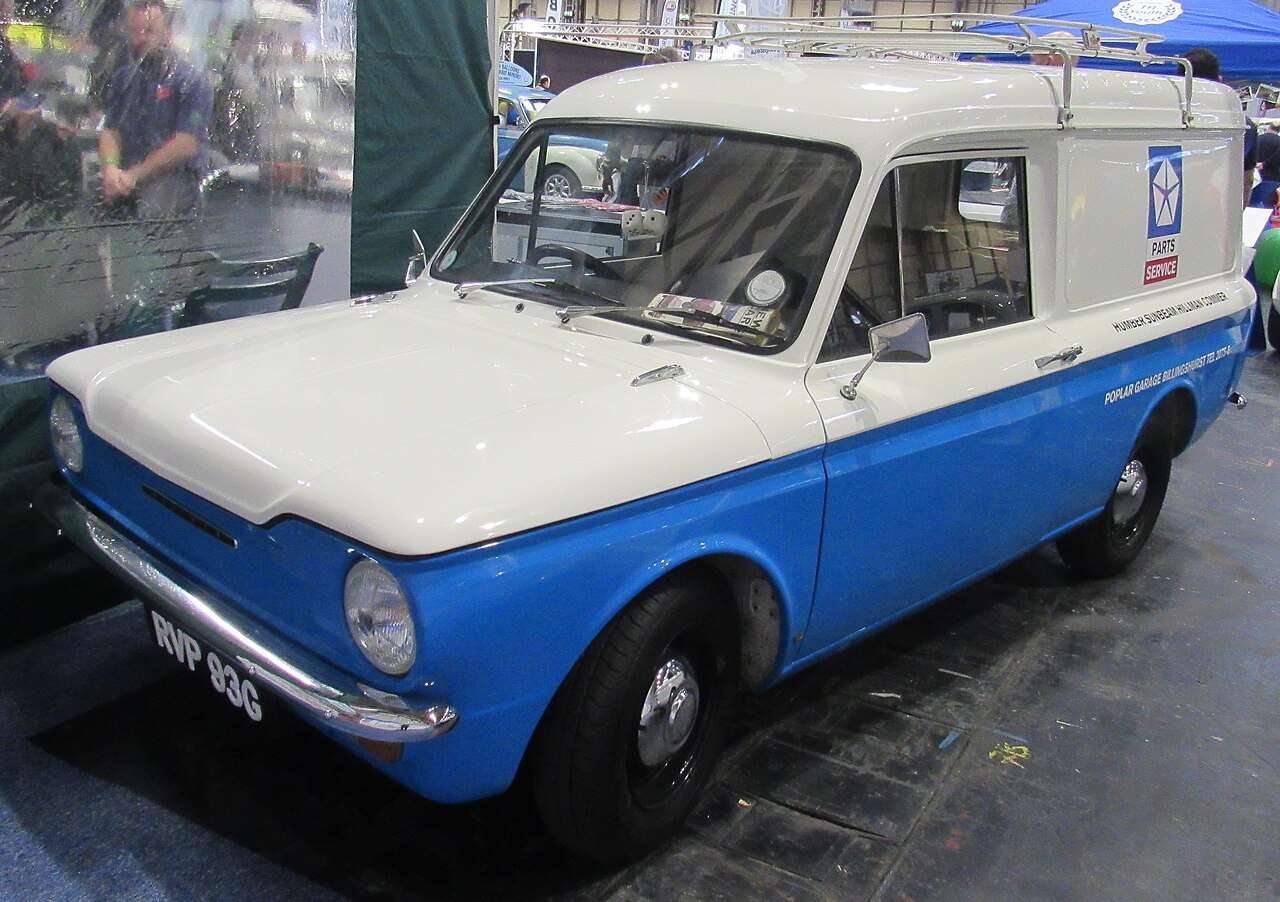
The Commer Imp van dropped the saloon’s rear seats in favour of commercial space. Rootes also sold a Hillman Husky estate built from the same family. Their taller rear bodywork made more sense for the job than the coupé’s fashionable roof.
10. One of the last Imps wore tartan
The late Caledonian edition brought tartan cloth inserts to the seats. The Rootes archive lists extra equipment on its sample factory record, including a voltmeter, oil-pressure gauge and engine-lid lock. It is a remarkably Scottish send-off for a car that had gone into production in Linwood in 1963.
Explore more 10 Things articles
Browse the Unusual Cars 10 Things hub.
Sources and further reading
- National Motor Museum’s 1963 Hillman Imp
- The Imp Club’s model and engineering history
- Rootes sales literature archive
- Rootes Archive Centre factory record for a Caledonian
- Glasgow Museums transport collection
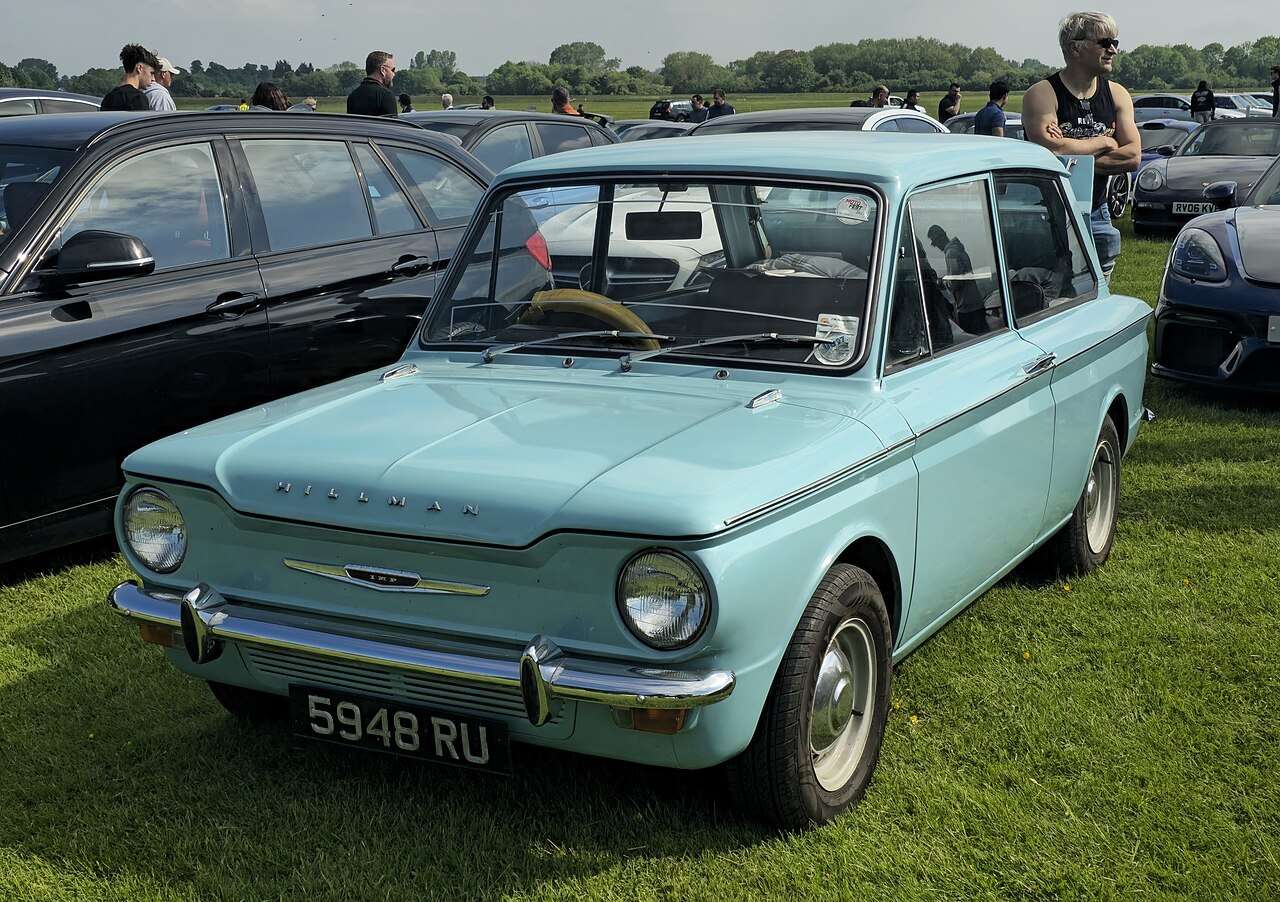
Featured image: A 1963 Hillman Imp in pale blue. Photo by Calreyn88 via Wikimedia Commons (CC BY-SA 4.0, resized).
Join the Unusual Cars Club
Get more forgotten performance cars, surprising motoring stories and new 10 Things articles by email.
Free to join. No spam. Unsubscribe whenever you like. See our Privacy Policy.