The Rover 45 2.0 V6 slipped a six-cylinder engine into a small British saloon. Its showroom specification tells you exactly what Rover thought its compact flagship should be.
1. The UK brochure put the V6 in the saloon
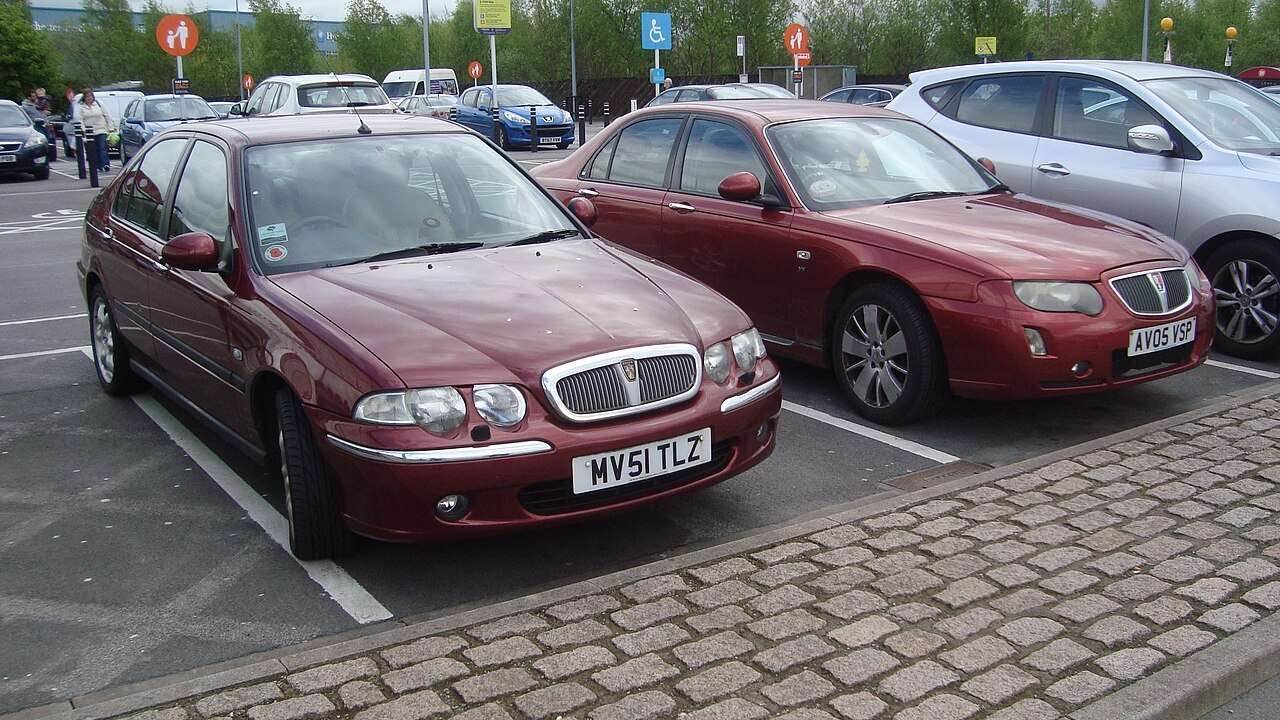
Rover sold the 45 as a five-door hatchback and a four-door saloon. Its 2002 UK specification chart lists the 2.0 V6 in the saloon column. A generic photograph or listing for a 45 five-door therefore needs a closer look before calling it a V6.
2. The capacity was 1,997 cc
The six-cylinder engine came from Rover’s KV6 family. The 2.0 in the 45 was a different capacity from the 2.5 most people associate with an MG ZS 180 or a bigger Rover. That distinction is easy to lose when a listing simply says KV6.

3. Rover printed 150 PS in its UK brochure
The 2002 brochure quotes 150 PS at 6,500 rpm and 185 Nm at 4,000 rpm. The first number is about 148 bhp. Keeping the source, units and year together makes sense of the slightly different numbers that appear in reference books.
4. The V6 used a Jatco automatic
A period Autopista test identifies the V6’s Jatco torque-converter automatic and describes its normal, sport and sequential modes. In the 45 range, Rover also offered a different continuously variable automatic with the 1.8. The two systems deserve their own names.
Love cars you don’t see every day?
Get forgotten cars, surprising motoring stories and the most interesting finds from Unusual Cars by email.
Free to join. No spam. Unsubscribe whenever you like. See our Privacy Policy.
5. The brochure claimed 60 mph in 9.5 seconds
Rover’s period figures were 9.5 seconds to 60 mph and 124 mph flat out. They put the little saloon’s performance into context. The buyer got useful pace without the spoilers and louder badges of the MG alternative.
6. It used unusually sophisticated front suspension for its class
Rover highlighted the long wheelbase and double wishbone front suspension in its sales material. The company could sell the V6 on refinement without having to invent an entirely different chassis story for the flagship.
7. The wheels gave a clue
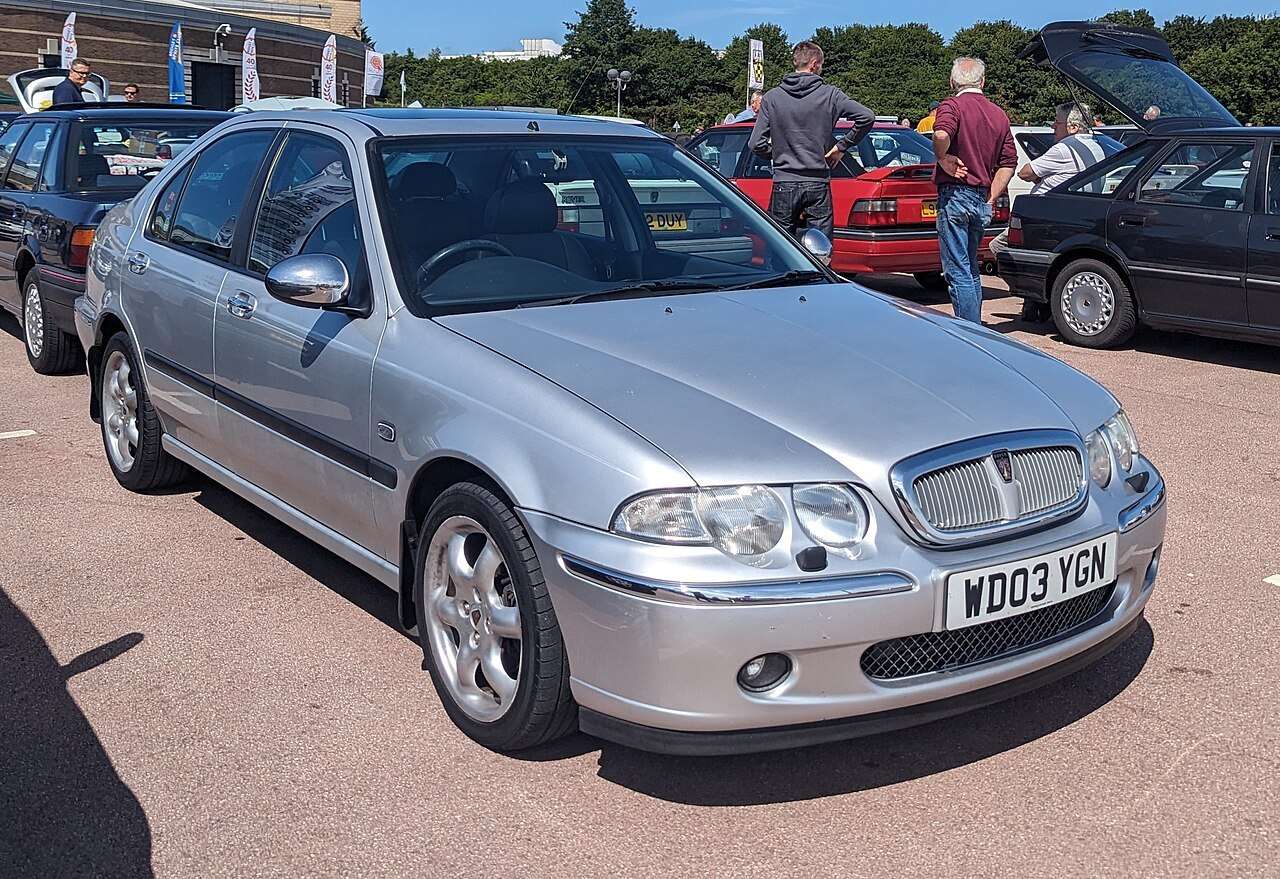
The 2002 range brochure specifies 16-inch Cosmos alloys on the 2.0 V6 where the related trim used 15-inch Serpent wheels. A photo of the correct wheels can help identify a car, provided you cross-check against the badges and engine.
8. Cruise control was a V6 selling point
Rover’s brochure singles out cruise control as a 2.0 V6 feature. The leather and heated-seat equipment in the range made sense alongside it. An unexpectedly mature specification was a big part of the appeal of the smaller saloon.
9. The fuel figures tell another side of the story
Rover quoted 28.7 mpg combined on the period test cycle for the V6 automatic. The same chart gives 40.0 mpg for the 1.4 manual. That gap helps explain why the small-engined cars are the ones many British families actually remember owning.
10. The 2.0 V6 sat between two familiar MG Rover stories
Rover’s own literature also lists a 2.5 V6 for the 75, while the ZS used 2.5-litre power in 180 form. The 45 used six cylinders to make a small saloon feel more like a larger Rover. That is the angle the brochure and hardware both support.
Explore more 10 Things articles
Browse the Unusual Cars 10 Things hub.
Sources and further reading
Featured image: 2003 Rover 45 Connoisseur V6 24v automatic saloon. Photo by Calreyn88 via Wikimedia Commons (CC BY-SA 4.0, resized).
Join the Unusual Cars Club
Get more forgotten performance cars, surprising motoring stories and new 10 Things articles by email.
Free to join. No spam. Unsubscribe whenever you like. See our Privacy Policy.