The SEAT Arosa replaced the old Marbella with a city car that put passenger room ahead of boot space. A year later, SEAT was showing how far it could stretch the same idea.
1. It was launched at Geneva in 1997
SEAT’s historical collection dates the unveiling to March 1997. The little car gave the company a new urban model at a time when something much older was still on sale beside it.
2. It did not immediately replace the Marbella on the forecourt
SEAT says the Marbella and Arosa overlapped for about a year. Both served town drivers, but they came from very different design eras. The overlap is a nice snapshot of a brand changing its small-car line-up.
3. It deliberately traded boot room for a bigger cabin
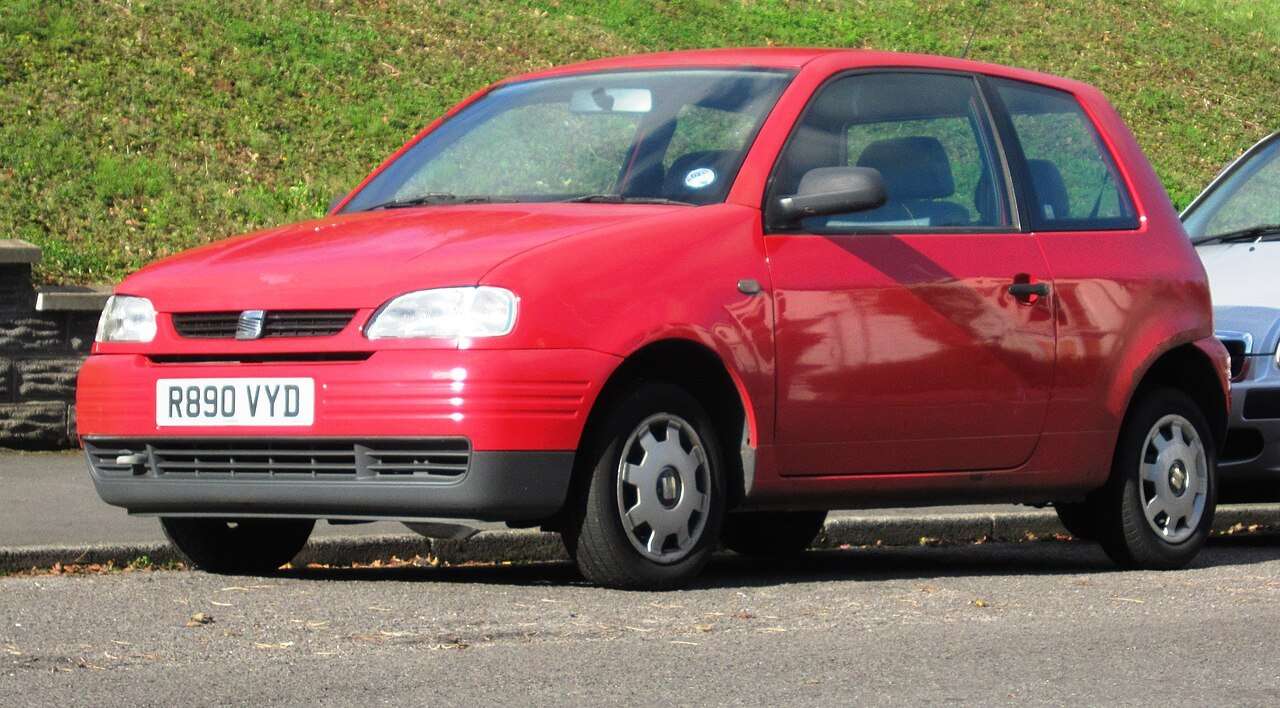
SEAT’s history describes the Arosa as reversing the balance of its old city car. The upright body put people first and left a modest boot behind them. For regular town trips, that was a more useful choice than the outside dimensions suggest.
4. It arrived before the related Volkswagen Lupo
The Arosa made its public debut in 1997, ahead of the Lupo’s arrival. Their family resemblance is easy to spot, especially on the original SEAT. The timeline makes the story more interesting than treating it as a later copy of the Volkswagen.
Love cars you don’t see every day?
Get forgotten cars, surprising motoring stories and the most interesting finds from Unusual Cars by email.
Free to join. No spam. Unsubscribe whenever you like. See our Privacy Policy.
5. Its early production was in Germany
SEAT’s historical collection records early manufacture at Volkswagen’s Wolfsburg works before production moved to Martorell. A Spanish badge and German build origin could therefore coexist on the same early car.
6. SEAT gave the facelift a stronger identity
The 2000 update brought a distinct front end that tied the Arosa more closely to other SEATs. Put the two noses next to each other and the difference is clear. A registration date can lag behind a styling change, so the photos matter.
7. A 100 PS Sport was available
The 1.4-litre 16-valve Sport gave the tiny car a much more energetic specification. SEAT also sold more modest 1.4s. The engine and trim name together tell you far more than the 1.4 badge alone.

8. The diesel options were unusually varied for such a small car
European buyers could choose versions with the 1.7 SDi or later 1.4 TDI. The SDi and TDI badges mark very different powertrains. Both illustrate how strongly small diesels appealed to manufacturers in this era.
9. SEAT built an Arosa Racer concept
The Martorell technical centre took a sporting Arosa design study to Frankfurt. It was a two-seater, quite different in purpose from the normal showroom car. Its existence is a good reason to read the fine print beneath a dramatic Arosa photo.
10. The City Cruiser concept went in the other direction
SEAT also showed a two-seat Arosa City Cruiser study. Looking at it alongside the Racer shows how much the company could change the character of one very small body. Neither study should be mistaken for the production Sport.
Explore more 10 Things articles
Browse the Unusual Cars 10 Things hub.
Sources and further reading
- SEAT Historical Collection Arosa model history
- SEAT’s 70-year history of its city cars
- ADAC archived Arosa versions and specifications
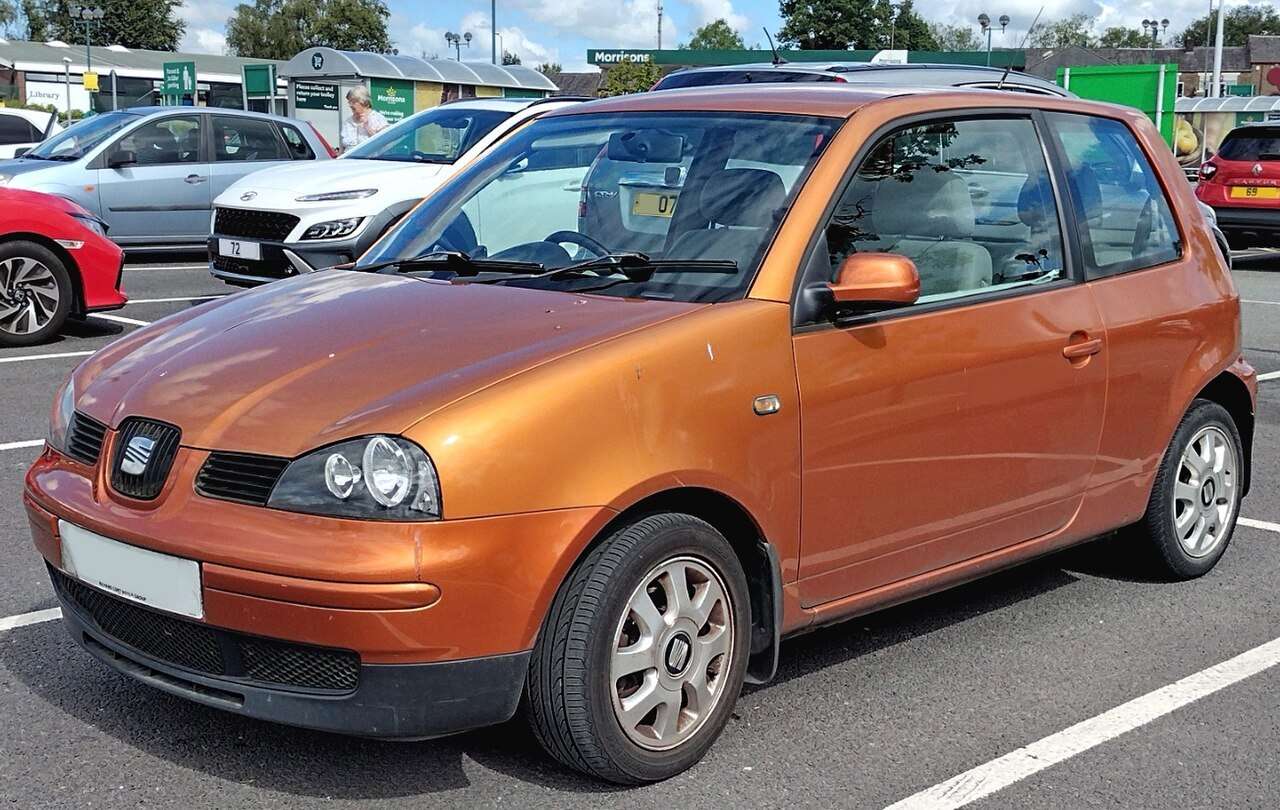
Featured image: Bronze SEAT Arosa S 1.4 TDI. Photo by DieselFordMondeo via Wikimedia Commons (CC BY-SA 4.0, resized).
Join the Unusual Cars Club
Get more forgotten performance cars, surprising motoring stories and new 10 Things articles by email.
Free to join. No spam. Unsubscribe whenever you like. See our Privacy Policy.