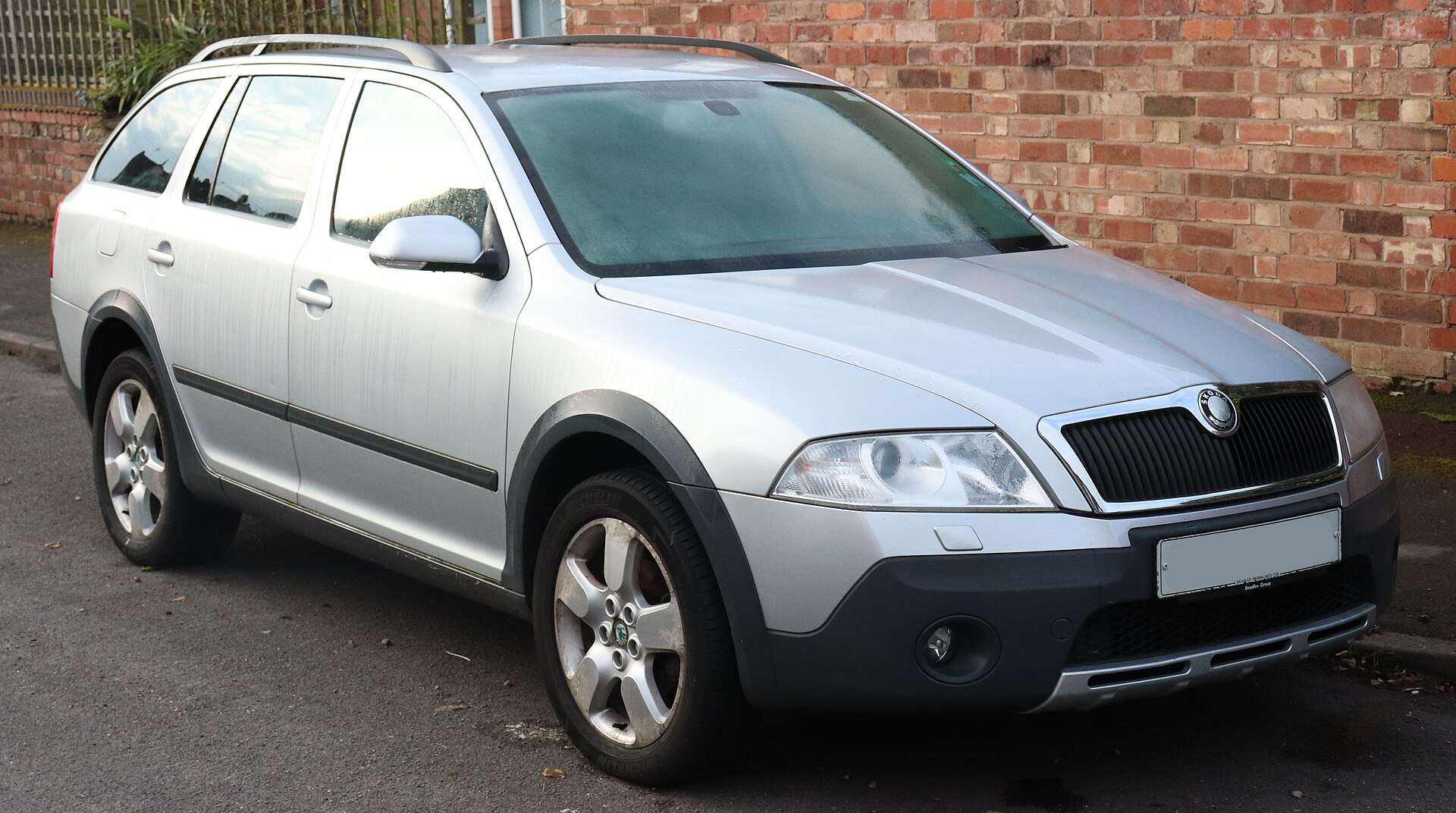
A used Octavia Scout makes a persuasive promise. It looks after the family during the week, takes a muddy campsite in its stride at the weekend and still drives much like an ordinary estate. There is one catch when you buy or maintain one. From the driver’s seat a Scout with a problem in its four-wheel-drive system can feel perfectly civilised on a dry road. A little engine-code reader can give it a clean bill of health for everything that reader has actually checked. The expensive question is whether anyone has asked the rear coupling how it is getting on.
That is where a scanner with proper Škoda coverage earns its place. It gives you a way to ask the engine, brakes, gateway, gearbox where fitted and four-wheel-drive controller their own questions. One Scout owner was quoted over a thousand pounds after losing communication with the coupling. Another traced a different fault to the pump. Those sound like similar stories until you read the two scans. Buying the same part for both would have been a considerable gamble.
Start with the right Octavia Scout
This guide concerns the Scout derivative of the second-generation Octavia, the type 1Z estate. Mk2 refers to the Octavia generation. A listing described simply as a second-generation Scout may concern a later Octavia. Give the scanner supplier the year, engine, transmission and vehicle identification number privately if needed. The year on the number plate alone can place a late-registered example on the wrong side of a model change. If you have an ordinary front-wheel-drive Octavia, our Octavia Mk2 scanner guide is the better starting point.
Find the engine and gearbox identifiers in the vehicle records or have a specialist identify them. Record the coupling identity when the scanner can read it. Scouts span changes in engine management and coupling hardware. A pump test, component position or servicing instruction found for one Haldex generation can lead you astray on another. A workshop can identify the hardware on a car whose original rear assembly has been replaced. That matters more than the colour of the plastic cladding or what the seller thinks the car has.

What the cheap reader can tell you
If the engine lamp comes on, keep the basic reader. It may give you an emissions-related code, the conditions captured when it was set and some live readings. Engine speed, load and coolant temperature can put a cold-start incident in a different light from a problem that appeared climbing with a trailer. Save the result before anybody clears it. You can use those figures again after paying for a repair. A successful read of the engine controller at least establishes that the reader and socket can communicate in that mode.
Now consider the rest of the car. The reader may offer no menu for all-wheel drive. A blank engine screen says nothing about the condition of the coupling, whether the brake controller receives its messages or whether a trailer module is fitted. On a suitable VAG scanner, addresses are shortcuts to individual controllers. Address 22 is the one to look for here, 03 identifies the brake electronics and 19 is the network gateway. A tool can give the names in plain English instead. What matters is seeing which ones responded and keeping their individual results.
Case one: what 01324 actually bought a Scout owner
In a published scan of a 2007 Scout, the brake electronics and gateway both recorded 01324 concerning the all-wheel-drive control module, J492. When the scanner tried to speak directly to address 22, it could not reach it. Think about where the messages originated. Two units that were awake independently reported losing contact with a third. Neither of those witnesses had examined the inside of the missing controller. That makes communication the first question for a technician to answer.
The owner reported a quote of £1,005.24. That is a historical quote for that individual car. It does give the decision some scale. Before authorising a controller at that price, you would want to know what proved it had its supply and earth, whether the connections were sound and whether it could communicate on the vehicle network. Those are workshop measurements. Saving the original report costs very little and gives you a sensible basis for requesting them. A scan by itself cannot confirm which terminal, length of harness or unit failed.
There is also a difference between an unsupported reader and an unresponsive car. If a handset does not even list the Scout’s rear-drive system, its failure to display a result has very little diagnostic value. If a known compatible tool identifies the car, the gateway expects the controller and other units have recorded its absence, that is stronger evidence. Ask the garage which situation it encountered. Otherwise a printed line saying there was no response may hide a limitation of the tool you paid to use.
Case two: the pump code that changed the decision
In a separate Octavia Scout pump investigation, the evidence included 00448 with detail 011, an open circuit concerning the pre-charge pump. The owner described checking connections and earth and reported that a replacement pump restored operation. The quoted £169 was the price in that account at the time. It is neither a price guide for today’s parts nor proof that a pump cures every Scout that struggles for grip. The important purchase in this story was made after the fault had been narrowed down.
An open circuit means the electrical path did not behave as expected. A plug, wiring or the load itself can produce that result. It is different from a controller disappearing altogether. Ask for the complete code including the extra digits, the name of the unit that logged it and whether it was present at the time of the test. A seller who sends a screenshot reading only “Haldex fault” has left out the details that distinguish the two case histories. Both cars could have produced almost the same description on a garage booking form.
Do not try to demonstrate four-wheel drive by provoking wheelspin on the road or running a raised car in gear. A specialist can assess operation under controlled conditions and identify what that generation offers in measured values and output tests. If the garage can command a component, ask what response it actually measured. A line on the tablet saying that the command was accepted confirms a different thing from pressure or torque being delivered. Likewise a clean fault memory is perfectly compatible with an overdue service or mechanical wear.
When ABS and traction warnings arrive together
The brake controller is a particularly good second stop on a Scout. It has its own information about wheel movement. A dashboard can show several warnings after a single input becomes unreliable. If there is a stored wheel-speed fault, ask for the corner, the wording and a comparison of the four channels under the same conditions. A momentary dropout at one corner can be much easier to see on a saved graph than by trying to remember four numbers. A professional can collect moving data safely while the driver concentrates on the car.
Like our guides and unusual cars?
Get forgotten finds, useful motoring content and the most interesting car stuff from us by email.
Free to join. No spam. Unsubscribe whenever you like. See our privacy policy.
There is a trap in calling every wheel-speed fault a sensor. The signal also relies on its supply, connectors, wiring and the target that passes the sensor. A defect that appears when the wheel moves can need a different investigation from an open circuit that appears as soon as the ignition is switched on. Let the evidence determine whether the next appointment is for electrical testing or for inspection around a wheel bearing. The saved ABS report also helps explain why another system temporarily stopped trusting the information it was receiving.
Tyres deserve a separate look. Record the sizes actually fitted and check pressures against the vehicle’s information. Ask about the history of a lone new tyre among three heavily worn ones. A fault-free scan cannot measure tread, establish that a wheel is straight or tell you whether a tyre is safe. Combining the physical check with the four speed channels gives the workshop much better information than buying a coupling because a tyre scrabbled on wet grass. Follow the handbook if a brake warning stays on or the pedal feels abnormal.
A diesel example: pressure reading or blocked filter?
On a diesel fitted with a particulate filter, P2452 is a useful example of a code a generic reader may already show. The Ross-Tech reference for P2452 describes an electrical malfunction involving the differential pressure sensor. This is a code reference, rather than a claim that either of the two Scouts above logged it. The sensor helps the engine controller assess the pressure difference across the filter. An electrical problem in that measurement raises a different question from a filter that is genuinely heavily loaded.
A better reader can be worth the extra money even if both machines display the same five characters. Ask whether it shows differential pressure with units, calculated soot load, regeneration information and relevant temperatures on your particular engine. A pressure figure recorded with the engine stopped is measuring a different condition from one taken with exhaust flowing. A garage can compare readings under specified conditions and inspect the sensor circuit and hoses. Record whether the figure changes plausibly. Copying a single number from a different TDI engine is a poor way to condemn a filter.
Imagine being offered an expensive clean because the dashboard mentions the filter. If the controller cannot trust the information used to assess that filter, establish why first. Conversely, a sound sensor does not guarantee that the filter, pipes or rest of the engine are healthy. Oil level, other stored faults and the manufacturer’s test conditions matter. Leave service regeneration to someone able to check the prerequisites. An owner gains a great deal from having the evidence without needing access to every button on the diagnostic screen.
Gearbox behaviour and a Scout used for towing
If your Scout has a DSG, it has another controller worth reading in its own right. Note the gear displayed, whether the car was cold, whether you were reversing uphill or pulling away on level ground, and whether the symptom involved an engine hesitation or a loss of drive. An engine stumble and a gearbox intervention can feel much the same through the seat. Save both reports. On a manual Scout the absence of a separate DSG controller is entirely expected. Selecting a different gearbox profile to make a menu appear can make your results meaningless.
A specialist may ask for gearbox temperature and selected gear when an event recurs, together with evidence of the service history appropriate to that transmission. A cold reading taken on the drive cannot explain every symptom after a long tow. Equally, changing adaptation values just to see how the car feels can remove a useful baseline. Ask for a diagnosis that explains why the symptom occurs under those conditions. The scanner can document gearbox involvement, while a physical inspection can address mounts, driveshafts, clutch wear or another mechanical cause.
If a towbar is fitted, find out which electrics were installed. A dedicated trailer module that communicates with the car is a different installation from aftermarket wiring that never appears in the gateway list. For parking warnings that occur only with a trailer or cycle carrier connected, save one stationary report with the accessory connected and another after it has been disconnected normally. Check the actual lamps and plug as well. This can distinguish a vehicle that recognises the trailer from one that is reacting to an electrical problem or simply detecting the carrier behind it.
Inspecting a used Scout before spending money
Get the seller’s permission for a read-only scan and ask for any recent invoices. Photograph the dash at ignition on and once the engine is running. Save the full report with the date and mileage. In a quiet moment, read its list of responding modules as carefully as its list of faults. A seller may describe a car as fault free because the engine lamp is out. A saved list showing that nobody interrogated the rear drive is a useful reason to arrange an independent inspection before agreeing a price.
Match the scan to the history. An invoice for coupling servicing is valuable, but find out what was actually done and to which unit. A rear differential and a coupling sit near one another and an invoice described loosely as an oil change can be ambiguous. Ask for the part or fluid description and the job detail. Conversely, a fresh pump invoice does not account for an active communication fault today. The two case histories show why the identity of the code matters more than the assurance that somebody has already spent money on the back axle.
After an agreed repair, keep the before and after reports together. Was address 22 reachable? Did the open circuit return? Was operation checked under appropriate conditions? A cleared memory immediately outside the workshop answers only the first part of a longer question. If the fault historically appeared only after a wet journey, note whether comparable conditions have occurred since. You can describe a genuine improvement while still distinguishing it from a repair that has been fully demonstrated. That is especially valuable when different garages maintain the car over several years.
Which scanner is worth buying for a Mk2 Scout?
The published iCarsoft VAWS V3 Škoda vehicle list is a starting point for Octavia coverage. Ask the seller specifically about access to address 22 on your 1Z, ABS wheel-speed data, your engine and your transmission. Ask for a sample exported report and what happens to those functions if you stop buying updates. If the answer only confirms that the scanner supports OBD2 petrols and diesels, you already know it can perform the job of the cheaper reader. The extra cost should buy a demonstrable answer about the rear coupling.
For an owner with one immediate fault, compare the scanner price with a diagnostic session at a VAG specialist who can measure the actual circuit and test operation. For a household maintaining a Scout for several years, the calculation changes. You can preserve intermittent evidence between visits, assess unrelated warning lights and get a baseline before a long tow. For a prospective buyer, an inspection also buys independent eyes on tyres, corrosion, leaks and the underside. Decide which questions you will genuinely use your own equipment to answer.
Our buying test would be simple. Put the two published cases side by side and ask the supplier how its machine would present each one. Could you see J492 missing from the network in the first? Could you retain the pump’s complete electrical fault in the second? Would the saved report let a garage distinguish the two without borrowing your handset? A scanner that can do that gives a Scout owner something tangible for the money, even when the eventual repair is a job for somebody else. Keep the original files somewhere you can find them when the next warning appears.
Browse all Škoda diagnostic scanner guides
Photograph by Vauxford, via Wikimedia Commons, licensed under CC BY-SA 4.0.
Like our guides and unusual cars?
Get forgotten finds, useful motoring content and the most interesting car stuff from us by email.
Free to join. No spam. Unsubscribe whenever you like. See our privacy policy.