The Jensen S-V8 was an ambitious British roadster with a Ford V8, aluminium body and a famous badge. Its short, troubled production run made it far rarer than almost any contemporary TVR or Morgan.
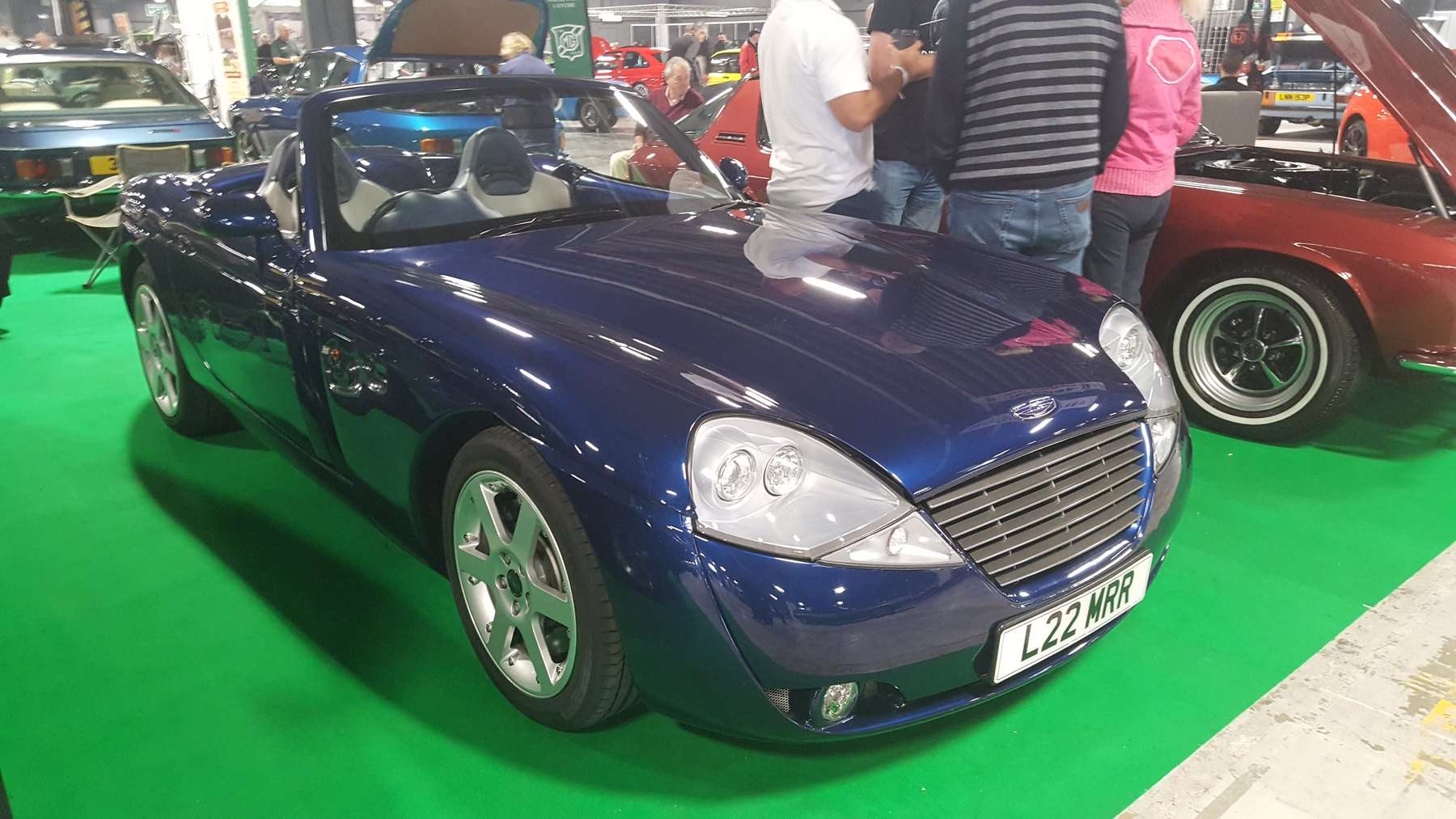
A Jensen revival for the 1990s
The project began under the Rio and Vulcan names before appearing publicly as the S-V8 at the 1998 British International Motor Show. It promised a traditional front-engined, rear-wheel-drive British roadster created with modern low-volume methods.
Styling was deliberately individual, with an oval grille, compact cabin and muscular rear haunches. It did not imitate the classic Interceptor; instead it tried to translate Jensen’s hand-built GT identity into a two-seat sports car.
Customer cars followed from a new factory at Speke, Liverpool, but production difficulties and financial pressure overwhelmed the company in July 2002.

Ford V8 power and aluminium construction
A 4.6-litre Ford modular V8 supplied around 325 bhp through a manual gearbox to the rear wheels. The engine was proven and understressed compared with many bespoke alternatives, giving the car the easy torque expected of a Jensen.
The aluminium body covered a strong spaceframe. Independent suspension and large brakes aimed to combine roadster excitement with genuine touring ability.
Performance was firmly in the contemporary sports-car class, but the S-V8’s character was less clinical: a burbling V8, open cockpit and hand-built detail defined the experience.
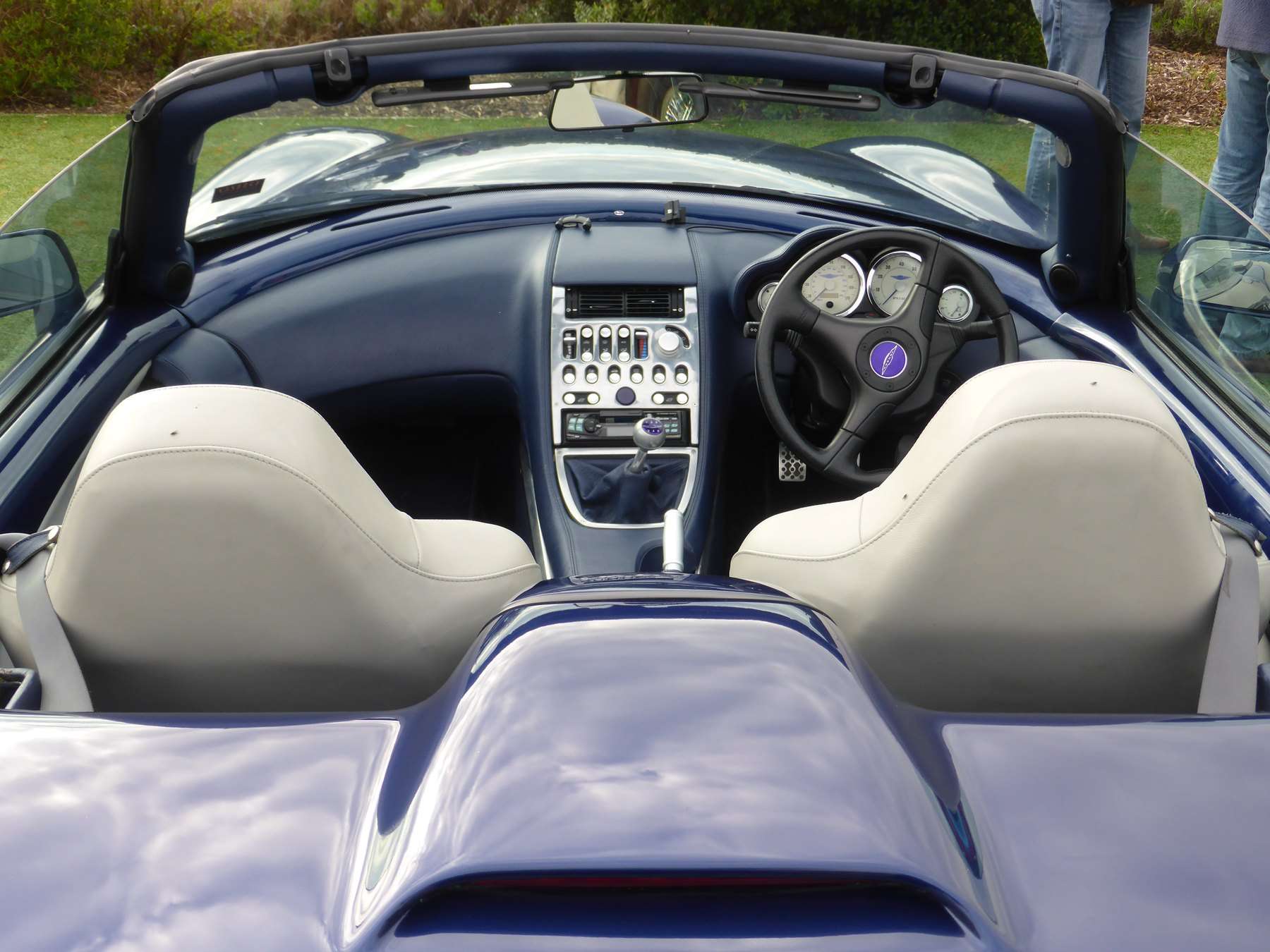
Why production numbers vary
Jensen Owners’ Club records list 30 cars, while other specialist histories describe additional chassis completed after the original company failed. Figures around the high thirties or low forties are often quoted depending on whether unfinished and later-completed cars are counted.
That disagreement is important for buyers. Chassis history, completion date and who finished the car should be documented, because “2001”, “2003” or “2004” registrations can describe different stages in the same troubled production story.
Rarity is beyond doubt, but provenance is more meaningful than a simplified total.
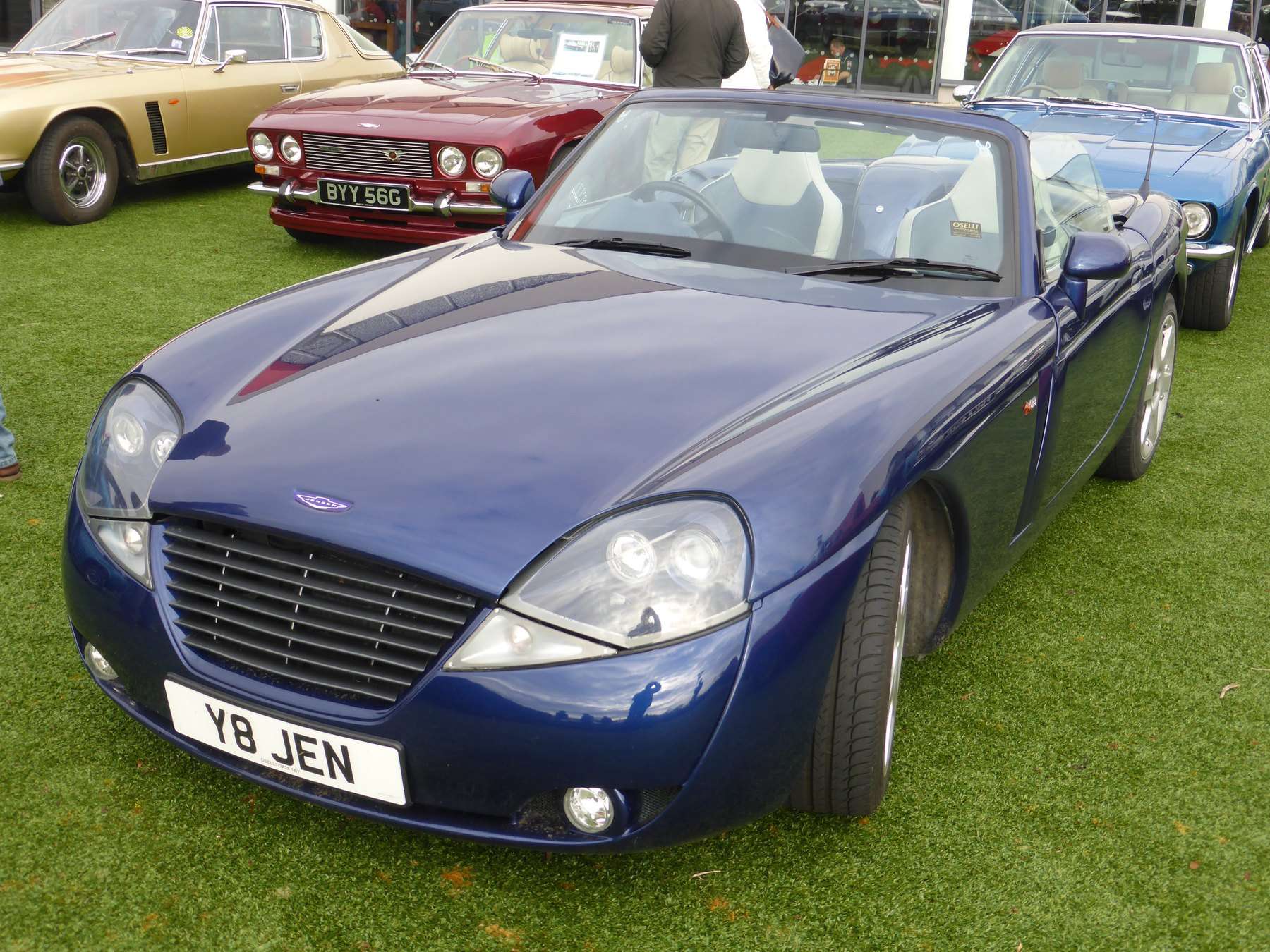
Driving an S-V8
The Ford engine dominates in the best way: flexible at ordinary speeds and forceful when extended. With little weight and no roof to mute the exhaust, the car delivers drama without needing extreme revs.
Low-volume assembly means individual cars can differ. Geometry, dampers, tyres and the quality of post-production development all influence how polished one feels, so a long test drive matters.

What to inspect
Establish the exact chassis story first. Check factory and completion records, invoices, recalls or remedial work, and any upgrades performed by recognised specialists. Verify that identification numbers agree across the car and paperwork.
Inspect the spaceframe, aluminium panels and mounting points for corrosion, cracking or accident repair. Cooling, wiring, weather sealing, hood operation and cabin trim deserve patient examination because replacement parts can require specialist fabrication.
The Ford drivetrain is reassuring, but installation-specific parts are the greater concern. Buy on history and condition, not mileage alone, and speak to the Jensen Owners’ Club before committing.
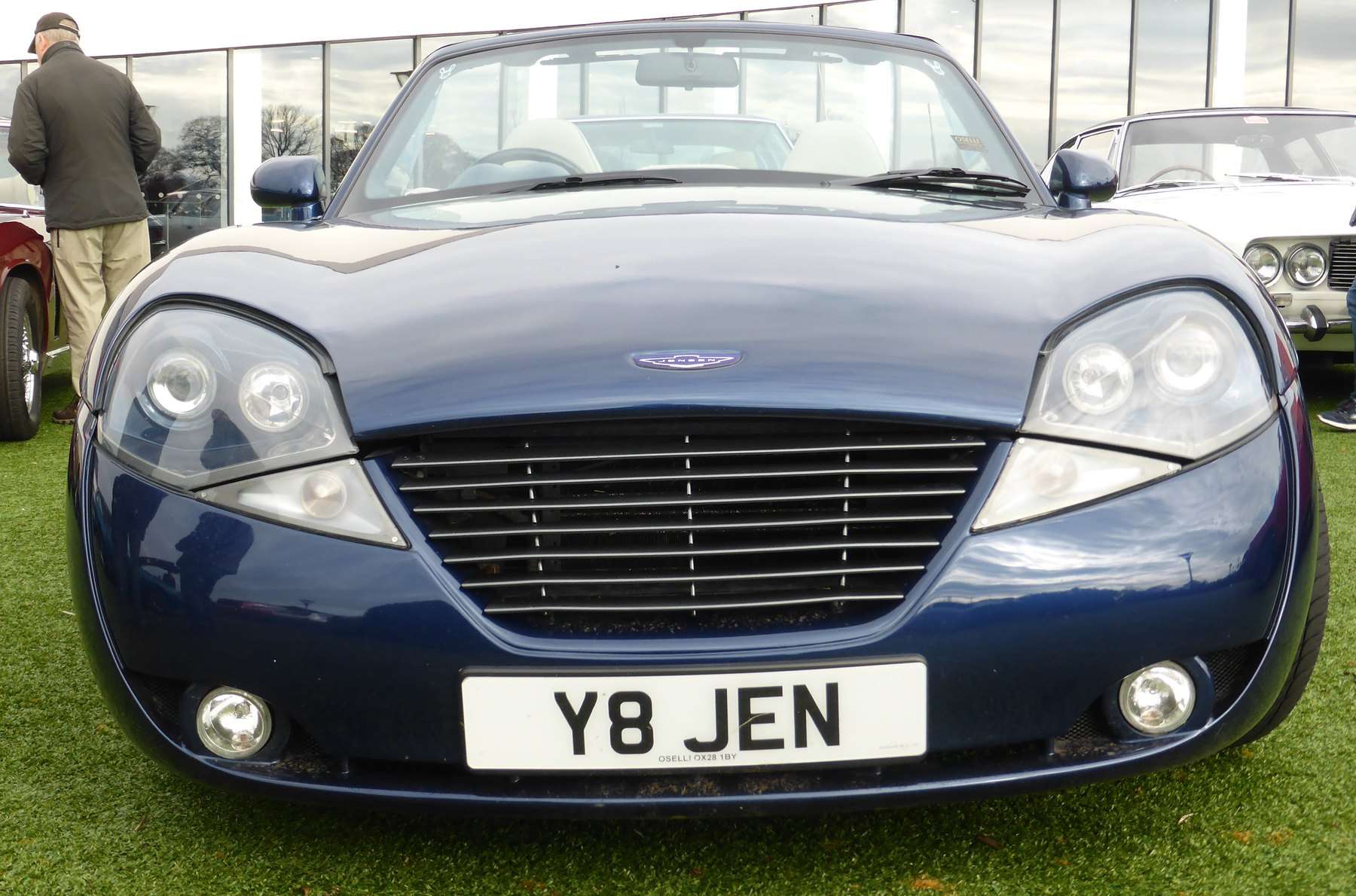
A compelling unfinished comeback
The S-V8 was neither a replica nor a cynical badge exercise. It was a genuine attempt to restart British series production around a charismatic, usable sports car.
Its failure makes the surviving cars more interesting, not less. Each preserves a rare moment when Jensen nearly returned as an independent manufacturer, making the S-V8 one of the most distinctive British performance stories of its generation.
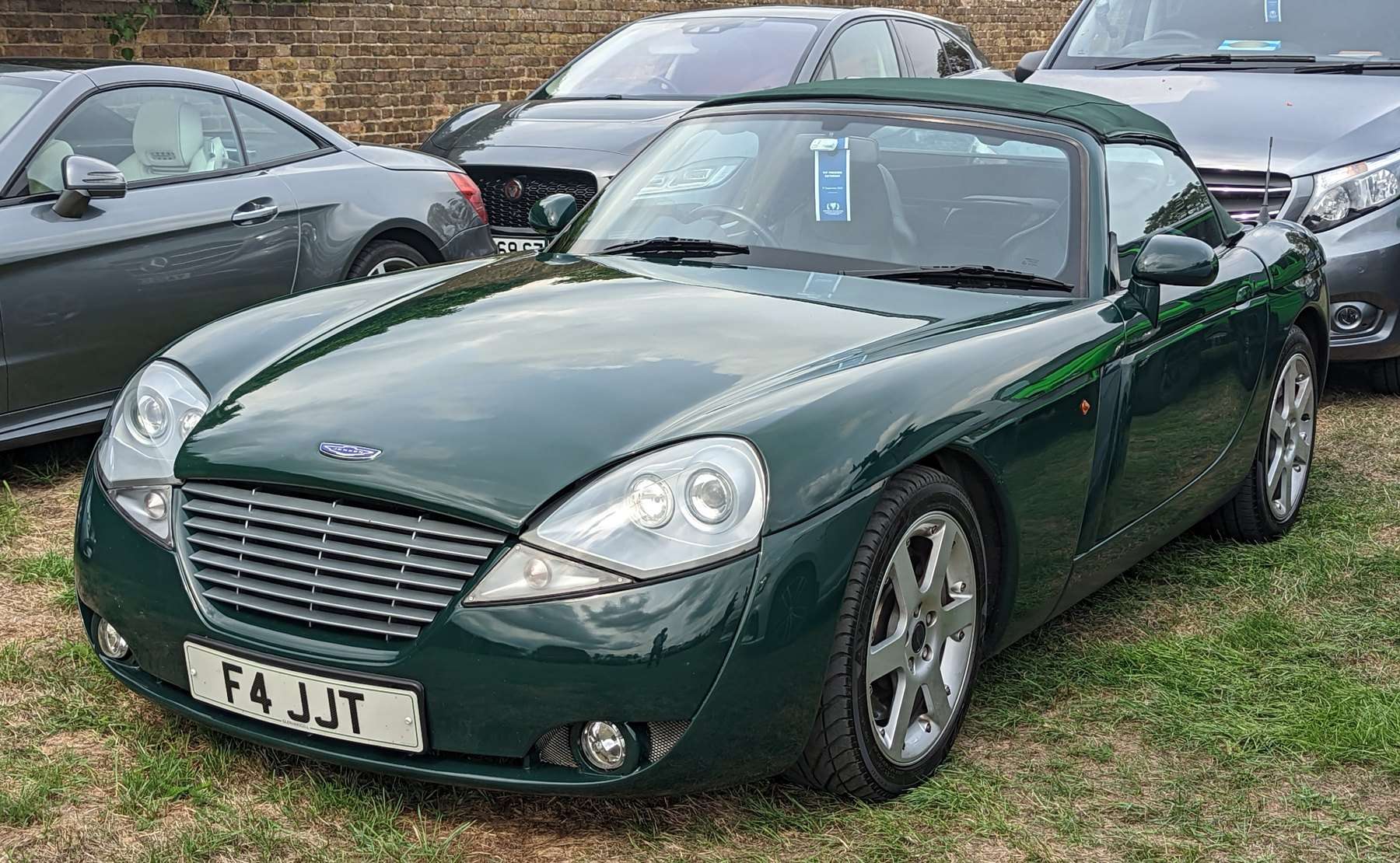
Frequently asked questions
When was the Jensen S-V8 launched?
It was shown at the 1998 British International Motor Show and customer production began in the early 2000s.
What engine is in the Jensen S-V8?
It uses a 4.6-litre Ford modular V8, commonly quoted at about 325 bhp.
How many Jensen S-V8s were made?
The Jensen Owners’ Club lists 30, while higher totals include cars completed after the original company failed.
Where was the Jensen S-V8 built?
Production was established at Speke in Liverpool.
Is the Jensen S-V8 difficult to own?
The Ford drivetrain is familiar, but body, chassis, electrical and trim parts are rare, so specialist support and a documented car are essential.
Sources and further reading
Jensen Owners’ Club model histories and production records; The Jensen Museum production and model features; period specifications collated by the Jensen-Healey Preservation Society. Vehicle photographs are individually credited beneath each image.