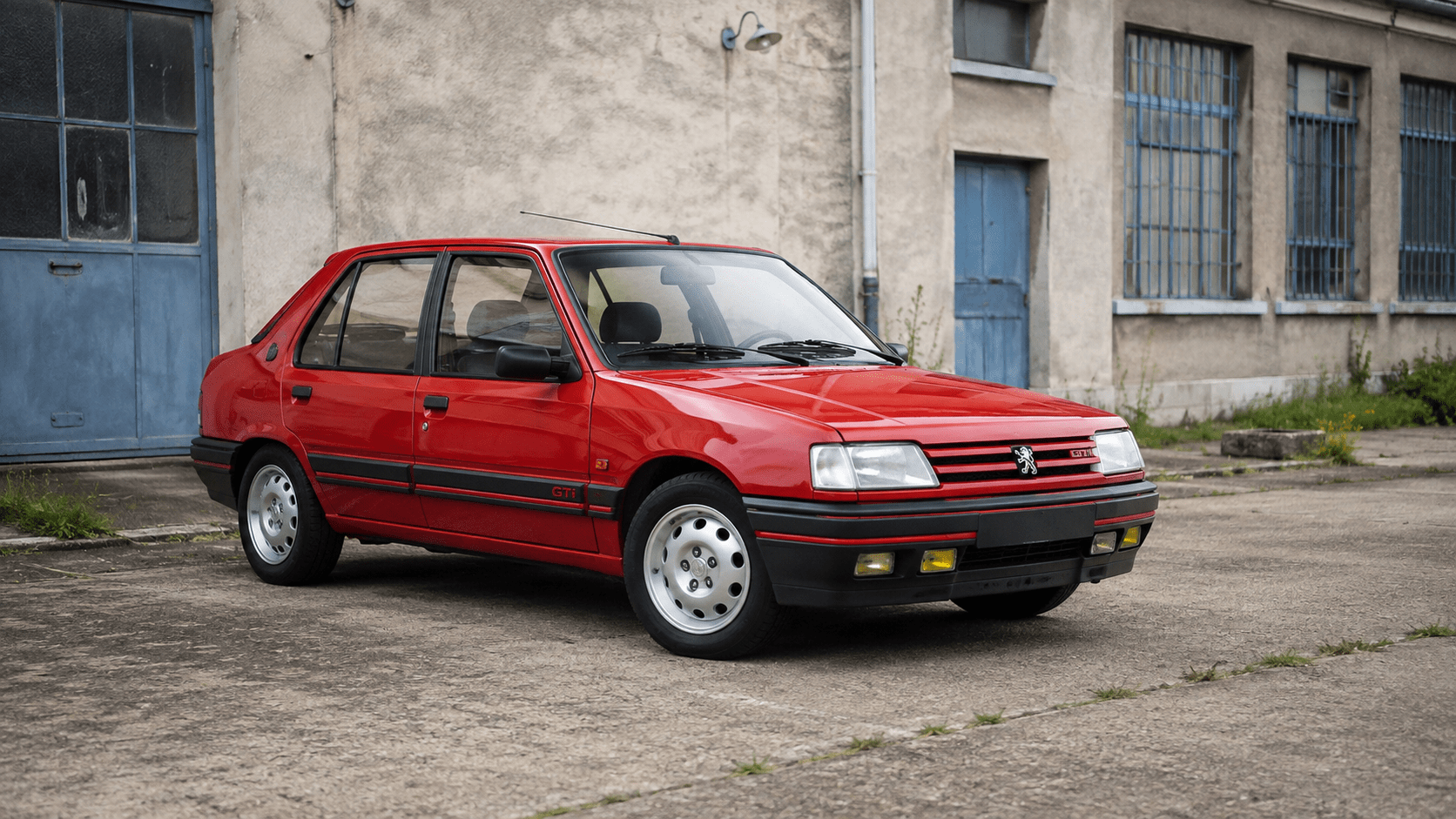
The Peugeot 309 GTI has always lived in the shadow of the 205 GTI, which is precisely why it makes such an intriguing classic. It was larger, rarer and arguably more composed, while the elusive GTI16 added the extraordinary 160PS engine from the 405 Mi16. Its history also began somewhere few people expect.
1. It began life as a Talbot project
The 309 was developed under PSA’s Talbot marque as Project C28 and was intended to replace the ageing Horizon. By the time it reached production in 1985, PSA had decided to retire Talbot from mainstream passenger cars, so the newcomer became a Peugeot. Its slightly unconventional proportions make more sense when you know it was never originally conceived as a normal member of the Peugeot range.
2. Its name deliberately broke Peugeot tradition
Peugeot’s normal sequence suggested that a new family hatchback should have worn a number in the “05” generation. Instead, the company chose 309. The unusual badge helped separate this Talbot-derived car from both the smaller 205 and the forthcoming 405—and avoided using 306 years before that model existed.
3. It shared more with the 205 than most people realise
The 309 used PSA’s familiar transverse-engined architecture and borrowed the 205’s front doors, although its wheelbase, body and market position were different. The family resemblance extends underneath, but the 309 was not simply a 205 with a larger boot. Its longer wheelbase and wider track gave it a distinct road manner.

4. Britain built a great many of them
Production took place at Peugeot’s Ryton plant near Coventry as well as factories on the Continent. That British connection made the 309 a familiar sight on UK roads and an important part of Ryton’s history. Across all versions, more than 1.6 million 309s were produced between 1985 and 1994.
Love cars you don’t see every day?
Get forgotten cars, surprising motoring stories and the most interesting finds from Unusual Cars by email.
Free to join. No spam. Unsubscribe whenever you like. See our Privacy Policy.
5. The 1.9 GTI arrived in 1987 with 130PS
The best-known version used the fuel-injected 1,905cc XU engine also associated with the 205 GTI. In early non-catalyst form it produced about 130PS, enough for 0–62mph in roughly eight seconds and a top speed around 127mph. Those numbers were serious in a practical five-door family hatchback of the period.
6. It was calmer than a 205 GTI—but not duller
The 309’s longer wheelbase and wider track gave it greater high-speed stability than the famously lively 205. Contemporary testers often found it easier to place and more forgiving near the limit. That led some drivers to dismiss it as less exciting, while others regarded it as the more complete cross-country car.
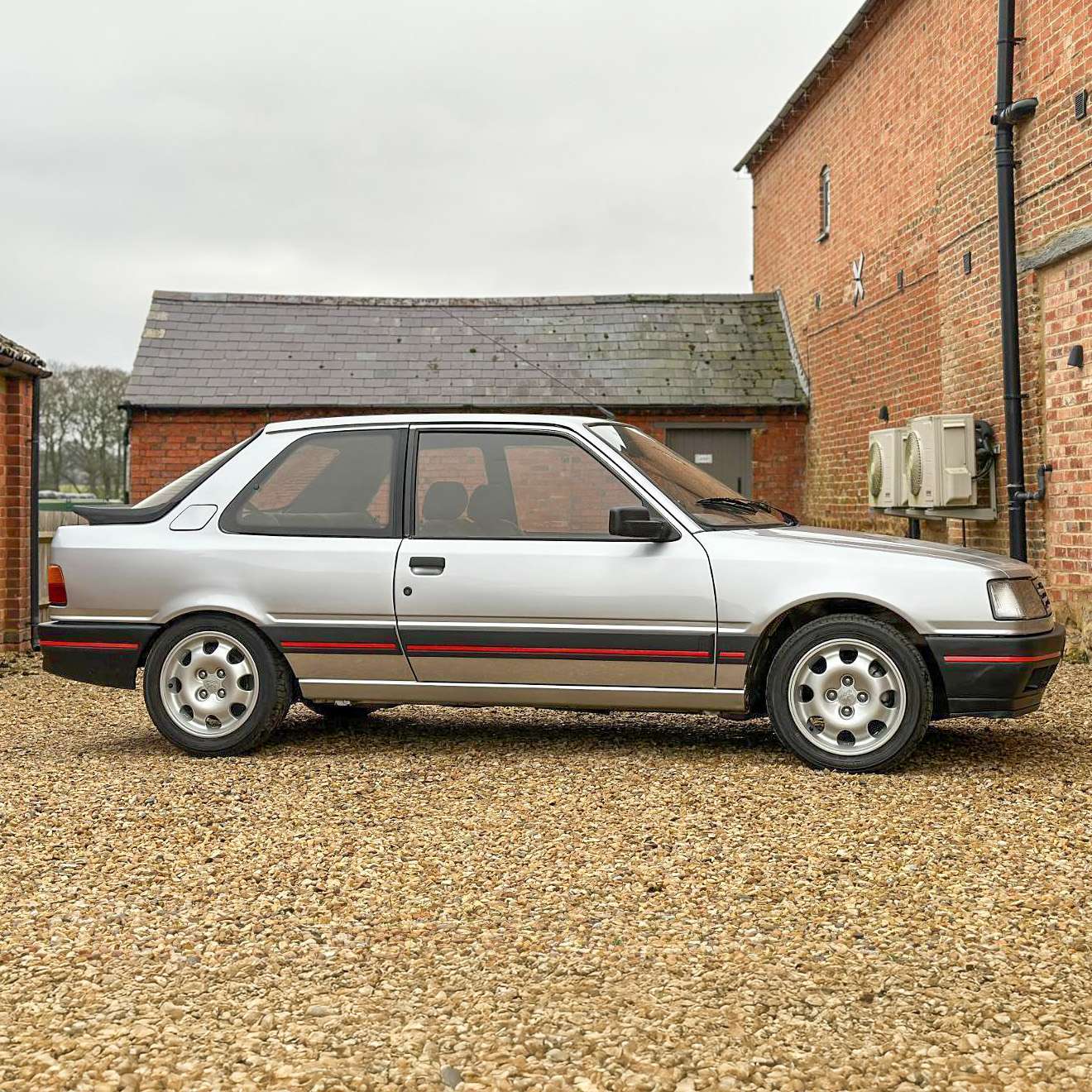
7. A five-door GTI was part of the appeal
Unlike many hot hatches whose sporty identity depended on three doors, the 309 GTI could combine serious performance with five-door usefulness in several markets. It made the car unusually discreet and practical: school-run bodywork, light kerb weight and one of Peugeot’s finest chassis in the same package.
8. The GTI16 borrowed the 405 Mi16’s engine
For 1989, Peugeot installed the 1.9-litre XU9J4 twin-cam sixteen-valve engine from the 405 Mi16. With around 160PS in non-catalyst form, the 309 GTI16 had an exceptional power-to-weight ratio and could reach 62mph in a little over seven seconds. It was one of the fastest front-wheel-drive hatchbacks of its era.
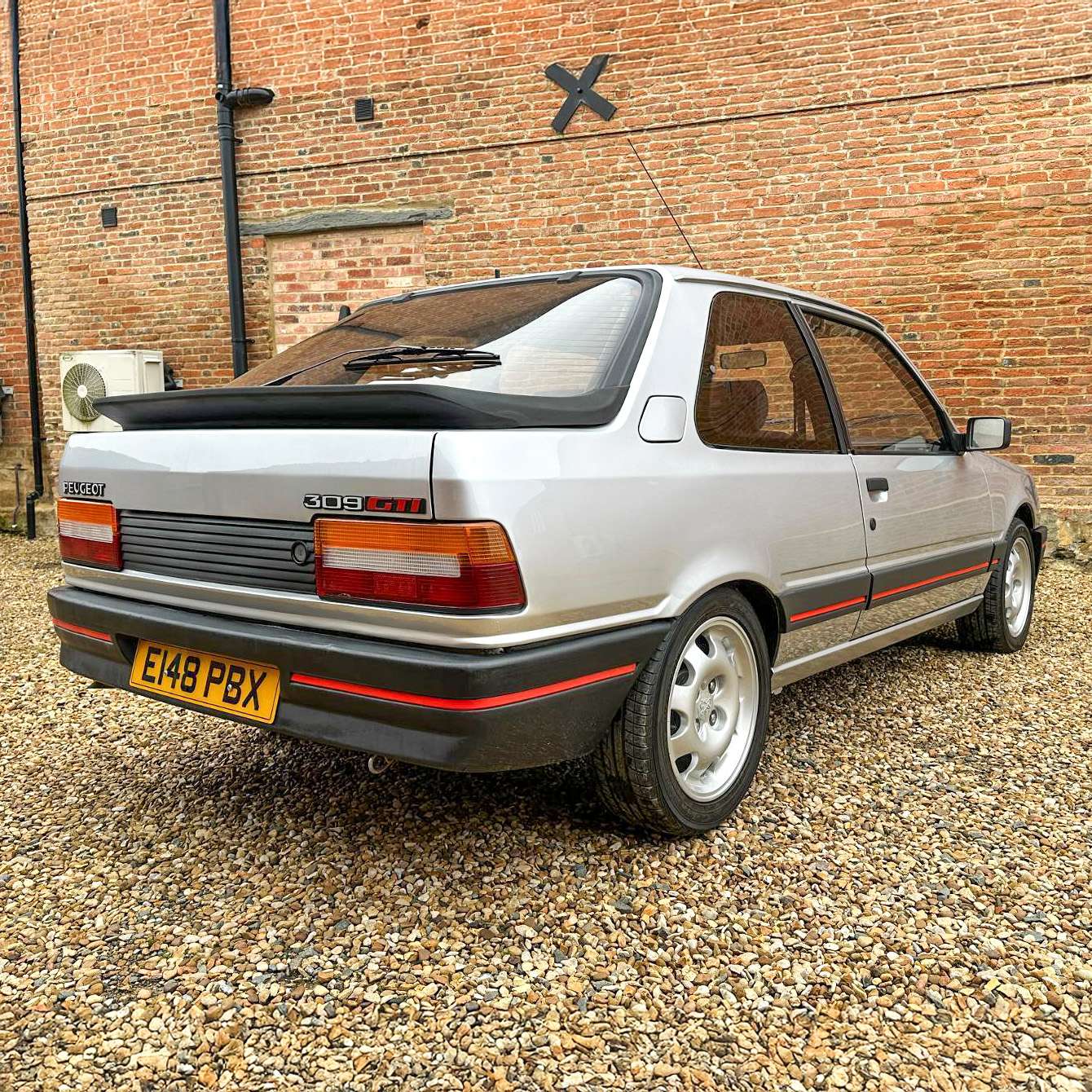
9. Britain never officially received the GTI16
The most exciting 309 was not a regular right-hand-drive UK showroom model. Genuine GTI16s are therefore usually left-hand-drive imports, while some British cars have received later Mi16 engine conversions. A real factory car should be checked carefully against its identity, specification and history rather than judged by badges alone.
10. The Goodwood became a very British farewell
Near the end of the model’s life, Peugeot offered the UK-market 309 GTI Goodwood. Finished in metallic green with matching details and a leather-trimmed cabin, it echoed the 205 GTI Goodwood and gave the outgoing 309 a distinctive collector-friendly identity. It is now among the most sought-after official UK versions.

Why the Peugeot 309 GTI deserves more attention
The 309 GTI did not replace the 205’s delicate, mischievous personality; it offered something different. It was roomier, more settled and every bit as rooted in Peugeot’s golden-era chassis engineering. Add the Talbot origin story and the near-mythical GTI16, and the overlooked 309 becomes one of the most interesting hot hatches of its generation.
Read our full Peugeot 309 history and buying guide, or explore every 10 Things article.
Love cars you don’t see every day?
Get forgotten cars, surprising motoring stories and the most interesting finds from Unusual Cars by email.
Free to join. No spam. Unsubscribe whenever you like. See our Privacy Policy.