
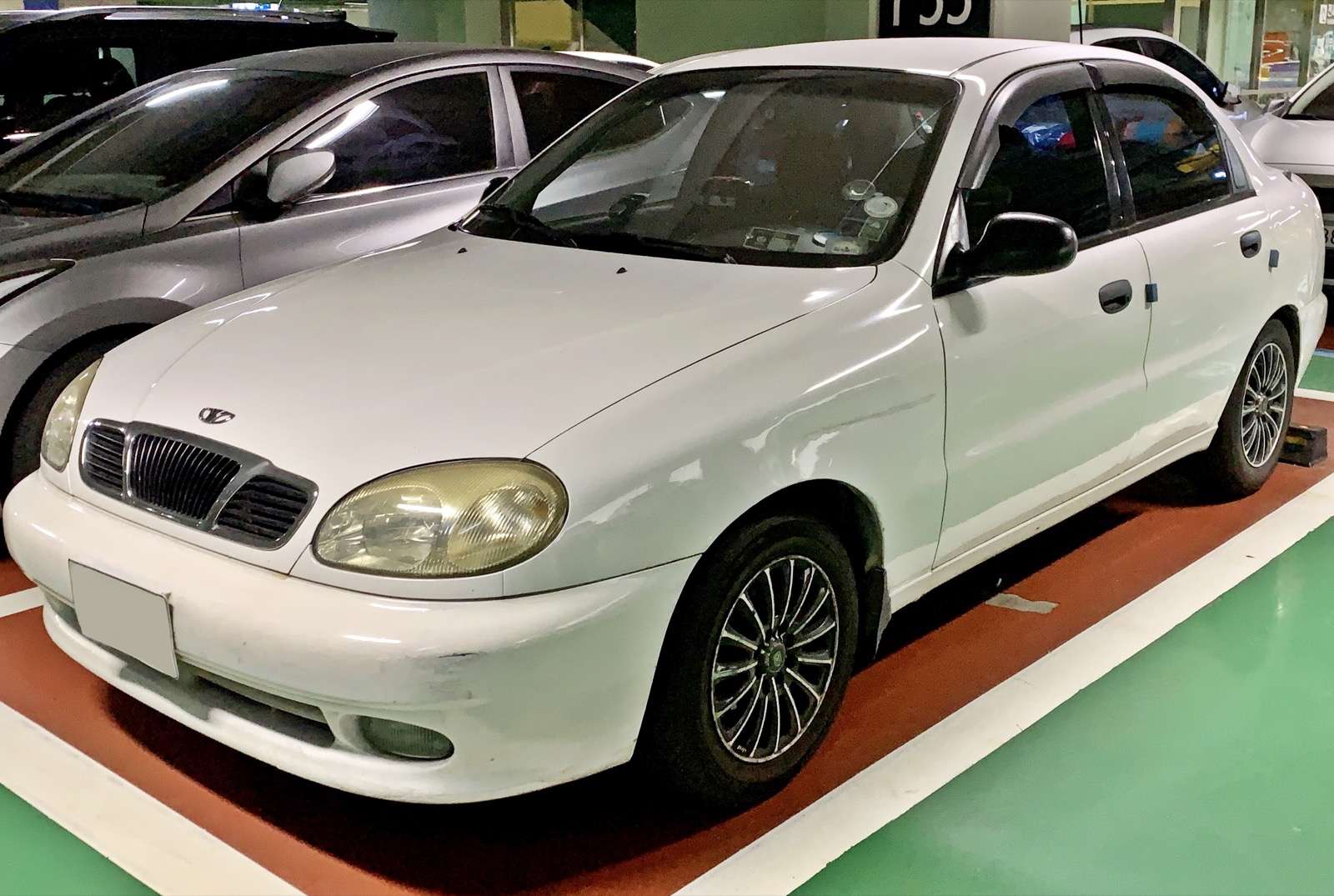
The Daewoo Lanos was the small car that proved Daewoo could move beyond reheated GM designs. Launched in Britain in September 1997, it replaced the Nexia with fresh Italdesign styling, new development work and the same value-led ownership promise.
A new generation for Daewoo
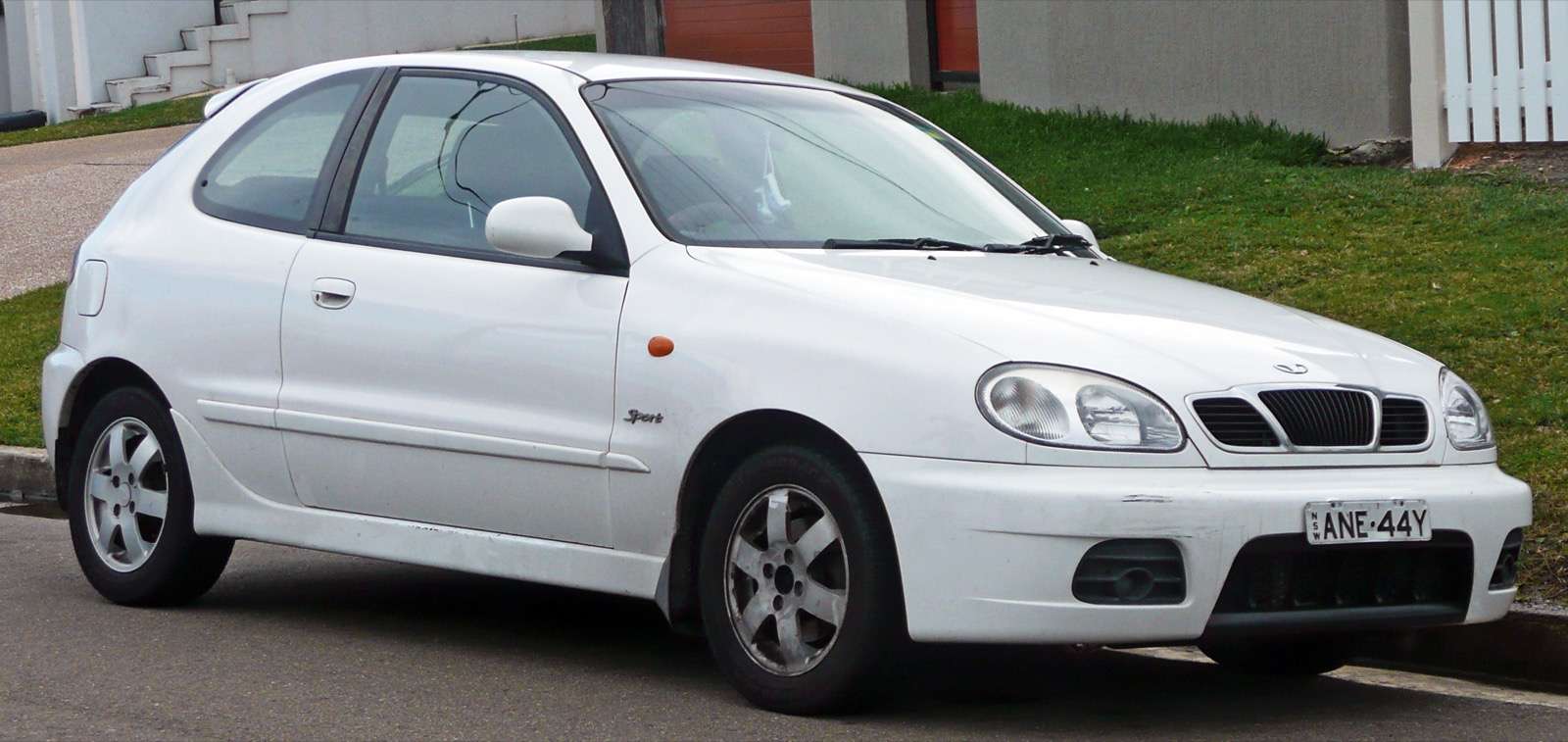
The Lanos arrived with the Nubira as part of Daewoo’s first genuinely new model family for the UK. Giorgetto Giugiaro’s Italdesign shaped the rounded body, while British engineering specialist Ricardo contributed to powertrain development. Three-door and five-door hatchbacks were joined by a four-door saloon.
Daewoo retained its distinctive retail message: useful standard equipment, simple pricing and strong aftersales reassurance. By 1997 the badge was no longer unknown in Britain, and the Lanos was expected to compete on more than novelty.
UK models and specifications
The entry engine was a 1.4-litre eight-valve unit producing about 74bhp. A 1.6-litre 16-valve engine offered roughly 105bhp and much stronger acceleration. Trim levels broadly ran from S through SE to SX, with the equipment count increasing faster than the price.
| UK detail | Lanos specification |
|---|---|
| UK launch | September 1997 |
| Body styles | 3-door hatch, 5-door hatch, 4-door saloon |
| Engines | 1.4 8v, about 74bhp; 1.6 16v, about 105bhp |
| Trim | S, SE and SX, plus later derivatives |
| Gearboxes | 5-speed manual or automatic on selected models |
| UK sales ended | Early 2003 |
The AA measured the 1.4 at around 14.8 seconds from 0–60mph, while the 1.6 cut roughly three and a half seconds from that time. The smaller engine suited town use; the 1.6 was the more relaxed choice for motorway work or a fully loaded car.
Driving and practicality
The Lanos was easy to drive, with light controls, a comfortable low-speed ride and an uncomplicated cabin. Its steering and body control were not class-leading, but it behaved predictably and offered useful space for its footprint. The three-door had the strongest visual character, while the five-door was the sensible family version.
A mild update in 2000 freshened the car without changing its basic personality. By then rivals from Hyundai, Kia and European makers had moved quickly, yet aggressive pricing kept the Lanos relevant to buyers who valued equipment and warranty cover over badge status.

Daewoo Lanos buying guide
Timing belt and engine condition
A documented timing-belt and tensioner change is essential. A snapped belt can cause major engine damage, so do not accept guesswork about the interval. The 1.6 should idle cleanly; hesitation or uneven running needs diagnosis rather than optimistic promises.
Rust and accident repairs
Inspect sills, rear arches, floor edges and suspension mounts. Check panel gaps and paint match because many cars were worth too little to justify careful body repairs. Replacement exterior trim is now harder to find than routine mechanical service items.
Brakes and suspension
Rear brakes can bind after standing. Listen for suspension knocks, check tyre wear and make sure ABS warning lights illuminate and then extinguish normally. A vague drive may be tired bushes, poor alignment or both.
Cabin and electrics
Wind noise, rattles and loose trim were reported even when the cars were young. Test central locking, electric windows, heater fan, rear demister and every switch. A complete, dry interior is a major advantage because breakers no longer hold shelves of Lanos parts.

Why the Lanos matters
The Lanos is easy to dismiss as a budget supermini, but it marks the moment Daewoo tried to become a global carmaker with its own designs. It was widely seen on British roads, especially as inexpensive used transport, then vanished with remarkable speed.
Today the best examples have period charm and genuine rarity. The 1.6 three-door is the enthusiast’s choice, but any solid, original Lanos preserves an important chapter in the rise of Korean cars in Britain.
Love cars you don’t see every day?
Get forgotten cars, surprising motoring stories and the most interesting finds from Unusual Cars by email.
Free to join. No spam. Unsubscribe whenever you like. See our privacy policy.
Explore more unusual Daewoos
See the complete Daewoo collection on our Rare & Forgotten Daewoos hub.
