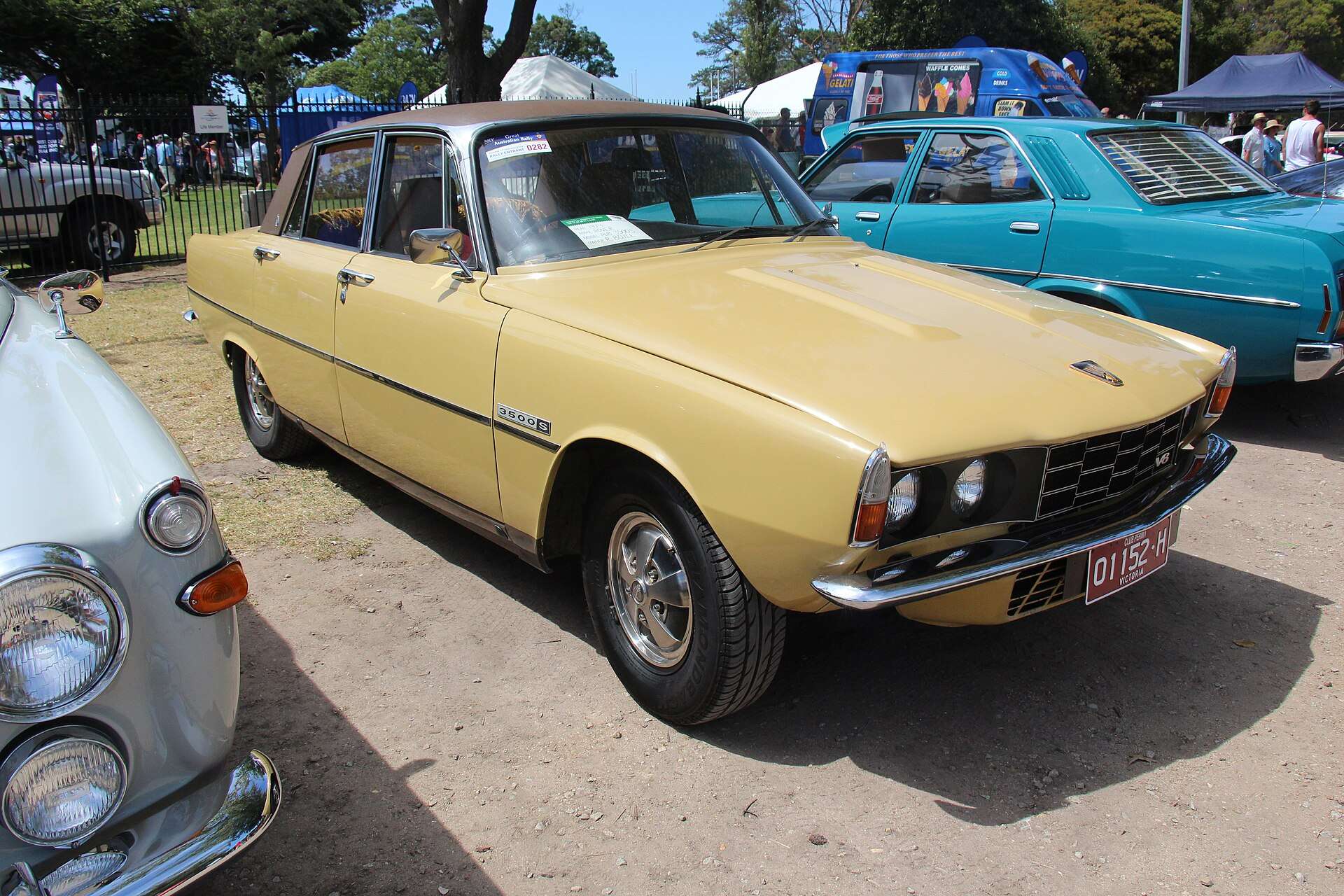
The Rover P6 3500S looked like a restrained executive saloon, yet beneath its formal body sat an aluminium V8, a de Dion rear axle and one of the most unconventional suspension layouts fitted to a British production car.
Here are ten details that reveal why the manual V8 P6 was so much more advanced than its sober image suggested.
1. The P6 was the first European Car of the Year
Rover’s new 2000 won the inaugural European Car of the Year award for 1964. The judges were recognising an entirely fresh design aimed at the emerging “young executive” market—not a warmed-over version of Rover’s traditional P4 or P5.
2. Its body panels were bolted to a structural base unit
The passenger cell carried the loads while exterior panels could be unbolted. Bonnet and boot lid were aluminium. The idea simplified repair and allowed Rover to change the car’s appearance without redesigning its fundamental structure, although corrosion hidden beneath removable panels can be deceptive today.
3. The front suspension was designed with a gas turbine in mind
Instead of conventional vertical spring units, the P6 used bellcranks to transfer suspension loads to horizontally mounted springs high in the engine bay. This left width for experimental power units such as Rover’s gas turbine—and later made space for the wide V8 remarkably convenient.
4. The rear brakes were mounted inboard
A de Dion rear layout kept the wheels upright while inboard disc brakes reduced unsprung weight. It was expensive, sophisticated engineering for a family-sized saloon. The downside for modern owners is access: servicing the rear brakes is considerably less convenient than replacing conventional wheel-mounted discs.
Love cars you don’t see every day?
Join the Unusual Cars Club for new “10 Things” articles, forgotten cars and surprising motoring stories by email.
5. Rover’s V8 began life at Buick
The compact all-aluminium engine originated as General Motors’ Buick 215. Rover managing director William Martin-Hurst recognised its potential, secured the rights and re-engineered it for British manufacture. In 3,528cc form it transformed the P6 without imposing the weight of a large iron engine.
6. The V8 P6 was automatic-only for more than three years
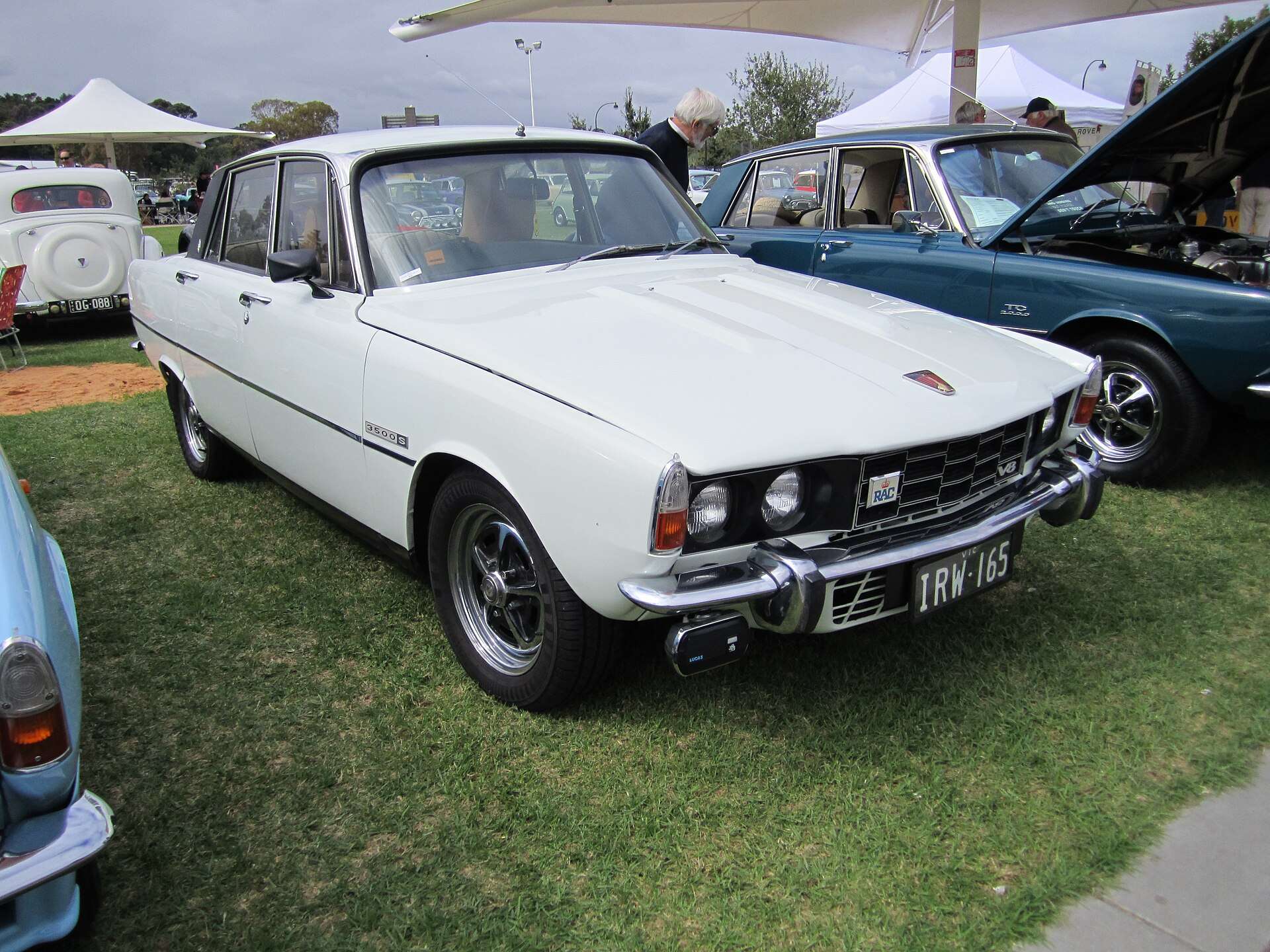
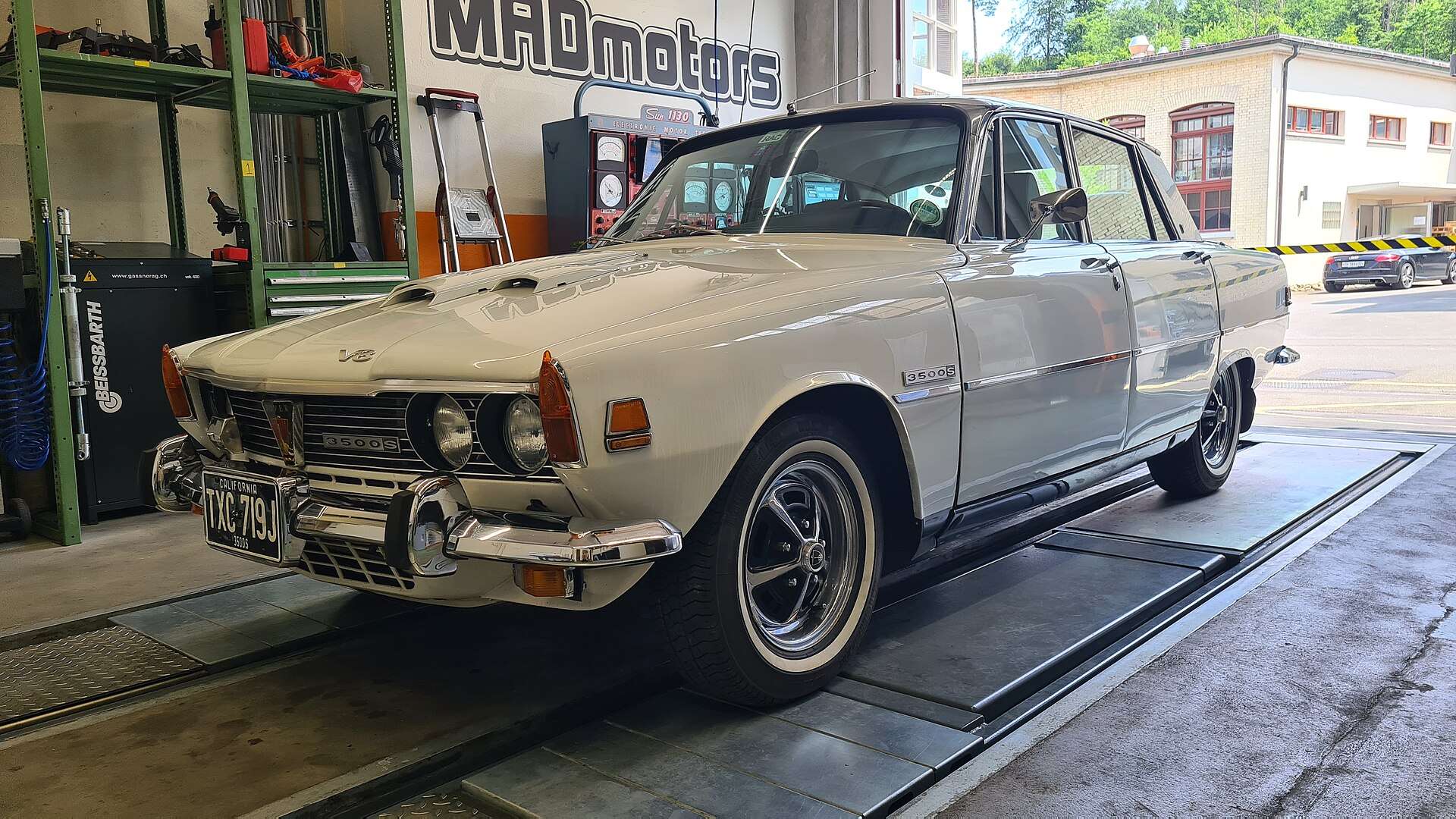
The 3500 arrived in April 1968 with a Borg-Warner automatic because the four-cylinder P6 gearbox could not safely handle the V8’s torque. Rover eventually strengthened the four-speed unit and added an integral oil pump, allowing the manual 3500S to appear late in 1971.
7. The “S” did not officially mean Sport
Rover used S for “Synchromesh”, following naming practice established on earlier models. The letter nevertheless became an accidental perfect fit: the manual gearbox made the lighter-feeling, quicker-responding 3500S the sporting choice of the P6 range.
8. The spare wheel could live on the boot lid
Rover offered a touring kit that mounted the spare externally on the boot lid, freeing luggage space. The arrangement became one of the P6’s most recognisable visual quirks, though not every car with a boot-mounted wheel left the factory that way.
9. Safety was treated as a complete design subject
The P6 featured a carefully structured passenger cell, energy-absorbing trim, recessed controls and front seats intended to reduce injury. Its full-width “safety” dashboard looked futuristic beside the polished wood and hard switchgear still common in early-1960s British cars.
10. The final P6 built was a 3500S
Production lasted until March 1977, overlapping the new Rover SD1. The last P6 was a 3500S, an appropriate ending for a car that had begun as a radical four-cylinder executive saloon and matured into one of Britain’s most characterful V8 sports saloons.
Research basis: Rover P6 Club records, British Motor Industry Heritage material and contemporary Rover technical documentation.
Continue exploring: Visit the complete 10 Things hub or browse the Rover archive.