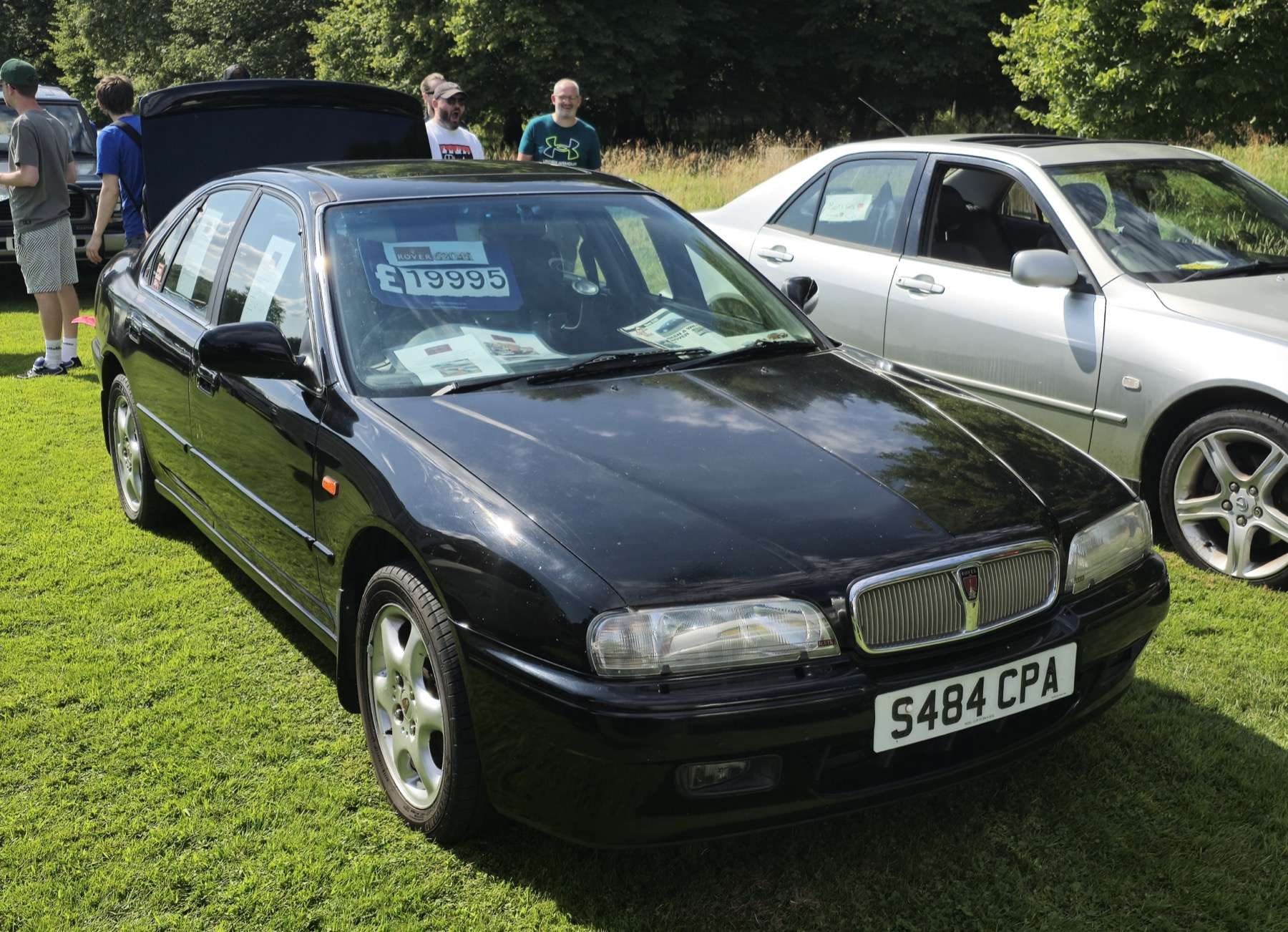
The Rover 620ti was the executive saloon nobody expected from the Honda-based 600 Series. Its styling remained restrained and its cabin retained traditional Rover warmth, yet beneath the bonnet sat the same 197bhp turbocharged T-Series engine that made the 220 Coupé famous.
1. The 600 was developed from a Honda partnership
Rover created the 600 alongside the European fifth-generation Honda Accord. The two shared important structure and chassis engineering, but Rover gave its saloon distinct body panels, interior treatment, suspension tuning and brand identity.
2. The flagship engine was Rover’s own
Most petrol 600s used Honda engines, but the 620ti received Rover’s intercooled 1,994cc T-Series turbo. That made the fastest derivative mechanically different from the smoother naturally aspirated cars around it.
3. It produced 197bhp in 1994
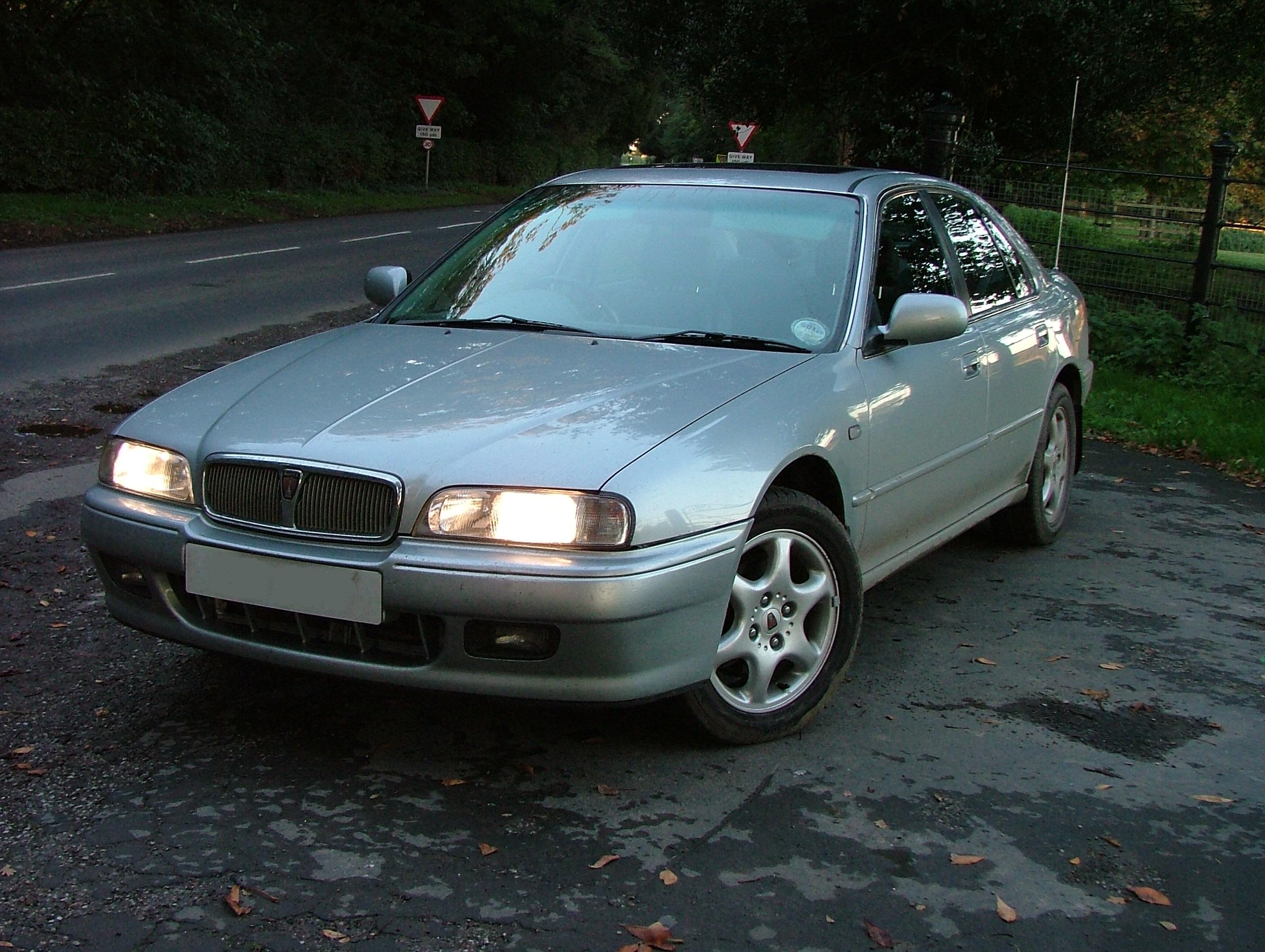
Launched in 1994, the 620ti delivered 197bhp—or 200PS—from a four-cylinder engine. At the time that placed the discreet front-wheel-drive Rover among serious performance saloons.
4. Its torque arrived very low in the rev range
The turbocharged T-Series produced roughly 240Nm from close to 2,100rpm. That strong mid-range made the car devastatingly effective for overtaking and gave it a character very different from a high-revving Honda-powered 600.
Love cars you don’t see every day?
Get forgotten cars, surprising motoring stories and the most interesting finds from Unusual Cars by email.
Free to join. No spam. Unsubscribe whenever you like. See our Privacy Policy.
5. Contemporary figures put 60mph near seven seconds
Period specifications quoted approximately seven seconds from 0–60mph and a top speed around 143mph. Those numbers were remarkable for a car that could pass unnoticed in an executive-car park.
6. A five-speed manual was essential to the formula
The 620ti was paired with Rover’s PG1 manual transmission. Its gearing and strong torque created rapid cross-country pace, while the lack of an automatic option reinforced the flagship’s driver-focused positioning.
7. A Torsen differential helped the front tyres
The PG1 installation used a torque-sensing limited-slip differential to distribute power between the front wheels. It improved traction, although hard acceleration could still make the steering feel very alive.
8. Its appearance was deliberately restrained
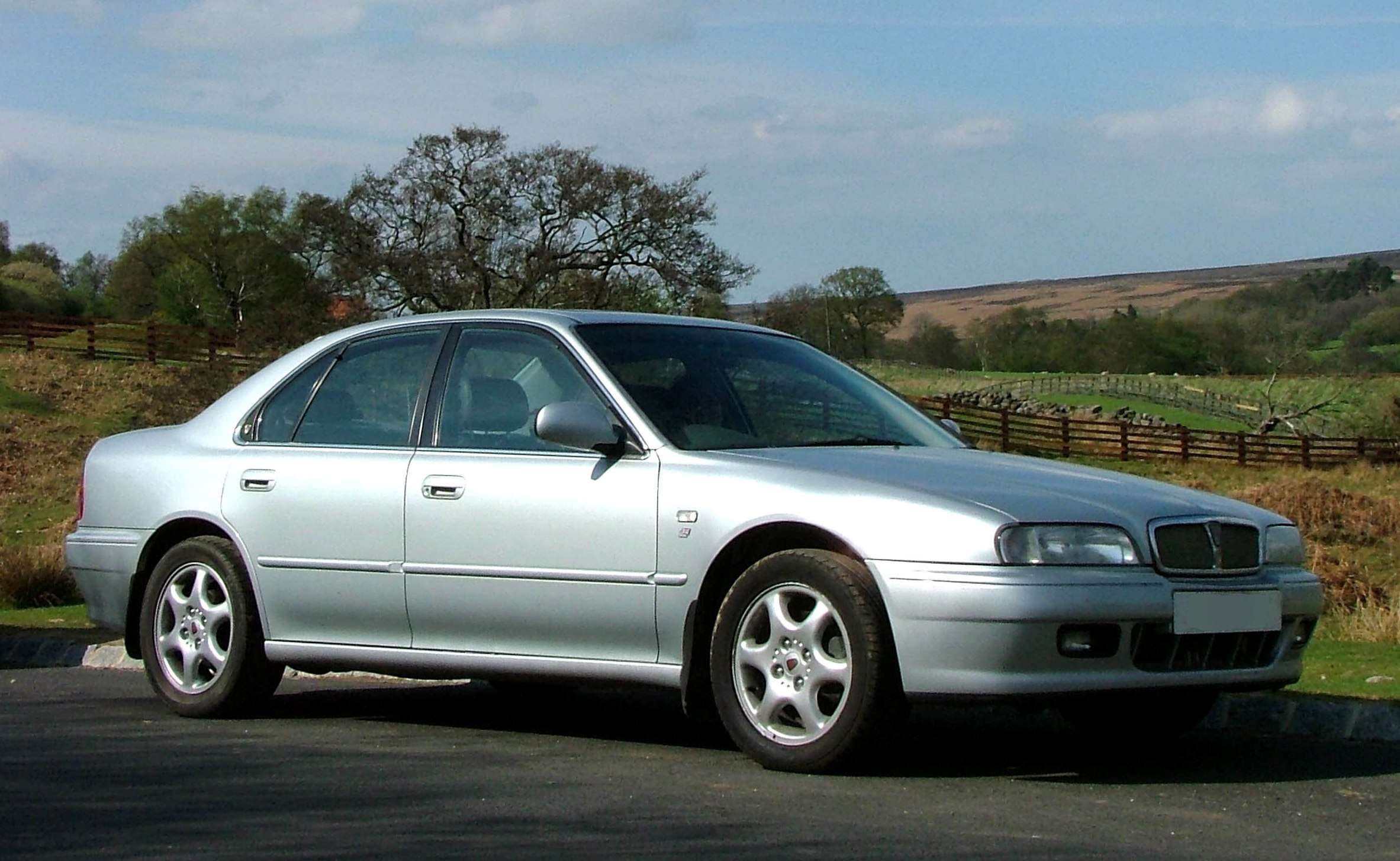
Six-spoke 16-inch wheels, subtle spoilers, dark half-leather upholstery and small badges distinguished the ti. Rover avoided the oversized wings and bright graphics used by some rivals, creating a genuine sleeper.
9. It had no direct Honda equivalent
Honda did not offer an Accord carrying Rover’s 197bhp turbocharged T-Series package. The 620ti was therefore not merely a rebadged Honda model; it was a distinctly Rover performance derivative created within the shared programme.
10. Low values destroyed many survivors
Ageing turbo engines, corrosion, scarce trim, accident damage and years of cheap performance removed a large proportion of the population. Complete, standard cars are now difficult to find despite the ordinary 600 Series once being a common sight.
The 620ti combined Honda-derived discipline with Rover turbocharged excess, producing one of the most convincing British sleeper saloons of the 1990s.
Explore every 10 Things article in the Unusual Cars hub →
Join the Unusual Cars Club
Get more forgotten performance cars, surprising motoring stories and new 10 Things articles by email.
Free to join. No spam. Unsubscribe whenever you like. See our Privacy Policy.