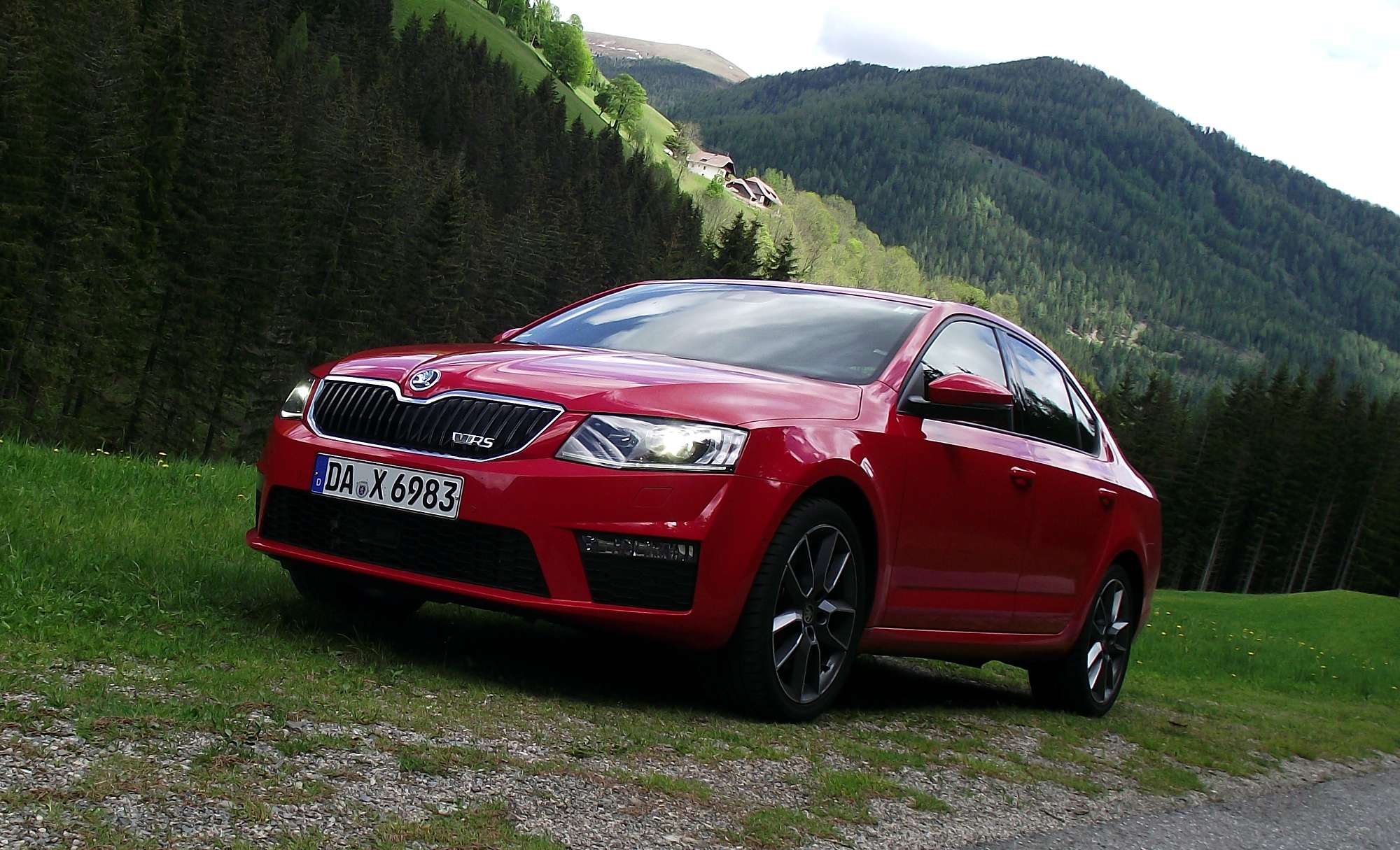
The Mk3 Octavia vRS gives buyers three decisions before they even open an advert: petrol or diesel, manual or DSG, and hatch or estate. Match the engine to your journeys and then compare service evidence. A 245 with an unexplained coolant loss or a diesel with repeated emissions warnings can cost more in year one than a better-documented car at a higher asking price.
Which Škoda Octavia vRS Mk3 should you buy?
Škoda’s facelift press kit records the petrol increase from 220 to 230 PS and the 184 PS diesel, with all-wheel drive available on certain diesel DSG builds. The later petrol 245 is a separate comparison. Check the VIN, engine and gearbox codes, body and drive layout, particularly when the advert’s body field contradicts the description.
| Version | Why consider it | Check before paying |
|---|---|---|
| TSI 220 or 230 | Petrol for mixed use and shorter journeys | Check coolant loss and confirm trim and gearbox. |
| TSI 245 | Later higher-output petrol | Verify build, front differential equipment and brakes. |
| TDI 184 | Longer journeys and regular motorway use | Check timing-belt records, emissions history and usage. |
| TDI DSG 4×4 | Extra traction on applicable builds | Verify rear driveline and separate AWD servicing. |
| Choice | Best starting point | Verify before paying |
|---|---|---|
| 2.0 TSI petrol | Daily use or shorter journeys, especially if you want a manual or a documented petrol DSG. | Engine code, cooling, any tune, clutch or DSG history and exact brake spec. |
| 2.0 TDI diesel | Regular longer journeys and a history that supports its use. | Timing belt and pump invoices, emissions-system history and warm running. |
| Estate or hatch | Buy for the space you need, then compare the same engine and gearbox. | Load area, rear suspension, tyre wear and towing history if relevant. |
| 4×4 | Only compare with another correctly identified AWD build. | Confirm axle drive, coupling history and tyre fitment. |
Choose between the TSI and TDI by actual use
A petrol vRS makes a useful starting point for short or mixed journeys. Drive a sound TSI before committing to a tuned one. Find out whether you prefer the manual or DSG and compare what each will cost to service. A TDI can suit regular longer trips, but check the car’s mileage pattern and emissions-system records. A diesel advertised with low miles may have spent more time on short journeys than a car with higher motorway mileage.
Verify the Mk3 build, engine, gearbox and drivetrain through the VIN and service file. Compare the estate and hatch on access, boot condition, ride and the cost of the fitted wheels and brakes. Establish whether it really is 4×4, and which coupling is fitted. Do not use the presence of a badge or an advert description as proof. Before buying for towing, confirm the limits for that exact car and inspect any installed towbar and wiring.
For a special trim, higher-output petrol or facelift, compare similar builds and verify the hardware with the records. A larger wheel, brake package or adaptive suspension can change parts costs. Test the relevant modes and controls. Ask for separate written quotes for modifications you intend to keep or reverse, including insurance.
UK used prices
On 6 November 2026, PistonHeads listed a 2014 TDI at £5,995 with 91,000 miles and a 2019 245 petrol manual estate at £17,179 with 50,421 miles. These are individual asking prices across very different specifications. Search the same engine, gearbox and body, then price deferred maintenance before deciding which example is cheaper to own.

Build separate UK price comparisons
The asking sample is a starting point. Compare like-for-like engines, body styles, gearbox and drivetrain, then record mileage, dealer terms, inspection and work due. A 4×4 diesel estate and a manual petrol hatch address different buyers. Advertised prices alone cannot tell you the premium for a given option or work that has already been completed. Where you have a recorded sale, note fees and what the inspection or listing actually established.
Get photos of the service invoice, front brake discs and tyre sidewalls before travelling. Check GOV.UK MOT history and ask for the invoices that address repeated tyre, suspension, brake or emissions entries. On a diesel, request belt date, mileage and parts. On a DSG, ask which gearbox fluid, filter or related work is shown. If the car was mapped, ask who calibrated it and for evidence of its original and current hardware.
Common problems and inspection points
TSI cooling and modifications
Ask for a genuinely cold start and inspect the pump and thermostat area and adjoining hose joints for dried residue. Get a pressure test if coolant has been repeatedly topped up. Check boost response when warm and request invoices for any ECU tune, intake or emissions change. Verify the hardware actually fitted and get insurance for the declared changes.
TDI belt, DPF and EGR
Request an itemised cambelt invoice and use the engine code to confirm what the job should cover. Ask about regular journey length, repeated regenerations and any emissions warnings. A suitable diagnostic check should investigate differential pressure and relevant sensor or EGR faults before anyone assumes the filter needs replacement. Confirm that emissions hardware is present and functional.
Taking a scanner to a diesel viewing? Our Octavia vRS Mk3 TDI 184 diagnostic scanner guide shows how to interpret DPF pressure readings and what to ask about stored DSG faults before agreeing a price.

Manual, DSG and AWD
Test every gear from cold and repeat after warm-up. On a manual, check for slip under moderate load, noisy take-up and flywheel symptoms. On DSG, test parking-speed manoeuvres, Drive and Reverse engagement and gradual shifts. Request a transmission invoice for the actual gearbox code. On 4×4 cars, ask separately for coupling service records and inspect the rear drivetrain for leaks.
Body, chassis and equipment
Inspect sills, jacking points, undertrays and the inner shoulders of all tyres. Try the tailgate and feel the boot carpet and spare wheel well for damp. Check brake wear by actual disc size, and test adaptive damping where fitted. Scan recurring parking and driver assistance faults, especially after a bumper repair.
Love cars you don’t see every day?
Get forgotten cars, surprising motoring stories and the most interesting finds from Unusual Cars by email.
Free to join. No spam. Unsubscribe whenever you like. See our privacy policy.
TSI route: coolant loss, cold start and a mapped car
Ask the seller to keep the car cold. Check coolant level using the correct procedure and look around visible joints, under the engine and on undertray edges for dried deposits. Ask how often it needed topping up and which pump, thermostat or related parts were changed. An invoice should identify the failed component and after-repair check. Repeat the observation after a sustained warm drive. If loss persists, have the system pressure-tested and inspected before budgeting a housing.
Observe cold idle and a hot restart, and record smoke, persistent noise or uneven running. Use progressive throttle when warm and legal, and note any hesitation or warning. Have a specialist save the fault codes and reproduce the symptom before parts are ordered. A remap adds questions about fuel, clutch or gearbox condition and cooling. Compare invoices with what is actually fitted and check insurance. If the car has been put back to stock, verify software and hardware separately.
A manual needs a cold and warm shift test and a check for slip under moderate load. Listen for an idle noise that changes with clutch operation. Ask the workshop to distinguish clutch, flywheel and linkage issues. A quote for a friction kit alone may leave out the release parts, flywheel and fluids. Keep a possible repair separate from any scheduled work until the fault has been identified.
TDI route: timing belt and emissions evidence
Ask for the engine code and the exact belt schedule for that build. A dated sticker is useful, but the invoice should show the belt, tensioners and other parts that were replaced, including the pump if applicable. Match the mileage and date to the MOT and service history. If it is missing, get a belt quote before buying and check whether the advertised package covers the pump used on the actual car.
Ask how the car was used, whether it repeatedly tried to regenerate, and whether a DPF, EGR or other emissions fault was repaired. A short road test cannot prove aftertreatment health. Ask a specialist to review the relevant operating data and faults, then distinguish a sensor or usage issue from a failed component. Verify emissions-zone eligibility from the actual registration if it matters to your use. If any emissions hardware or software was changed, ask for evidence that the current setup is compliant.
Start it cold, observe idle and smoke, and check it again after a full warm-up. Look for leaks underneath and compare power delivery with the seller’s description. If a warning recurs, save the conditions and the diagnostic result. A seller’s explanation that a diesel just needs a motorway drive is a lead to investigate. It is not evidence that an expensive fault has been cleared.
DSG, 4×4 and chassis inspection
Identify the gearbox by code. A six-speed and seven-speed wet DSG can have different service schedules and parts. Request itemised invoices for oil and filters where applicable, and look for a history that matches the actual box. Try D and R cold, slow manoeuvres, steady cruising and warm downshifts. Record any repeatable delay, judder or flare and ask the shop to separate a drivetrain, mount or tyre problem from a gearbox fault.
On a 4×4 car check tyres and wear across all four corners. Ask for the coupling fluid record separately from the transmission invoice, and confirm what was checked or cleaned. Have the rear drive verified by an approved method if there is doubt. A clean dashboard is not proof that the rear axle contributes. On a lift look for leaks, propshaft or joint damage and poor previous repairs.
Inspect the disc faces and measure wear, check tyres and rims on the inside edges, and ask for an alignment report if there is uneven wear. A low or unsettled car should have worn joints and dampers checked before booking geometry. On an estate inspect the boot floor, tailgate and side wells for water, and look for damage and corrosion around any tow equipment.
Maintenance and parts
The petrol EA888 is chain-driven and the diesel uses a timing belt. Verify the handbook schedule for the actual engine and get a fitted quote if there is no belt evidence. DSG, AWD and front differential servicing depend on the equipment fitted.
Affiliate disclosure. We may earn a commission on purchases made through eBay links. These are indicative UK parts-only allowances. Check the OE number and fitment before buying.
| Part | Allowance | Fitment check |
|---|---|---|
| TDI timing belt kit | £95–£250 | Confirm diesel engine and kit contents. |
| TSI pump and thermostat | £100–£300 | Match engine and housing revision. |
| TSI service kit | £55–£115 | Check oil approval. |
| TDI service kit | £55–£130 | Match engine and fuel filter housing. |
| Alternator | £140–£360 | Match OE number and output. |
| TSI spark plugs | £40–£100 | Check engine code. |
| DSG service kit | £80–£200 | Match exact gearbox. |
| AWD coupling kit | £40–£110 | Only applicable 4×4 builds. |
| Front brakes | £135–£330 | Verify equipment codes and diameter. |
| Manual clutch | £180–£460 | Quote flywheel separately. |
| Accessory belt | £30–£105 | Specify petrol or diesel. |
UK Octavia vRS fitted costs and parts examples
| Job | Parts and labour scope | Advertised price or estimate |
|---|---|---|
| 2.0 TDI timing belt and pump | Warrington 4×4 VAG diesel workshop menu advertises a fitted job from £565.83 before VAT. Confirm engine, pump and scope. | From £679 including VAT. |
| DSG service | Rootes Motors’ gearbox menu advertises wet DSG services priced to the gearbox, with filter where appropriate. | From £399. Ask for the current total and service scope. |
| 2.0 TSI 220 housing and pump example | AUTODOC’s Mk3 2.0 TSI RS catalogue lists Ridex 1260W0586 at £190.99 including VAT. Confirm OE fit and whether a belt is needed. At Village Classic Cars’ published £90 hourly rate including VAT assume 3–5 hours. | £460.99–£640.99 illustrative for listed parts and labour, before coolant, access issues or diagnosis. |
The workshop prices are advertised examples. The petrol figure uses an estimated time and one parts listing. Obtain a VIN-specific quote after confirming the source of the leak. Price any coupling work separately from the gearbox job.
Hidden ownership costs
Get separate fitted quotes for a diesel timing service, gearbox fluid and any unresolved cooling or emissions fault. Add tyres, alignment and brakes if several jobs fall in the same year. Verify clean-air-zone eligibility for the actual registration if it affects your journeys, and price insurance on the actual trim and modifications.

Worked offer for a diesel DSG estate
Suppose an estate drives well, but both the verified diesel belt job and the appropriate DSG service are due. The two advertised starting prices total £1,078 if the quoted scopes apply. Obtain current prices and add measured tyre and brake wear. If it also shows an emissions warning or delayed DSG engagement, make the offer conditional on diagnosis. Compare its total first-year cost with a comparable car whose major work has already been documented.
| Finding | Evidence to obtain | Buying decision |
|---|---|---|
| A 4×4 service invoice says only DSG | Confirm coupling service and rear drive separately. | Budget due AWD service or diagnose an operating fault. |
| Petrol has recent coolant top-up | Pressure test the affected system and verify parts. | Do not treat a topped-up reservoir as a repaired leak. |
| Diesel has no itemised belt record | Confirm engine and the correct fitted scope. | Use a documented belt quote in the first-year budget. |
Viewing checklist
- Confirm VIN, engine, body, gearbox and whether it is 4×4.
- Start cold and warm fully on the road.
- Inspect the underside and compare tyre and brake wear.
- Read belt, gearbox and differential invoices line by line.
- Check MOT history and get written prices for any work due.
Buy, investigate or walk away
Buy if the version and records match, the warm road test is clean and the major jobs are priced.
Investigate if a service gap, coolant loss or an emissions symptom can be checked before you commit.
Walk away if the seller will not allow diagnosis of a repeatable drivetrain fault or the inspection identifies costly unresolved damage.
Škoda Octavia vRS Mk3 FAQ
Which engine suits short trips?
A petrol is the sensible starting point for regular short journeys. Compare condition and costs on the actual cars.
Does every Mk3 vRS have the same DSG?
Identify the gearbox code and use the schedule and fluid for the actual unit.
Which Octavia vRS has a cambelt?
The 2.0 TDI uses a timing belt. The Mk3 2.0 TSI uses a timing chain.
Škoda Octavia vRS Mk3 for sale on eBay UK

See more Škoda Octavia vRS Mk3 cars on eBay UK
Love cars you don’t see every day?
Get forgotten cars, surprising motoring stories and the most interesting finds from Unusual Cars by email.
Free to join. No spam. Unsubscribe whenever you like. See our privacy policy.