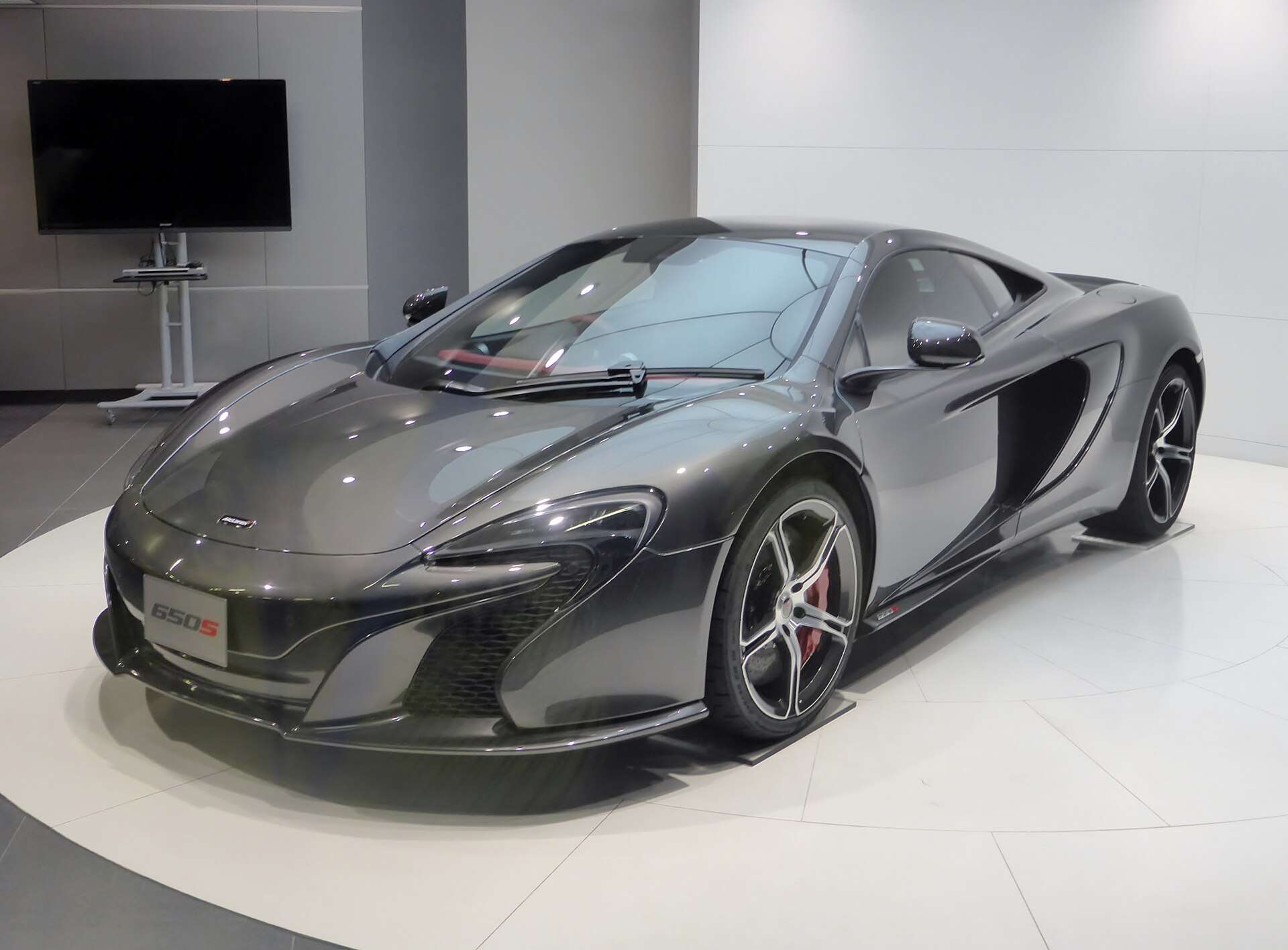
The McLaren 650S arrived in 2014 as a rapid evolution of the MP4-12C. Its name referred to its metric power output — 650PS — while the “S” stood for Sport. What sounded like a simple facelift was, in practice, a far-reaching rework that gave McLaren’s core supercar more confidence, more presence and a stronger emotional edge.
From 12C to 650S
McLaren had learned quickly from customers and road testers. The 12C was astonishingly capable but sometimes criticised for looking and feeling too clinical. The 650S retained its carbon MonoCell chassis and 3.8-litre twin-turbo V8, then added a nose inspired by the P1 hypercar, revised aerodynamics, sharper responses and a more expressive exhaust note.
It did not merely replace a badge. McLaren said roughly a quarter of the components were new, and the changes gave the car a clearer identity. The 650S sat above the later Sports Series models and below the limited-production 675LT.
Performance and specifications
The M838T V8 produced 650PS, or about 641bhp, driving the rear wheels through a seven-speed dual-clutch gearbox. McLaren quoted 0–62mph in around three seconds and a top speed of approximately 207mph for the Coupe. Carbon-ceramic brakes were standard, underlining that this was intended to deliver repeatable performance rather than a single headline sprint.
- Engine: 3.8-litre twin-turbo V8
- Power: 650PS / approximately 641bhp
- Transmission: seven-speed dual-clutch
- Drive: rear-wheel drive
- Structure: carbon-fibre MonoCell
- Body styles: Coupe and Spider
How the 650S changed the experience
Revised suspension settings made the car feel more immediate without abandoning the remarkable ride quality that distinguished the 12C. Active aerodynamics used the rear airbrake to improve stability and braking, while new programming sharpened gearshifts and throttle response.
The cabin remained compact and driver-focused. A narrow centre console, portrait infotainment screen and excellent forward visibility helped make the 650S less intimidating in traffic than its performance suggested. The dihedral doors and exposed carbon structure provided the sense of occasion.
650S Coupe versus Spider
The Spider’s retractable hard-top could be operated quickly and did not require heavy structural reinforcement because the carbon tub already supplied the rigidity. It brought extra sound and spectacle with only a small weight penalty. The Coupe is the more focused choice; the Spider suits drivers who want to enjoy the engine and scenery on the same journey.
Where it fits in McLaren history
The 650S is often described as the bridge between the pioneering 12C and the later 720S. That description is accurate but undersells the car. It was the model that made McLaren’s Super Series feel mature, combining the company’s technical strengths with a more recognisable visual identity.
It also provided the basis for the lighter, more aggressive 675LT. For many drivers the standard 650S remains the sweeter road car: devastatingly fast, but with enough compliance and visibility to be used beyond perfect weather and empty circuits.
Ownership snapshot
Service history and specialist inspection matter more than mileage alone. Buyers should check the condition of the hydraulic suspension, accumulators, body panels, electrical equipment, tyres and carbon-ceramic brakes, and confirm that recalls and software updates are complete. Our separate buying guide will examine those points in detail.
Sources and image credit
Specifications: McLaren Automotive 650S archive. Featured image: Wikimedia Commons, released under CC0.