
10 THINGS YOU PROBABLY DIDN’T KNOW
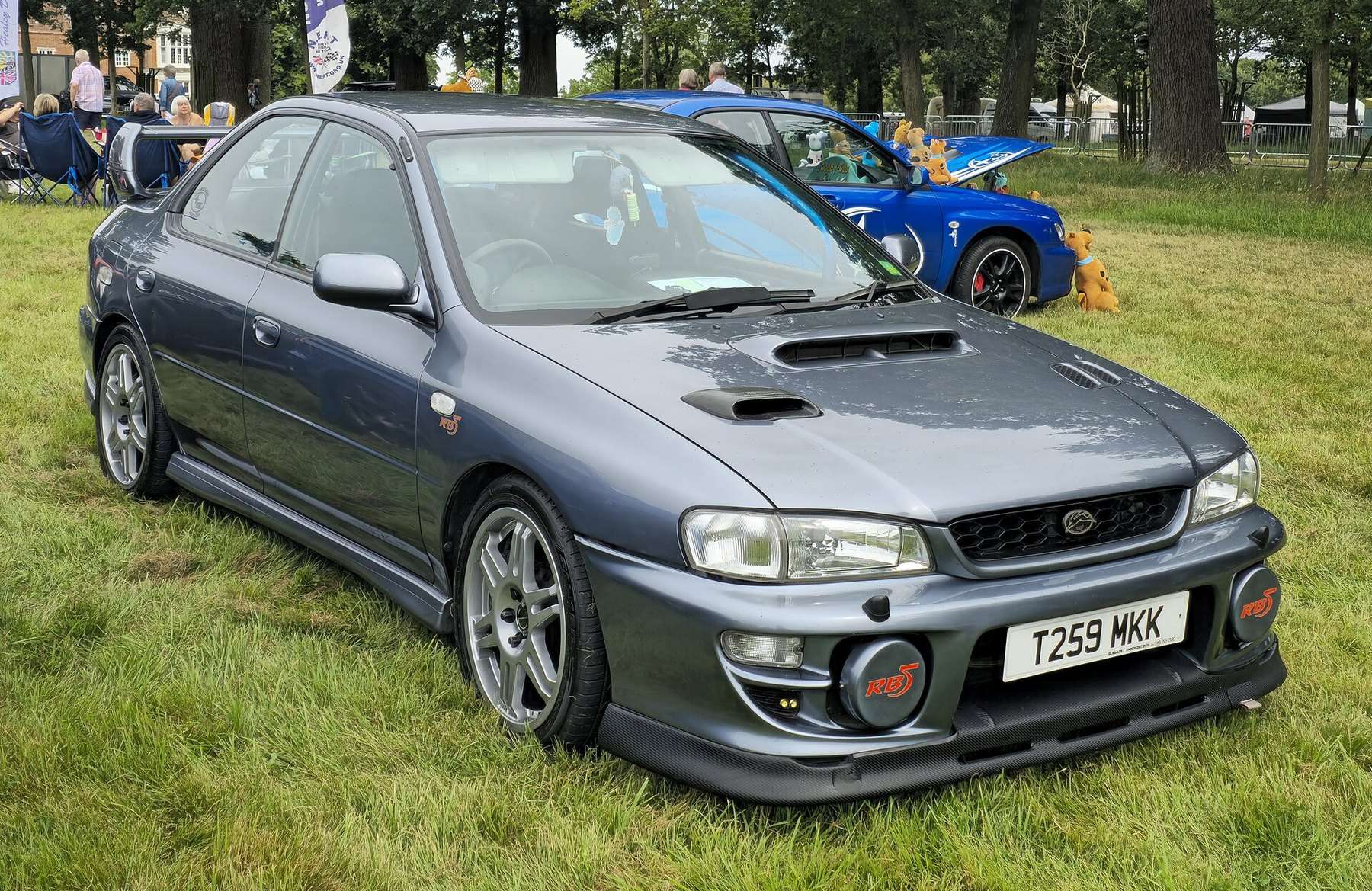
The Subaru Impreza RB5 was a uniquely British celebration of Richard Burns’ return to the Prodrive-run World Rally Team. Its Steel Blue paint and numbered plaque made it memorable, but the frequently misunderstood WR Sport option is what created the most desirable version.
1. RB5 referred to Richard Burns and his competition number
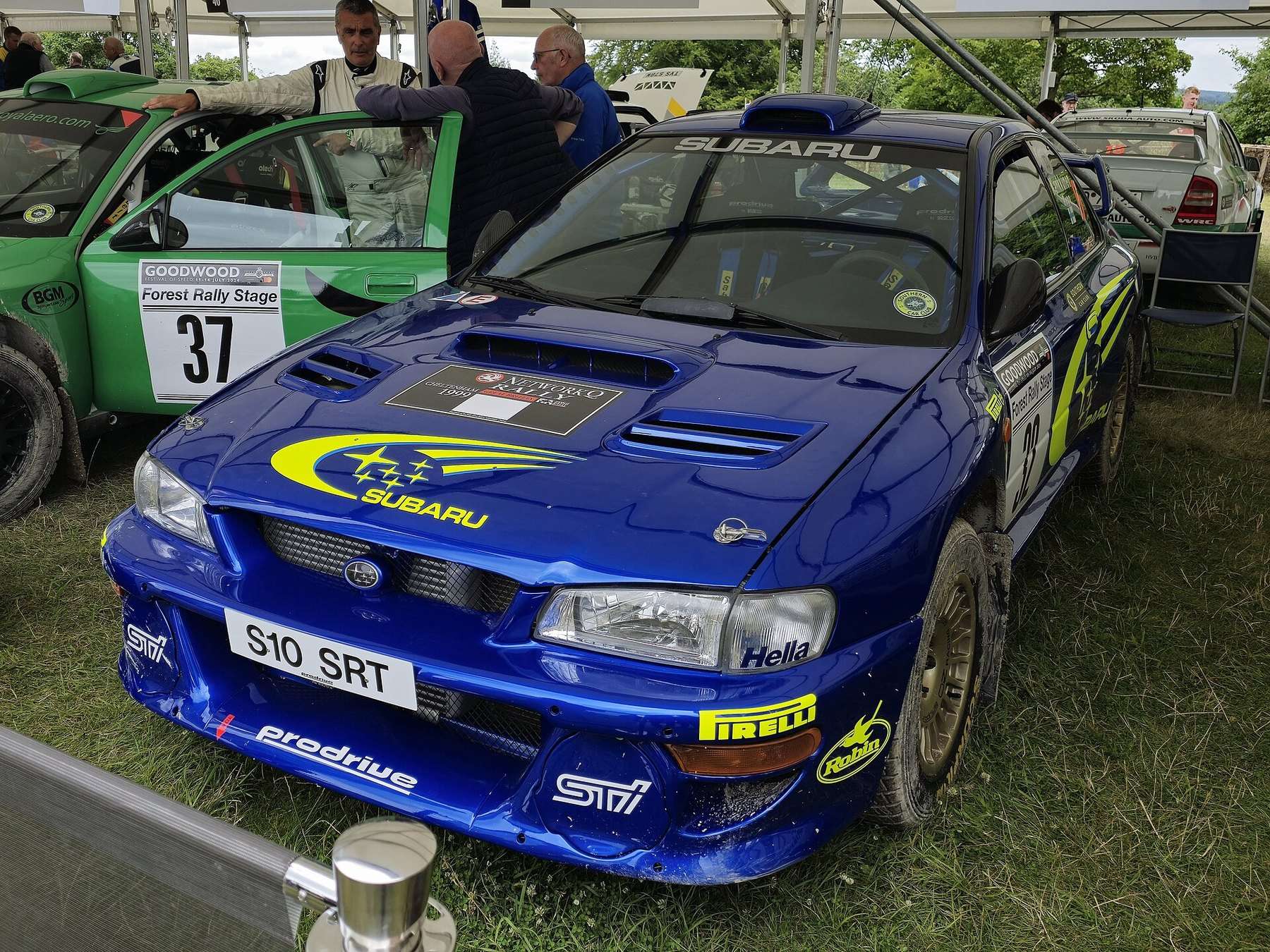
The initials honoured Richard Burns, while the number five came from the door number of his 1999 Impreza World Rally Car. It did not identify a fifth mechanical evolution of the road car, and Burns did not personally develop its chassis specification.
2. Exactly 444 were offered
Subaru UK created a numbered run of 444 cars for 1999. Each carried a plaque on the centre console, making identity easier to check than on many period special editions. A genuine plaque should still be supported by matching vehicle records and the correct factory specification.
3. Every car was finished in Steel Blue
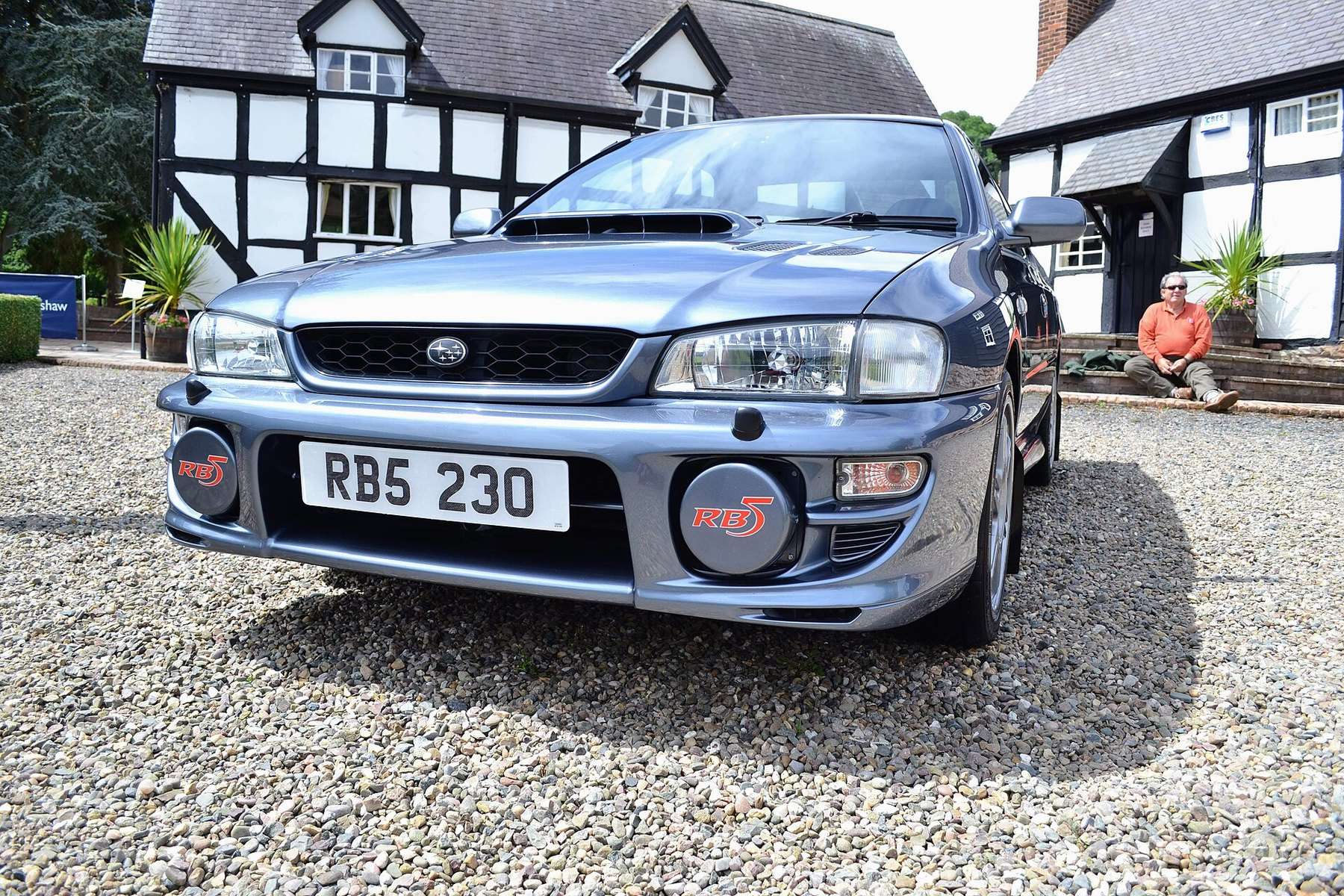
The subtle blue-grey metallic paint distinguished the RB5 from the familiar World Rally Blue Imprezas. Titanium-coloured 17-inch Speedline wheels, PIAA driving lamps and discreet RB5 graphics reinforced the deliberately road-biased appearance.
4. A standard RB5 was not an STI
Underneath, the base car was closely related to the UK Impreza Turbo 2000 rather than a Japanese WRX STI. Its 2.0-litre turbocharged flat-four produced approximately 215bhp in standard form, driving all four wheels through a five-speed manual gearbox.
Love cars you don’t see every day?
Get forgotten cars, surprising motoring stories and the most interesting finds from Unusual Cars by email.
Free to join. No spam. Unsubscribe whenever you like. See our Privacy Policy.
5. WR Sport was an optional conversion
Buyers could add a Prodrive WR Sport package incorporating engine-management, exhaust and intercooler-related changes, lifting output to roughly 237bhp. Because it cost extra, not every RB5 received it. Later modifications and copied parts mean original invoices or certification are essential.
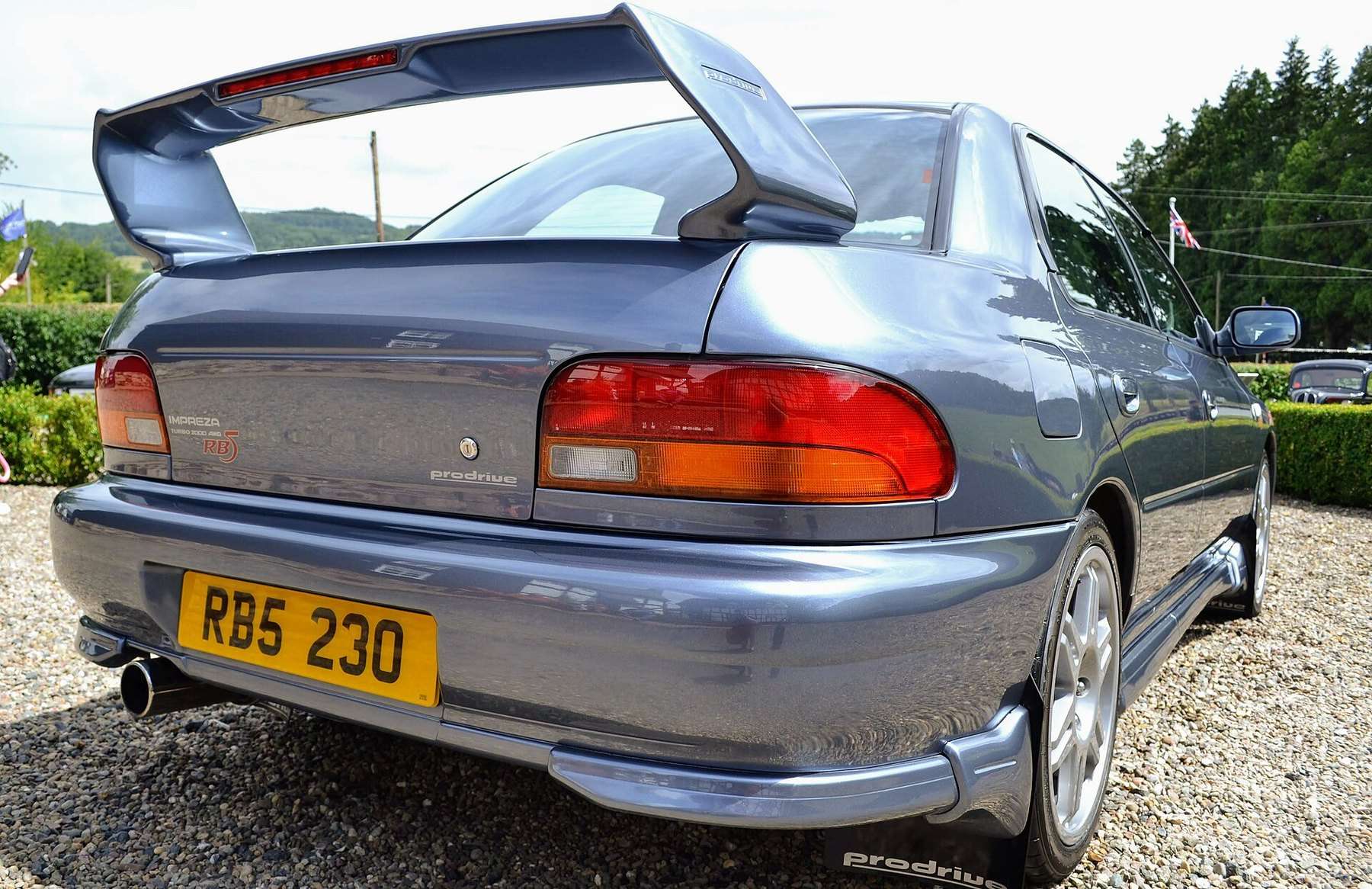
6. The high rear wing does not prove a car is WR Sport
The Prodrive wing was associated with the upgrade, but body parts have been exchanged freely over the years. Conversely, some genuine cars have lost original items. The correct way to establish specification is through paperwork and inspection, not a single spoiler or badge.
7. Its cabin used special Alcantara trim
Blue-and-black Alcantara seat and door inserts, RB5 mats, air conditioning and the numbered plaque distinguished the interior. A Prodrive quick-shift mechanism reduced gear-lever travel, giving the edition a more purposeful feel without stripping away everyday equipment.
8. The shell included a fixed rear bulkhead
Unlike the folding-seat arrangement of many UK Imprezas, the RB5 used a fixed rear bulkhead associated with Japanese-market performance shells. That improved structural rigidity but reduced practicality—an easily overlooked difference concealed behind the special trim.
9. Burns had only just returned to Subaru
Burns rejoined Subaru for the 1999 season after competing for Mitsubishi. He won rallies that year and finished second in the drivers’ championship, then repeated the runner-up result in 2000 before becoming England’s first World Rally Champion in 2001.
10. It established a pattern for Subaru UK specials
The RB5 joined a series of British-market Imprezas that used rally personalities, Prodrive upgrades and tightly controlled colour schemes to create collector appeal. Later examples included the P1, WR1 and RB320, but the RB5 remains one of the clearest links to Burns’ rise toward the world title.
Explore more 10 Things articles
Discover more cult cars, performance legends and motoring surprises in the Unusual Cars 10 Things hub.
Sources and further reading
- Subaru UK: history and rally heritage
- Subaru magazine: Impreza and RB5 history
- evo: Subaru Impreza RB5 history and specification
Featured image: Photograph by Calreyn88, CC BY-SA 4.0, via Wikimedia Commons; locally hosted.
