UK BUYING GUIDE • TWIN SPARK AND V6
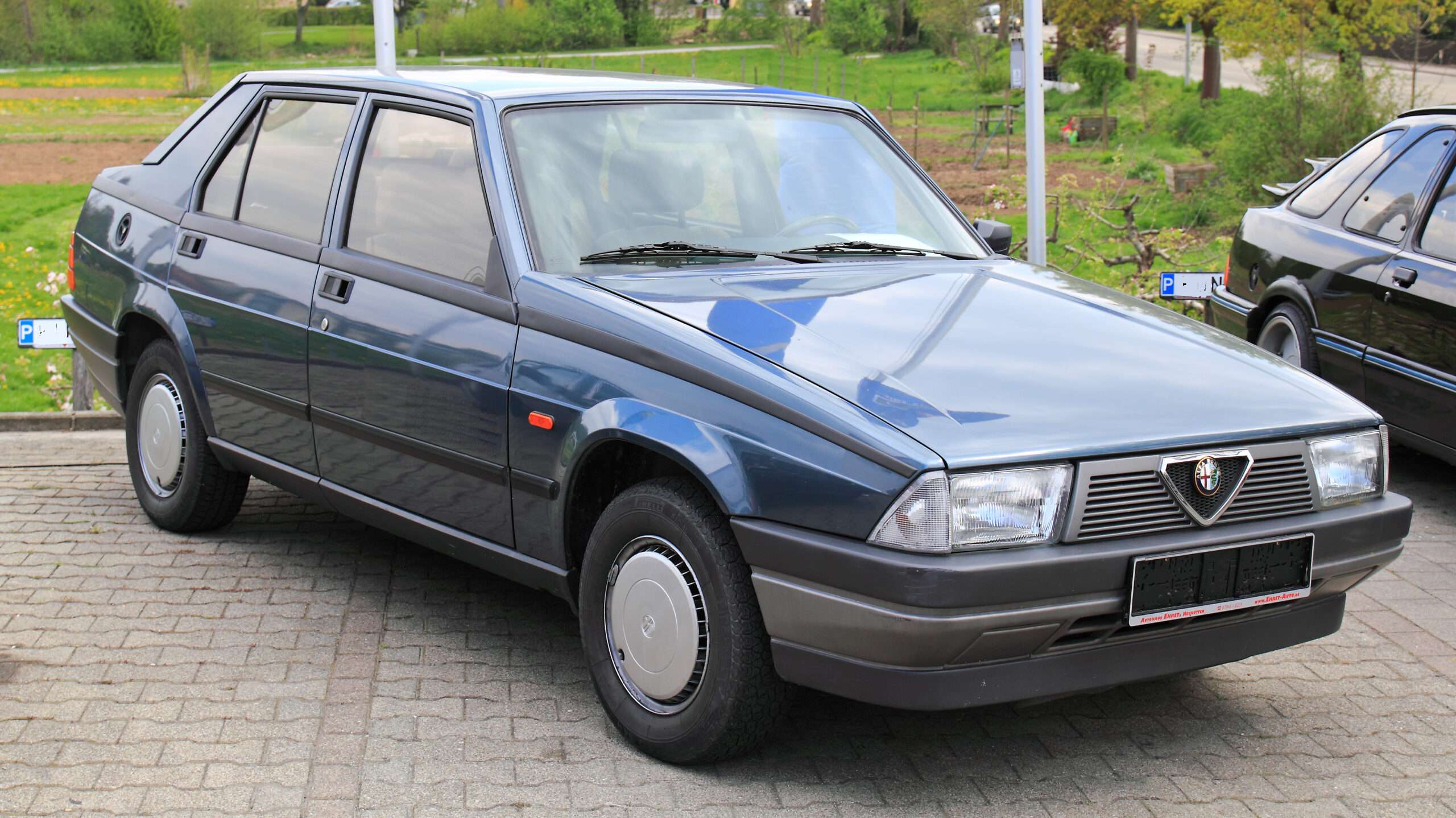
The Alfa Romeo 75 gives you rear-wheel drive, a rear-mounted transaxle and a choice between a lively four-cylinder Twin Spark and the wonderful Busso V6. It also gives a prospective owner a very specific inspection list. A handsome repaint, a good exhaust note and a fresh MOT cannot tell you whether the sill structure is sound, the propshaft is assembled correctly or the gearbox needs rebuilding.
The quick buying verdict
Choose the best shell and the most convincing specialist history you can afford. The 2.0 Twin Spark is an appealing road-car choice in its own right. Buy the V6 for its character after pricing its separate maintenance needs. Rust, transaxle condition, driveline vibration and missing trim matter more than a small mileage difference.
This guide concentrates on UK road-going Twin Spark and V6 cars. A 1.8 Turbo, Evoluzione, competition car or North American Milano needs its own specification and provenance checks. None should be valued as an ordinary UK Twin Spark merely because it shares the 75 shape.
Twin Spark or V6: which Alfa 75 should you buy?
The 75’s engine is at the front, with the clutch, gearbox and differential grouped at the rear. That layout is part of the driving appeal and explains why a clutch or vibration problem cannot be approached like one on a conventional front-wheel-drive hatchback. Before choosing an engine, find a workshop that knows transaxle Alfas and will inspect the actual car you intend to buy.
| Version | Why consider it? | Buying priorities |
|---|---|---|
| 2.0 Twin Spark | Responsive four-cylinder character and an appealing balance for road use | Correct eight-valve engine, chain/valve servicing, eight-plug ignition, propshaft and gearbox |
| 2.5 V6 | Busso soundtrack and earlier-model appeal | Exact transmission, original market, belt/tensioner history and model-correct parts |
| 3.0 V6 | More torque and strong enthusiast demand | Identity, belt maintenance, cooling, pull-type clutch and previous modifications |
| Turbo, Evoluzione or race car | Different collector or competition appeal | Specialist identity, engineering and a separate comparable market |
The 75 Twin Spark is not the later 16-valve Twin Spark fitted to cars such as the 156. Its eight-valve four-cylinder uses a chain timing drive. The V6 uses a timing belt. An online search for an ‘Alfa 2.0 Twin Spark timing kit’ can return the wrong generation immediately. Use the installed engine and original part references rather than the name alone.
Confirm the VIN, engine, gearbox, steering position, market and body specification. Ask what the seller means by Veloce, Limited Edition or America, and request documentation for any claim affecting the price. Recaro seats, a body kit or badges can be fitted later. For an imported Milano, identify emissions equipment, bumpers, lighting and paperwork rather than assuming every European parts listing will fit.
A modified car can be enjoyable when its purpose and workmanship are clear. Get a list of springs or torsion-bar changes, dampers, wheels, brake conversions, engine work and differential changes. Ask who set the car up and how it has been used. A track car offered with road registration may bring noise, insurance, corrosion and interior compromises that make it unsuitable for regular road use.
Our Alfa 75 model history explains the wider range. This buying guide deals with the inspection and ownership decisions that follow.

Alfa Romeo 75 UK prices: what the evidence tells us
A live Felbridge Car Company advert checked for this guide offered a 1989 2.0 Twin Spark at £7,995, with an advertised 108,200 miles and partial service history. The same page described a service at 108,300 miles. Ask the dealer to reconcile that small discrepancy and supply the invoice rather than assuming either field is definitive. Its warranty and proposed MOT also need their actual terms and dates confirmed.
That is a single asking price, not a completed sale or a universal value for a good 75. Check current comparable cars by engine, steering position, originality and repair standard. Many European classified results are left-hand-drive cars abroad; a headline advert count does not describe the UK supply of road-ready Twin Sparks or V6s.
Condition can overwhelm the engine premium. A complete, solid Twin Spark may be less costly to own than a cheaper V6 needing bodywork, trim and a gearbox. Conversely, a documented V6 restoration can justify closer inspection even at higher mileage. List the work supported by evidence and what remains outstanding before deciding whether an advertised premium is worthwhile.
How to compare restoration invoices
Ask for photographs before welding, during repair and before paint. Match them to dated invoices and the areas inspected today. A large total may include cosmetic work, transport and accessories rather than structural reconstruction. An engine described as rebuilt needs its own work scope. A gearbox invoice should identify components and repairs, not just a total.
Use completed auction descriptions as evidence of a particular car, with the necessary caution about seller-supplied claims. A Collecting Cars listing for a UK 1989 3.0 V6 describes a £3,634 gearbox refurbishment and clutch replacement in July 2022 by a workshop in Milan. That is useful evidence that combined work can be substantial. It is historical overseas workshop expenditure on one car, not a current UK fitted tariff.
Rust: inspect the structure before the engine soundtrack
View the car in daylight and arrange a lift inspection. Look at front jacking areas, sills, door bottoms, wheelarches and floor sections. Pay particular attention where the rear door closes alongside arch trim. Ask the specialist to inspect inner structure and suspension mounting areas, not just the visible outer sill. Body kits, thick underseal and recent paint can restrict what can be established without further access.
Compare the two sides of the shell, door fit and seams. Look inside the boot, around the spare-wheel area and beneath accessible carpets for dampness or repair. Check windscreen and rear-window surrounds, sunroof aperture and drainage where fitted. A dry day does not prove that the car keeps water out. Ask what happens after rain or washing and inspect for staining and musty insulation.
Have the inspector distinguish surface corrosion, a previous sound repair and metal that needs replacement. Request photographs showing the location and extent. A general observation that the car is solid is less useful than a report identifying the areas seen and those concealed. If a structural concern remains unresolved, the appropriate next step may be access or measurement, not a discount calculated from the price of a patch panel.
Body and trim availability changes the economics
Before buying a restoration project, inventory the missing parts. Check bumpers, arch and sill trims, lighting units, grille pieces, seals, handles, clips and interior plastics against the precise version. A car with a sound engine but an incomplete exterior can take a long time to finish. Confirm real availability and condition rather than assuming that a listing for a similar Alfetta or Milano supplies the needed part.
A donor panel’s purchase price is only the start. Removal, transport, stripping, hidden rust, fitting and paint blending may dominate the bill. Ask a body shop what it can repair and what must be sourced. Keep structural repairs, cosmetic paint and originality work as separate estimates. A respray quote cannot resolve an unknown inner sill.
Twin Spark engine: chain, valves and ignition
Inspect from cold. Note how promptly it starts, whether idle settles and whether a misfire appears under ordinary load once warm. Ask about oil use and any history of overheating. Check fluid condition and look for leaks before and after driving. A recently pressure-washed engine deserves a second look warm, because fresh leaks may then be easier to locate.
Ask for evidence of valve-clearance and chain-tension checks appropriate to the eight-valve engine. A chain is not a reason to omit maintenance indefinitely, and an unrelated later 16-valve cambelt invoice is not relevant evidence. If the engine is noisy, the workshop should identify the source and establish the condition of the installed system before ordering parts.
The Twin Spark has eight plugs. Check the correct plug type and the condition of the full ignition system, including leads, distributor-related components and connections where fitted. Replacing a single coil or buying a generic four-plug service pack may not address the actual configuration. Have uneven running diagnosed through ignition, intake, fuelling and mechanical checks as indicated by the symptoms.
Inspect heat-affected wiring, relays, connectors and earths in the engine bay. Ask whether intermittent non-starting happens hot, cold or after rain. Record what was tested previously. Repeated relay replacement without checking the supply and connections can leave the underlying fault untouched. Do not blame the engine-management unit simply because a modern generic scanner will not communicate.
Busso V6: belt and tensioner evidence comes first
Identify the fitted 2.5 or 3.0 engine and its timing-belt tensioning arrangement. Obtain a dated invoice with mileage and component details. If the history cannot establish that the belt is in date for the installed setup, agree a safe workshop plan before using the car. Low annual mileage does not suspend elapsed-time maintenance.
Ask the specialist to distinguish a belt-only replacement from a complete job including the relevant tensioner components and associated checks. Rebuilt or converted tensioning arrangements need their own documentation. A cheap belt listing cannot establish what has been fitted to the engine or what must be renewed alongside it. Confirm the correct interval with the workshop and documentation for that setup.
Check for cam-cover and other leaks, unusual valvetrain noise, exhaust smoke and signs of previous cooling trouble. An attractive polished intake says nothing about compression or oil pressure. Where symptoms or history justify compression or leak-down testing, ask for results and interpretation by cylinder, including the conditions of the test. Avoid buying a promised ‘easy head-gasket job’ without knowing why the fault occurred.
Cooling, fuel supply and storage
Inspect the radiator, hoses, expansion components and evidence of coolant leaks with the engine cold. During a proper warm drive assess temperature behaviour, then confirm fan operation and hot restarting as appropriate. Never open a hot coolant cap. Ask whether previous cooling work included a pressure test and diagnosis rather than only a new thermostat.
Inspect fuel lines, hose connections and tank condition, particularly on cars emerging from storage. Smell and staining need investigation before driving. Distinguish a recently recommissioned car with invoices for hoses, fluids and brakes from one that has merely been started for sale. Old fuel, deteriorated rubber and seized components can survive a short driveway demonstration unnoticed.
Love cars you don’t see every day?
Get forgotten cars, surprising motoring stories and the most interesting finds from Unusual Cars by email.
Free to join. No spam. Unsubscribe whenever you like. See our privacy policy.
Propshaft vibration: find a transaxle specialist
The engine drives a live propshaft leading to the rear clutch/transaxle. Rubber couplings, support bearings, mounting condition and correct assembly all matter. Ask about vibration at idle, through the rev range, under load and on overrun. Record when it occurs rather than describing every shake as wheel balance.
Get invoices for any shaft removal and ask who assembled and checked it. Correct alignment and preservation of the relevant component relationships require specific experience. An engine that feels rough after clutch or gearbox work may need driveline investigation as well as engine checks. Do not continue driving with severe vibration while hoping a rubber coupling will settle.
The four-cylinder and V6 arrangements are not interchangeable shopping lists. Different couplings, bearings and clutch types appear in suppliers’ catalogues. Match the original part reference, dimensions and installed configuration with the workshop. A low-priced component that requires a second dismantling is no saving. On a modified car, document what differs from the original build before sourcing anything.
Gearbox and synchromesh
Test every ratio from cold and repeat warm, using normal deliberate shifts rather than forcing the lever. Note crunching, refusal to select, jumping out of gear and noises that change with road speed or load. Ask the specialist to distinguish linkage and clutch-release problems from internal gearbox wear. A vague lever can involve external parts; worn synchromesh is a different repair scope.
Second-gear crunch is not a desirable characteristic to accept unpriced. Nor should a historical rule of thumb about a particular mileage be treated as an automatic rebuild interval for every car. Judge present operation, service records and expert findings. A rebuild can cover very different quantities of bearings, synchro components, seals and differential work, so compare itemised estimates.
Clutch, hydraulics and differential
Assess take-up, slip, judder and complete disengagement. Check for fluid loss and hydraulic faults before assuming a worn friction plate. The Twin Spark’s push-type clutch and the V6’s pull-type system need different parts and procedures. A generic ‘Alfa 75 clutch kit’ result should never be ordered without identifying the intended installation.
Ask about differential oil, leaks, noise and any limited-slip work or replacement. On the lift inspect mounts, output seals and driveshaft boots. A track-oriented differential setup may not suit your road use. If a seller claims an upgraded transaxle, request the specification and invoices and have the specialist confirm what is actually installed.

Suspension, steering and inboard rear brakes
Inspect the front suspension and rear De Dion location carefully, checking for play, deteriorated bushes, damaged mounts and uneven ride height. A car lowered for appearance can have altered travel and geometry. Ask which parts were changed and whether the setup was checked after installation. New dampers alone do not establish that every joint and bush is sound.
Assess steering assistance, leaks and consistent response with the correct tyres and pressures. Inspect wheel condition, clearances and signs of contact. Check tyre dates as well as tread depth, and confirm actual front/rear sizes and load/speed suitability. Old tyres can make a well-maintained car feel nervous without revealing a fault in the steering itself.
The inboard rear brake arrangement needs proper access for inspection and repair. Ask the specialist to check calipers, discs, pipes, hoses, leaks and handbrake function on the fitted system. A simple rear-pad price is not a complete allowance for seized parts or contamination. Get a fitted scope before assuming that a poor handbrake needs only adjustment.
Use a safe ordinary braking test, then have measured wear recorded. Pulling, vibration, a sinking pedal or warning lights call for diagnosis. Do not conduct aggressive manoeuvres to ‘test the LSD’ or copy an old road test’s handling claims onto public roads. Tyre, geometry and brake condition should be resolved before exploring the car’s performance.
Cabin and electrics: check completeness as well as function
Test the roof-mounted window switches, central locking, mirrors, heater blower, wipers, lights, horn, instruments and warning panel. Check that the warning sequence behaves as intended rather than assuming a dark lamp is good news. Establish what each supplied key operates and how any aftermarket immobiliser is disarmed. Keep its instructions with the service file.
Inspect fuse and relay areas and accessible wiring for loose connections, household connectors and alarm splices. Intermittent faults deserve a description of the trigger: vibration, wet weather, heat or use of another circuit. A systematic voltage and earth check is more useful than replacing an instrument panel on suspicion.
Check seats, dashboard, door cards, headlining, console and small plastic pieces against what should be fitted. A retrim can be excellent without being original. If originality affects the asking price, ask for the material specification and retained original parts. Do not assume that a scarce colour or LE seat component will be readily available when you need it.
Maintenance costs: useful UK parts evidence
These are published supplier references, with 20% VAT added in the inclusive column where shown. Delivery and fitting are additional. Prices are not guaranteed stock confirmation. Model-correct eBay searches alongside the figures help compare availability after the workshop identifies the part.
| Item / job | Published parts reference | Practical allowance and search |
|---|---|---|
| Twin Spark eight NGK plugs | EB Spares £4.85 each ex VAT; eight £38.80 / £46.56 inc VAT | Compare correct 75 Twin Spark plugs; fitting extra |
| Oil filter | EB Spares £6 ex VAT / £7.20 inc VAT | Search model-correct oil filters; oil and service labour extra |
| V6 12-valve belt | EB Spares £24.50 ex VAT / £29.40 inc VAT for belt alone | Check V6 belt and tensioner availability; not a complete fitted job |
| Four-cylinder push clutch kit | EB Spares three-piece kit £195 ex VAT / £234 inc VAT | Search Twin Spark clutch kits; hydraulics, access and labour separate |
| V6 front propshaft coupling | EB Spares £140 ex VAT / £168 inc VAT | Search V6 couplings; confirm position and type |
| Alternator | No verified model-specific fixed price used | Check 75 alternator availability; test charging and match installed unit first |
EB Spares separately lists a V6 mechanical belt tensioner at £96 ex VAT, a tensioner bearing kit at £78 ex VAT and a rebuild kit at £28.50 ex VAT. These describe different components or repair choices, not a basket to add indiscriminately. Have the workshop identify the existing system and specify the appropriate complete job.
Labour and fitted costs: keep the evidence honest
There is no verified current UK fixed fitted tariff here for a 75 gearbox rebuild or V6 belt service. The historical £3,634 gearbox-and-clutch expenditure above was recorded for work in Milan in 2022. Do not use it as a current UK quotation. Ask a transaxle specialist for an itemised estimate on the inspected car, including VAT, fluids, seals, parts sourcing and testing.
A useful quote names the fault, parts, labour hours or fixed labour charge, exclusions and possible extra work after dismantling. Ask whether clutch and gearbox jobs share access and how shaft alignment will be checked. For body repairs, establish how work stops for approval if hidden corrosion extends beyond the original scope. Do not combine a generic Alfa clutch average with a 75-specific parts price and call the result a fitted estimate.
Hidden ownership costs
- Missing trim: sourcing a correct bumper, seal, seat material or small plastic can take longer than routine mechanical servicing.
- Repeat driveline work: poor shaft assembly or an incorrect coupling can mean paying for access twice.
- Recommissioning: fuel lines, tyres, cooling, brakes and battery condition all matter after storage, even at low mileage.
- Specialist transport: a non-running car may need recovery to a workshop some distance away.
- Body-kit removal: inspection and paint work can reveal corrosion concealed behind attractive trim.
- Insurance and use: declare changes, check agreed-value conditions and price cover for your mileage and storage.
Make a twelve-month ownership plan
List essential work before road use, overdue service work, monitored wear and optional improvements separately. Obtain fitted estimates for the first two groups before making an offer. Keep a reserve beyond those quotes. If buying the more expensive engine leaves no room for structural or driveline maintenance, choose a better-supported car or wait.
Keep an ongoing record of engine oil, filters, ignition, cooling, valve checks, timing-system maintenance and the specified gearbox/differential lubricant. Add dates and mileages, not just a future wish list. For charging concerns test battery, cables, earths and output before buying an alternator; match brackets, connector, pulley and rating on any replacement.

The Turbo America detail above illustrates why version identity matters. This is not a Twin Spark or V6 identification reference.
Viewing checklist: what to do before paying
- Get VIN, engine and transmission details, MOT history, restoration photographs and dated maintenance invoices before travelling.
- Arrange a cold start and a specialist lift inspection. Confirm which concealed areas cannot be assessed.
- Inspect identity, structure, trim completeness, tyres and fluid condition before starting.
- Observe cold idle, leaks, smoke and noises. Test every cabin function while stationary.
- Drive gently until warm; assess all gears, clutch, vibration, steering and braking in normal safe conditions.
- Repeat warm restarting and inspect for fresh leaks. Give the specialist precise notes about symptoms.
- Turn findings into fitted estimates, confirm parts availability and decide whether the asking price supports the remaining work.
Buy, investigate or walk?
Buy when the shell is sound, the car is correctly described, the driveline operates properly and the maintenance file explains its present condition. Investigate a specific fault if the seller permits access and the specialist can define the next test. Walk away from unresolved structural concerns, severe unexplained vibration, an unverified special-edition premium or a refusal of meaningful inspection.
Frequently asked questions
Does an Alfa 75 Twin Spark have a cambelt?
The original eight-valve 2.0 Twin Spark uses a timing chain. Later Alfa 16-valve Twin Spark belt advice does not apply. Chain tension, valve clearances and cam timing still need appropriate attention.
Does the V6 need timing-belt changes?
Yes. Identify the engine and tensioner arrangement, then follow the correct interval and component requirements. Ask for a dated, itemised invoice rather than a verbal claim.
Why does a 75 vibrate after clutch work?
Propshaft assembly, alignment, couplings and mounts are among the checks a transaxle specialist should consider. Describe when the vibration happens; do not assume a rough engine or simply fit another coupling without diagnosis.
Is second-gear crunch normal?
It is a symptom to investigate and price. Check linkage and clutch release as well as internal synchromesh condition. Do not accept a forced shift as evidence that the gearbox is healthy.
Is a Twin Spark preferable to a V6?
It depends on the driving character you want and the condition available. A sound Twin Spark is a compelling choice. A neglected V6 is rarely made inexpensive by its soundtrack.
Research and further reading
- Alfa Workshop: first-hand 75 specialist background — distinguish the eight-valve engine from later Twin Sparks.
- Octane: version history — historical prices are not current valuations.
- EB Spares: 75 service items, V6 engine parts, four-cylinder clutch and gearbox and V6 propshaft.
- Felbridge: individual Twin Spark asking-price evidence.
- Collecting Cars: individual V6 work history — historical expenditure, not a UK workshop menu.
- GOV.UK: MOT history and recall checks.
Some parts links are eBay affiliate links. We may earn a commission from qualifying purchases. Search results are comparisons, not a fitment guarantee or an endorsement of every seller. Confirm the engine, part number, condition and kit contents before ordering. Prices and availability change.
Alfa Romeo 75 cars for sale on eBay UK
Compare current asking prices, mileage and service history. Unusual Cars may earn a commission from qualifying purchases through these eBay links.

See more Alfa Romeo 75 cars on eBay UK
Love cars you don’t see every day?
Get forgotten cars, surprising motoring stories and the most interesting finds from Unusual Cars by email.
Free to join. No spam. Unsubscribe whenever you like. See our privacy policy.