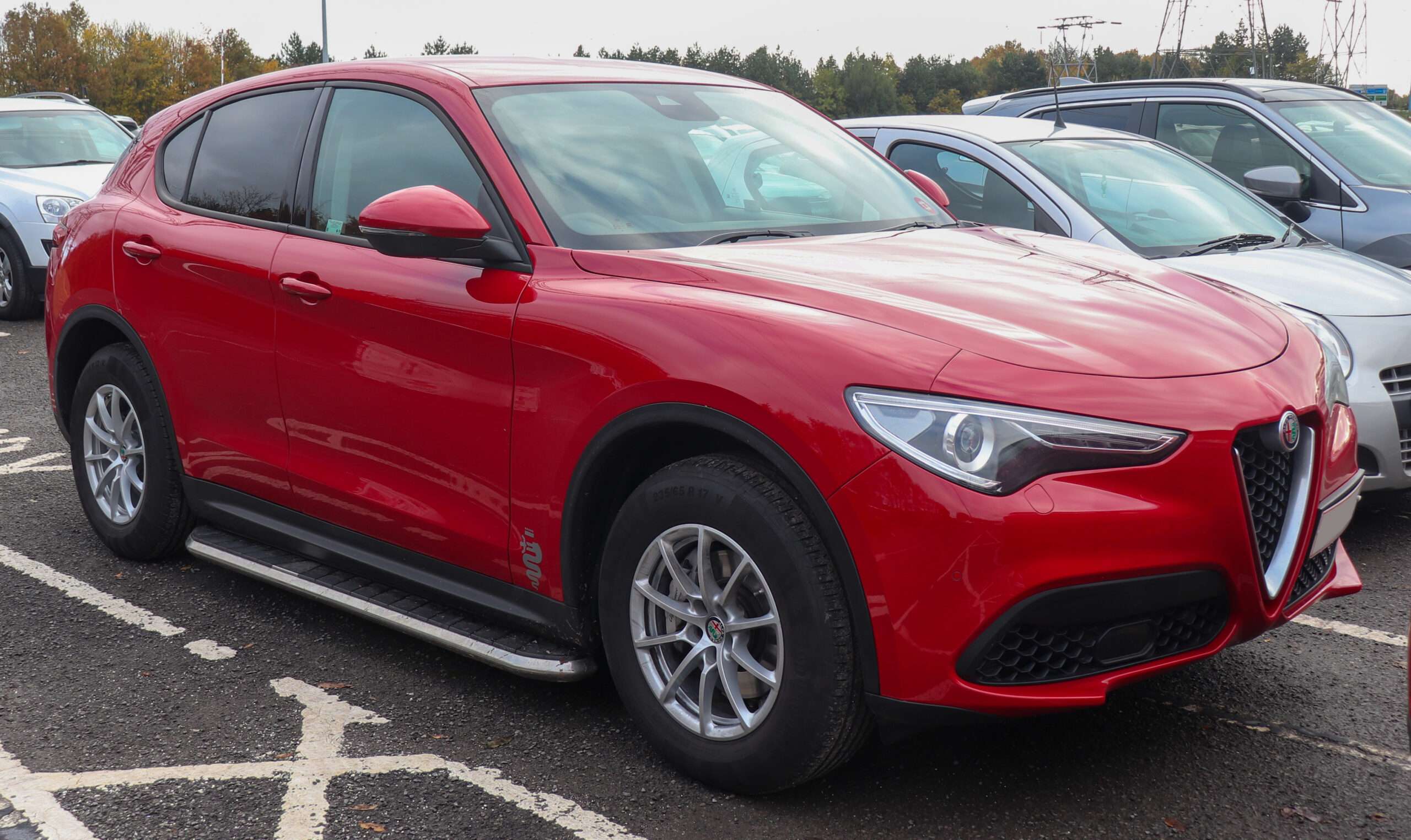
The 2.0 Turbo Q4 is the Stelvio to consider if you want Alfa Romeo’s engaging SUV without buying a diesel or taking on the Quadrifoglio’s V6 running costs. Both the 200 and 280 versions combine a turbocharged four-cylinder petrol engine, an eight-speed automatic and all-wheel drive. The best examples offer an appealing mix of steering response, family space and performance; neglected examples can make an attractive asking price misleading.
This guide focuses on the 2.0-litre petrol Stelvio Q4, including later Veloce models. Our preference is an unmodified car with documented annual oil maintenance, correct parts and fluids, a clean diagnostic inspection and convincing evidence that its gearbox, Q4 drivetrain and electrical systems work properly. Do not buy it using diesel service costs or Quadrifoglio parts assumptions.
Affiliate disclosure: we may earn a commission from qualifying purchases through the eBay links, at no extra cost to you. Search results can contain diesel, Quadrifoglio and incorrect-market parts. Confirm VIN and part numbers before buying.
Stelvio 2.0 petrol versions: identify the car before judging it
Alfa Romeo’s 2017 UK launch announcement introduced the 280 petrol Q4, with a 200 petrol Q4 joining the order range. Both were paired with an eight-speed ZF automatic. Early trims included Stelvio, Super, Speciale and Milano Edizione, while later model years brought a different range structure.
| Version | What matters when buying |
|---|---|
| 2.0 Turbo 200 Q4 | The lower factory-output petrol version. Buy on condition and history; do not assume a remap makes it identical to an original 280 for ownership or insurance purposes. |
| 2.0 Turbo 280 Q4 | The more powerful petrol version offered in early higher trims and later Veloce forms. Confirm factory identity rather than trusting badges or an advert’s power claim. |
| MY2020 revisions | Revised cabin and console, touchscreen infotainment and changes to equipment and assistance systems. Registration year alone may not prove the exact model year. |
| Veloce | The MY2020 UK release lists a 280 petrol and a separate 210 diesel Veloce. The trim name alone does not identify the engine. |
| Quadrifoglio or 2.2 diesel | Different engines and important maintenance differences. Their timing-drive jobs and service prices should not be copied into a 2.0-petrol budget. |
200 or 280?
The 200 can make sense for someone who values the chassis and everyday usability more than maximum acceleration. The 280 is the obvious choice if you want the stronger factory performance and find a sound example. Neither is a sensible saving if the purchase depends on ignoring faults or uncertain servicing.
Compare like-for-like history, tyres, brakes and equipment before comparing the engine outputs. A healthy 200 with good records can be a better buy than a cheap 280 needing expensive diagnostic work. If you know you want a 280, budget for the genuine car rather than assuming a tuned 200 is an equivalent shortcut.
Early cabin or MY2020?
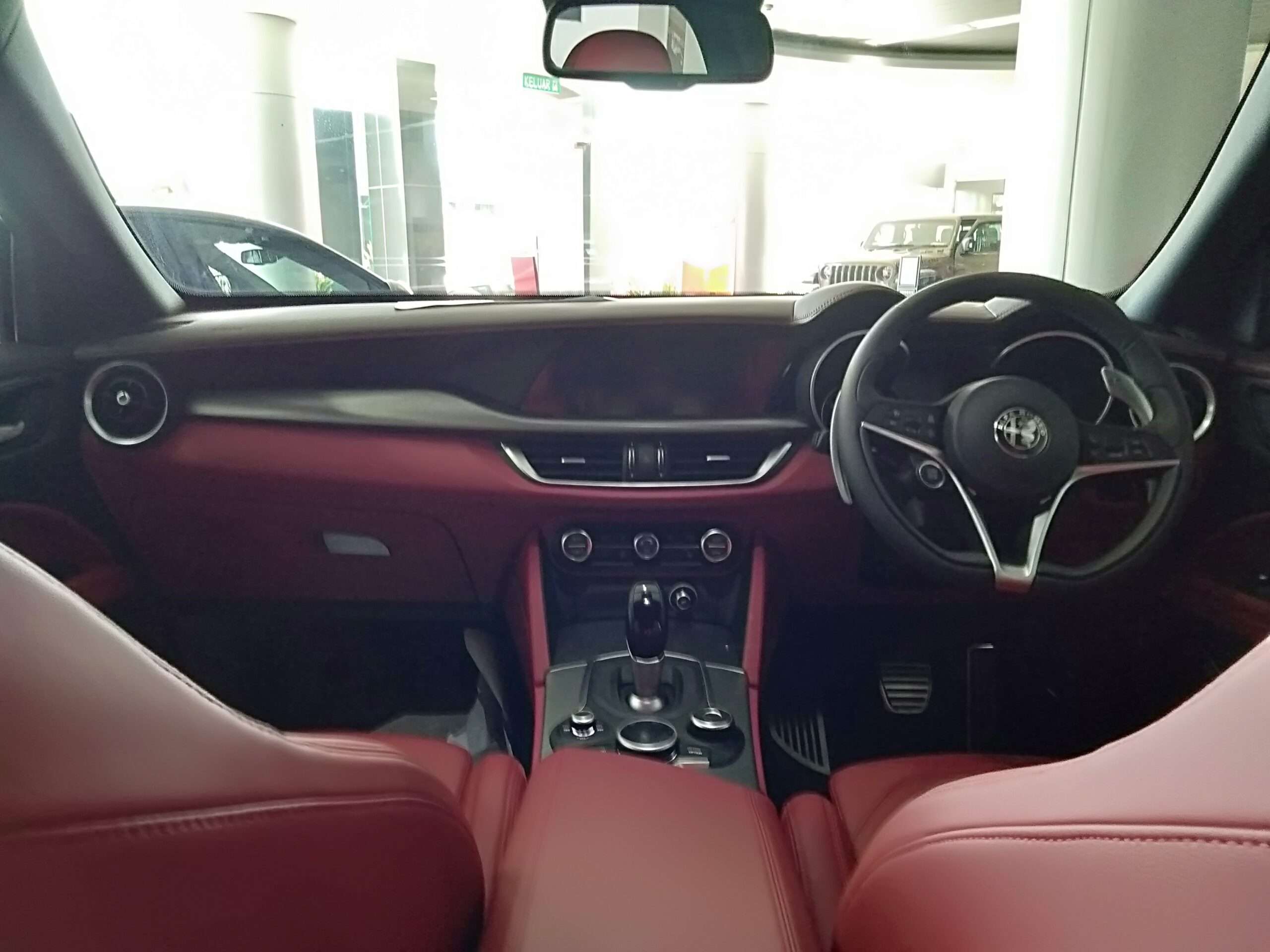
The MY2020 update matters if infotainment and everyday cabin details influence your enjoyment. Alfa’s UK announcement describes an 8.8-inch touchscreen, redesigned controls and centre console, and revised materials. Earlier screens can work correctly without offering that touchscreen interface.
Test the actual car with your phone. Do not assume Apple CarPlay, Android Auto, wireless charging, connected services or a particular assistance package is present because a later brochure lists it. Ask for the build specification and demonstrate the functions before buying.
Veloce suspension and option assumptions
The MY2020 UK release lists Frequency Selective Damping with the Veloce specification. That should not be casually described as an electronically adjustable damper system. Other model years and options need separate verification. Identify what is physically fitted before obtaining suspension quotes or interpreting a driving-mode menu.
Likewise, Q4 does not mean the same thing as every other manufacturer’s all-wheel-drive system. This is not a generic Haldex service application. Use the Stelvio’s actual drivetrain specification and the correct transfer-case maintenance instructions.
UK Stelvio petrol prices: compare engine, age and condition
Individual 2.0-petrol Q4 advertisements in our UK market check included examples around £13,490, £13,994, £15,490, £18,490, £20,181 and £21,950 across different trims, mileages and ages. These are asking prices, not achieved sales or a statistically representative valuation. Current advertisements may have changed.
The Auto Trader 2.0 Stelvio search is a starting point, but inspect each listing’s fuel, output and history. Stock-count headings can vary with filters and do not establish how many directly comparable cars are available.
A later Veloce with good history and expensive consumables in sound condition should not be compared only by price with an earlier high-mileage example. Conversely, an impressive trim name does not justify a premium when basic service evidence is missing. Choose evidence first, then decide what equipment is worth to you.
Turn inspection findings into a sensible offer
List immediate work separately from cosmetic preferences. Obtain fitted quotes for tyres, brakes, overdue servicing, leaks and diagnosed faults. Include labour, fluids, VAT and alignment where applicable. A cheap component price on a marketplace is not the cost of completing a repair.
Unresolved symptoms need investigation before they can become a reliable allowance. “It only needs a battery” or “the MultiAir will clear after a service” is not a diagnosis. If the car’s price only makes sense under the cheapest possible explanation, you are taking on the seller’s uncertainty.
Keep a repair reserve after purchase and consider downtime if this will be the only family vehicle. You can enjoy a performance SUV on a sensible budget, but only if that budget extends beyond the purchase and fuel. A specialist inspection is particularly valuable where history is incomplete.
History and identity checks before you travel
Request the registration, VIN, mileage and service invoices. Check MOT history for mileage consistency, recurring tyre wear, suspension advisories and repeated brake or emissions concerns. A recent MOT is useful evidence of a test, not a health certificate for the engine, gearbox or concealed electronics.
Match identity across the V5C, car and invoices. Establish who is selling it and use an appropriate history check for finance, recorded insurance damage and theft markers. Ask for repair documentation and photographs where significant work is disclosed. A polished exterior cannot establish that repairs were completed properly.
What the service file needs to show
Look for dates, mileage, correct oil approval, filters, spark plugs, auxiliary belt, brake fluid and transfer-case work. Alfa Workshop’s published petrol schedule specifies oil and filter changes according to the engine management system but at least annually. An invoice should identify what was used, not just say “fully serviced”.
A low-mileage car still needs time-based maintenance. Repeated short journeys, long periods parked and a battery that is seldom fully charged can create different concerns from regular longer use. Do not assume low mileage cancels the need for annual oil attention or periodic brake fluid.
Ask Alfa Romeo to check outstanding recalls and relevant campaigns against the VIN and verify completion where applicable. Confirm current insurance and tax for the actual registration. Do not infer either from an advertisement for a diesel or another trim.
2.0 Turbo engine: cold-start and road-test checks
Ask the seller to leave the car cold before arrival. Check that the temperature is consistent with that request, then observe starting, idle quality and warning messages. It should settle without persistent misfiring, alarming rattling, heavy smoke or prolonged cranking.
Direct-injection engines make some normal operating sounds, and condensation can be visible in cool weather. Those possibilities are not reasons to dismiss persistent symptoms. Have a specialist identify any concerning noise or smoke rather than accepting a blanket “all Alfas do it” explanation.
Warm the car progressively before assessing performance. Once temperatures are appropriate, it should deliver cleanly through ordinary acceleration and moderate load. Hesitation, repeated reduced-power messages, misfires or an inconsistent response needs a diagnostic road test, not a promise that premium fuel will cure it.
MultiAir: oil history is central to the buying decision
The petrol engine’s electrohydraulic valve-control system is one reason correct oil specification, condition and servicing matter. Do not reduce that advice to viscosity alone: the required approval and application need checking against the handbook and vehicle data.
Rough running, misfires and reduced performance can have multiple causes, including ignition, fuel delivery, wiring, mechanical condition and valve-control issues. A fault mentioning valve operation does not automatically justify buying a complete MultiAir unit. Ask the technician to explain the diagnostic evidence and rule out appropriate alternatives.
Alfa Workshop publishes a fitted MultiAir replacement price, including an oil change, in its 2.0-petrol menu. That establishes a useful potential cost reference; it is not evidence that every Stelvio will need the repair or a measured failure rate. Use it to understand why a proper diagnosis matters before purchase.
Previous MultiAir work: what is reassuring?
An itemised specialist invoice identifying the fault, part, oil and completed testing is more useful than an advert saying “new MultiAir”. Ask how much mileage the car has covered since and whether the original symptoms returned. Check warranty details and whether the current running behaviour supports a successful repair.
A recently replaced expensive part should not automatically deter you, but neither should it stop you inspecting the rest of the car. The quality and completeness of the repair matter. Repeated replacement without an explanation of the underlying cause deserves further investigation.
Timing chain, auxiliary belt and misleading service claims
The 2.0 petrol uses a timing-chain drive. Do not apply the 2.2 diesel’s cambelt-and-water-pump schedule to it. The auxiliary belt is a separate maintenance item and appears in the petrol service schedule. When the seller says “the belt has been done”, establish exactly which component and request the invoice.
Persistent timing-related noise or relevant faults need diagnosis. A chain drive is not a guarantee that no timing component can ever need attention. Equally, a general timing-belt price elsewhere on an Alfa website is not a fitted quote for this engine.
For diagnosed timing work, ask for parts, access, seals, fluids, fasteners and testing to be included in the quote. A low advertised kit price does not describe the complete repair. Do not buy an unresolved noisy car simply because a marketplace search returns affordable components.
Cooling system, oil leaks and turbo operation
Check coolant level cold, ask about top-ups and inspect accessible joints, hoses and cooling components for staining. Have the undertrays removed during inspection so leaks are not hidden. A normal temperature indication on a short drive does not explain repeated coolant loss.
Do not remove hot caps or assume a warning is only a sensor without supporting tests. A pressure test or other diagnostic procedure may be needed to locate the source. Ask what has been tested and what remains uncertain before agreeing a repair allowance.
Inspect oil level according to the handbook and review top-up history. Oil on a tray can have travelled from its source; fresh cleaning can also make a minor seep difficult to judge. A specialist should distinguish an old spill, active leak and more significant problem, then quote the actual access involved.
Boost and hesitation
Listen for unusual whistling, check for smoke and assess whether power delivery is consistent once warm. Hose or connection faults, controls and a damaged turbo can produce overlapping symptoms but different bills. A replacement turbo should follow diagnosis, not the first guess from an advert description.
Ask about engine software and hardware changes. A dyno sheet records a particular test, not long-term engine health. If a car is tuned, request supplier details, supporting modifications and insurer acceptance. A documented standard car is easier to assess if you want to minimise uncertainty.
Battery, starting and electrical warnings
A proper battery and charging-system test belongs in the inspection if there are warning messages, reluctant starting or inconsistent electrical functions. Low voltage can affect electronic systems, but it should be demonstrated rather than used as an explanation for every fault on the car.
Ask whether the battery has been replaced, whether the correct specification was used and whether any required setup was completed. Review the pattern of use and any aftermarket electrical equipment. A tracker or dashcam installation should not prevent the car from shutting down and maintaining a healthy battery state.
Keep a record of warning messages and have all relevant modules scanned. Distinguish historic low-voltage events from current faults and explain repeated entries. Clearing codes before a viewing does not repair the cause, and no illuminated light is not a guarantee that every system is sound.
Stop/start and warning cascades
Stop/start availability depends on operating conditions, so one failure to activate is not a diagnosis. Conversely, repeated system-unavailable messages deserve investigation. Ask the specialist to evaluate battery health, stored faults and the conditions under which the behaviour occurs.
If several warnings appear together, pause the purchase until their relationship is understood. A battery may be part of the explanation, but braking, steering or drivetrain faults should not be dismissed without testing. Obtain a clear repair scope and a verified outcome.
Eight-speed automatic: what to check
The 2.0-petrol Q4 has a ZF eight-speed automatic. Check drive and reverse engagement from cold, then test low-speed manoeuvring, gentle shifts, steady cruising and moderate acceleration when warm. Repeated flare, harsh engagement, shudder or warning messages requires specialist assessment.
Use a route long enough to warm the drivetrain. A short demonstration on a dealer’s forecourt cannot establish hot behaviour. Try manual selection with the controls fitted, but keep attention on safe driving rather than attempting performance demonstrations.
Transmission maintenance is not a cure-all
Ask for any fluid-service invoice, identifying oil, filter or sump components and procedure. Use the exact transmission application rather than a universal eight-speed kit. Discuss the correct maintenance plan with a competent specialist using the vehicle’s schedule and use.
A fluid change is not a guaranteed repair for an already slipping or faulty transmission. If symptoms exist, diagnose them first. Separate gearbox work from transfer-case and differential operations; a receipt for one unit does not prove the others were serviced.
Q4 all-wheel drive, transfer case and tyres
Check the Q4 drivetrain for leaks, warnings and abnormal behaviour under load or during normal low-speed turns. A noise or vibration needs to be traced to its source: tyres, wheels, bearings, shafts and drivetrain components can produce different symptoms. Do not buy on the assumption that any shudder will disappear after an oil change.
Inspect all four tyres for correct sizes, ratings, condition and compatible rolling circumference. Some specifications use staggered sizes, so verify the correct approved front/rear combination rather than assuming identical widths are mandatory. Compare tread depths, age and inner shoulders.
Alfa Workshop’s petrol schedule includes transfer-case oil replacement at 72,000 miles. Use that as a specific inspection question and confirm the correct build-specific schedule. A generic “quattro/Haldex” service is not the relevant operation for this car.
The original UK announcement identifies a carbon-fibre propshaft as part of the Stelvio’s construction. Have the underside inspected for impact damage and signs of poor lifting or repairs. A body kit or clean wheelarches does not reveal the condition of concealed driveline components.
Suspension, steering and brakes
Assess ride and steering on the surfaces you normally use, then have arms, bushes, joints and dampers checked on a lift. Knocks, wandering, inconsistent response and uneven tyre wear need an explanation. Alignment is important, but it is not a substitute for replacing worn parts.
Identify the actual suspension specification. The presence of a DNA selector does not establish electronically adjustable damping. Aftermarket springs or dampers need documentation, a suitable installation and insurer acceptance. Ask whether alignment was completed after changes.
Integrated Brake System
The Stelvio’s braking system should be assessed using the correct service procedures. Check warning messages, pedal behaviour and braking consistency in safe conditions. Do not assume conventional workshop shortcuts are suitable for electronic parking-brake or integrated-brake work.
Measure discs against the correct limits and inspect both faces, pads, hoses and calipers. Pulling, judder or abnormal pedal behaviour needs diagnosis. Establish the brake hardware before ordering, especially when a search mixes petrol, diesel and Quadrifoglio components.
Quote the complete job with fittings, labour, fluids and VAT. Alfa Workshop’s 2.0-petrol menu is a useful reference, but confirm current scope and exact application. A caliper colour or large wheel does not establish which replacement parts are required.
Love cars you don’t see every day?
Get forgotten cars, surprising motoring stories and the most interesting finds from Unusual Cars by email.
Free to join. No spam. Unsubscribe whenever you like. See our privacy policy.
Bodywork, water ingress and family-use checks
Inspect the exterior clean and dry in daylight. Look along panels, compare gaps and paint edges, and inspect the underside for kerb damage, distorted lifting points or missing trays. Suspected structural or significant accident repairs deserve professional assessment.
Check carpets, headlining, boot and underfloor areas for damp. If a panoramic roof is fitted, operate it and inspect for staining or leakage. A blocked drain may be part of a fault, but drying, trim or electrical damage can add work. Establish the full scope before accepting a small price allowance.
Operate the tailgate, locks, windows, mirrors and rear wiper/washer. Check seat folding, load cover, luggage fittings and the tyre repair or spare provision actually supplied. Bring child seats or regular bulky luggage to check fit with the seller’s agreement. Practicality is worth testing in person.
Infotainment, assistance systems and security
Test navigation, audio, phone connection, cameras, sensors, climate control, seat heating and adjustment. Check both keys and all important buttons. A later infotainment description in an advert should be demonstrated on the actual car, particularly around the MY2020 change.
For fitted driver assistance, inspect warnings and ask about sensor, bumper and windscreen repairs and any necessary calibration. Assistance is not autonomous driving; use the handbook and remain responsible for control. You do not need to deliberately create a dangerous situation to verify that equipment exists.
Radar protection and insurance
Alfa Workshop lists a radar anti-theft armour installation for the 2.0. That shows a model-specific security option is available, not that it eliminates theft risk or satisfies every insurer. Discuss suitable security, trackers and key requirements with your insurer before purchase.
Ask for invoices for any security installation and check that no warning messages or damaged trim accompany it. Do not publish or share security bypass details when selling or inspecting the vehicle. The practical buying task is confirming sound installation and appropriate insurance cover.
Stelvio 2.0 petrol maintenance schedule and UK costs
Alfa Workshop’s published petrol schedule provides unusually useful model-specific reference points. It lists oil/filter attention at least annually, spark plugs and auxiliary belt at 36,000 and 72,000 miles, the 2.0 air filter at 27,000-mile steps, transfer-case oil at 72,000 miles, and brake fluid every two years. Confirm time limits and the correct schedule for the exact VIN with the servicing workshop.
Its petrol schedule explicitly marks a 2.0 fuel-filter replacement row as not UK models. Do not build a UK service package from an overseas listing or add an unnecessary fuel filter because a generic search result suggests it. Diesel maintenance is listed separately and must remain separate.
| Job | Published 2.0-petrol reference | Scope |
|---|---|---|
| 9,000-mile service | £226.70. | Alfa Workshop fitted-service menu, VAT included. Confirm current price and exact tasks. |
| 18,000-mile service | £352.70. | Different scheduled content; not simply an oil change at a higher price. |
| 36,000 / 72,000-mile service | £476.30 / £490.70. | Review the relevant schedule and age-based requirements; do not double-count included work. |
| Oil and filter replacement | £195. | A distinct operation on the same menu, not necessarily equivalent to a full scheduled service. |
| Front discs and pads | £426. | 2.0 row, fitted menu including VAT; verify hardware and scope. |
| Rear discs and pads | £374.40. | 2.0 row; different from the diesel and Quadrifoglio rows. |
| Replace MultiAir unit including oil change | £2,087.40. | Model-specific fitted repair reference, not a prediction of failure or a reason to skip diagnosis. |
| MultiAir actuator, parts only | £1,464 including VAT, part 50057881. | Alfa Workshop lists 200/280 applications; verify VIN. Gasket, microfilter and bolts are separate parts listings. Do not treat this as a fitted price. |
| Engineer’s overall condition report | £120. | Ask whether your intended pre-purchase checks, cold start, lift inspection and road test are included. |
| Radar anti-theft armour installation | £252 for the 2.0. | Confirm current suitability, fitting scope and insurer requirements. |
The workshop menu includes VAT and identifies genuine or original-equipment parts and Selenia oil. It does not publish a separate parts/labour split for each repair. Ask for that detail in a quotation rather than inventing a labour charge by comparing unrelated suppliers.
Useful eBay searches for this engine and drivetrain
Compare Stelvio 2.0 petrol service kits, spark plugs, alternators and auxiliary belts and tensioners. Verify oil approval and the actual engine application.
For diagnosed repairs, compare 2.0 MultiAir units, petrol Q4 gearbox service kits, 2.0 front discs and pads and cooling-system components. Search results can include used, incomplete or incompatible items; ask the repairing workshop about suitability and warranty.
If timing work is actually diagnosed, 2.0-petrol timing-chain kit searches can help you understand availability. This is not the diesel cambelt job and not a fitted-cost estimate. Ask what seals, fasteners and associated work are needed.
After-purchase baseline
Reconcile the records before ordering work. Establish oil and filter timing, correct plugs, air/cabin filters, auxiliary belt, brake fluid, transfer-case history and gearbox condition. A reset service display does not prove the operations were completed.
Before a long trip, check fluids cold as instructed, tyres and pressures, brakes, lights and charging. Investigate warnings and unexplained losses before relying on the car. Keep recovery cover appropriate to your use and understand the handbook’s response to oil-pressure, temperature or drivetrain warnings.
Service parts and maintenance shopping checklist
Use these Alfa Romeo Stelvio 2.0 Turbo Q4 searches to compare parts availability. A search result is not a fitment guarantee: confirm the exact vehicle specification and original part numbers before ordering.
| Maintenance item | What to check before buying | eBay parts search |
|---|---|---|
| Stelvio 2.0 petrol service kits | Match engine code and production date; compare kit contents and the manufacturer approvals for any included fluids. | Compare stelvio 2.0 petrol service kits on eBay |
| spark plugs | Match the engine and ignition specification. Diagnose running faults before replacing components; modified cars may need a different approved specification. | Compare spark plugs on eBay |
| alternators | Match the original part number, output rating, electrical connector and pulley; check exchange surcharges. | Compare alternators on eBay |
| auxiliary belts and tensioners | Confirm engine, belt routing, length and tensioner/pulley specification; distinguish the auxiliary drive from engine timing. | Compare auxiliary belts and tensioners on eBay |
| petrol Q4 gearbox service kits | Confirm the exact gearbox or coupling code, approved fluid and complete filter/seal contents; these are separate service circuits. | Compare petrol q4 gearbox service kits on eBay |
| 2.0 front discs and pads | Match axle, fitted brake assembly, dimensions and wear sensors; compare a complete axle set and confirm whether hardware is included. | Compare 2.0 front discs and pads on eBay |
| cooling-system components | Identify the failed component first; match engine and housing references, seals and the correct coolant specification. | Compare cooling-system components on eBay |
| 2.0-petrol timing-chain kit searches | Confirm engine code and the diagnosed scope with a specialist. Check tensioners, guides, seals and associated parts; this is not a universal replacement interval. | Compare 2.0-petrol timing-chain kit searches on eBay |
Affiliate disclosure: we may earn a commission from qualifying eBay purchases, at no additional cost to you. Listing prices are for the advertised contents only; fitting, diagnosis, fluids and associated work may cost extra. Check availability, seller reputation and returns terms.
Hidden ownership costs worth pricing before purchase
Tyres and wheels: larger Veloce or upgraded wheels can make a full set expensive. Check the actual sizes and compatible combination. Include alignment and investigate uneven wear rather than repeatedly replacing tyres.
Diagnosis: an intermittent electrical or running fault may require more than a short scan. Ask what the diagnostic fee includes and how further work is authorised. Replacing several cheap guessed parts can cost more than a sound diagnosis.
Security and insurance: obtain a quote for the actual registration, modifications, parking and security. Confirm tracker, key and installation requirements rather than assuming a generic online example applies to you.
Tax and fuel: check the actual registration’s current VED and whether any applicable supplement period remains. Base fuel budgeting on your journeys, not the original combined laboratory figure. Petrol avoids diesel-specific buying concerns, but does not make running a performance SUV inexpensive.
Water ingress and electronic repairs: fixing the entry point may be only the first operation. Drying, trim, wiring and calibration can add cost. A freshly cleaned or strongly scented cabin still needs a damp check.
Downtime: ask about specialist booking times and parts availability. If this is the family’s only vehicle, alternative transport belongs in the contingency budget. A lower purchase price does not shorten a complex repair.
How to use the inspection and repair quotes
Give the inspecting specialist a written brief covering cold starting, warm running, fault history, battery health, Q4 behaviour, brake measurements and the underside. Ask for photographs where leaks or damaged components are found. A useful report explains the condition and the limits of what was checked; it does not merely award the car a reassuring description.
For each warning or code, establish whether it is current, historic or intermittent and what tests support the proposed repair. A code naming a component does not necessarily mean that component is defective. Wiring, voltage, lubrication and related systems may need assessment. Conversely, a clear fault memory cannot rule out a mechanical problem that produces no electronic warning.
Keep parts and labour comparisons honest
The published £1,464 MultiAir actuator price and £2,087.40 fitted replacement are not interchangeable. The difference is £623.40, but the fitted menu also includes an oil change and may involve additional materials. That difference must not be labelled a standalone labour charge. Ask the workshop to itemise the actuator, gasket, other required parts, oil, labour and VAT on a current quote.
This also helps compare two garages fairly. One quote may include associated components and testing that another excludes. Confirm which failed part will be replaced, whether any reusable items are being retained, the warranty on the work and who authorises additional findings. The cheapest opening figure may not be the complete job.
Choose between two cars on evidence
Imagine a clean 200 with annual oil invoices and good consumables beside a cheaper 280 with intermittent misfires and no clear service record. The second car’s extra performance does not remove its diagnostic risk. Have the symptom investigated before treating it as a fixed repair allowance. If the seller declines, the better-documented car is the more assessable purchase.
Equally, do not reject a car merely because a significant repair was properly completed. An itemised specialist invoice, clear reason for the work and healthy subsequent running can be valuable evidence. Judge the present condition and the quality of the repair rather than counting either new parts or old warnings in isolation.
Finally, prioritise safety, reliability and cosmetics in that order. Unsafe tyres or brake faults need resolving before ordinary use. Unexplained fluid loss or drivetrain symptoms need diagnosis before purchase. Trim damage and wheel scuffs can be priced once the car’s fundamentals are understood.
Practical viewing and inspection checklist
Before travelling
- Confirm 2.0 petrol, original 200/280 output, Q4, model year and equipment.
- Review annual oil evidence, MOT history, VIN and finance/damage checks.
- Ask about battery, warnings, MultiAir work, coolant loss and modifications.
- Arrange a cold start, meaningful warm drive and independent inspection.
At the car
- Observe cold starting, idle, noises, smoke and fluid levels.
- Inspect all four tyres, inner shoulders, brakes, suspension and underside.
- Check water ingress, roof, tailgate, cabin functions and both keys.
- Scan relevant modules and have current versus historic faults interpreted.
On the road and before payment
- Check clean engine response and gearbox behaviour cold and warm.
- Investigate Q4 binding, vibration, braking anomalies and warning messages.
- Obtain measured inspection findings and written fitted quotes.
- Resolve major uncertainties rather than pricing them as the cheapest possible repair.
Buy when identity, maintenance and inspection agree. Negotiate for defined wear items with credible costs. Pause or walk away from unexplained misfires, coolant loss, serious brake/drivetrain symptoms, inconsistent history or refusal of inspection. A well-documented car is the strongest route to enjoying the Stelvio’s character.
Stelvio 2.0 petrol buying questions
Is Veloce always petrol?
No. The MY2020 UK range also included a diesel Veloce. Confirm the 2.0-petrol engine and original output rather than buying from the trim name.
Does the 2.0 need the diesel cambelt service?
No. The petrol timing drive uses a chain. Its auxiliary belt is a separate scheduled item. Do not apply the 2.2 diesel’s belt-and-water-pump job to this engine.
Is a MultiAir warning always a new unit?
No. Running and valve-control symptoms require diagnosis. The fitted replacement price is a budgeting reference, not proof that the complete unit has failed.
Does a new battery cure every electrical warning?
No. Test battery and charging health, interpret fault history and investigate current system faults. A low-voltage explanation should be supported by evidence.
Can a 200 be treated as a factory 280 after a remap?
No. Verify actual hardware, calibration, documentation and insurance. A power claim does not change the car’s original identity or establish long-term condition.
Research sources and further reading
Original UK engines and trims: Alfa Romeo’s 2017 UK launch announcement. Cabin and range changes: MY2020 UK release. Maintenance tasks: Alfa Workshop Stelvio schedule. Published UK costs: Alfa Workshop fixed-price menu. Parts-only MultiAir reference: Alfa Workshop actuator and related parts. Market examples: Auto Trader 2.0 listings.
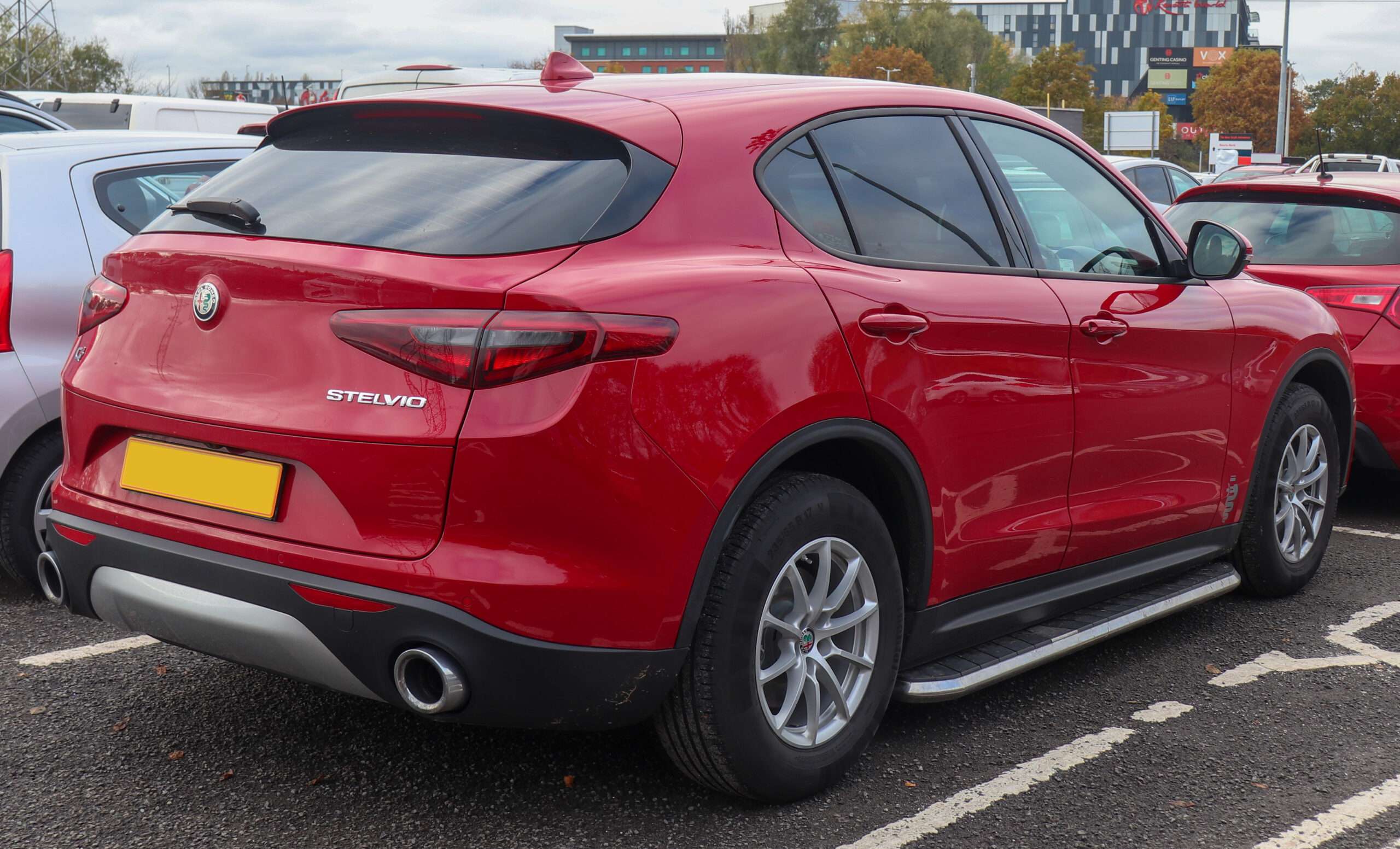
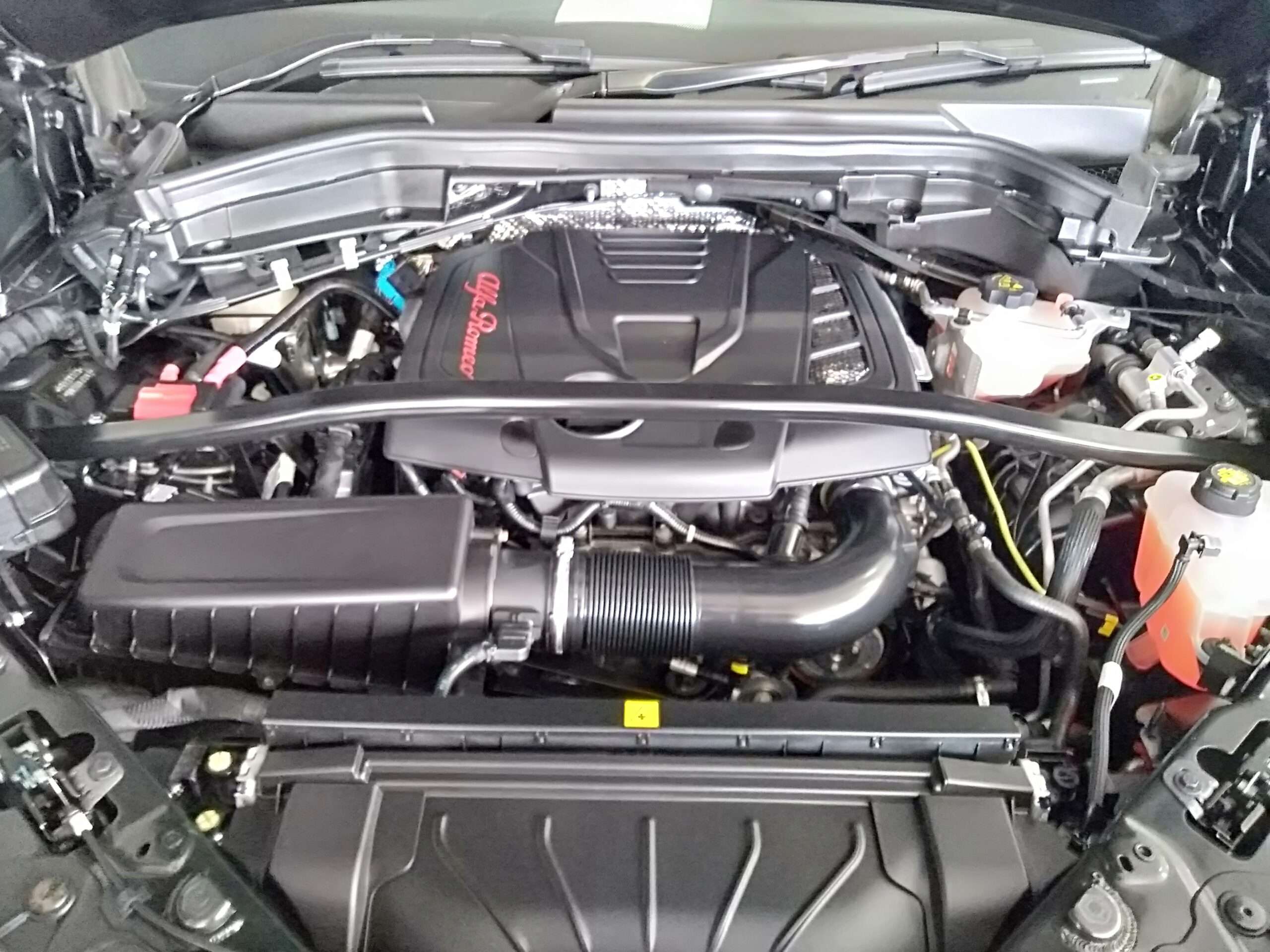
Inspection priorities are editorial recommendations rather than measured failure rates. Photos include overseas engine and cabin examples, with equipment that can differ from UK cars. Find related ownership advice in the buying guides by make.
Featured photograph: Vauxford / Wikimedia Commons, CC BY-SA 4.0.
Alfa Romeo Stelvio 2.0 Turbo Q4 cars for sale on eBay UK
Compare current asking prices, mileage and service history. Unusual Cars may earn a commission from qualifying purchases through these eBay links.

See more Alfa Romeo Stelvio 2.0 Turbo Q4 cars on eBay UK
Love cars you don’t see every day?
Get forgotten cars, surprising motoring stories and the most interesting finds from Unusual Cars by email.
Free to join. No spam. Unsubscribe whenever you like. See our privacy policy.