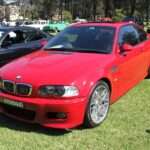
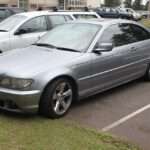
The E46 BMW M3 arrived at exactly the right moment: modern enough to be devastatingly capable, yet still powered by a naturally aspirated straight-six and available with a conventional manual gearbox. Its reputation is enormous, but the engineering story goes far beyond the familiar CSL badge.
Here are ten things you probably didn’t know about the BMW M3 (E46).
1. The engine delivered more than 100PS per litre without a turbo
The 3,246cc S54 straight-six produced 343PS at 7,900rpm and 365Nm at 4,900rpm in European specification. Individual throttle butterflies, continuously variable double VANOS cam timing and an 8,000rpm red line gave it the response and soundtrack that made the car famous. BMW quoted 0–100km/h in 5.2 seconds, yet the engine’s willingness to rev mattered more than the headline sprint figure.
2. It was sold only as a coupé and convertible
Unlike the E36 before it and later generations after it, the E46 M3 never became a factory four-door saloon. Series production began with the coupé in 2000 and the heavier convertible followed in 2001. BMW did construct an official M3 Touring prototype to test the manufacturing idea, but it remained a one-off development car rather than a showroom model.
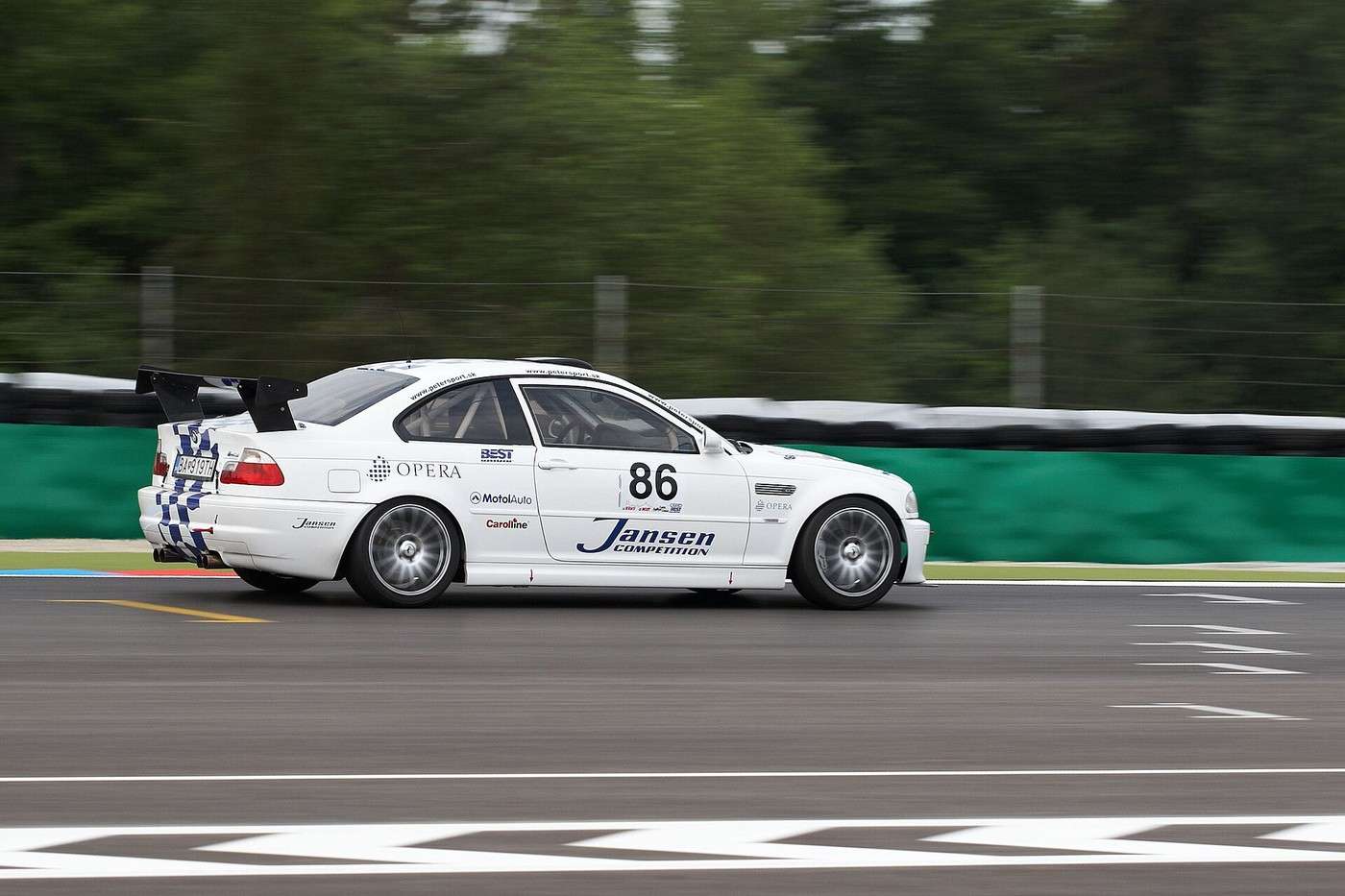
3. The body was substantially wider than an ordinary E46
The flared wheelarches were not decorative add-ons. Wider tracks required unique front wings and rear quarter panels, while the aluminium bonnet gained its familiar power dome. Deeper bumpers, M mirrors, side grilles and four exhaust outlets completed the transformation. Only the doors, boot lid and glass make the M3 look as closely related to a normal 3 Series as it actually is.
4. SMG II was not an automatic gearbox
The optional Sequential M Gearbox used the same basic six-speed manual transmission, but electro-hydraulic actuators operated the clutch and selected gears. There was no torque converter and no second clutch. Drivers could choose several shift programmes and use the lever or steering-wheel paddles; the fastest changes were dramatic, although low-speed smoothness depended heavily on technique.
Join the Unusual Cars Club free
Get forgotten cars, surprising motoring stories and the most interesting finds from Unusual Cars by email.
Free to join. No spam. Unsubscribe whenever you like. See our Privacy Policy.
5. Its differential actively changed its locking effect
BMW’s Variable M Differential Lock used a shear pump and special silicone fluid to increase locking as the rear-wheel speed difference grew. It could direct far more torque to the tyre with grip than a conventional open differential, helping the rear-driven M3 launch and accelerate out of bends without turning the car into an electronically managed all-wheel-drive machine.
6. The CSL introduced BMW’s first production carbon roof
The 2003 M3 CSL used a carbon-fibre-reinforced plastic roof to remove weight from the highest part of the body. It also gained a carbon airbox, thinner rear glass, lighter seats and numerous deleted comfort items. BMW produced 1,383 CSLs, all with SMG, and raised output to 360PS while reducing DIN kerb weight to 1,385kg.
7. The CSL recorded a 7:50 Nürburgring lap
BMW’s official history quotes a 7 minute 50 second Nordschleife time for the CSL. That was exceptional in 2003 and helped turn Michelin Pilot Sport Cup tyres into part of the car’s legend. The lap was not simply an engine achievement: revised suspension, quicker steering, stronger brakes, aerodynamic changes and the weight reduction all contributed.
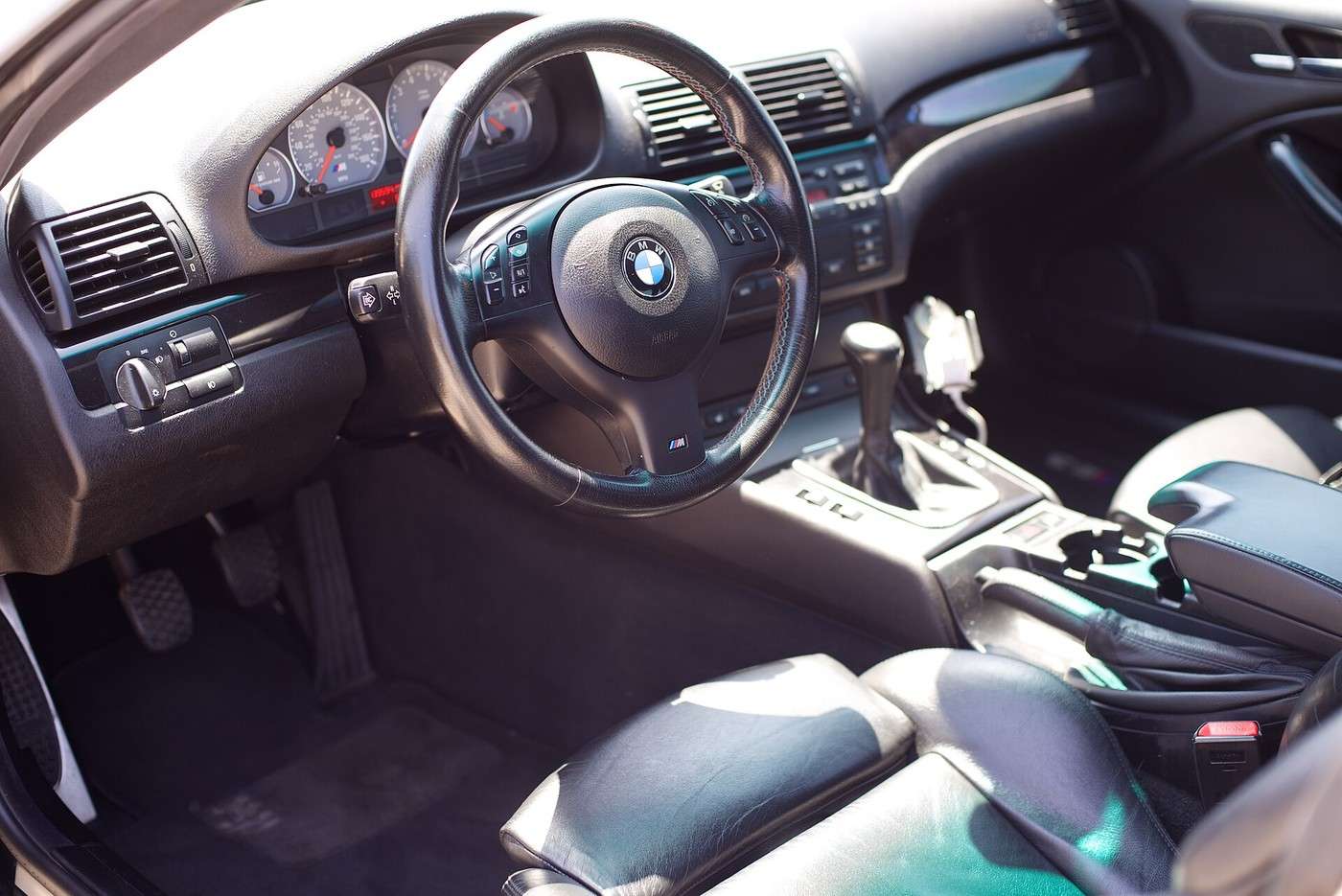
8. The later Competition Package borrowed from the CSL
Introduced for the coupé in 2004, the Competition Package—known as the CS in Britain—retained the standard 343PS engine but added quicker steering, larger front brake discs, revised stability-control programming and distinctive 19-inch wheels. It offered several of the CSL’s chassis ideas without the carbon airbox, stripped cabin, Cup tyres or limited-production price.
9. More than 85,000 were sold
The E46 M3 feels special today, but it was a major commercial success rather than a tiny homologation run. BMW Group Classic records more than 85,000 coupés and convertibles sold worldwide. That scale explains the extraordinary range of colours and options—and why originality, specification and maintenance history now separate the best cars from superficially similar examples.
10. The rear floor matters as much as the engine
The rear axle carrier mounting area can crack around the boot floor, while rod bearings, VANOS components, cooling systems and SMG hydraulics also demand evidence of proper care. None of those issues invalidates the car’s reputation, but they make inspection essential. A healthy shell and documented preventative work are more valuable than a long list of cosmetic M accessories.
Why it matters
The E46 M3 matters because it sits at the meeting point between analogue BMW character and modern performance. It is fast enough for today, mechanically fascinating and still usable—yet its straight-six, hydraulic steering and optional manual gearbox belong to an era that will not return.
Enjoyed this one?
Join the Unusual Cars Club free for more forgotten performance cars, surprising motoring stories and new 10 Things articles.
Free to join. No spam. Unsubscribe whenever you like. See our Privacy Policy.
Explore every 10 Things article in the Unusual Cars hub →