A Kia-specific scanner can be a good investment on a BL Sorento when the four-wheel-drive indicator flashes and the garage mentions a transfer case. The Torque-on-Demand controller can distinguish a front speed-input fault, a rear speed-input fault and a problem in the motor that changes range. Capturing the module’s own report gives you a better starting point than pricing a complete unit.
Which car and controller does this cover?
Identify the transfer system first. This guide uses the Torque-on-Demand (TOD) examples in Kia’s early BL technical material. BL models with a different selectable four-wheel-drive system require the corresponding diagnostic menu and code chart. Take a photograph of the selector markings, record the build year and gearbox, and ask the supplier to match the transfer controller. A menu labelled only “Sorento engine” does not answer this question.
What the transfer controller’s P-codes actually describe
| Code | Controller finding | What to ask before spending money |
|---|---|---|
| P1728 | Electromagnetic clutch circuit | On the documented TOD system, the circuit was seen open or shorted towards supply. Ask for evidence separating its electrical path from the clutch assembly. |
| P1730 | Front speed input low | The controller reports a low front input. Verify the signal reaching the transfer controller before pricing a transfer case. |
| P1732 | Rear speed input low | The corresponding rear channel is implicated. Save whether the front channel still reports a plausible speed. |
| P1736 | Range-shift motor circuit | The training chart identifies an open or short towards supply in the motor circuit. A range-selection failure is a different complaint from a speed-input fault. |
These examples come from the linked model references. A chart entry describes a condition the controller can identify. It does not tell you how often the fault occurs or which part failed on your car.

Why an engine P-code list can mislead
A P prefix is often treated as shorthand for an engine problem. Here Kia assigns P-codes to the TOD system. A cheap reader’s ability to display a P-code from the emissions ECU does not establish that it can open the transfer controller, list its stored faults or record its input data. Ask the seller to demonstrate that menu for an early BL. Newer Sorento coupling information is a poor substitute.
For example, a specialist finds P1732 during an intermittent loss-of-drive complaint. If the transfer controller sees a sensible front signal while its rear channel falls away, the rear input and its electrical path deserve attention. Check that the data sheet actually labels transfer-system inputs. Individual ABS wheel speeds can be useful corroboration, but they are different measurements. Neither result alone proves that the transfer-case gears are worn.
Love cool cars? Join Unusual Cars Club FREE!
Get forgotten motoring finds, stories, helpful car content and more.
Free to join. No spam. Unsubscribe whenever you like. See our privacy policy.
When the fault follows a range request
A 4WD message appearing as the driver asks for a range change deserves a precise account. Did the indicator flash? Was a shift completed? Was there noise, or only the warning? Do not repeat the manoeuvre on unsuitable ground to collect a second example. A workshop can assess the system under the operating conditions specified for that build.
With P1736 the electrical request, motor circuit and achieved position become relevant. Ask what reached the motor and what position the controller recognised. With a clutch-circuit fault such as P1728, ask which measurement supports the proposed clutch or harness repair. These are better questions than “does it need a transfer box?” because each can be answered with evidence. An ongoing mechanical noise or loss of drive calls for professional assessment even if fault memory is clear.
What a useful transfer-case estimate includes
Ask the garage to name the transfer-system type, the reporting controller and whether the fault remained present during its tests. If a motor is proposed, ask how its electrical circuit and its mechanical load were distinguished. If the estimate is for the complete transfer assembly, ask why an external signal or wiring issue could not account for the symptoms.
A useful follow-up report records the same controller after repair and documents whether the original complaint could be reproduced under appropriate conditions. Keep it with the invoice. If a different range or speed-input code appears a year later, the comparison can save the next technician from repeating an investigation that has already been documented.
What to keep from the first scan
Before clearing memory, save the complete report, mileage, date, warning message and the name of the computer that returned each code. Include any suffix and whether the tool says current, pending or historical. Photograph the display if the reader cannot export a file. Record recent repairs or battery trouble separately so the garage can establish whether the timing fits.
If the tool fails to connect, record the exact menu selected and the result. A controller that replied with an empty fault memory is a useful finding. A controller that never replied leaves the original question open. Check the market, vehicle selection and software coverage before treating a communication failure as a fault on the car.
Is the iCarsoft JP V3.0 worth buying for this job?
The JP V3.0 is a candidate to compare with a multi-brand tool that has enhanced Kia coverage. Both can use the same diagnostic socket as a basic engine reader. The difference is the software’s ability to open the particular computer, interpret its fault memory and display the measurements that matter to you. Give the supplier the UK build, engine, gearbox and equipment and put this question to them:
Can it enter the early BL Torque-on-Demand controller directly, read its manufacturer P-codes and display the front and rear transfer speed inputs on my fitted system?
Request a written answer for the exact unit and current software. A general “Kia supported” entry is only a starting point. If your immediate need is one urgent diagnosis, compare the total purchase price with a local specialist’s charge for a report and physical tests. Ownership becomes more useful when you can capture intermittent warnings as they happen, review a workshop estimate with specific evidence and keep the tool for later faults.
Sources and further reading
Kia Sorento BL technical training, TOD fault chart · Sorento 4WD diagnostic code reference · Check iCarsoft coverage · Find the Kia handbook · Browse all Kia scanner guides
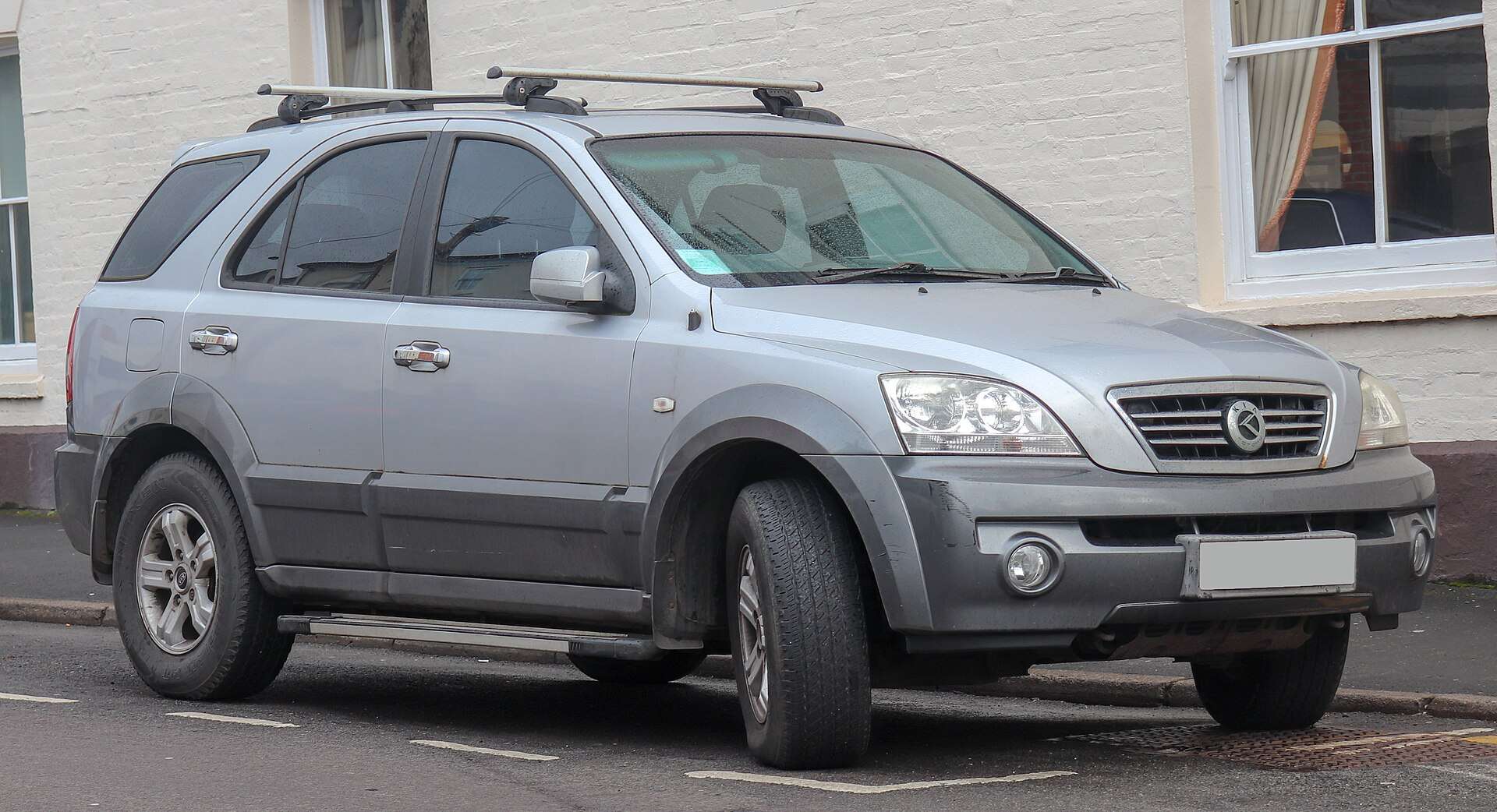
Featured photograph: 2005 Kia Sorento CRDi XS Automatic 2.5 Front by Vauxford, via Wikimedia Commons, under CC BY-SA 4.0. Resized for display.
Love cool cars? Join Unusual Cars Club FREE!
Get forgotten motoring finds, stories, helpful car content and more.
Free to join. No spam. Unsubscribe whenever you like. See our privacy policy.