10 THINGS YOU PROBABLY DIDN’T KNOW
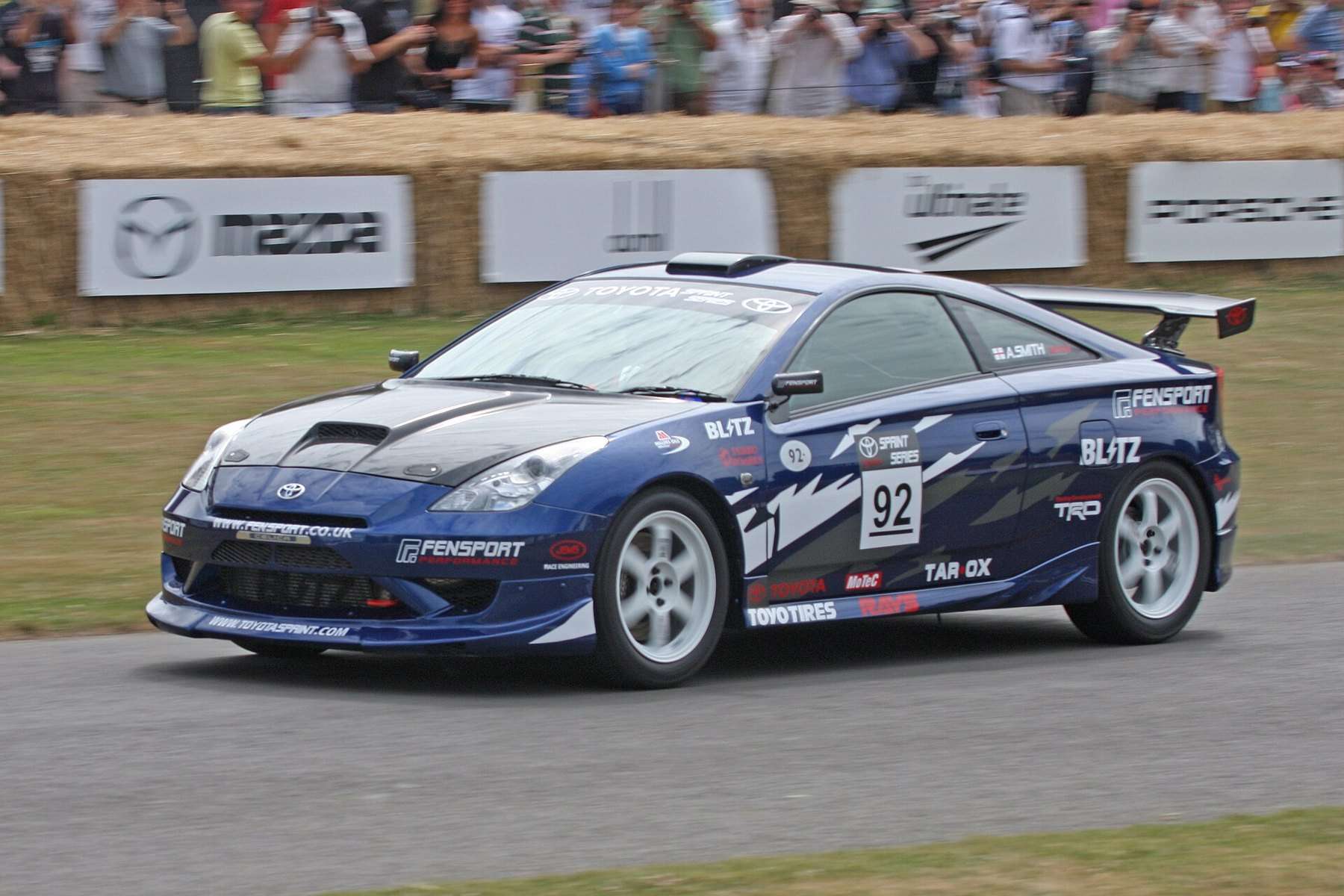
The seventh-generation Celica was lighter, sharper and more affordable than the model it replaced. In 190 and T Sport form, its Yamaha-influenced 1.8-litre engine delivered a dramatic high-lift changeover that made this final Celica generation much more interesting than its modest capacity suggested.
1. The XYR concept previewed it closely
Toyota revealed the XYR at the 1999 Detroit motor show. Its cab-forward shape, triangular headlamps and tight surfacing translated into production with unusual faithfulness. The result looked more like a compact concept car than the larger grand-touring Celicas of the previous two generations.
2. It was the last Celica officially sold in Britain
UK sales began in October 1999 and ended in 2006. Toyota did not replace it directly, leaving the seventh generation as the final chapter of a nameplate that had run since 1970 and included rear-wheel-drive coupés, convertibles and four-wheel-drive rally homologation cars.
3. The 140 and 190 used different engine families
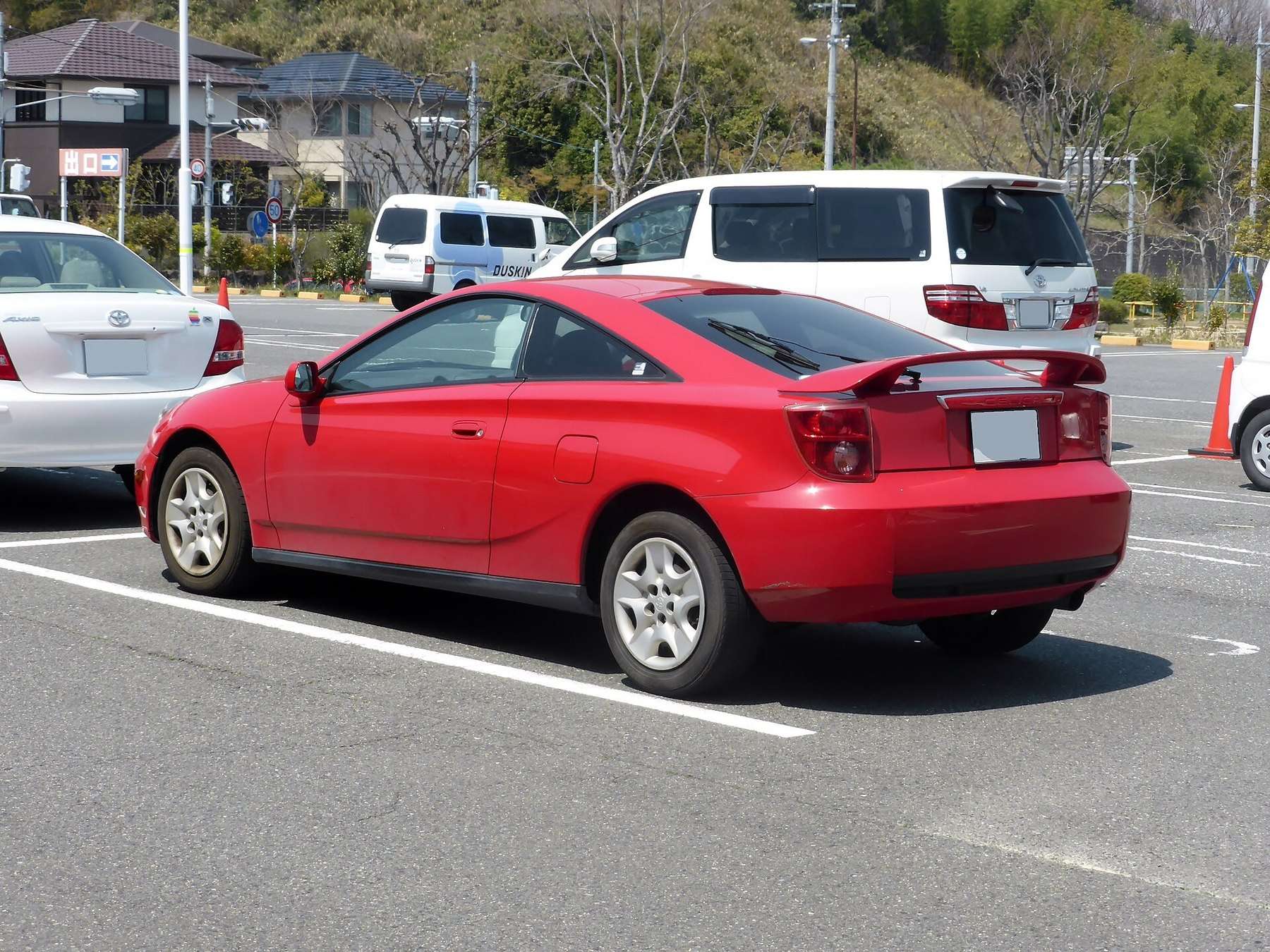
The regular car’s 1ZZ-FE delivered 140bhp with VVT-i. The faster 190 used the 2ZZ-GE with a different bore and stroke, higher compression and VVTL-i. It was not simply the same engine with software, despite both displacing 1.8 litres.
4. ‘Lift’ was the 2ZZ’s party trick
VVTL-i varied valve timing and switched to higher-lift, longer-duration cam profiles at high engine speed. Below the changeover the engine was tractable; above it, airflow and power increased sharply on the way to a very high red line. Healthy oil supply and correct level are crucial to that system.
Love cars you don’t see every day?
Get forgotten cars, surprising motoring stories and the most interesting finds from Unusual Cars by email.
Free to join. No spam. Unsubscribe whenever you like. See our Privacy Policy.
5. The 190 arrived before the T Sport badge
Toyota introduced the 189bhp Celica 190 in 2000. From August 2001 the T Sport became the UK flagship using the same high-output engine, adding unique 17-inch wheels, body styling, leather and equipment. The badge change aligned it with Toyota’s short-lived European T Sport performance range.
6. A six-speed manual was standard
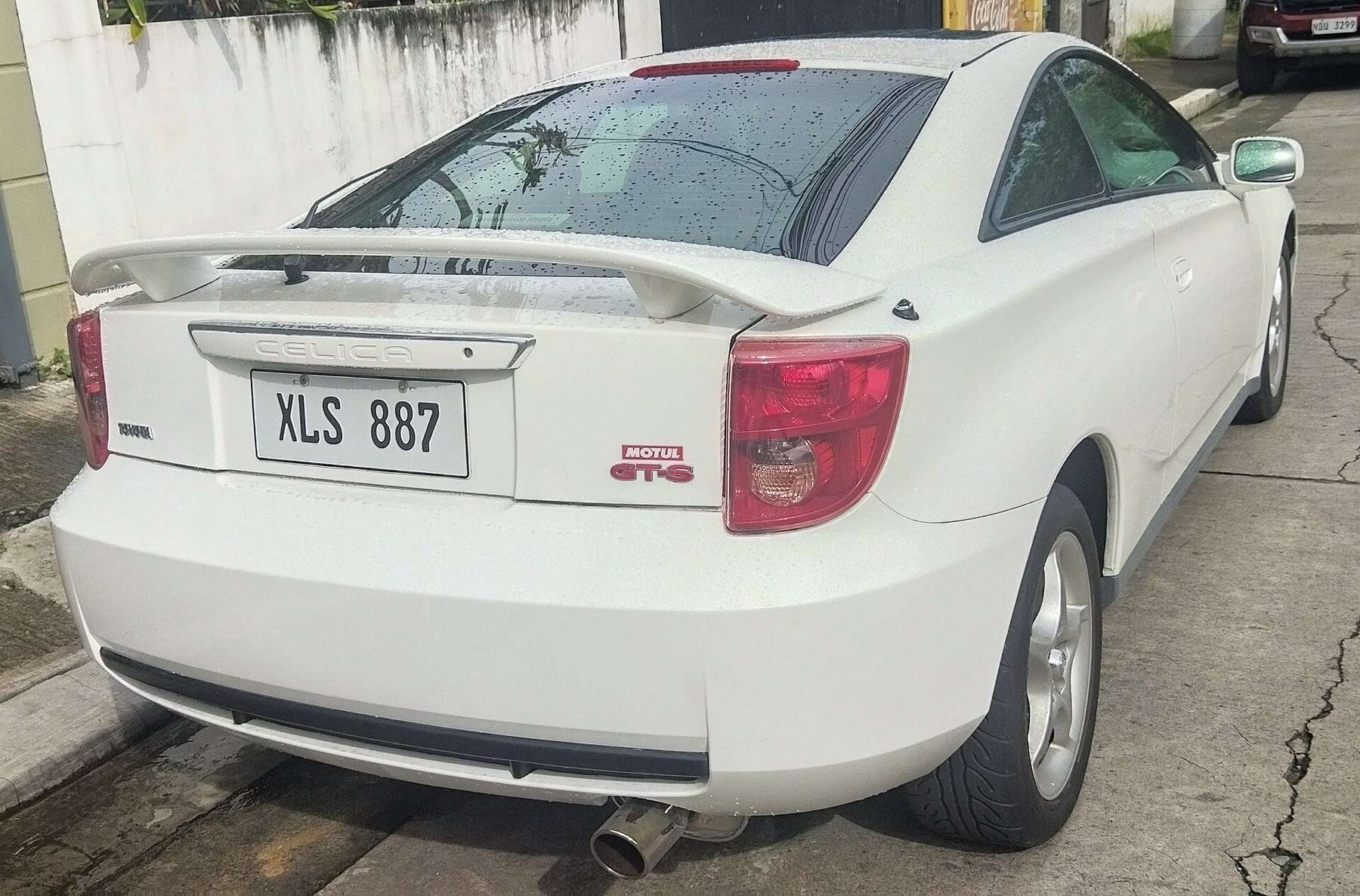
Both UK engines used a close-ratio six-speed gearbox, but the high-revving 2ZZ particularly depended on its ratios to stay near the lift zone. American GT-S specifications and European cars differ in detail, so imported figures and parts should not automatically be applied to a UK T Sport.
7. It was engineered to be light
Toyota’s official archive describes the Mk7 as lighter, more responsive and more affordable. A long wheelbase and relatively low mass helped handling and power-to-weight ratio without turbocharging or four-wheel drive. The T Sport’s performance came from revs and weight control rather than brute torque.
8. The T Sport’s performance was competitive for 1.8 litres
Toyota quoted 0–62mph in 7.4 seconds and 140mph, with 33.6mpg combined in period testing. Those figures came from a naturally aspirated 1.8-litre front-wheel-drive coupé with full everyday equipment, not a stripped homologation special.
9. Britain received several late special editions
Celica Blue and Red Collection models added colour and equipment, while the 2005 Celica GT became a final flagship with stronger visual links to Toyota’s racing heritage. None transformed the basic mechanical formula as radically as the earlier GT-Four generations had.
10. The engine later became famous in another lightweight sports car
Lotus selected a version of the 2ZZ-GE for the Elise and Exige, using its compact size and high-rev character in an even lighter mid-engined chassis. That connection helped enthusiasts appreciate that the Celica T Sport’s engine was special even if the Toyota itself looked relatively mainstream.
Join the Unusual Cars Club
Get more forgotten performance cars, surprising motoring stories and new 10 Things articles by email.
Free to join. No spam. Unsubscribe whenever you like. See our Privacy Policy.
Explore more 10 Things articles
Discover more cult cars, performance legends and motoring surprises in the Unusual Cars 10 Things hub.
Sources and further reading
- Toyota Media: seventh-generation Celica archive
- Toyota: 2001 Celica T Sport UK launch information
- Toyota: Celica timeline
Featured image: Photograph by Brian Snelson from Hockley, Essex, England, CC BY 2.0, via Wikimedia Commons; locally hosted.