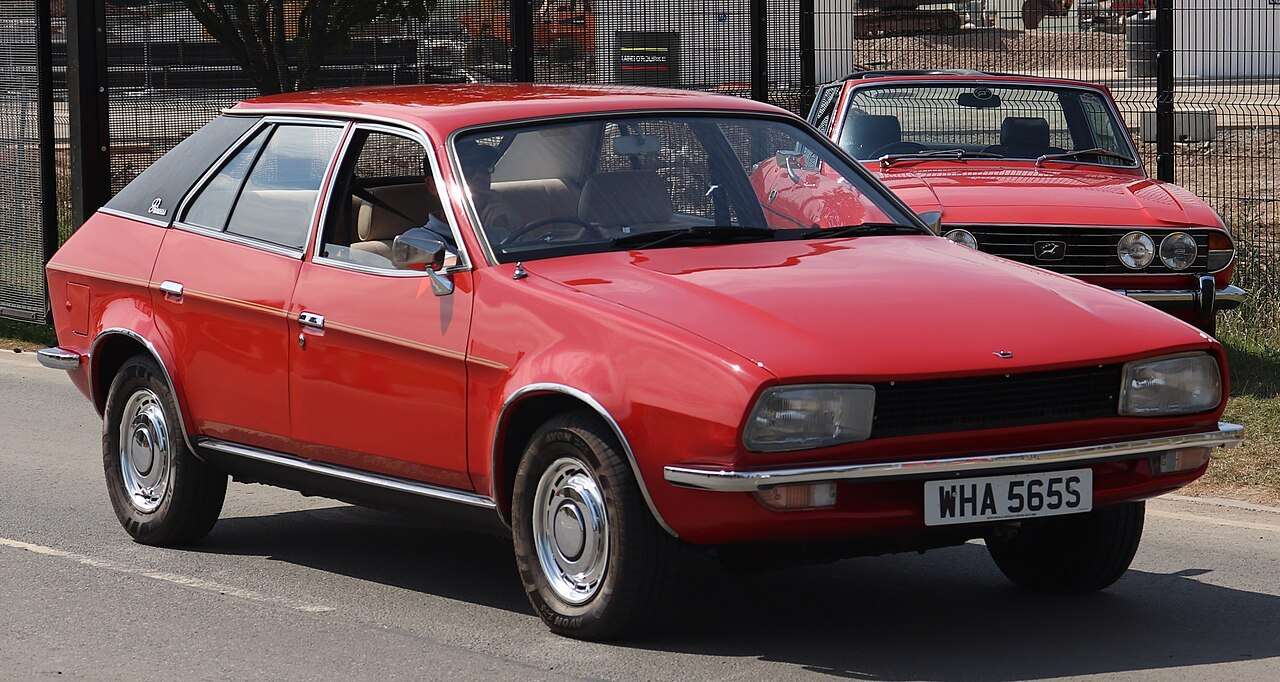
The Princess looked like the future had arrived in a British Leyland showroom. Under the wedge there was an unusually packaged six-cylinder engine and a suspension system that gave it a character all its own.
1. Princess was the second name
The ADO71 launched in March 1975 as the 18–22 Series, spread across Austin, Morris and Wolseley. The Princess name became the umbrella later that year, so early and late cars need to be identified differently.
2. The 2200 was a straight-six
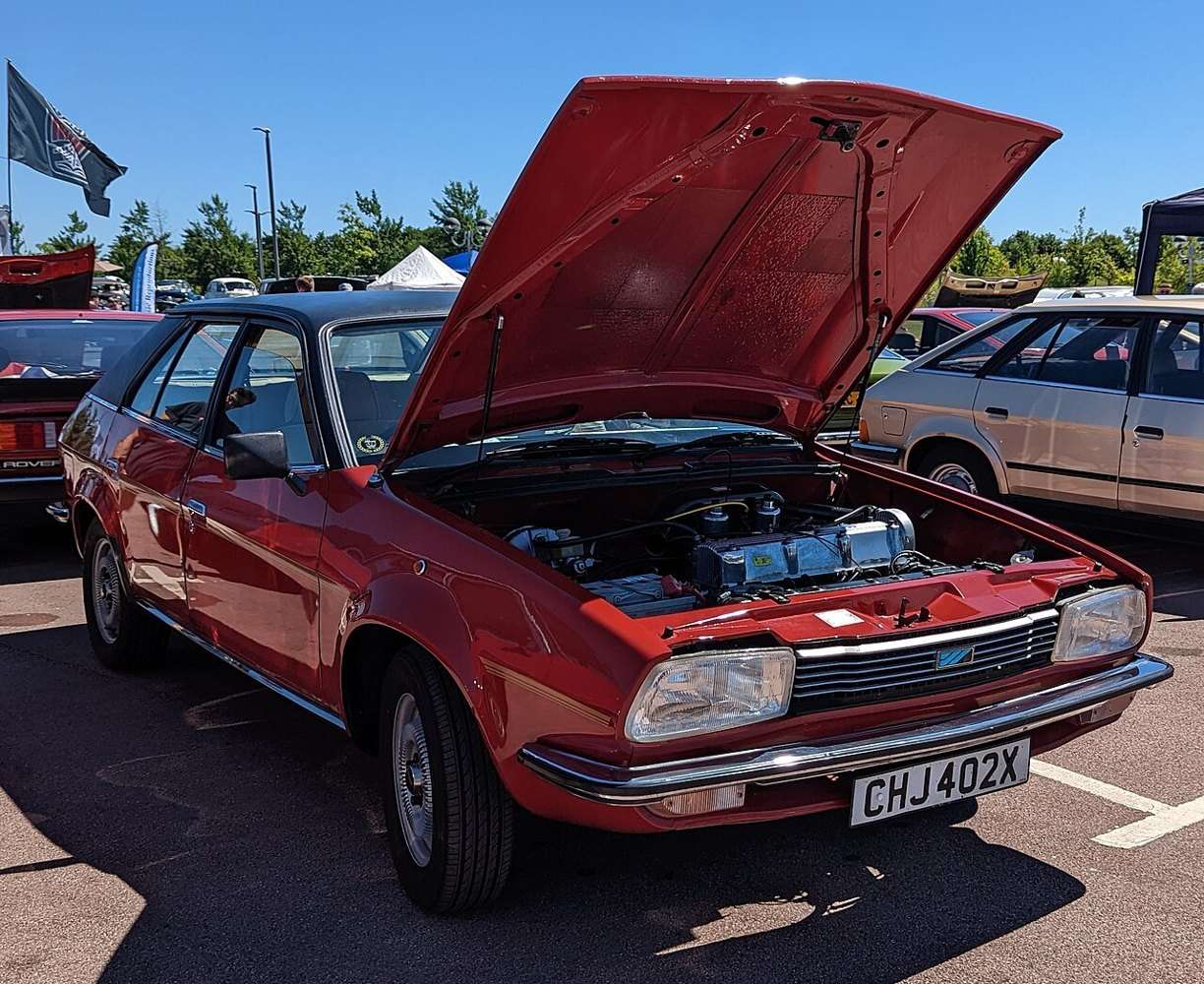
The E-Series six displaced 2,227 cc and sat transversely. A straight-six across the engine bay was an unusual choice. The layout let Leyland keep front-wheel drive and devote much of the vehicle’s length to people.
3. The styling team gave it a clear identity
The wedge nose, distinct side line and high tail were striking against the rounded 1800 saloon. The period launch report credits exterior stylist Harris Mann and chief body engineer Tom Penny among the team who delivered the new body.
4. Hydragas changed the way it rode
Alex Moulton’s Hydragas linked the front and rear suspension on each side. The units were related to those on the Allegro, with revised damping and spring rates. The idea was to combine a soft ride with better control of pitching.
Love cars you don’t see every day?
Get forgotten cars, surprising motoring stories and the most interesting finds from Unusual Cars by email.
Free to join. No spam. Unsubscribe whenever you like. See our Privacy Policy.
5. The rear window hid a conventional boot
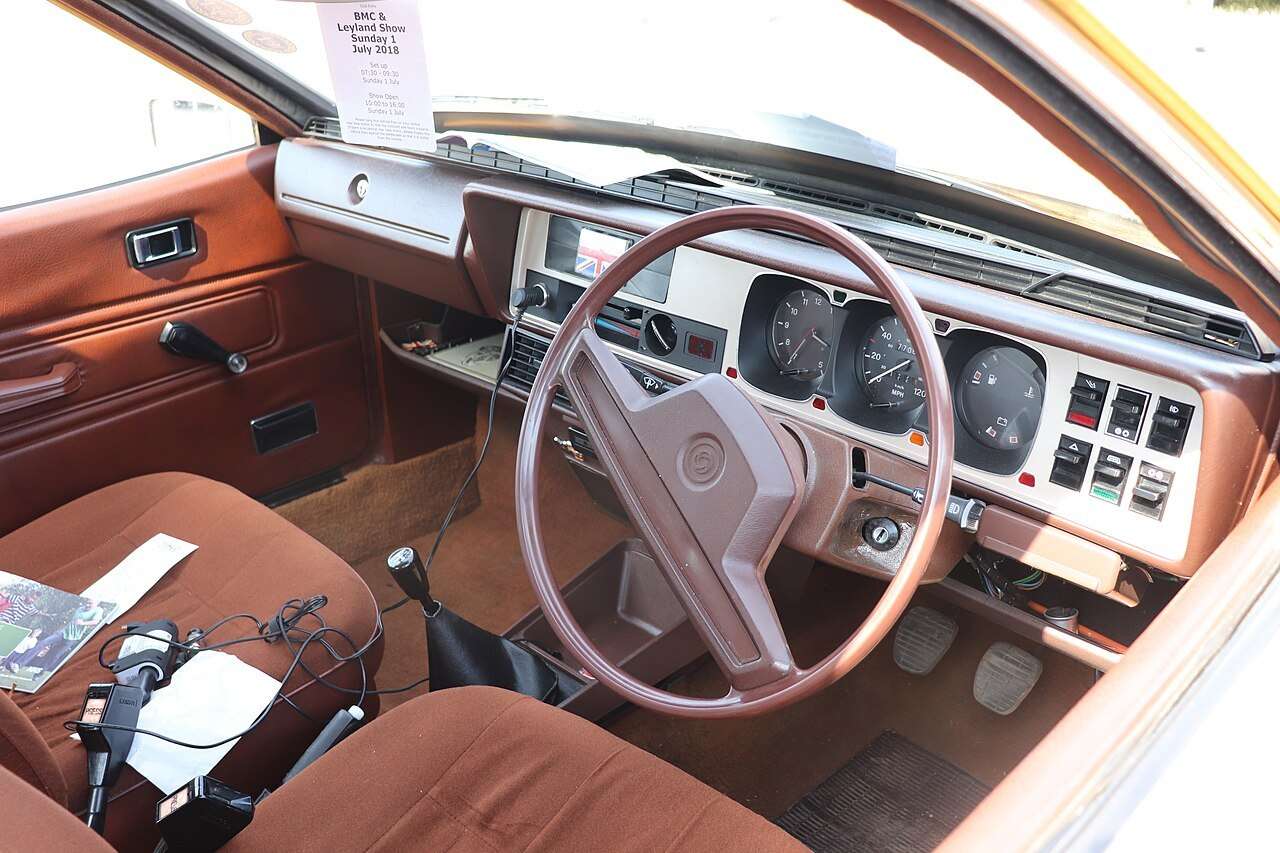
The sloping rear makes the Princess look as if the whole back should open. The production Princess was a saloon with a separate boot lid. Leyland added a full hatch on the later Austin Ambassador.
6. Early noses told you which marque it was
The Austin, Morris and Wolseley versions used different grille treatments. The Wolseley carried its traditional grille on the same radical shape, making for one of the period’s strangest combinations of old and new.
7. There was a real choice of transmission
Leyland offered a manual gearbox and a Borg-Warner automatic. An automatic 2200 fitted the luxury brief especially well, with the six-cylinder engine helping to make longer journeys feel rather different from those in a basic 1800.
8. It marked the end of Wolseley
The Wolseley version was the upmarket 18–22 at launch. The short-lived badge on the wedge became the last production chapter for a marque with a history going back long before British Leyland.
9. The French made an obvious comparison
Motor Sport compared the Wolseley version with the Citroën CX. Both prioritised space, ride and a slippery-looking shape, but used quite different styling and suspension philosophies.
10. The later Princess kept the six
The Princess 2 continued to offer the 2200, even as Leyland updated the smaller engine choices. That puts the 2200 at the centre of the story from the original 18–22 launch to the later Princess years.
Explore another Hydragas car, the Austin Allegro Equipe.
Explore more 10 Things articles
Browse the Unusual Cars 10 Things hub.
Sources and further reading
- Motor Sport, 1975 18–22 launch and specifications
- Motor Sport, period comparison with the Citroën CX
- Princess and Ambassador Owners Club, chronology
Featured image: Red 1977 British Leyland Princess 2200 HL. Photo by Vauxford via Wikimedia Commons (CC BY-SA 4.0, resized).
Join the Unusual Cars Club
Get more forgotten performance cars, surprising motoring stories and new 10 Things articles by email.
Free to join. No spam. Unsubscribe whenever you like. See our Privacy Policy.