A warning light on an older Octavia can lead to two very different bills. One garage might find a damaged wire. Another might quote for an ABS unit, a diesel particulate filter or a complete door lock. A fault reader will never settle that argument on its own. The right one can, however, tell you which system complained, what it actually measured and which question the garage should answer before you buy the expensive part.
This is a guide to choosing an OBD2 scanner for the second-generation Škoda Octavia, often called the Octavia II or 1Z. We’ll start with two engine codes that a basic reader may already give you. Then we’ll look at a brake-pressure fault, an intermittent door lock and a heater that sends different temperatures to each side. These are drawn from real Mk2 reports. They show how a Škoda-aware tool can earn its keep on a car you plan to run for a few more years.
Start with the engine, gearbox and equipment you actually own
The Mk2 examples span several years and different specifications. A report from a common-rail diesel with a particulate filter does not describe every diesel Octavia. A two-zone heater with separate temperature motors tells us little about the controls on a car with simpler heating. Some cars have an automatic gearbox or four-wheel drive. If you are looking up a tool by registration alone, write down the engine code, transmission and fitted options before comparing the seller’s list with your car.
A previous service invoice or full scan can identify the actual ABS controller. That detail is particularly valuable on this generation because a familiar five-digit Volkswagen Group code can appear with different descriptions, and the repair procedure can depend on the unit. Keep a photograph of the vehicle data label for your own use or ask a specialist to identify the parts from the VIN. Two owners searching for “Octavia ESP light” can have different systems fitted and need different checks.
Think of the diagnostic socket as a place to ask questions. The standard engine-emissions question is a good one when the engine warning lamp comes on. The brake electronics and comfort systems have their own memories. A scanner able to interrogate them can tell you whether a particular system responded or was skipped. Ask for a sample complete report before buying. A demonstration of the engine speed rising and falling proves the tool can read engine speed, nothing more.
Diesel pressure faults: save the data before buying a DPF
One owner of a common-rail Octavia posted two entries, P0471 for an exhaust-pressure sensor signal and P2453 for an implausible particulate-filter differential-pressure signal. The second entry illuminated the engine warning light. The scan included recorded operating conditions and pressure values. You can read the original Octavia diesel report. A compatible generic reader may identify both standard engine codes. If that is the tool you already have, use it to preserve the evidence before reaching for a reset.
The filter catches soot. The pressure difference across the filter is one of the clues the engine uses to estimate what is happening inside it. If the signal itself is implausible, the apparent restriction needs interpretation. The pressure-sensing arrangement includes the gas connections and sampling pipes, the sensor, its electrical circuit and the controller interpreting the result. A repairer can check whether those parts are intact and whether the measurement makes sense for the operating conditions. A code mentioning the filter does not measure the price of a replacement filter.
Imagine an estimate with a new DPF as the first item. Ask how restriction was established independently of the suspect signal. Was the measured pressure plausible with the engine stopped and did it respond sensibly as exhaust flow changed during the prescribed test? Were the pipes checked for damage, blockage or incorrect connection? The workshop will need the correct reference for the particular engine. A negative value photographed on someone else’s scanner, without knowing its label, offset and operating conditions, is a poor threshold to borrow.
The extra value of enhanced diagnostics is being able to ask about several relevant values together. Depending on the engine controller these may include differential pressure, estimated soot loading, distance since regeneration and exhaust temperatures. Ask the tool supplier which can be displayed and recorded on your exact application. Soot calculated by software and pressure measured by a sensor are different kinds of evidence. Both can help a technician assess the case. Neither, in isolation, can identify an obstructed pipe or a crack you can only find by inspection.
Avoid treating forced regeneration as a way to find out whether a pressure sensor works. A regeneration changes exhaust conditions and requires the specified safety checks. With a suspect pressure signal, an appropriate first job is to establish that the measurement is trustworthy. If further assessment does confirm a restricted filter, the same evidence lets you ask why it became restricted before paying for its replacement. A tool with a good read-only data set may save you more here than one with a tempting menu of interventions.
ESP warning: 01435 is the beginning of the description
On a Mk2 with an ESP warning, an owner recorded 01435 in the ABS module. The report identified brake-pressure sensor G201 and added failure type 012, an electrical circuit fault. It also named the controller as an MK60 application. Keep those three details together. Copying only “01435” into a search box loses information the car has already supplied. See the actual Octavia ABS entry. Compare the different 01435 descriptions in the Ross-Tech reference.
Brake-pressure information helps the electronics interpret what the driver is asking the brakes to do. Depending on the installed system, the way the pressure signal is obtained can affect how it is tested and what is separately repairable. An electrical circuit fault, an implausible signal and a missing basic setting are distinct descriptions within the reference. A missing setting after relevant work calls for a different investigation from a recurring electrical fault on a previously untouched car. Reading the controller first reduces the risk of booking the wrong operation.
Ask whether your candidate scanner will record the brake controller number and the failure type as well as the code. If the garage proposes replacing the hydraulic unit, ask how they checked the signal, relevant electrical supplies and other plausible causes for that installation. If they propose a repair or exchange unit, ask how compatibility and the required setup are established. A cheap reader can still be useful for the engine, but an empty engine fault list gives no answer to any of these brake questions.
Tell the repairer exactly which warning lamps appeared, whether they went out on restarting and whether the pedal feel or braking behaviour changed. If there is a red brake warning, abnormal pedal feel or a loss of braking, stop safely and arrange assistance. Do not attempt a road test to see if the electronic intervention works. For this fault, the scanner’s contribution is identifying where professional assessment should start and preserving the evidence that prompted it.
Like our guides and unusual cars?
Get forgotten finds, useful motoring content and the most interesting car stuff from us by email.
Free to join. No spam. Unsubscribe whenever you like. See our privacy policy.
A door that seems to lock: the difference between command and confirmation
A Mk2 owner posted 00928 with failure type 008 for an implausible driver’s door locking signal. The Volkswagen Group designation in the report was F220. That locates the conversation much more precisely than “central locking fault”. The key can send a command, the other doors may obey it and the driver’s latch can still fail to report a believable position. Neither the remote’s indicator light nor an empty engine scan tells you what information came back from that door. Read the driver’s door report. See the diagnostic reference for 00928.
There are several useful observations an owner can make while parked. Does the interior lamp respond when the affected door opens? Does the instrument display show that door correctly? Does the lock behave differently with the interior switch and the remote? Is the problem confined to a particular door position or wet weather? Keep the observations separate and verify that the car is actually secure before walking away. They narrow the workshop conversation without asking you to guess which microswitch, wire or linkage has failed.
A supported scanner may offer live door and latch states. Seeing the reported state stay unchanged when the physical position changes gives the repairer a more focused question. It still cannot decide whether the problem lies in the latch, its supply or the wiring between the door and the body. Ross-Tech also distinguishes an incorrectly equipped lock from an implausible signal. That distinction matters on a car with years of repairs behind it. Tell the garage if a second-hand lock or complete door has recently been fitted.
Before authorising a new latch, ask whether the supply, connection and operating mechanism have been checked and whether the proposed replacement matches the car. If a damaged harness is found instead, you have avoided the nuisance of stripping the door twice. If the latch is faulty, the same process gives you confidence in the quote and a concrete check after repair: the car should register the door’s actual state and the original complaint should be resolved.
Half the cabin is cold: how a flap earns its own fault code
An Octavia owner investigating one-sided heating reported 01809 for the motor operating the left temperature flap, designated V158. A two-zone heater varies the air delivered to each side. The fan can run, the engine can reach operating temperature and one side can still receive the wrong blend. Asking the engine for coolant temperature alone cannot tell you whether the heater has moved a flap to the requested position. See the Mk2 one-sided heating case.
With the car parked, select equal temperatures and describe the outlet pattern. Is it the left side that differs, both centre vents, the footwells or the entire cabin? Does changing the distribution alter where the air comes out? Can you hear a repetitive click when the setting changes? Report directions from the vehicle’s perspective. An instruction from a left-hand-drive forum about reaching behind a glovebox may be unsuitable for a right-hand-drive UK car even where the fault name is the same.
If supported, a report of requested and actual flap position can help a technician assess movement. A feedback value that stays put while a new position is requested is evidence of a movement or feedback problem. It cannot distinguish a jammed flap from a damaged linkage or failed drive without inspection. Nor does the code rule out a separate problem with heat supply. A useful first quote identifies the side, function and evidence for the proposed work before charging for lengthy dashboard dismantling.
What makes a used-car scan worth keeping?
Save the first scan when the car is behaving normally, and keep a second report if a symptom subsequently appears. The first tells you which controllers your particular tool reached. If ABS disappears from the second scan, that matters even if the tool says it found fewer codes. If the same door entry was already present when you bought the car, it should not automatically become the explanation for a diesel warning months later. An older Octavia often has a longer repair history than its present owner has seen.
When you share the reports, add a short account of the event and the work done in between. “Driver’s door lock changed on Tuesday, car now sometimes shows the door open when it is shut” gives a technician a sequence to verify. “DPF lamp after a cold start, original pressure entries attached” is a useful beginning to a different appointment. A full scan gives a garage the wider picture while your short note identifies the complaint you want it to solve first.
One final detail is worth writing on a used-car viewing sheet. If the seller agrees to a read-only scan, keep a list of the modules that actually replied and ask when any faults were last cleared. A report produced after a battery repair or an emissions reset needs that context. Readiness information from the engine may show that some emissions checks have yet to run. It cannot certify the condition of the DSG, air conditioning or central locking. Combine the findings with the service paperwork and a proper mechanical inspection before committing to the car.
Comparing a handheld scanner, a phone app and a laptop interface
A reader sold for Volkswagen Group cars is one route to Škoda diagnostics. A multi-make scanner with the appropriate Škoda software is another. What matters is the conversation the tool can have with your particular controller. The same tool may also offer a separate generic OBD2 or EOBD menu. Select that menu and you are asking the standard emissions questions again. It is quite possible to spend more on hardware and see the same short engine report you had before.
If you prefer a standalone handset, look up the exact model on iCarsoft’s VAWS V3.0 vehicle and function list. Ask for the build year and controller to be checked against the software supplied. Find out how updates are installed, whether the required computer is available to you and how you get a report off the device. A handset with physical buttons can be convenient beside the car. That advantage wears thin if the only way to show a garage twelve faults is to photograph twelve screens.
For phone users, check OBDeleven’s Škoda coverage, including which functions the chosen plan supplies and whether the adapter works with your phone. For a Windows laptop, Ross-Tech’s VCDS Auto-Scan example shows the sort of controller-by-controller record worth asking for. Allow for the interface, licence and any vehicle limit. If there are two Volkswagen Group cars in your household, price the plan you need for both and compare coverage for each separately.
When comparing quotes, distinguish the price of reading fault memory from the price of finding the cause. A workshop diagnostic fee may buy an electrical test, pressure measurement or inspection as well as the scan. Owning a reader can avoid a separate visit to catch an intermittent warning. You will still want the person with the right instruments for a safety fault or an expensive mechanical decision. Ask what that first hour includes before using it as the figure you expect to save.
Which functions would I pay for on a Mk2 Octavia?
For a common-rail diesel with intermittent warnings, first check that a candidate tool can identify the engine and expose meaningful filter pressure and operating data. For any Mk2 of this age I would also ask to see the ABS module identification, the complete five-digit body or chassis code with its failure wording, and an export you can read at home. On a car with two-zone climate or a troublesome door lock, check those controllers by name.
One sound reason to buy is the opportunity to avoid paying for the wrong first job. Discovering that 00928 concerns one door’s feedback, or that an expensive filter estimate rests on an implausible pressure signal, changes what you ask someone to investigate. When braking is affected, the immediate purchase should be a workshop assessment. Ask for its full report. It makes a better shopping specification for a future reader than any number printed on a box.
Browse all Škoda diagnostic scanner guides
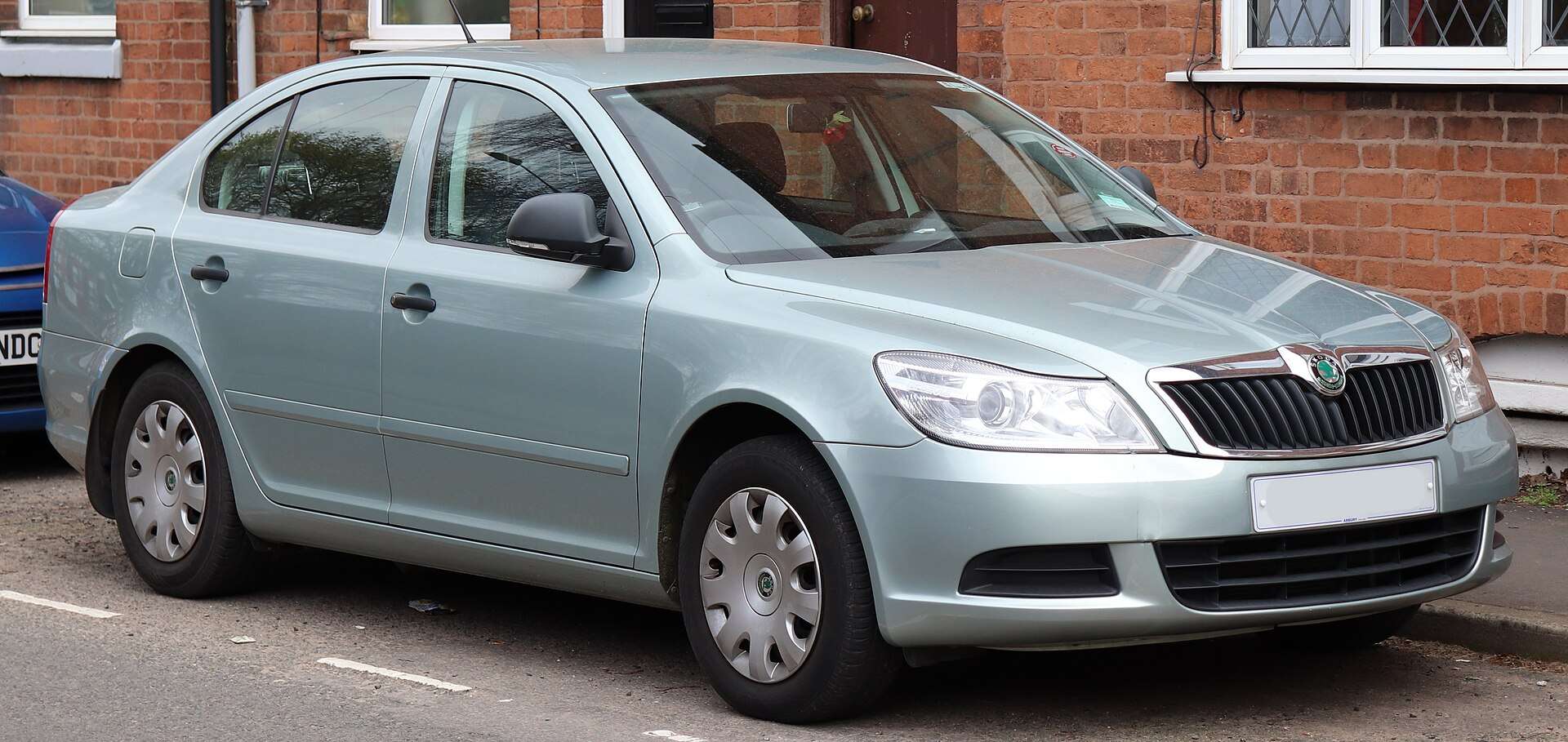
Model photograph by Vauxford, Wikimedia Commons, CC BY-SA 4.0, resized for display.
Like our guides and unusual cars?
Get forgotten finds, useful motoring content and the most interesting car stuff from us by email.
Free to join. No spam. Unsubscribe whenever you like. See our privacy policy.