The first Lada Niva combined permanent four-wheel drive and low range with a unitary body shorter than many ordinary cars. In 1977 that was an unusual way to build a serious off-roader.
1. The factory called it VAZ-2121
The first production Niva was assembled on 5 April 1977 at AvtoVAZ. The 2121 code identifies the original car more precisely than the Niva badge, which has served several generations and related models.
2. The body did away with a separate chassis
The original car used a unitary body. This helped keep it compact and gave it a different engineering basis from conventional separate-frame off-roaders.
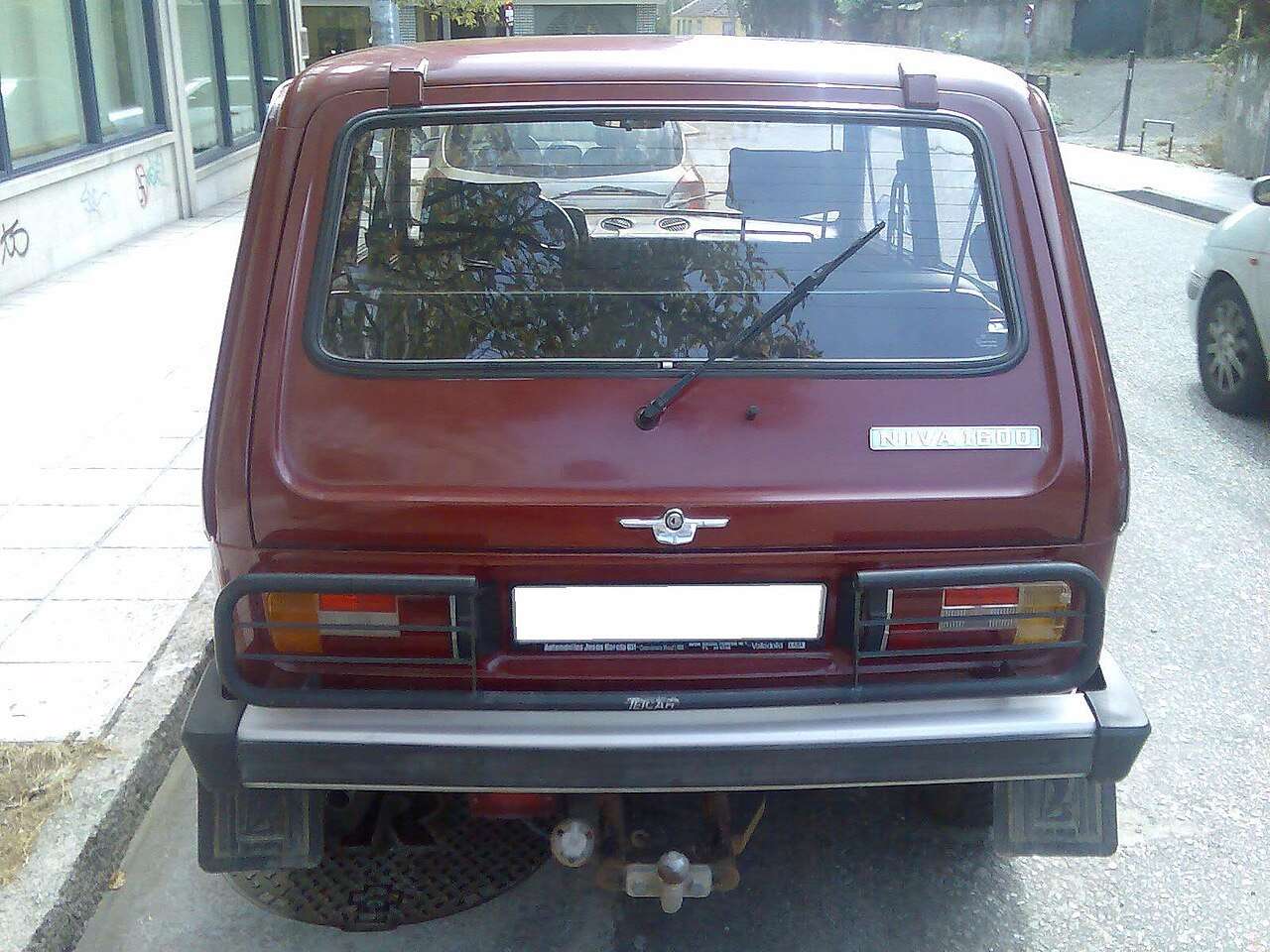
3. It drove all four wheels all the time
The Niva had permanent four-wheel drive through a centre differential. On ordinary roads the differential let the two axles turn at different speeds as the car cornered.
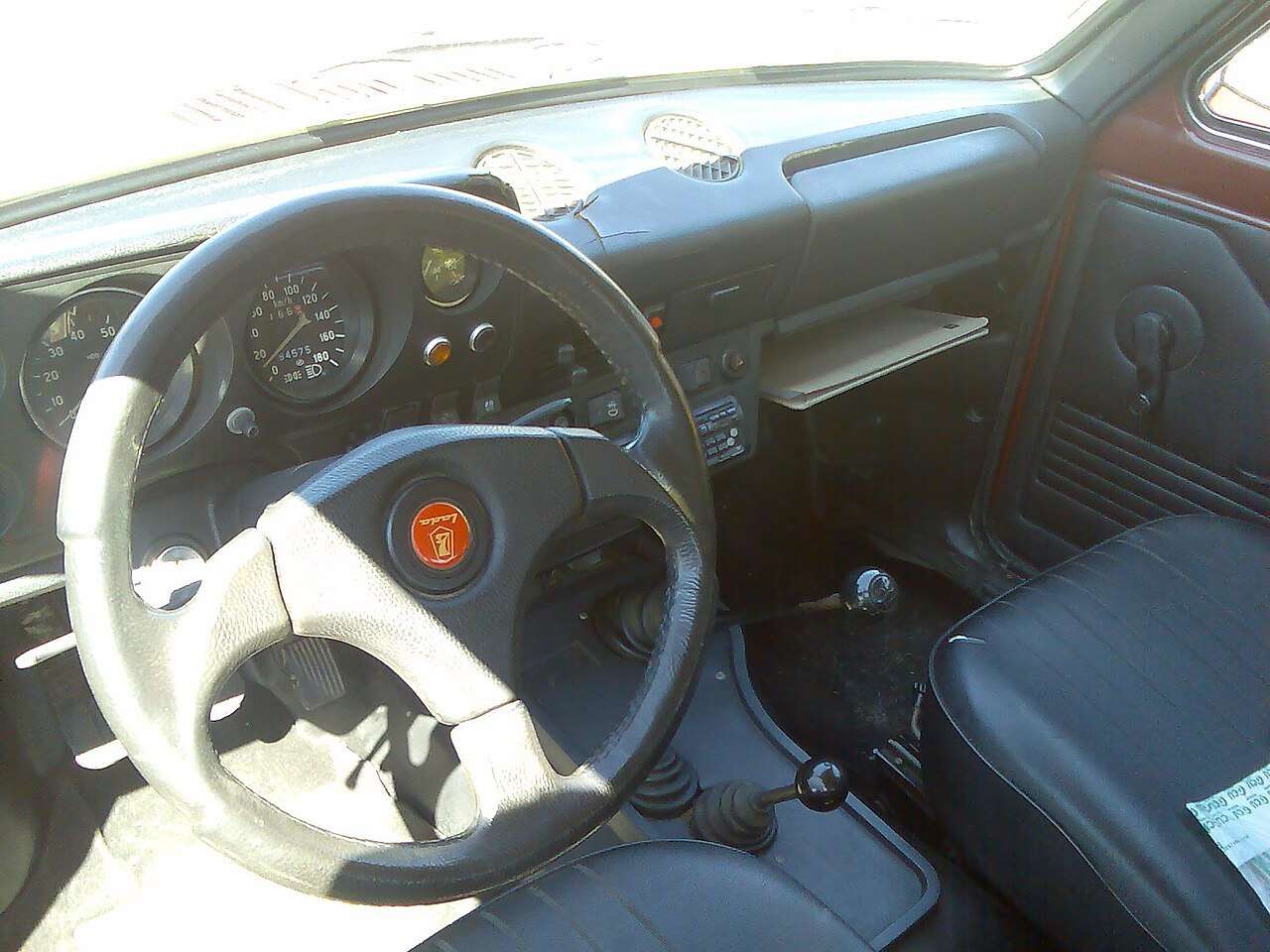
4. The centre differential could be locked
In slippery conditions the driver could lock the centre differential. This ties the front and rear driveline speeds together, while the differentials at the axles still allow left and right wheels to behave independently.
Love cars you don’t see every day?
Get forgotten cars, surprising motoring stories and the most interesting finds from Unusual Cars by email.
Free to join. No spam. Unsubscribe whenever you like. See our Privacy Policy.
5. Low range had a separate job
The transfer case also offered a low ratio for crawling and steep terrain. Selecting low range alters gearing, while the centre lock alters how the axles are coupled.
6. The original petrol engine was a 1.6
The early Niva used a carburetted overhead-cam petrol four of about 1.6 litres. Later 1.7-litre examples can look remarkably similar, so the engine and year are worth checking separately.
7. The front wheels moved independently
The Niva used independent front suspension, with a live axle at the rear. That combination gave it a useful balance of road manners and wheel movement over rough ground.
8. The short body was an off-road asset
Its compact three-door proportions helped the Niva manoeuvre and kept the distance between the axles short. That makes the shape meaningful beyond the recognisable round headlights.
9. It travelled well beyond the Soviet market
French technical literature records its launch there in May 1978. Period export machinery, equipment and trim can differ from domestic examples, even when the chassis code is familiar.
10. The original name eventually came back
The classic shape spent years under the Lada 4×4 name before being rebranded Niva Legend. The 1600 in this article is the early chapter of that long-running family.
10 Things You Probably Didn’t Know About the Lada Samara.
Explore more 10 Things articles
Browse the Unusual Cars 10 Things hub.
Sources and further reading
- AvtoVAZ factory history, Tolyatti archive
- Rostec history of the Niva Legend and original engineering
- Period French technical manual for the early Niva
Featured image: Red 1989 Lada Niva 1600, chassis type VAZ-2121. Photo by order_242 from Chile via Wikimedia Commons (CC BY-SA 2.0, resized).
Join the Unusual Cars Club
Get more forgotten performance cars, surprising motoring stories and new 10 Things articles by email.
Free to join. No spam. Unsubscribe whenever you like. See our Privacy Policy.