Rare performance Vauxhalls
The Vauxhall Monza GSE is one of the most overlooked large performance coupés of the 1980s. Sold in Britain as the Opel Monza GSE rather than wearing a Vauxhall badge, it nevertheless belongs squarely in the same GM Europe family as the Senator and Carlton: a long, rear-wheel-drive six-cylinder car with a five-speed manual gearbox, a digital dashboard and a far more purposeful chassis than its understated shape suggests.
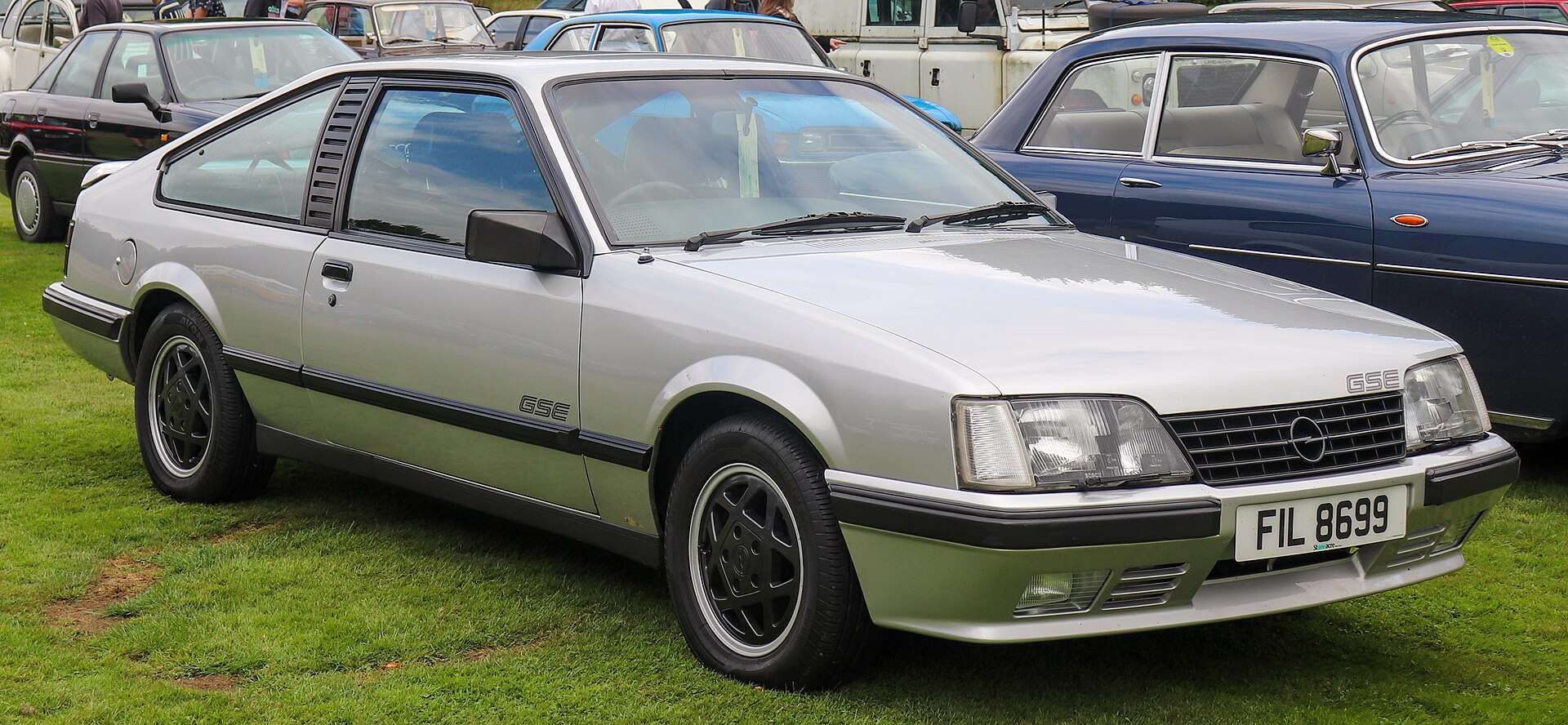
What is the Vauxhall/Opel Monza GSE?
The Monza was Opel’s two-door fastback coupé, closely related to the Senator saloon and developed within the same General Motors Europe family that supplied Britain’s Vauxhall range. The GSE arrived in 1983 as the high-specification final evolution, using the facelifted A2 body and the fuel-injected 3.0-litre straight-six.
GSE meant Grand Sport Einspritzung: Grand Sport Injection. It was more than a badge package. The car brought a five-speed manual gearbox as standard, firmer and lower suspension, stronger anti-roll bars, 205/60 VR15 tyres, a rear spoiler, alloy wheels, Recaro seats and a distinctive digital instrument display. These details are part of why a complete, original GSE is so much more appealing than a generic Monza with later modifications.
Monza GSE specifications at a glance
| Production period | Monza 1978–1986; GSE from 1983 |
|---|---|
| Engine | 3.0-litre fuel-injected inline six |
| Power | 180PS / 132kW in early non-catalyst GSE form |
| Torque | 248Nm |
| Transmission | Five-speed manual standard; automatic optional |
| Drive | Rear-wheel drive |
| Quoted performance | 0–100km/h in 8.5 seconds; 215km/h top speed |
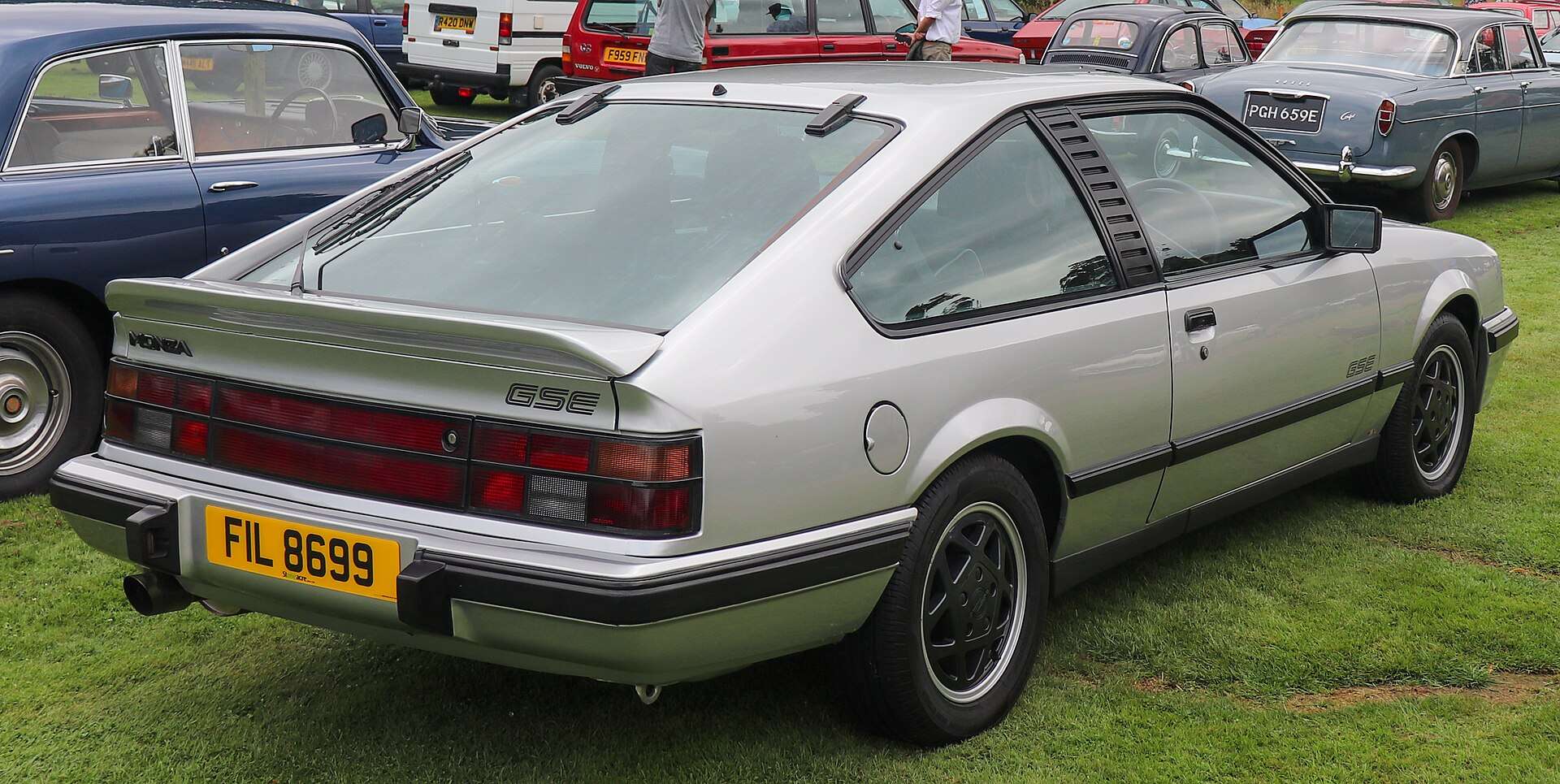
Later catalyst-equipped versions were lower-powered, so identify the exact engine, market specification and gearbox before comparing figures. The key point for a buyer is not a brochure number; it is whether the car retains the right drivetrain, dashboard, interior and suspension components and has been maintained as a complete system.
Why the GSE matters
The Monza GSE was an unusual proposition. It was a spacious six-cylinder coupé built for distance, but it was also a sporting flagship in an era when manufacturers were experimenting with digital instrumentation and increasingly focused aerodynamics. Opel quoted a drag coefficient of 0.35, helped by the low nose, integrated front spoiler and rear lip spoiler.
For an Unusual Cars reader, its appeal is the combination of restrained design and interesting specification. A GSE is neither a hot hatch nor a supercar; it is a rare, large, rear-drive European coupé that feels properly of its time. That makes the survivors worth documenting carefully.
What to check before buying
Body shell and corrosion
Start underneath. Inspect sills, jacking points, floorpans, chassis rails, inner wings, suspension mounting points, rear arches, boot floor and windscreen surround. A smart paint finish cannot prove the structure is sound. Ask for restoration photographs and invoices, then inspect previous repairs closely.
GSE-specific parts and originality
The digital dashboard, Recaro interior, exterior trim, spoilers, wheels and correct GSE details deserve attention. A missing component does not make a car unusable, but rare trim can be far harder to replace than mechanical consumables. Confirm whether modifications are reversible and documented.
Straight-six, cooling and fuel injection
Inspect from cold, checking idle, smoke, oil pressure, cooling behaviour and leaks. Ask about fuel-injection work, ignition, hoses, radiator condition and service history. Test the car when hot; overheating, poor running, fuel smells or unreliable instruments deserve investigation before money changes hands.
Gearbox, axle, brakes and suspension
On a manual GSE, test every gear and listen for propshaft, differential and wheel-bearing noise. Examine brakes, dampers, bushes and tyres as a set. The car’s appeal rests on its composed high-speed manner, so neglected suspension or mismatched tyres undermine the experience as well as the value.
Monza, Senator, Royale or Vauxhall?
The UK did not sell a Vauxhall-badged Monza GSE. Its closest local relatives are the Vauxhall Royale Coupé, the Senator and later Carlton/Omega models. That does not make the Monza an outsider in a Vauxhall guide: it is part of the same GM Europe story and a natural predecessor to the Lotus Carlton’s large, rear-drive flagship formula.
When searching, be precise. A Vauxhall Royale Coupé and an Opel Monza are not interchangeable at the point of sale; parts, trim, engine and registration details should be checked on the individual car. Do not assume an imported car has the same original specification as a UK-market example.
Related Unusual Cars guides
Continue to the Rare & Performance Vauxhalls hub, then compare this long-distance coupe with the twin-turbo Lotus Carlton guide and the rear-drive Firenza HPF Droopsnoot guide.
Frequently asked questions
What does GSE mean on an Opel Monza?
Historically it stands for Grand Sport Einspritzung, meaning Grand Sport Injection.
Was the Monza GSE sold as a Vauxhall?
No. In Britain it was sold as an Opel; it is included here because it is part of the closely connected GM Europe/Vauxhall performance-car story.
Is a Monza GSE a good first classic?
Only if you can assess or fund structural repairs and specialist maintenance. A documented, sound car is far safer than a cheap project with missing trim or unclear history.
Research note: historical GSE specification figures in this guide were checked against Opel/Stellantis heritage information. Confirm the exact specification and condition of any individual car before purchase.