UNUSUAL CARS MODEL GUIDE
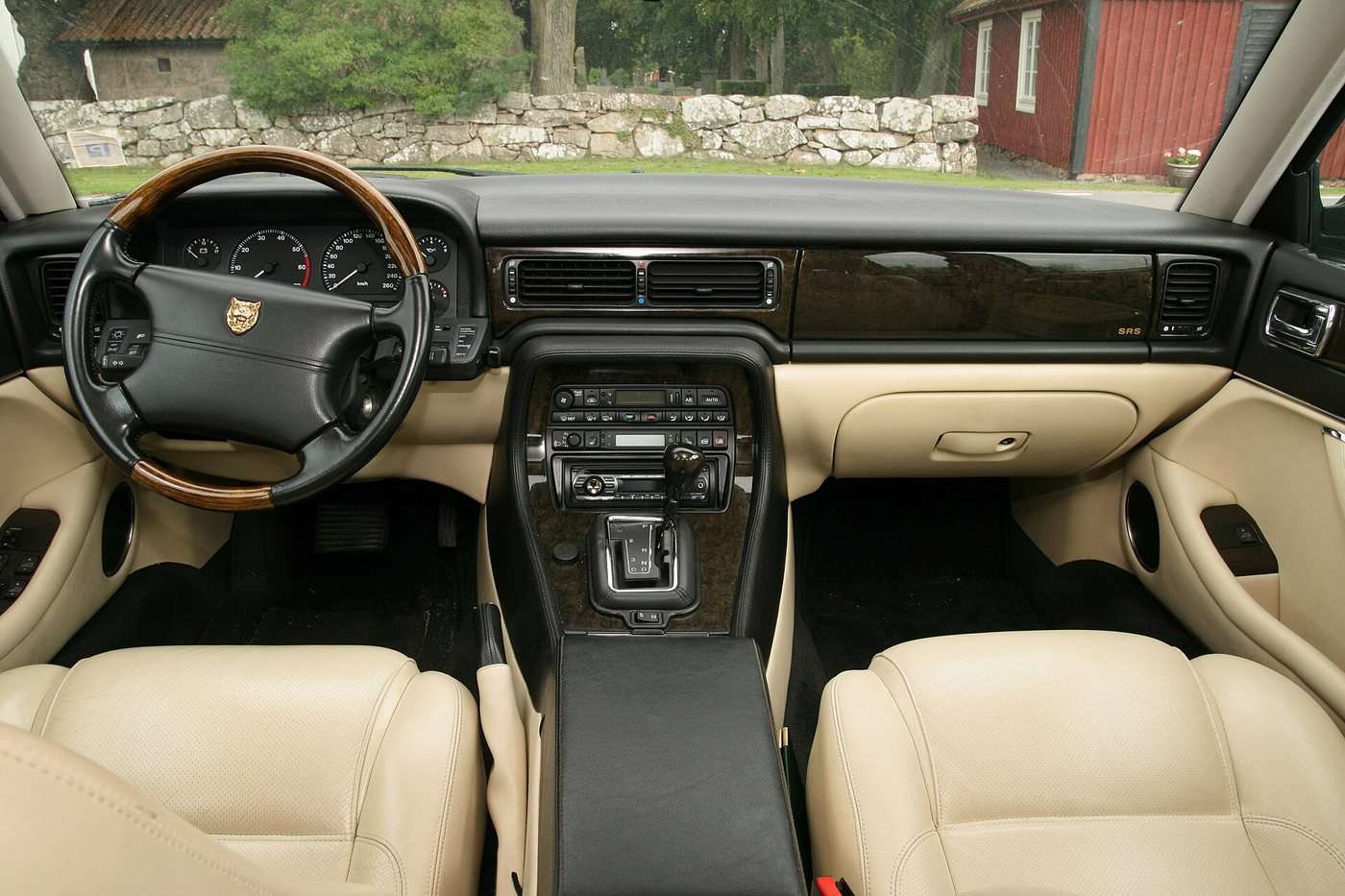
The X300 Jaguar XJR was the first supercharged production Jaguar. Built from 1994 to 1997, it paired the traditional XJ silhouette with a 4.0-litre supercharged AJ16 straight-six and established the modern Jaguar R performance line.
Quick answer: The X300 XJR produces 326PS from its supercharged 4.0-litre six-cylinder engine. Manual cars are particularly rare. Corrosion, supercharger and cooling condition, automatic or manual transmission health, suspension wear and originality are the key buying concerns.
The first modern Jaguar R saloon
The X300 evolved the XJ40 platform with smoother styling, improved build quality and conventional analogue instruments. JaguarSport experience informed the range, but the factory XJR created a repeatable production formula: discreet body changes, uprated chassis and supercharged power.
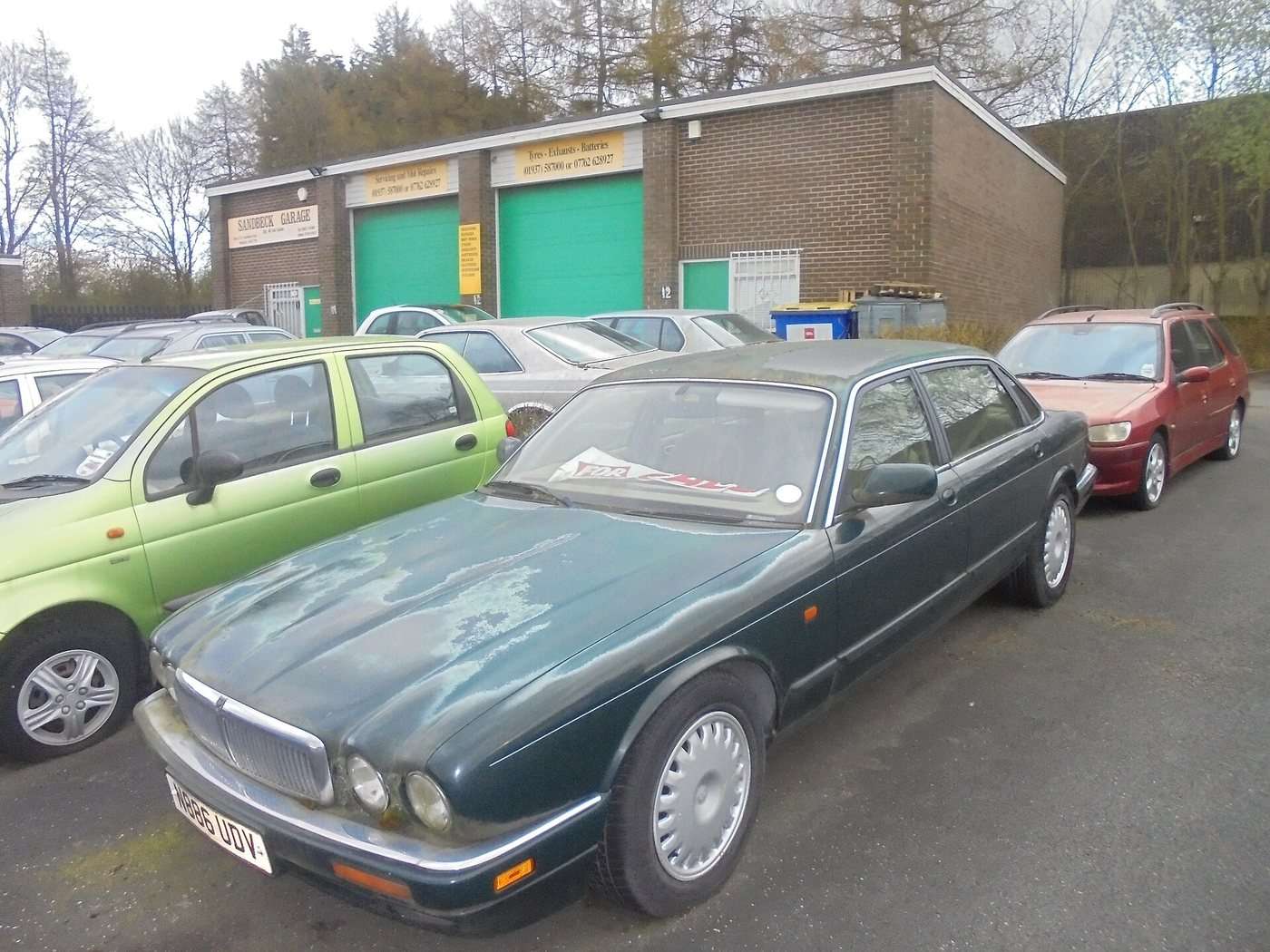
AJ16 power and rare manual cars
An Eaton supercharger lifted the 4.0-litre AJ16 to 326PS. Most cars used an automatic transmission, while a small number received a Getrag manual. The combination gave the XJR strong mid-range performance without losing the comfort expected of an XJ.
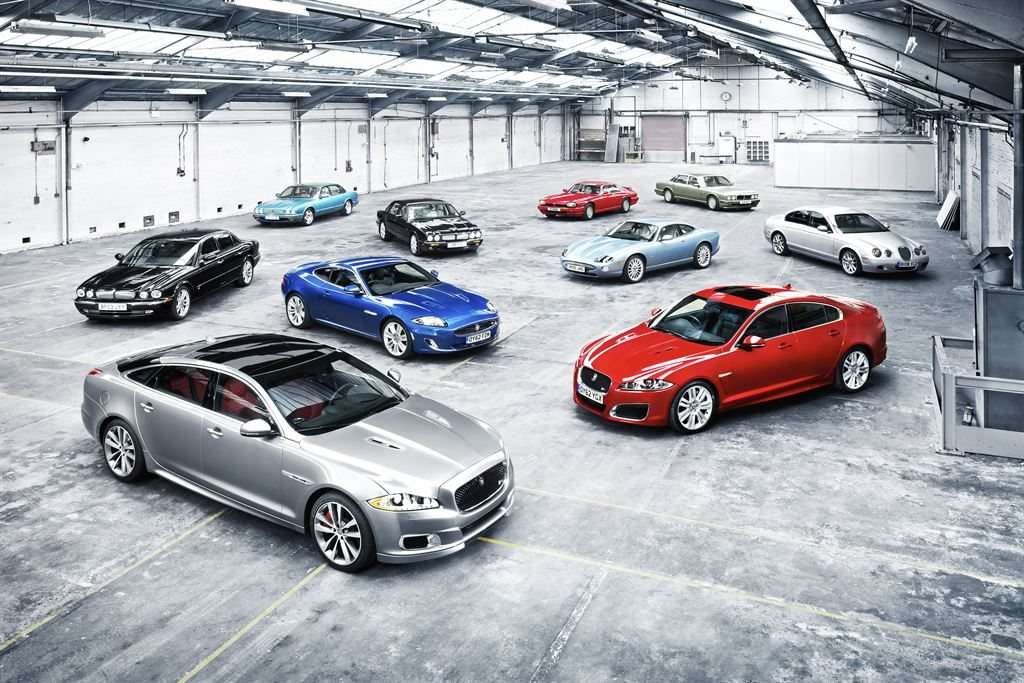
Main versions and specifications
| Version | Powertrain | Buyer’s note |
|---|---|---|
| XJR automatic | 4.0 supercharged AJ16 | Most common transmission |
| XJR manual | 4.0 supercharged AJ16 | Very rare; verify factory identity |
| Sovereign/XJ6 | Naturally aspirated AJ16 | Useful comparison but not an XJR |

Authenticity and specification
Mesh trim, wheels and badges are easily copied, so verify the VIN and factory records. Genuine cars should retain the correct supercharged engine installation, chassis equipment and model-specific cabin and exterior details.
Love cars you don’t see every day?
Get forgotten cars, surprising motoring stories and the most interesting finds from Unusual Cars by email.
Free to join. No spam. Unsubscribe whenever you like. See our privacy policy.
Jaguar X300 XJR buying guide
Body and structure
Inspect sills, floors, arches, bulkhead, screen surrounds, boot floor, subframes and suspension mounts. Water ingress and poor previous repairs can conceal extensive corrosion.
Engine and transmission
Check supercharger bearings and drive, cooling stability, oil pressure, timing noise and service history. Automatics should shift cleanly; rare manuals require clutch, synchromesh and differential checks.
Suspension, brakes and electronics
Worn bushes, dampers and ball joints undermine the car. Test brakes, steering, climate control, instruments, security system, seats and charging voltage.

Why it matters
The X300 XJR introduced supercharging to Jaguar’s regular production range and directly led to the later X308 and aluminium X350 XJRs.
Research sources
Continue the Jaguar story
Explore the Rare & Performance Jaguar hub, then compare the Jaguar XJ40 guide and the Jaguar X350 XJR guide.
Frequently asked questions
Why is the X300 XJR important?
It was the first supercharged production Jaguar.
How much power does it have?
The supercharged 4.0-litre AJ16 is rated at 326PS.
Was a manual X300 XJR sold?
Yes, but manual cars are particularly rare.
How do you identify a genuine XJR?
Use the VIN and factory build data rather than badges or body trim alone.
What are the main buying checks?
Prioritise corrosion, cooling, supercharger and transmission condition, suspension, brakes and electrical equipment.