UNUSUAL CARS MODEL GUIDE
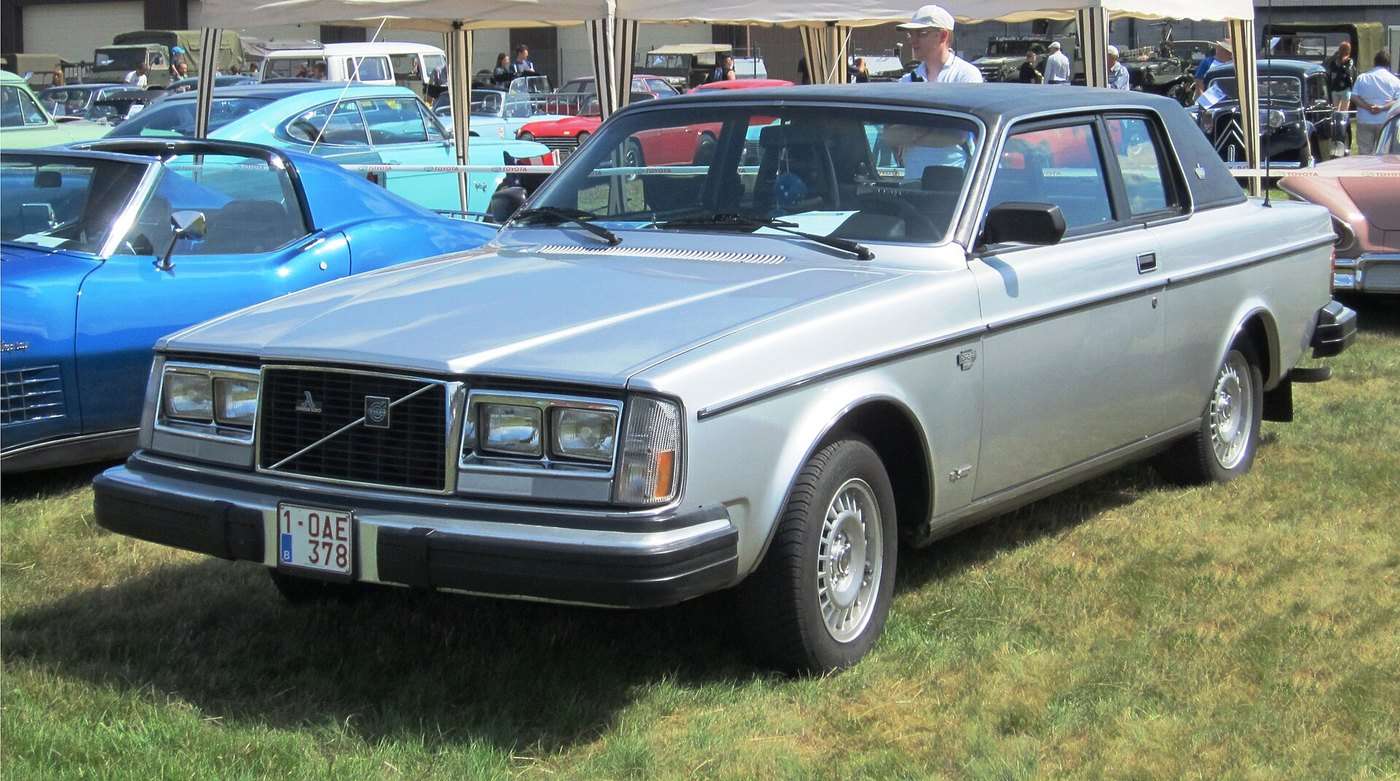
The Volvo 262C was the company’s hand-finished luxury coupe of the late 1970s, built in Italy by Bertone from Volvo 260-series components. Its lowered roof, wide doors, formal rear quarters and lavish cabin make it one of the strangest and most recognisable production Volvos.
Quick answer: the 262C appeared for the 1978 model year and remained in production until 1981. It used the PRV V6 and automatic transmission in many markets. Bertone assembled and trimmed the body, while Volvo supplied the underlying engineering.
Why Volvo commissioned Bertone
Volvo wanted a low-volume flagship above the 264 saloon without funding an entirely separate platform. The solution used the two-door 262 body structure and sent cars to Bertone in Turin for roof, pillar, door and interior work.
The 262C was aimed particularly at North America, where personal-luxury coupes were commercially important. It offered Volvo safety and mechanical familiarity in a deliberately exclusive package.

The chopped-roof design
The roof was lowered by roughly ten centimetres, producing thick pillars and a narrow glass area. Early cars are strongly associated with silver paint and a black vinyl roof, while later examples appeared in additional colours and without the same visual treatment.
Inside, leather, wood trim, deep carpeting, air conditioning and extensive electrical equipment separated the coupe from ordinary 240-series cars. Condition and completeness now matter because many pieces are unique.

PRV V6 and model development
The aluminium Peugeot-Renault-Volvo V6 powered the 262C. Capacity and engine designation changed during production, while emissions specification varied by market. The engine has a mixed reputation, but maintenance history and correct servicing are more informative than generalised criticism.
Suspension, brakes and steering follow the 260 family. The car was conceived as a relaxed luxury coupe, not a sports derivative, despite its two-door body.

Rarity and historical position
The 262C preceded the larger 780 and represents an unusual period when Volvo combined Swedish engineering with Italian coachbuilding. Production was limited, and attrition has made original cars uncommon in Europe.
Its appearance is divisive, which is precisely why it fits Unusual Cars. A sound, complete example explains far more about late-1970s luxury tastes than a modified or partially dismantled survivor.

Love cars you don’t see every day?
Get forgotten cars, surprising motoring stories and the most interesting finds from Unusual Cars by email.
Free to join. No spam. Unsubscribe whenever you like. See our privacy policy.
Buying guide
Rust and structure
Inspect sills, floors, jacking points, arches, windscreen surrounds, door bottoms and the modified roof structure. Poor repairs can be expensive to correct.
PRV V6
Check cold oil pressure, timing-chain noise, cooling, fuel delivery, oil leaks and evidence of regular changes with the correct lubricant.
Automatic transmission
Ensure prompt engagement, clean changes and working kickdown. Fluid condition and leaks deserve attention.
Bertone trim
Confirm the unique headlining, glass, seals, leather, wood, badges and brightwork are present and restorable.
Electrical equipment
Test air conditioning, windows, mirrors, central locking, instruments and every cabin switch; earth faults and aged connectors are common.
Research sources
Continue the Volvo story
Return to the Rare & Performance Volvos hub, then compare the P1800 and 1800ES guide and the Volvo 780 Bertone guide.
Frequently asked questions
Who built the Volvo 262C?
Volvo supplied the engineering and Bertone assembled and finished the specialised coupe body in Turin.
What engine does a Volvo 262C use?
It uses a version of the aluminium PRV V6, with specification varying by model year and market.
Why is the 262C roof so low?
The lowered roof and altered pillars created the formal personal-luxury coupe appearance requested by Volvo.
How long was the Volvo 262C produced?
It was offered from the 1978 model year through 1981.
What is hardest to replace on a 262C?
Bertone-specific glass, seals, roof trim, interior fittings and exterior brightwork can be much harder to source than routine Volvo mechanical parts.