UNUSUAL CARS MODEL GUIDE
The Volvo 480 Turbo is the fastest regular-production version of Volvo’s compact glass-hatch coupé. Introduced for the 1988 model year, it added an intercooled, electronically controlled turbocharger to the front-wheel-drive 480 and produced 120hp in Volvo’s official history.
Quick answer: the 480 was Volvo’s first series-production front-wheel-drive car and was built in Born, the Netherlands, from 1985 to 1995. The Turbo combined pop-up headlamps, a four-seat shooting-brake shape and a 1.7-litre Renault-based engine. Its biggest ownership risks are corrosion, water ingress and complex ageing electrics rather than outright engine fragility.
The Galaxy project and Volvo’s first front-drive car
The 480 emerged from Volvo’s Galaxy product-planning programme, which explored replacements for the 300, 200 and 700 series. Volvo released the first official image on 15 October 1985 and presented the production car publicly in 1986.
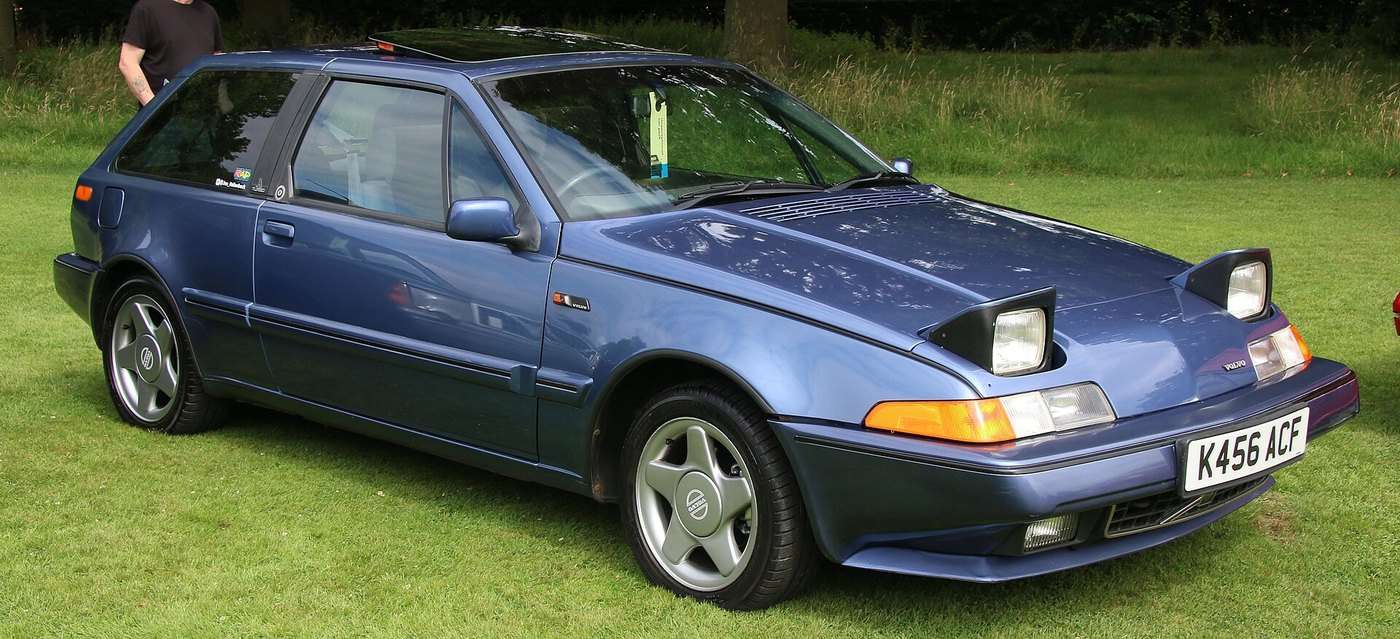
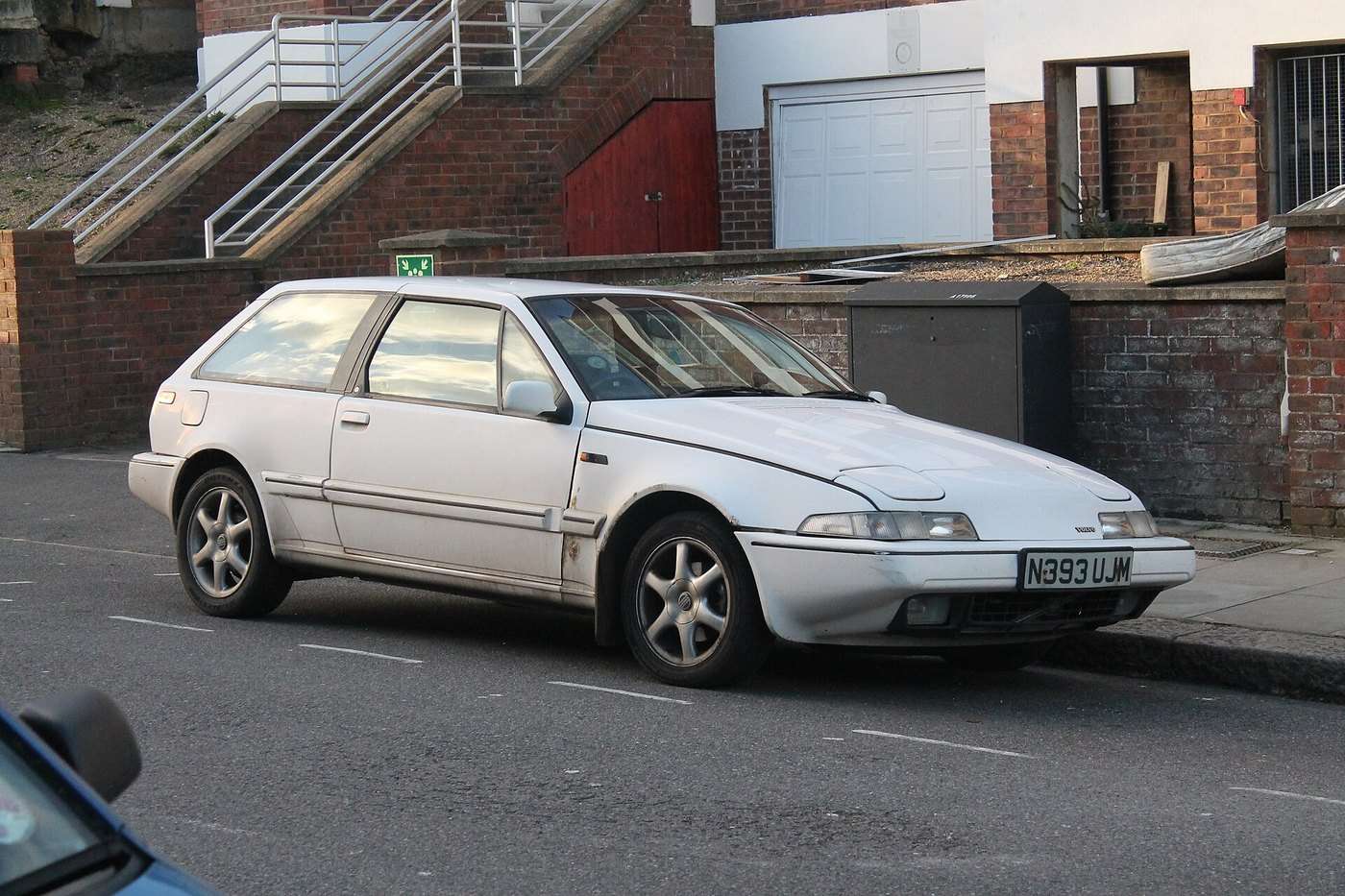
Its packaging was new for the company: a transverse engine, five-speed gearbox and front-wheel drive left more cabin space within a compact wheelbase. The glass tailgate deliberately recalled the P1800ES, while pop-up lamps allowed a low nose without losing full-size headlights.

What made the 480 Turbo different?
The original 480 ES used a 1.7-litre single-overhead-camshaft engine developed from a Renault unit and fitted with electronic fuel injection. For the Turbo, Volvo added an intercooler and electronically managed boost. Official figures give 120hp and a top speed above 200km/h.
The engine does not chase a dramatic peak figure. Its value is the extra mid-range torque that suits the 480’s grand-touring character. Springs, dampers, wheels and trim varied by year and special edition, so a Turbo badge alone is not proof of an original specification.
480 versions and timeline
| Version | Period | Key point |
|---|---|---|
| 480 ES 1.7 | From 1986 | 109hp in Volvo’s history, front-wheel drive and extensive electronic equipment |
| 480 Turbo | From model year 1988 | Intercooled turbocharged 1.7 with 120hp and more than 200km/h claimed top speed |
| 480 2.0 | From 1993 | Normally aspirated two-litre with 110hp and improved low-speed torque |
| Celebration and GT | Final years | Market-specific special editions with distinctive trim and equipment |
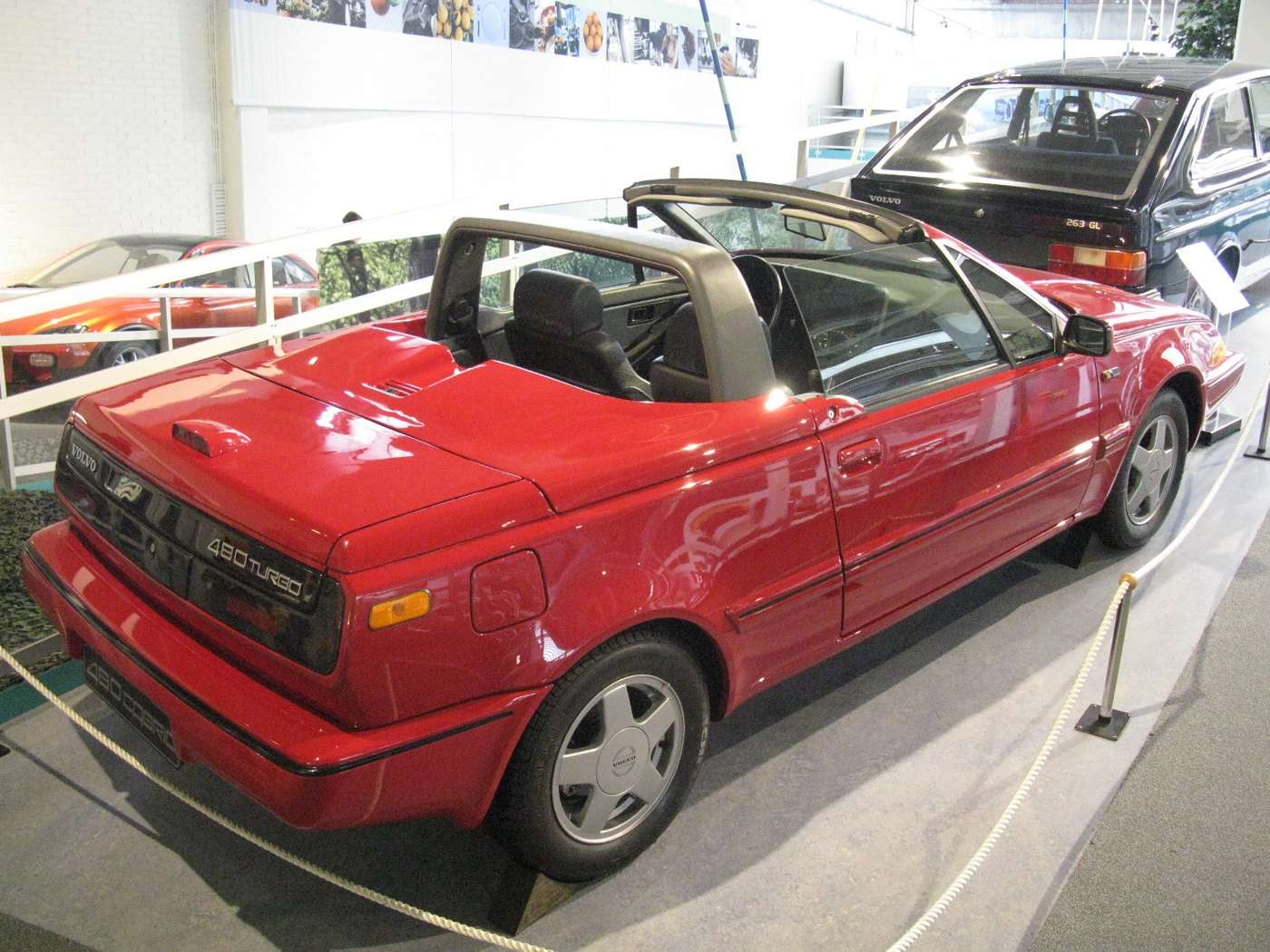
Volvo states that 76,375 examples of all 480 versions were built during the ten-year production run. A proposed convertible appeared at the 1990 Geneva Motor Show but did not reach production; surviving prototypes demonstrate how far the project progressed.
Design, interior and electronic character
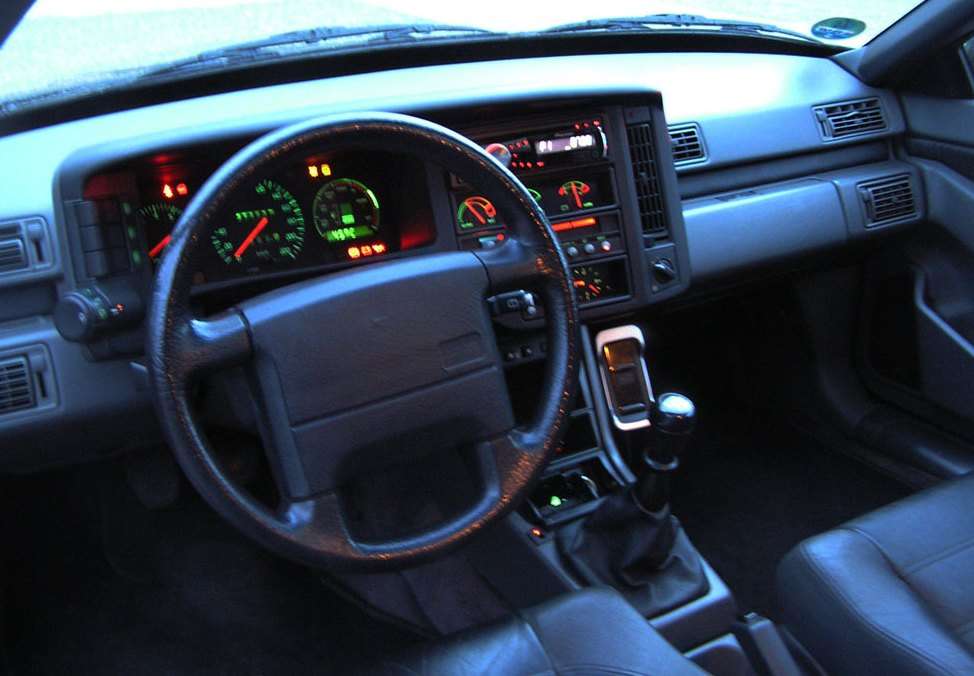
The 480’s dashboard is angled towards the driver and groups warning lamps, an information display and switchgear in a way that felt unusually technical in the mid-1980s. A central electronic module controls many convenience functions, helping explain both the car’s sophistication and its reputation for electrical faults.
The rear seats are separate and the glass hatch gives useful access, but the car is still a compact 2+2. Original seat fabric, dashboard plastics, lamps, spoilers and tailgate trim matter because replacements are much scarcer than routine service parts.
Love cars you don’t see every day?
Get forgotten cars, surprising motoring stories and the most interesting finds from Unusual Cars by email.
Free to join. No spam. Unsubscribe whenever you like. See our privacy policy.
Volvo 480 Turbo buying guide
Central electrical module and instruments
Test every electrical function repeatedly: pop-up lamps, daytime lights, indicators, wipers, heated glass, windows, mirrors, information display, fan and central locking. Intermittent faults may involve earths and connectors as well as the central module.
Water ingress and corrosion
Inspect the rear lamp seals, glass hatch, boot floor, rear arches, sills, front wings, suspension mounts and windscreen surround. Damp carpets and luggage trim can hide structural corrosion and damage electrical connections.
Turbo engine and cooling
Start from cold, watch the temperature and check for smooth boost without smoke. Inspect turbo hoses, vacuum pipes, radiator, cooling fan, oil lines and service records. The Renault-based engine is understood by specialists, but neglected ancillaries can make diagnosis expensive.
Gearbox, clutch and suspension
The five-speed gearbox should select cleanly and the clutch should take up without slip or judder. Listen for wheel bearings and driveshaft joints, then assess dampers, bushes and steering for age rather than assuming low mileage guarantees condition.
Identity and special editions
Use the VIN, build plate and market documentation to confirm a Turbo, GT, Celebration or dealer edition. Wheels and badges are often changed, while imported cars may not match a UK brochure.
Why the Volvo 480 matters
The 480 was a technical bridge between traditional rear-drive Volvos and the front-drive cars that followed. Its combination of pop-up lamps, a glass hatch, turbocharging and dense electronics makes it one of the company’s most distinctive production models.
Research sources
- Volvo Cars: Volvo 480ES and first front-wheel-drive history
- Volvo Cars Heritage: Volvo 480
- Octane: Volvo 480 buying guide
- Honest John Classics: Volvo 480 buying guide
Continue the Volvo story
Explore the Rare & Performance Volvos hub, then compare the Volvo 850 T-5R and R guide and the Volvo 240 Turbo guide.
Frequently asked questions
Was the Volvo 480 the first front-wheel-drive Volvo?
Yes. Volvo identifies the 480 as its first series-production front-wheel-drive car.
How much power does a Volvo 480 Turbo have?
Volvo’s official history quotes 120hp from the intercooled turbocharged 1.7-litre engine.
How many Volvo 480s were built?
Volvo records total production of 76,375 cars across all 480 versions from 1985 to 1995.
Was a Volvo 480 convertible produced?
No production convertible was sold. Volvo displayed a prototype in 1990 and surviving prototypes are preserved.
What goes wrong with a Volvo 480?
The main checks are electrical functions, water ingress, corrosion, cooling, turbo hoses, gearbox operation and scarce model-specific trim.