Rare performance Vauxhalls
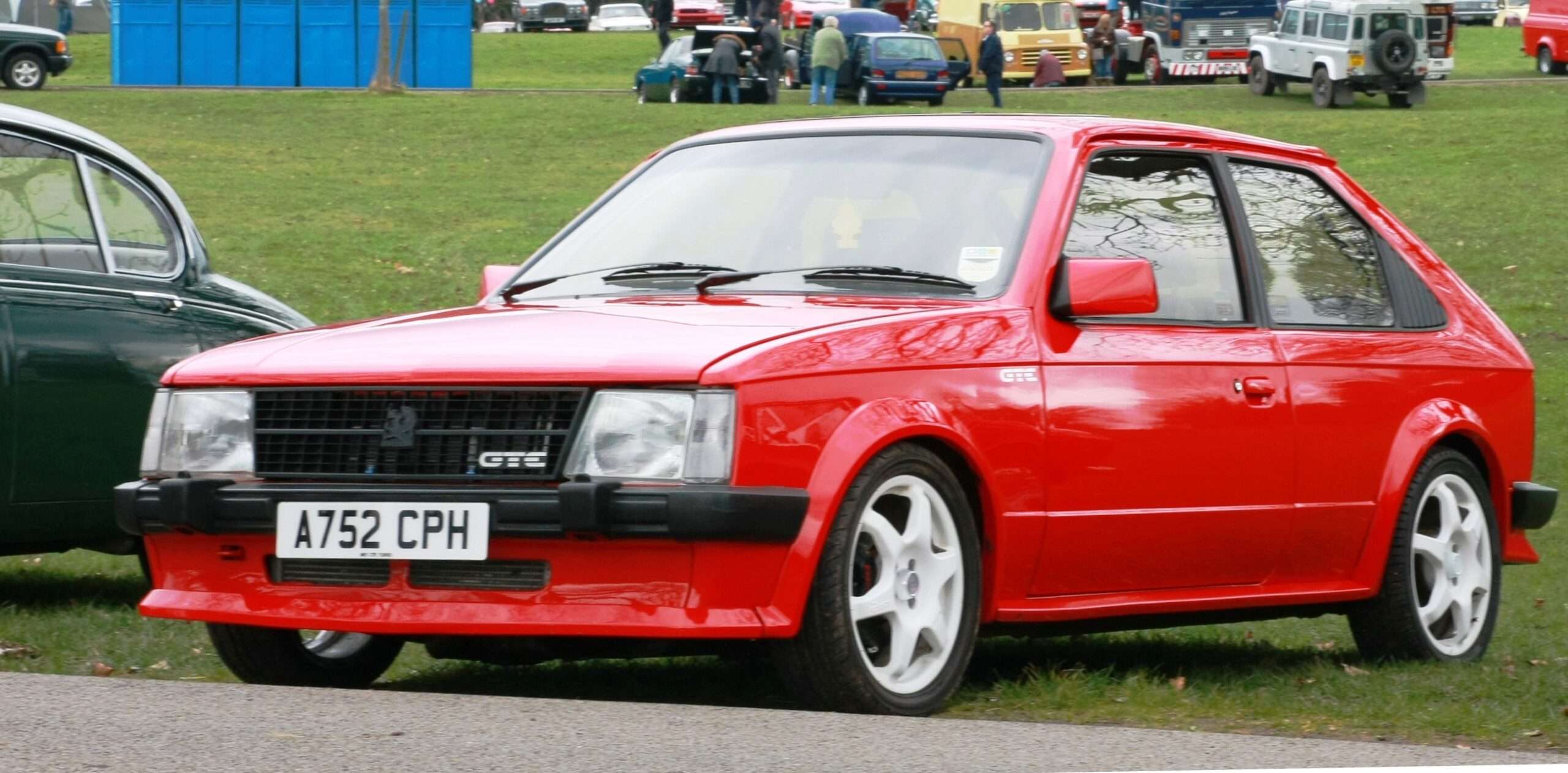
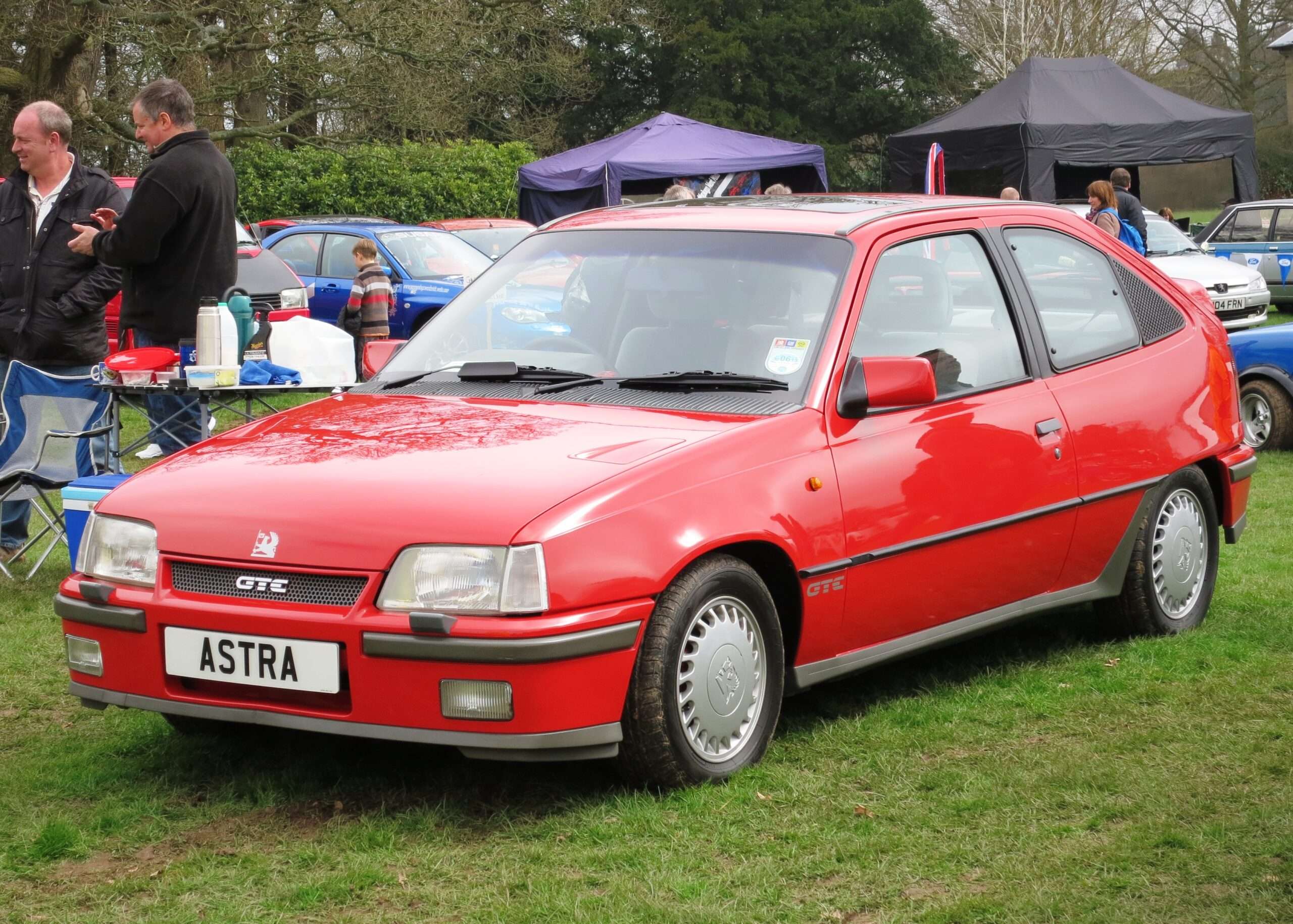
The Vauxhall Astra GTE turned an ordinary family hatchback into Vauxhall’s first proper hot hatch. The early 1.8-litre Mk1 established the formula; the aerodynamic Mk2 and its 2.0-litre 16-valve engine made the badge a defining British performance-car name of the 1980s.
What is the Vauxhall Astra GTE?
The GTE was Vauxhall’s performance version of the front-wheel-drive Astra hatchback. The Mk1 arrived in the early 1980s with fuel injection, firmer suspension and a purposeful three-door body. It was followed in 1984 by the all-new Mk2 Astra, whose clean, low-drag shape gave the GTE a completely different character.
What makes the GTE important is that it was not merely a trim package. It combined a light three-door shell with injected engines, upgraded chassis hardware and equipment that made it feel special in period. The later 2.0-litre 16-valve car became especially significant because its C20XE engine was powerful, durable when maintained and hugely influential in road and competition conversions.
Astra GTE timeline and key versions
| Mk1 Astra GTE | Early 1980s; 1.8-litre fuel-injected engine, three-door hatchback and Vauxhall’s first official hot hatch. |
|---|---|
| Mk2 Astra GTE 1.8 | From 1984; aerodynamic new body, digital-instrument options and a more sophisticated period image. |
| Mk2 Astra GTE 2.0 8v | Later Mk2 performance model with more torque and stronger everyday pace. |
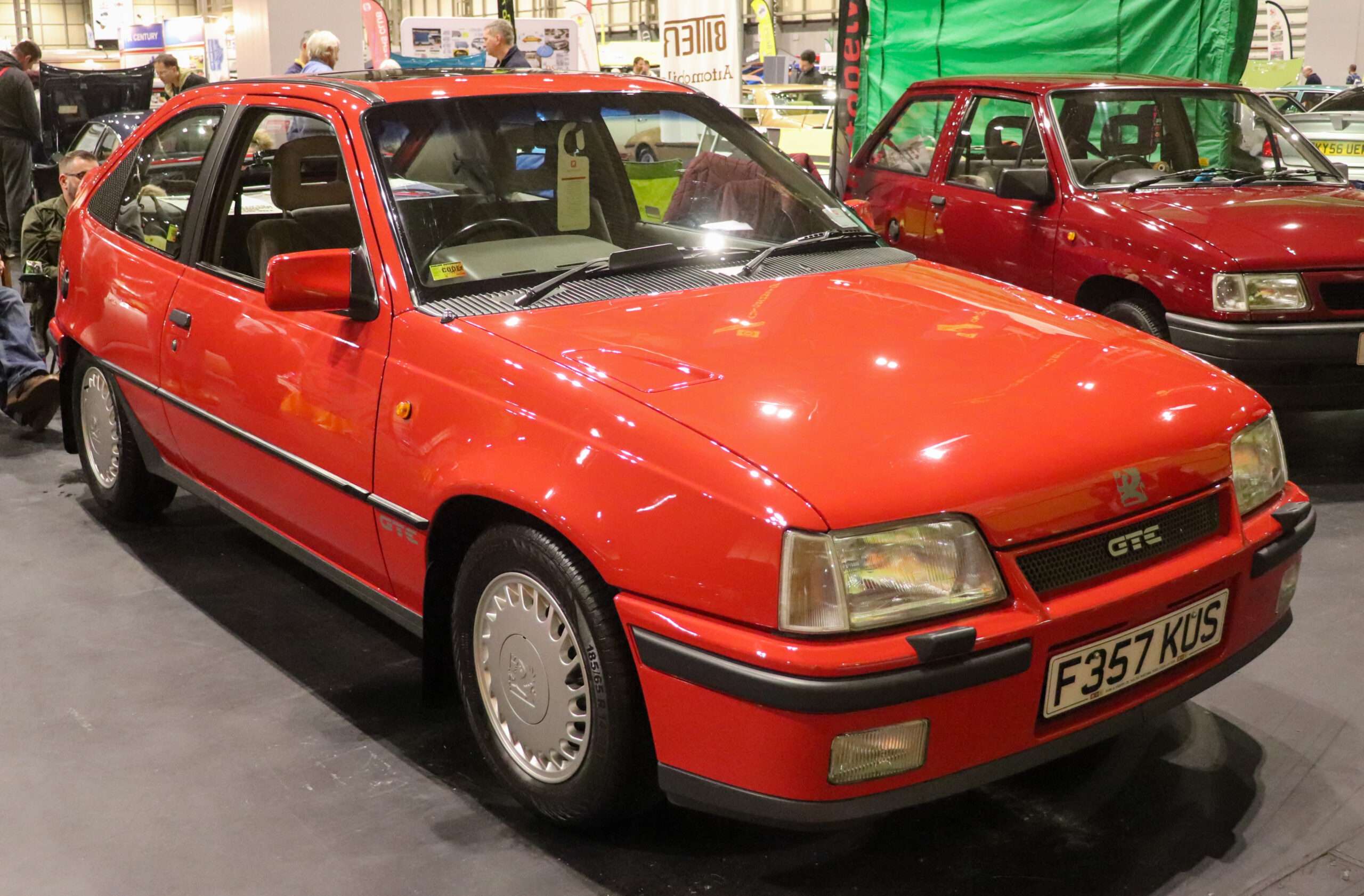
| Mk2 Astra GTE 16v | From the late 1980s; 2.0-litre C20XE twin-cam engine, around 150PS in period specification and the most sought-after mainstream GTE. |
Vauxhall heritage material describes the Mk1’s injected 1.8-litre engine as producing 115bhp, with a quoted 115mph top speed. The Mk2 moved the story on with its notably slippery body shape; Vauxhall later highlighted a drag coefficient below 0.30 for Mk2 GTE models. Numbers are useful context, but surviving cars vary substantially in condition and modification.
Mk1 versus Mk2: which Astra GTE is right for you?
The Mk1 is the simpler and scarcer choice. Its angular styling, three-door proportions and early hot-hatch character are now a large part of the appeal. Finding original trim and good body panels can be harder than finding routine mechanical parts, so the shell and completeness should lead the decision.
The Mk2 is the better-known GTE and offers the broadest range of usable road cars. It is also more likely to have been modified, raced, rallied or broken for its engine. A sympathetic period upgrade with invoices is not automatically a problem, but a buyer should distinguish a genuine GTE from a standard Astra fitted with badges, bodywork or a later engine.
Why the C20XE ‘red-top’ engine matters
The 16-valve C20XE is central to the legend. It gave the GTE strong performance without turbocharging and later became a favourite for kit cars, club racing and engine conversions. That popularity means original engines and untouched installations have additional appeal, but an engine swap does not automatically make a car bad. The question is whether the work is correctly engineered, documented and declared for insurance.
Inspect any GTE from cold. Look for smoke, unstable idle, oil leaks, overheating and a lack of evidence for timing-belt servicing. Ask what engine is fitted, whether the number is recorded, who carried out any rebuild or mapping work, and whether cooling, fuel and electrical systems have been improved to match any power increase.
Rust and bodywork checks
Rust is the buying issue that can make every other discussion irrelevant. Examine sills, floors, jacking points, front inner wings, suspension mounting areas, wheel arches, rear chassis sections and the boot floor. Lift carpets where possible, inspect beneath plastic trim and do not let fresh underseal substitute for a proper look at the structure.
Check panel alignment and paint texture for signs of previous accident repairs. A restored shell with photographs and invoices can be reassuring; a shiny car with no explanation for fresh paint deserves closer investigation. GTE-specific trim, bumpers, wheels, decals, seats and instruments can be expensive or difficult to replace, so completeness matters too.
Originality, modifications and identification
GTEs naturally attract modifications. Lowered suspension, aftermarket wheels, non-standard seats, loud exhausts and engine conversions are common. Assess the quality of the engineering rather than assuming all changes are negative, but value a modified car as a modified car. Retain invoices, MOT history, photographs and a clear component list.
Confirm the VIN, V5C, shell identity and factory specification. Compare the car with reliable period information and seek model-specific club advice before buying a high-value 16-valve example. A standard Astra with a C20XE can be enjoyable, but it is not the same proposition as a genuine GTE 16v.
What to check on a test drive
- Cold starting, oil pressure, idle quality and coolant temperature.
- Clutch operation, gearchange, driveshaft noise and steering response.
- Brakes, suspension bushes, dampers and signs of torque steer or instability.
- All electrics, including instruments, heater controls, lights and central locking where fitted.
- Matched tyres and wheels with no evidence of poorly executed suspension changes.
- Paperwork for belts, corrosion repair, engine work, modifications and historic MOT advisories.
Is an Astra GTE a good modern classic?
Yes, provided you buy on condition and history. It has the compact dimensions, analogue feel and strong enthusiast support that make 1980s hot hatches rewarding, but its age means body condition and past workmanship are decisive. The right car is a lively, practical and historically important performance Vauxhall; the wrong project can absorb a large restoration budget.
Related Unusual Cars guides
Explore the Rare & Performance Vauxhalls hub for the wider story. The Vauxhall Nova guide covers the later GTE/GSi supermini, while the Cavalier Turbo 4×4 guide and Calibra Turbo guide continue the C20LET-era performance story.
Frequently asked questions
What was Vauxhall’s first hot hatch?
Vauxhall identifies the Mk1 Astra GTE as its first official hot hatch. It used an injected 1.8-litre engine and helped establish the fast-Astra line.
Which Astra GTE is most desirable?
The Mk2 2.0 16v is usually the highest-profile mainstream GTE, but a sound, original Mk1 or 1.8 can be more rewarding than a poorly restored 16v. Condition and documentation decide the worthwhile cars.
Why is the C20XE called a red-top?
The nickname refers to the engine’s red cam cover. It is widely respected because of its strong performance, twin-cam design and long history in enthusiast and competition applications.
Research note: factory history and period technical context checked against Vauxhall/Stellantis heritage material. Model details, modifications and condition should always be confirmed from the individual car and its documentation.