Rare performance Vauxhalls
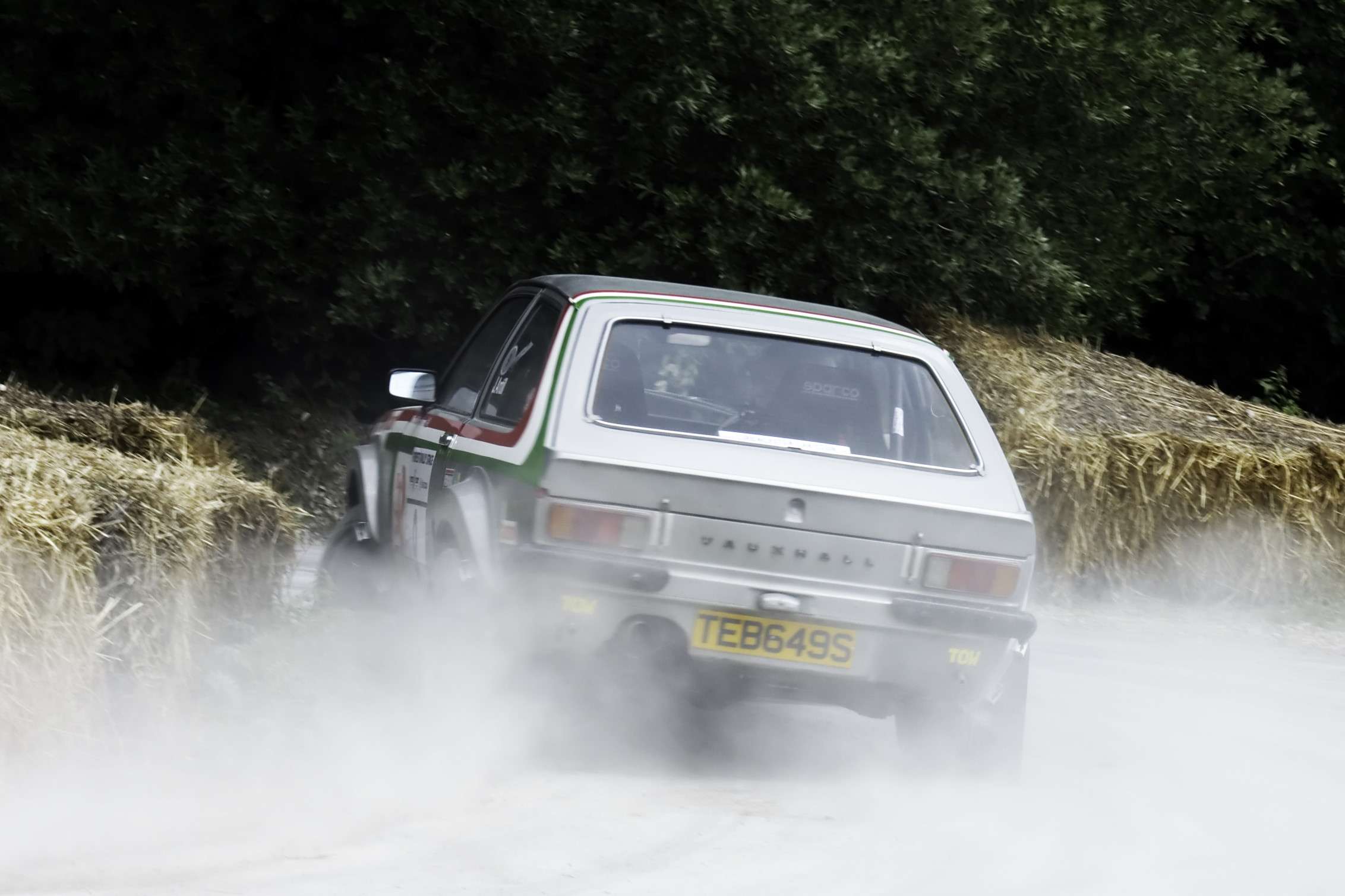
The Vauxhall Chevette HS and HSR turned a modest rear-wheel-drive hatchback into one of Britain’s defining 1970s rally cars. The road cars are rare, the rally heritage is genuine and the gap between an authentic HS/HSR, a tribute and an ordinary Chevette is crucial to understand before buying.
What are the Vauxhall Chevette HS and HSR?
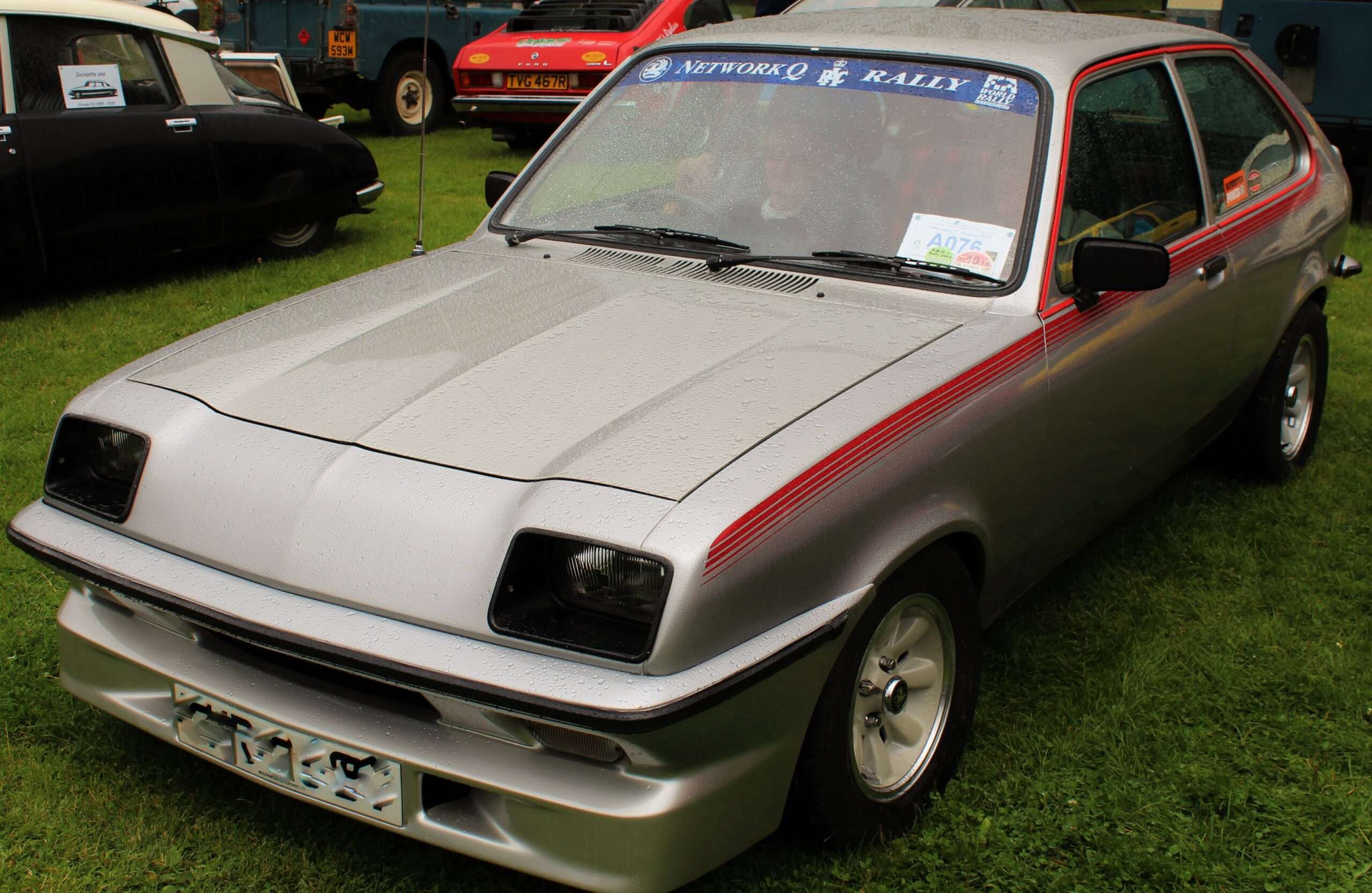
The Chevette was Vauxhall’s compact rear-wheel-drive hatchback, part of GM’s international T-car family. The HS was the limited-production homologation special created to take Vauxhall rallying in a more serious direction. It paired the Chevette’s small three-door shell with a 2.3-litre, 16-valve ‘slant four’, a five-speed gearbox and chassis changes intended for competition.
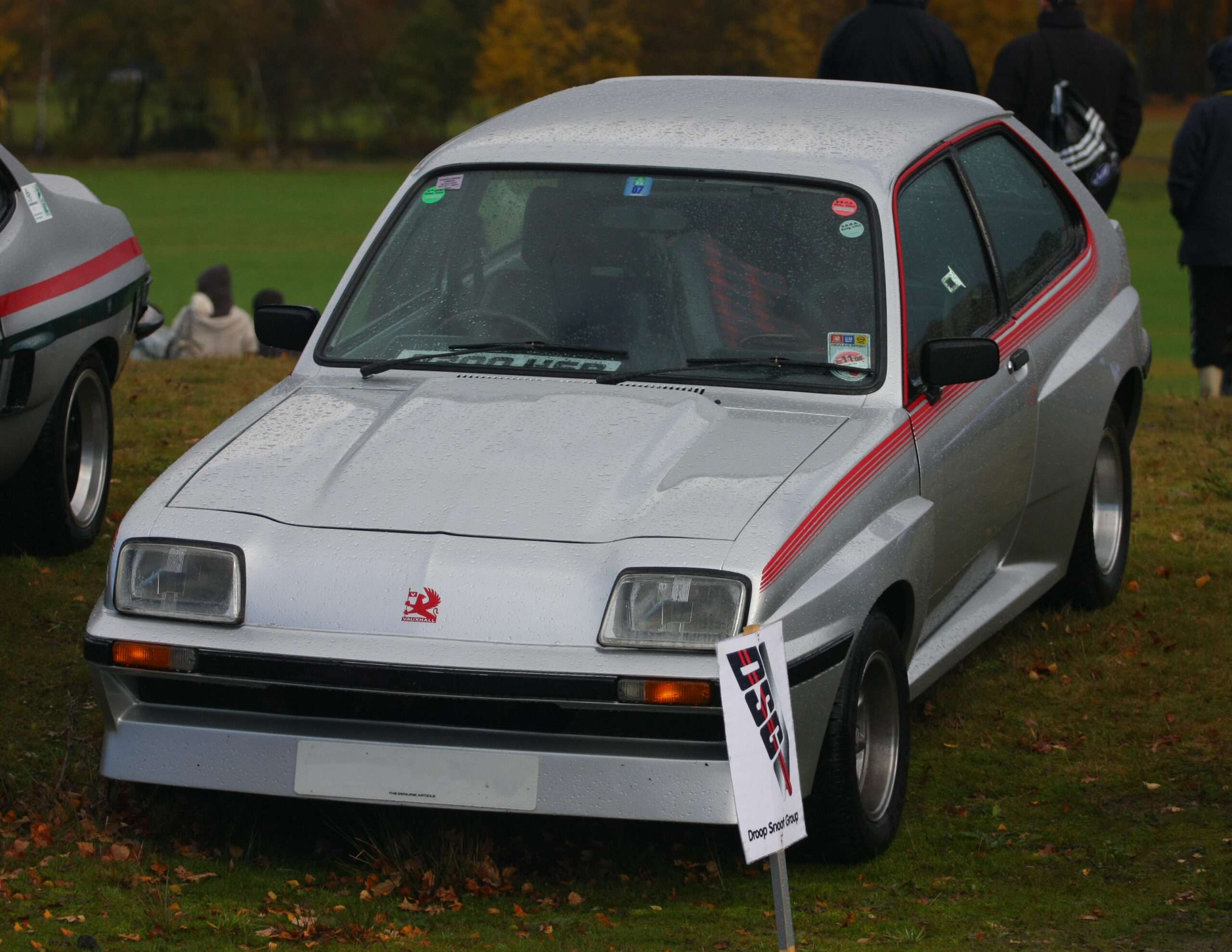
The later HSR was an evolution aimed at rally competition. Its visual signature was broader composite bodywork, while its mechanical specification developed alongside the works programme. The FIA Historic Database records the Chevette HS 2300 as a 2279cc, rear-wheel-drive Group 4 car under homologation number 649; that is a useful starting point, but it is not proof that an individual road car is genuine.
HS versus HSR: the essential difference
| Chevette HS | The original road-going homologation special: restrained by later HSR standards but already a serious 2.3-litre, 16-valve performance car. |
|---|---|
| Chevette HSR | The rally evolution, associated with much wider arches and more dramatic bodywork. Genuine identity and correct period components are particularly important. |
| Tribute or restomod | Can be a very enjoyable car, but should be described and valued as a modified Chevette unless it has evidence to support a genuine HS/HSR identity. |
Why the Chevette became a rally icon
The combination of rear-wheel drive, compact dimensions and a powerful competition engine made the Chevette a natural rally platform. It represents a particular era of British rallying: loud, mechanical and visibly close to the road car beneath. In period, the car connected Vauxhall with Dealer Team Vauxhall and drivers including Pentti Airikkala, and it has remained a favourite in historic rallying.
It is worth separating road-car and works-rally specifications. Power outputs, dry-sump systems, gearbox internals, suspension and bodywork varied by competition evolution. Avoid treating an online specification as a definitive description of every car; confirm what is fitted to the actual vehicle, and whether it is road legal, competition eligible or simply built for fast-road enjoyment.
Buying a Chevette HS or HSR
Start with identity. Ask for the V5C, chassis number, engine number, restoration invoices, previous ownership details and any marque-register or club confirmation. A car advertised as an HS or HSR should have a coherent story linking the shell, engine and major components. A period competition history is a bonus only when it is documented.
Then examine the body shell. Corrosion can be expensive and safety-critical, particularly around sills, floors, inner wings, suspension pick-up points, chassis rails, A-pillars, rear spring mounts and the boot floor. On a rally replica, fresh underseal, seam sealer and fabricated arches can conceal rushed work, so inspect from underneath and ask for photographs from the restoration.
Engine, gearbox and chassis checks
The 2.3-litre 16-valve engine is central to an authentic HS/HSR’s appeal, but it is not the only route to a good Chevette. Many cars now carry Vauxhall red-top C20XE engines, Ford or V8 conversions, or other period-inspired installations. The conversion should be judged on engineering, cooling, wiring, fuel system, transmission, brakes and paperwork—not just claimed power.
- Check cold starting, oil pressure, smoke and coolant behaviour.
- Look for vibration through the propshaft, axle noise and a poor or obstructive gearchange.
- Inspect front suspension, steering rack mounts, dampers, brakes and tyre age.
- Confirm whether the fuel system, battery isolation, roll cage and seats suit road use and current regulations.
- Match modifications against insurance declarations and MOT history.
Originality versus usability
A complete, original HS deserves preservation and careful specialist advice. A properly built replica or restomod can be more practical to use and less intimidating to repair, especially where it uses readily available mechanical components. Neither is inherently ‘better’; the mistake is paying genuine-HSR money for a car whose history supports only a modified Chevette.
Original trim, seats, instruments, wheels and body panels are part of the value equation. Replacement parts do exist through clubs and specialists, but a missing item can become a long and costly search. If a car has been rebodied or restored from a bare shell, look for a photographic record and clear explanation of the work.
How a Chevette fits the Unusual Cars Vauxhall story
The Chevette provides the rally roots for the later performance Vauxhalls. Continue to the Rare & Performance Vauxhalls hub, then compare the hot-hatch approach in the Astra GTE guide, the compact Vauxhall Nova guide and the turbocharged Cavalier Turbo 4×4 guide.
Frequently asked questions
Was the Chevette HS a genuine homologation special?
Yes. The FIA Historic Database records the Vauxhall Chevette HS 2300 as a 2279cc, rear-wheel-drive Group 4 car under homologation number 649. Verify any individual car’s identity independently.
What is the difference between a Chevette HS and HSR?
The HSR was a later competition evolution, best known for its broader bodywork and rally development. Both names are used loosely in adverts, which makes documentation essential.
Are Chevette replicas worth buying?
They can be excellent cars if the build quality is high and the specification is honestly represented. Value them as modified cars unless there is robust evidence of genuine HS or HSR provenance.
Research note: homologation details checked against the FIA Historic Database. The condition, identity, road legality and competition eligibility of any specific car must be confirmed from physical inspection and its records.