
UNUSUAL CARS MODEL GUIDE
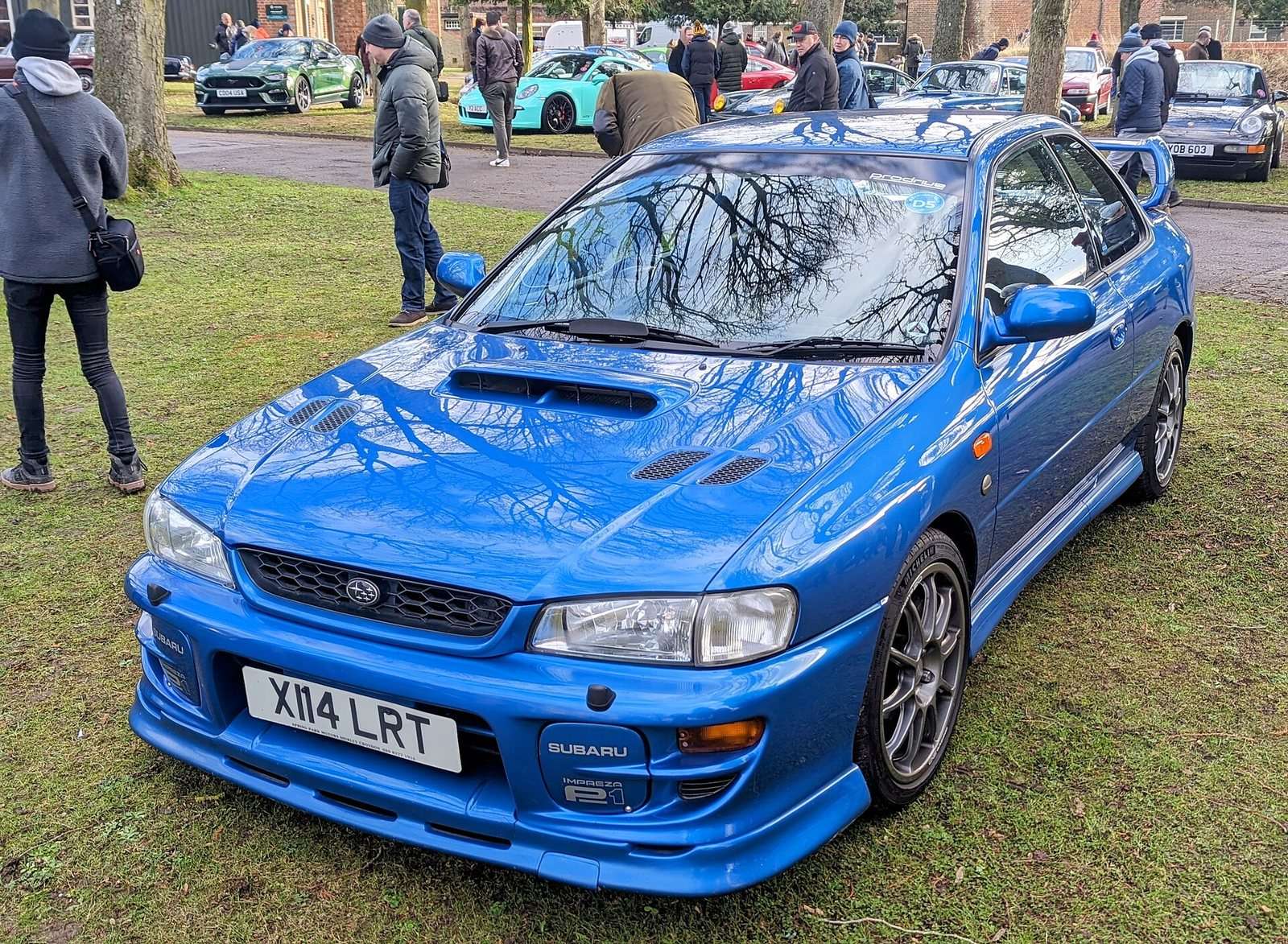
The Subaru Impreza P1 is a UK-market two-door performance model developed by Prodrive from the Japanese WRX STI Type R. Announced in 1999 and delivered from 2000, it combined 280PS, four-wheel drive and a chassis calibrated for British roads in an individually numbered production run of 1,000 cars.
Quick answer: the P1 is not simply an imported STI with different badges. Prodrive revised the engine management, suspension and aerodynamics to create a complete UK-market road car. Its value now depends on identity, originality, structural condition and the quality of any engine work.
Why Subaru and Prodrive created the P1
Subaru’s rally success made Japanese-market two-door Imprezas intensely desirable in Britain, but private imports brought compromises in fuel calibration, gearing, parts support and insurance. Subaru UK and Prodrive used the Type R coupé as the foundation for a car developed specifically for British customers.
The result was named Prodrive One. It connected the road car directly with the Banbury company’s engineering reputation without pretending to be a competition car. The shape was familiar from the World Rally Championship, yet the P1 remained a usable four-seat road car with a conventional boot and everyday controls.
Engine, transmission and four-wheel drive
The two-litre turbocharged flat-four was officially rated at 280PS. Prodrive’s calibration was designed around UK super-unleaded fuel and the response expected on British roads. A five-speed manual gearbox and four-wheel-drive transmission carried the performance to the road.
The P1 used the Type R’s compact two-door shell but did not copy every Japanese-market drivetrain feature. Buyers should not assume that Driver Controlled Centre Differential hardware or a particular limited-slip differential arrangement is present merely because a car resembles an STI Type R. Chassis number, original specification and physical inspection must agree.
| Feature | Impreza P1 | Why it matters |
|---|---|---|
| Body | Two-door Type R-based shell | Rare in the official UK range |
| Engine | 2.0-litre turbo flat-four, 280PS | UK-calibrated Prodrive specification |
| Transmission | Five-speed manual, four-wheel drive | Condition and originality are critical |
| Production | 1,000 numbered customer cars | Plaque and documentation require verification |
| Colour | Sonic Blue | Repaints need close inspection |

Chassis and Prodrive development
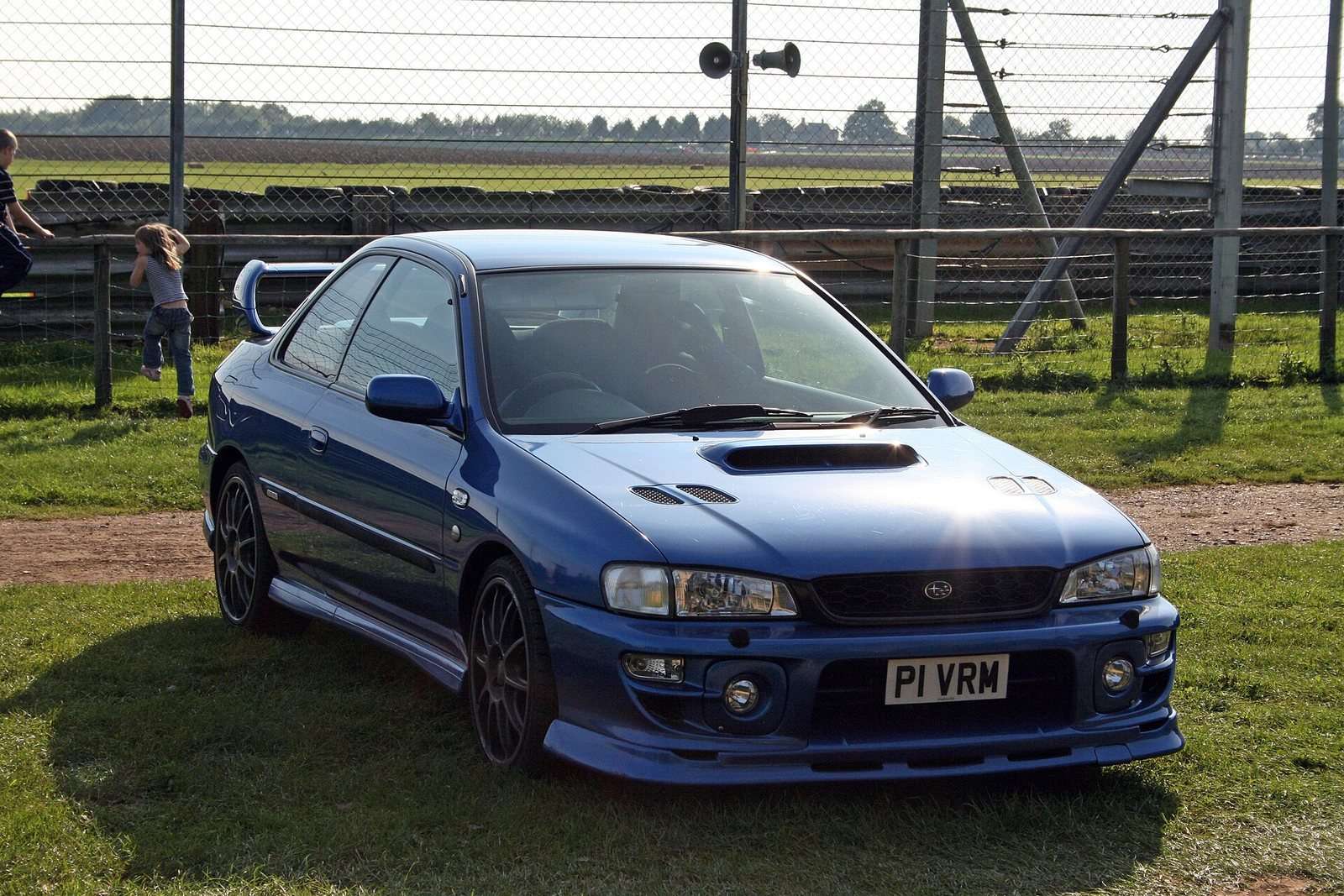
Prodrive tuned the suspension for UK surfaces rather than preserving the uncompromising set-up of a Japanese Type R. The P1 also received model-specific aerodynamic work developed with Peter Stevens, whose road- and competition-car experience helped give it a distinctive but coherent appearance.
Seventeen-inch OZ Racing wheels, uprated brakes and the lower, cleaner body treatment distinguish a correct car. Optional Prodrive upgrades appeared during the model’s life, so a non-standard component is not necessarily wrong. The important point is whether it is period-correct, documented and sensibly maintained.

P1 versus 22B and STI Type R
The P1 is frequently confused with the 22B because both are blue, two-door Imprezas. The 22B uses dramatically widened bodywork and a 2.2-litre engine; the P1 retains the standard-width coupé shell and a two-litre engine. The P1’s identity is rooted in Prodrive’s UK development rather than homologation production.
A Japanese STI Type R is a legitimate performance car in its own right, but converting one cosmetically does not create a P1. Correct identity comes from the chassis, plaque, original supplying history and a continuous documentary record.

Love cars you don’t see every day?
Get forgotten cars, surprising motoring stories and the most interesting finds from Unusual Cars by email.
Free to join. No spam. Unsubscribe whenever you like. See our privacy policy.
Subaru Impreza P1 buying guide
Identity and provenance
Check the VIN, numbered plaque, registration history and original invoices. Compare the car with recognised P1 specifications and ask a marque specialist to inspect uncertain examples. Replacement plaques, copied decals or the correct colour cannot establish identity.
Corrosion and accident repairs
Inspect rear arches, sills, floor, suspension mounting points, boot floor, front chassis rails and windscreen surrounds. Many Imprezas have been used hard, and a neatly painted car may still contain poor structural repairs. Look for seam irregularities, overspray and mismatched glass.
Engine condition
Cold-start noise, smoke, crankcase pressure, coolant loss and inconsistent compression require investigation. Evidence for cambelt, tensioners, water pump, oil changes and specialist mapping is essential. A compression and leak-down test is sensible before purchase, particularly where output has been increased.
Gearbox and differentials
Check synchromesh, clutch take-up, driveline noise and tight-turn behaviour. Launches and aggressive tuning can damage the five-speed transmission. Four matching tyres of the correct size are essential to protect the four-wheel-drive system.
Original parts and modifications
Original wheels, seats, trim, spoiler components and exhaust parts are valuable even when sensible upgrades are fitted. Undocumented boost controllers, fuel-system changes and wiring alterations create risk. Judge workmanship and calibration, not merely the claimed power.
Why the P1 remains significant
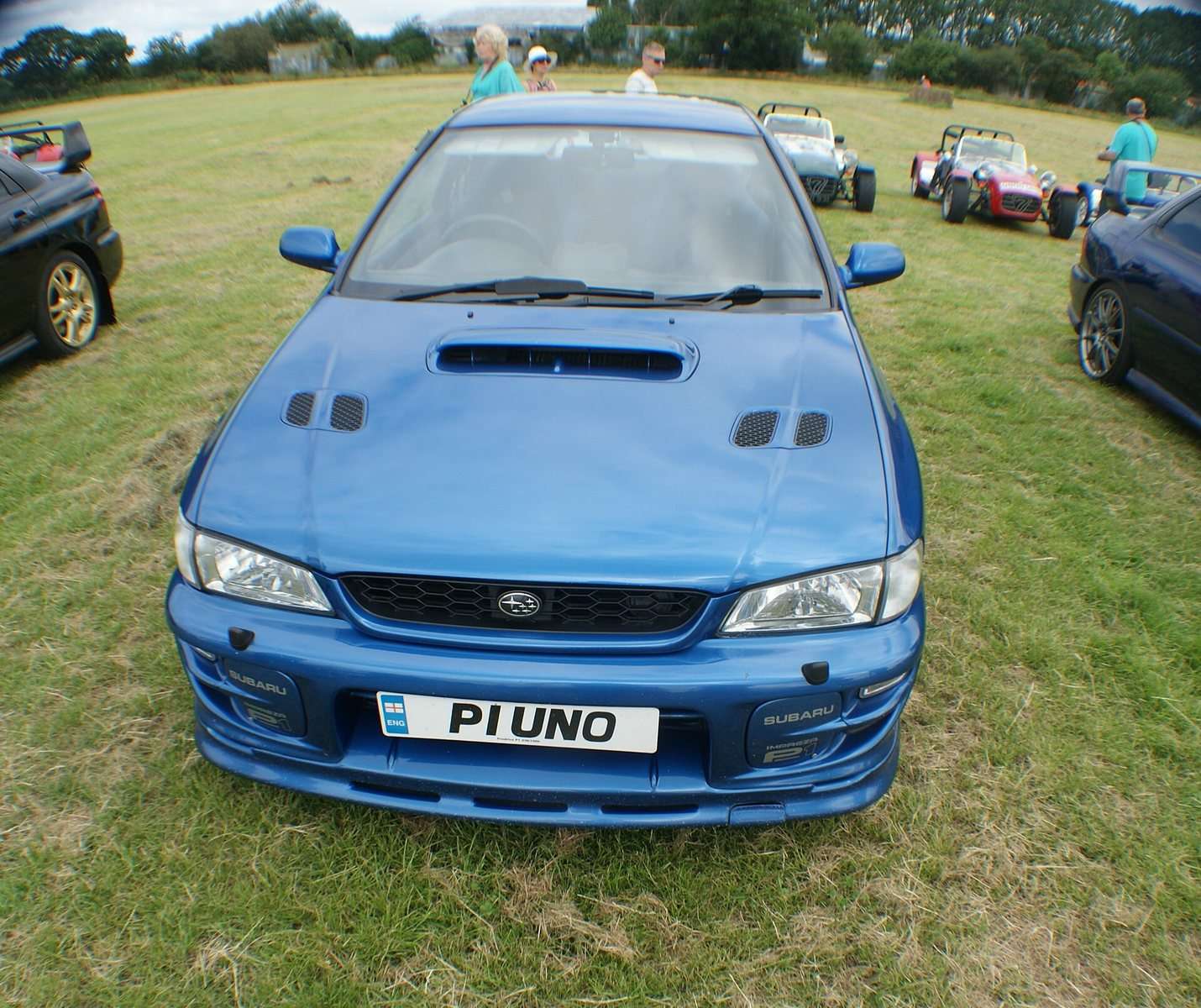
The P1 represents a particular moment when a British motorsport organisation translated Japanese rally-car appeal into an officially supported road car. It is rarer and more focused than an ordinary UK Turbo, but more specifically British in purpose than the Japanese specials that inspired it.
Love cars you don’t see every day?
Get forgotten cars, surprising motoring stories and the most interesting finds from Unusual Cars by email.
Free to join. No spam. Unsubscribe whenever you like. See our privacy policy.
Sources
- Subaru: Impreza P1 anniversary history
- Subaru UK heritage
- Prodrive company and motorsport history
- Original Unusual Cars P1 feature, expanded in place
Continue the Subaru story
Explore the Rare & Performance Subarus hub, compare the Forester STI, or discover the SVX grand tourer.
Frequently asked questions
What does P1 mean on the Subaru Impreza?
P1 means Prodrive One. It identified the first complete Subaru road-car programme developed by Prodrive for the UK market.
How many Subaru Impreza P1 cars were built?
The recognised production run comprised 1,000 individually numbered cars for the UK, followed by a small number of press or development cars whose status must be checked carefully.
Is the Impreza P1 the same as a 22B?
No. Both are two-door classic-shape Imprezas, but the 22B has a wide body and a 2.2-litre engine. The P1 uses the narrower Type R shell and a two-litre turbo engine developed for UK fuel and roads.
Did every P1 come in Sonic Blue?
Yes. Sonic Blue paint, unique 17-inch OZ wheels, Prodrive-developed aerodynamics and a numbered plaque are central identifying features of a standard P1.
What should be checked before buying an Impreza P1?
Confirm the identity and numbered plaque, inspect the shell for corrosion or crash repairs, obtain compression and leak-down results, and verify the engine, gearbox, differentials and modifications with a Subaru specialist.


