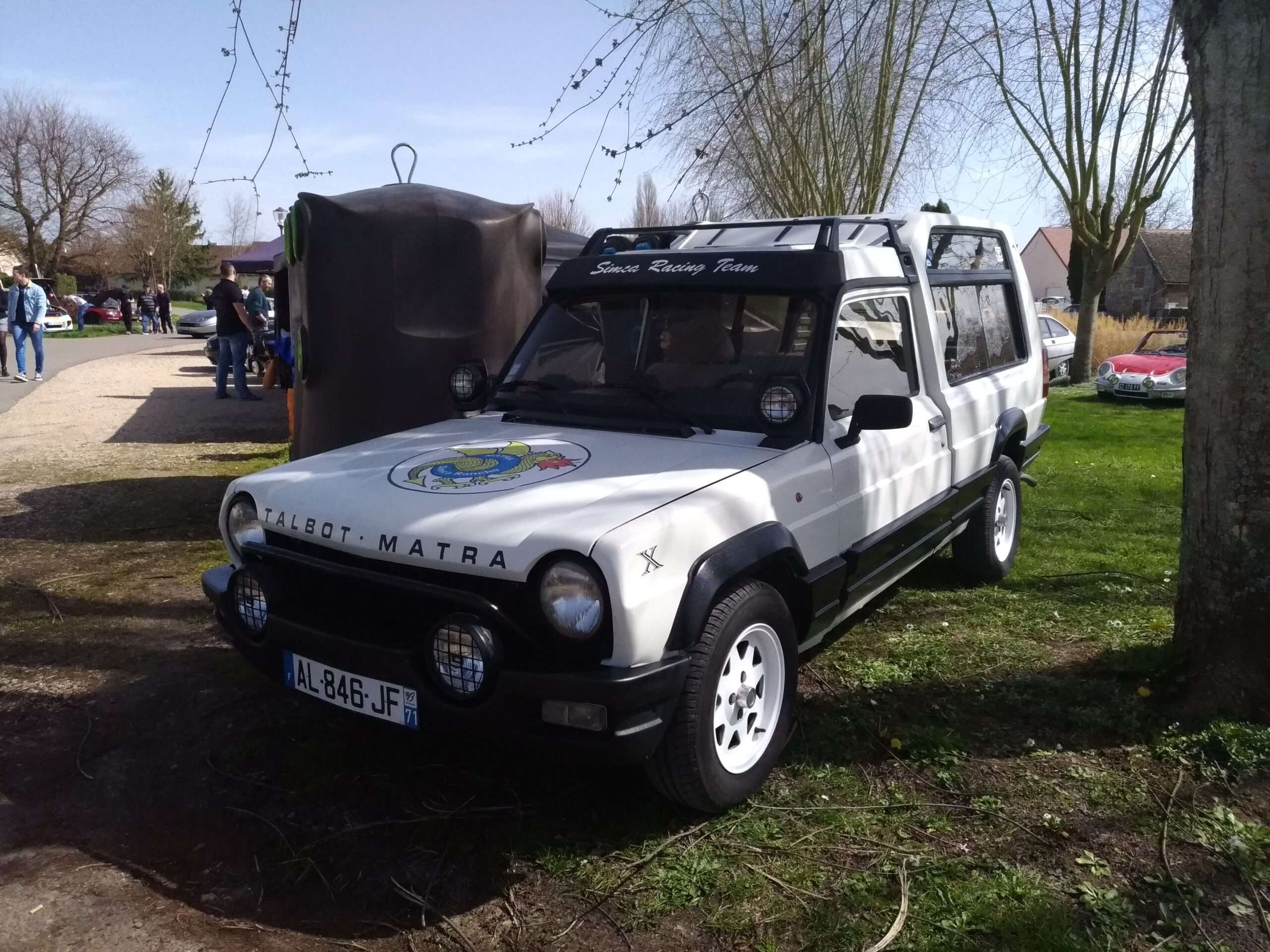
The Talbot-Matra Rancho looked ready to cross a desert, yet beneath the chunky bumpers and roof rails was the hardware of an ordinary French family car. That apparent contradiction is exactly what made it so clever. Long before “crossover” became an industry buzzword, the Rancho mixed estate-car practicality, off-road theatre and everyday running costs in one gloriously strange package.
1. It predicted the crossover more than 20 years early
The Rancho arrived in 1977, decades before family crossovers filled British roads. Matra’s idea was simple but farsighted: give buyers the stance, space and adventurous image of an off-roader without the cost, weight or thirsty mechanicals of a true 4×4. The Simca Talbot Club describes it as creating a new market for a rugged-looking vehicle with saloon-car comfort.
2. Despite the looks, it was never four-wheel drive
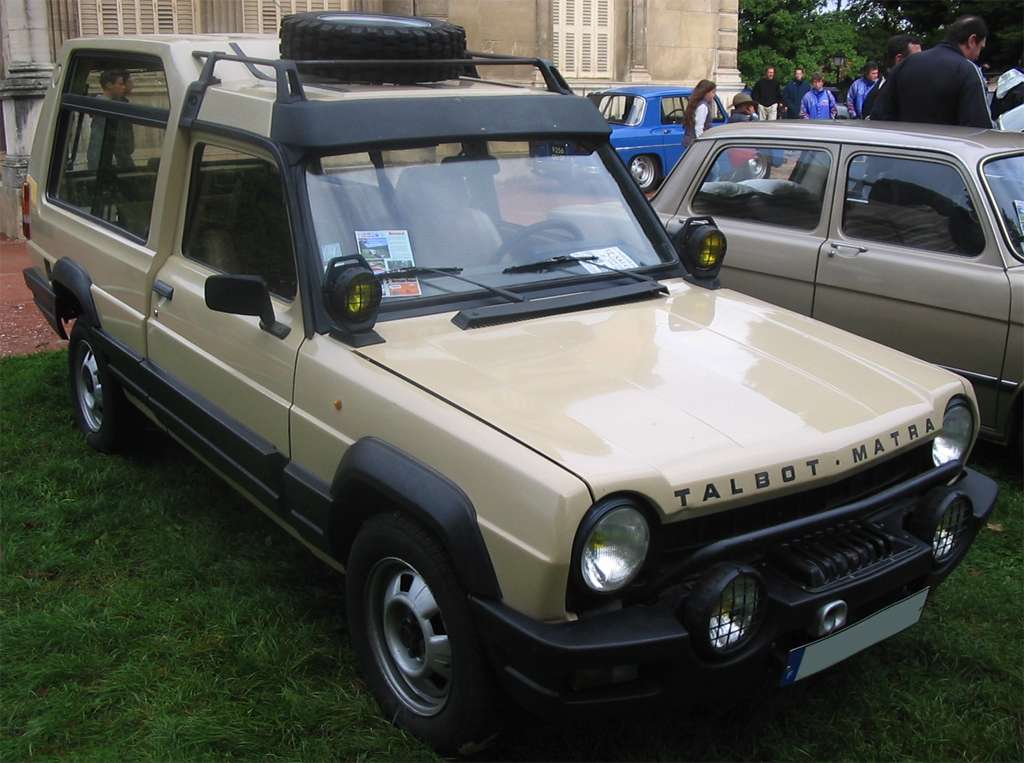
Those protective bars, spotlights and raised roof suggested serious off-road hardware, but every Rancho drove only its front wheels. Power went through a four-speed transaxle inherited from Simca. It could cope with tracks and poor weather, helped by useful ground clearance, but it was not a miniature Range Rover—and Matra never pretended there was a transfer box hiding underneath.
3. Its starting point was a humble Simca 1100 van
Under the costume sat the front section and running gear of the Simca 1100 VF2 commercial vehicle. Part-built shells left Simca’s Poissy operation and were completed by Matra at Romorantin. The chassis was lengthened and the rear transformed into a tall, spacious passenger compartment, turning blue-collar van ingredients into something far more fashionable.

4. The dramatic shape came from a Greek designer
Antonis Volanis, the designer also closely associated with Matra’s Bagheera and Murena, gave the Rancho its distinctive visual language. The high roof, dark wheelarch cladding, external spare-wheel treatment, protective grille and expedition-style accessories did most of the talking. It was product design as theatre—and buyers loved it.
Love cars you don’t see every day?
Get forgotten cars, surprising motoring stories and the most interesting finds from Unusual Cars by email.
Free to join. No spam. Unsubscribe whenever you like. See our privacy policy.
5. Its plastic bodywork hid a very rusty secret
Much of the rear body was made from glassfibre and polyester panels, so a neglected Rancho could look surprisingly presentable from the outside. Unfortunately, the steel structure beneath was far less resistant. Matra specialists warn that poor corrosion protection could allow the load-bearing metalwork to deteriorate while the moulded panels still appeared sound. That is a major reason good survivors are scarce today.
6. All versions relied on just 1.4 litres and about 80 horsepower
The Rancho’s adventurous appearance did not bring exotic performance. Its 1,442cc Simca four-cylinder engine produced around 80 PS and drove through a four-speed manual gearbox. With roughly 1,130kg to move and bluff aerodynamics, this was never a quick car. The appeal lay in its character, visibility and useful interior rather than outright speed.

7. It changed identity halfway through its life
Early examples wore Matra-Simca badges. After Peugeot took control of Chrysler Europe and revived the Talbot name, later cars became Talbot-Matras. The vehicle itself changed less dramatically than the badgework, which is why enthusiasts variously call it the Matra-Simca Rancho, Talbot-Matra Rancho or simply the Matra Rancho.
8. It cost more than some much larger estate cars in Britain
In 1978 the UK price was about £5,650. Contemporary Matra Club figures put a Volvo 245 DL estate at £5,357 and a Citroën CX 2400 Safari at £5,428, although a Range Rover remained much dearer at £8,528. Buyers were therefore paying for the Rancho’s novelty and image, not merely its mechanical specification.
9. Matra expected 20,000 sales—and built nearly three times that
The original plan was reportedly for a run of about 20,000. Production ultimately reached 57,792 according to the Matra Club UK and Simca Talbot Club, more than double the forecast. Archive totals vary slightly between sources, but all agree it was a major commercial success. It remained Matra’s most profitable vehicle until the Renault Espace era.
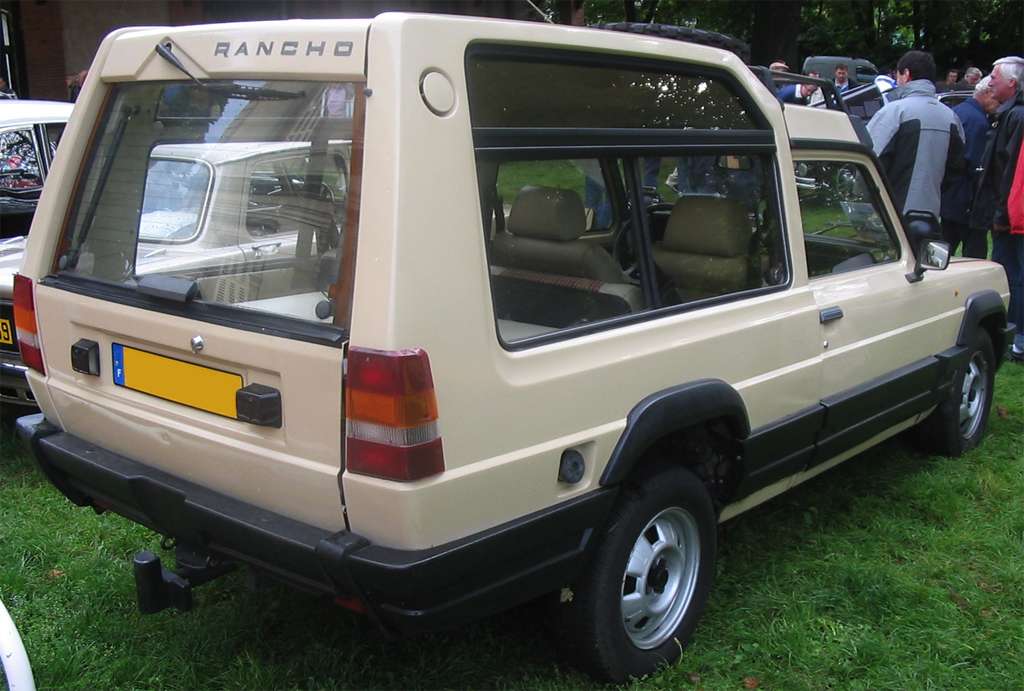
10. It helped lead Matra directly to the Renault Espace
The Rancho taught Matra valuable lessons about tall bodies, family-friendly packaging and using composite panels over a steel structure. Those ideas evolved into the one-box people carrier project that became the Renault Espace. In that sense, the Rancho did not merely anticipate the crossover; it also helped prepare Europe for the modern MPV.
Production ended in early 1984, although cars remained on UK price lists into 1985. Today the Rancho’s mixture of cleverness, fakery and enormous charm feels more relevant than ever. It was not a 4×4, not quite an estate and not really a van—but it understood what many drivers wanted before the rest of the industry did.