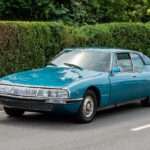
The Citroën GS brought aerodynamics, hydropneumatic suspension and uncommon refinement to the heart of the family-car market.
Introduced in 1970 and named European Car of the Year for 1971, the GS filled the wide gap between Ami and DS. Citroën built 1,896,742 GS models, followed by 576,757 GSAs.

History and development
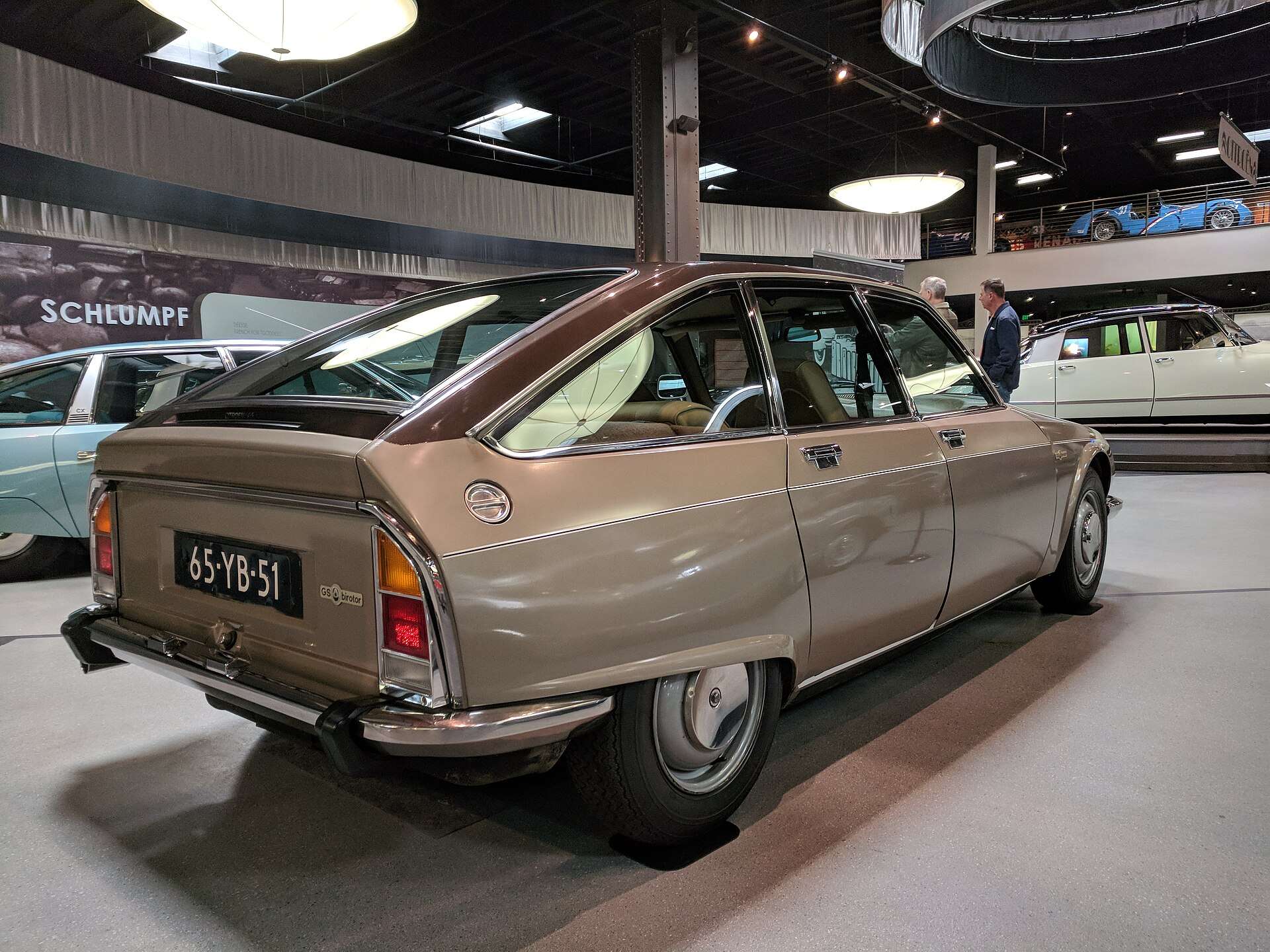
Air-cooled flat-four engines grew from 1.0 to 1.3 litres. The GSA arrived for 1979 with a hatchback, new bumpers and a redesigned satellite-control interior. The rare GS Birotor used a twin-rotor Comotor engine.
Engineering and character
A low drag body, compact boxer engine and self-levelling hydropneumatic suspension gave the GS exceptional ride, braking and high-speed stability for its class.
Love cars you don’t see every day?
Get forgotten cars, surprising motoring stories and the most interesting finds from Unusual Cars by email.
Free to join. No spam. Unsubscribe whenever you like. See our privacy policy.
Models and versions explained
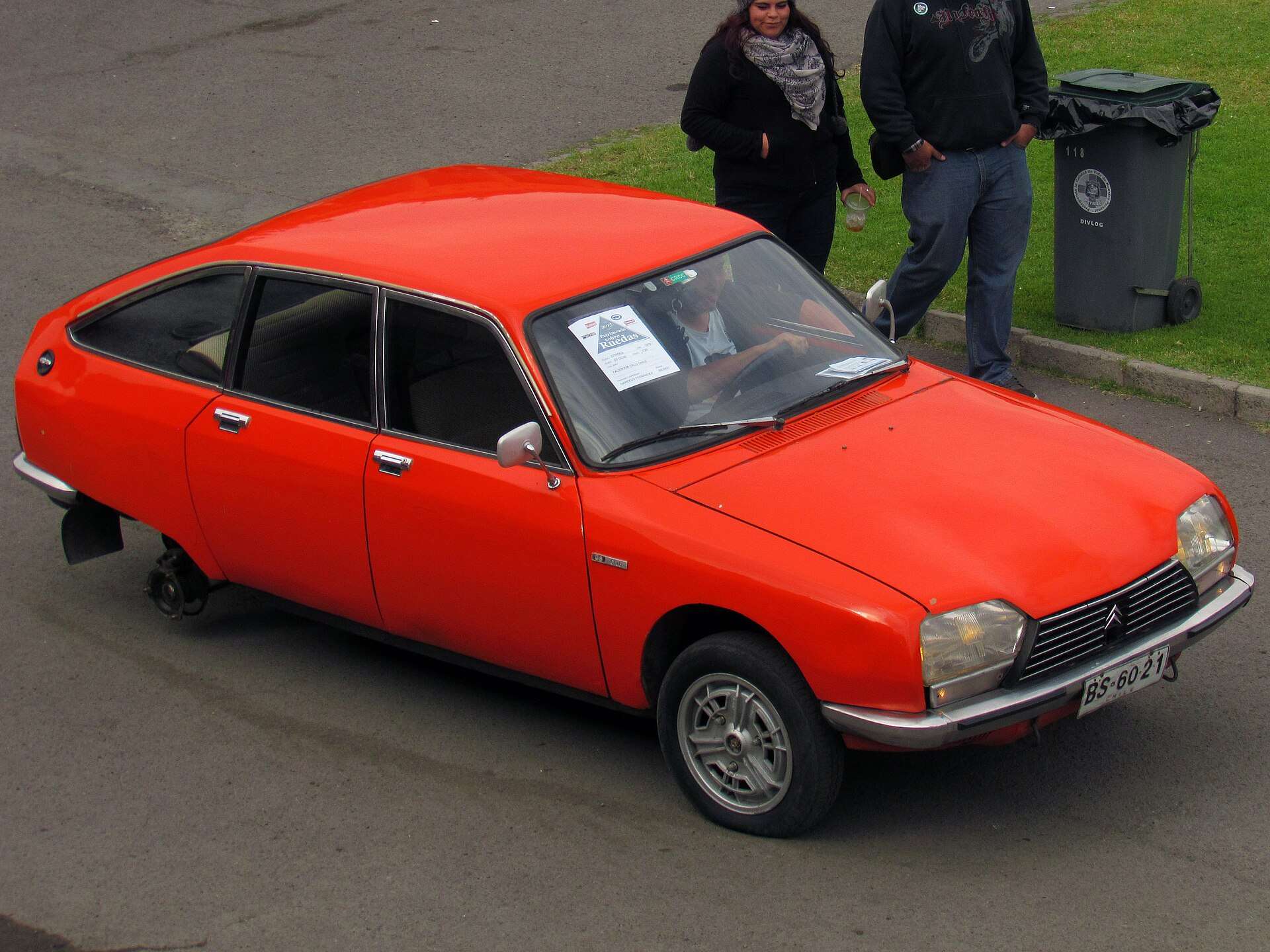
Early GS saloons and estates, sporting X and X3 versions, the rotary Birotor and later GSA hatchbacks each have distinct trim, engines and rarity. Verification is essential because survivors have often been modified.
What it is like to drive
Performance is modest in ordinary versions, but the GS carries speed fluently through bends and absorbs poor surfaces with composure. The controls reward familiarity.
Ownership and preservation
Rust is the principal threat: inspect sills, floors, subframes, suspension mounts and structural seams. Hydraulic health, cooling shrouds and unobtainable trim also deserve attention.
Condition, history and originality matter more than headline mileage. Confirm the identity from chassis records, inspect the structure on a lift and budget for preventative work. Specialist knowledge is particularly valuable where Citroën’s hydraulics, electronics or rare model-specific components are involved.
Why it matters now
The GS proved sophisticated engineering could serve ordinary families. Its packaging and ride remain remarkable, while the Birotor captures Citroën’s boldest experimental era.
Frequently asked questions
What is the difference between GS and GSA?
The GSA is the later hatchback development with revised styling, controls and equipment.
Did every GS have hydropneumatic suspension?
Yes, self-levelling hydropneumatic suspension was fundamental to the range.
What was the GS Birotor?
A rare 1973–75 version powered by a twin-rotor Comotor Wankel engine.
How many GS and GSA cars were built?
About 1.90 million GS models and 576,757 GSAs.
Are GS parts easy to find?
Service parts exist through specialists, but body panels, trim and Birotor components can be difficult.
Continue the Citroën story
Browse the Rare & Performance Citroëns hub, read our BX 4TC guide or discover the 10 Things Saxo VTR/VTS feature.
Research note: Dates, production totals and technical specifications were checked against Citroën/Stellantis heritage sources and contemporary model documentation. Equipment and outputs varied by market and year.