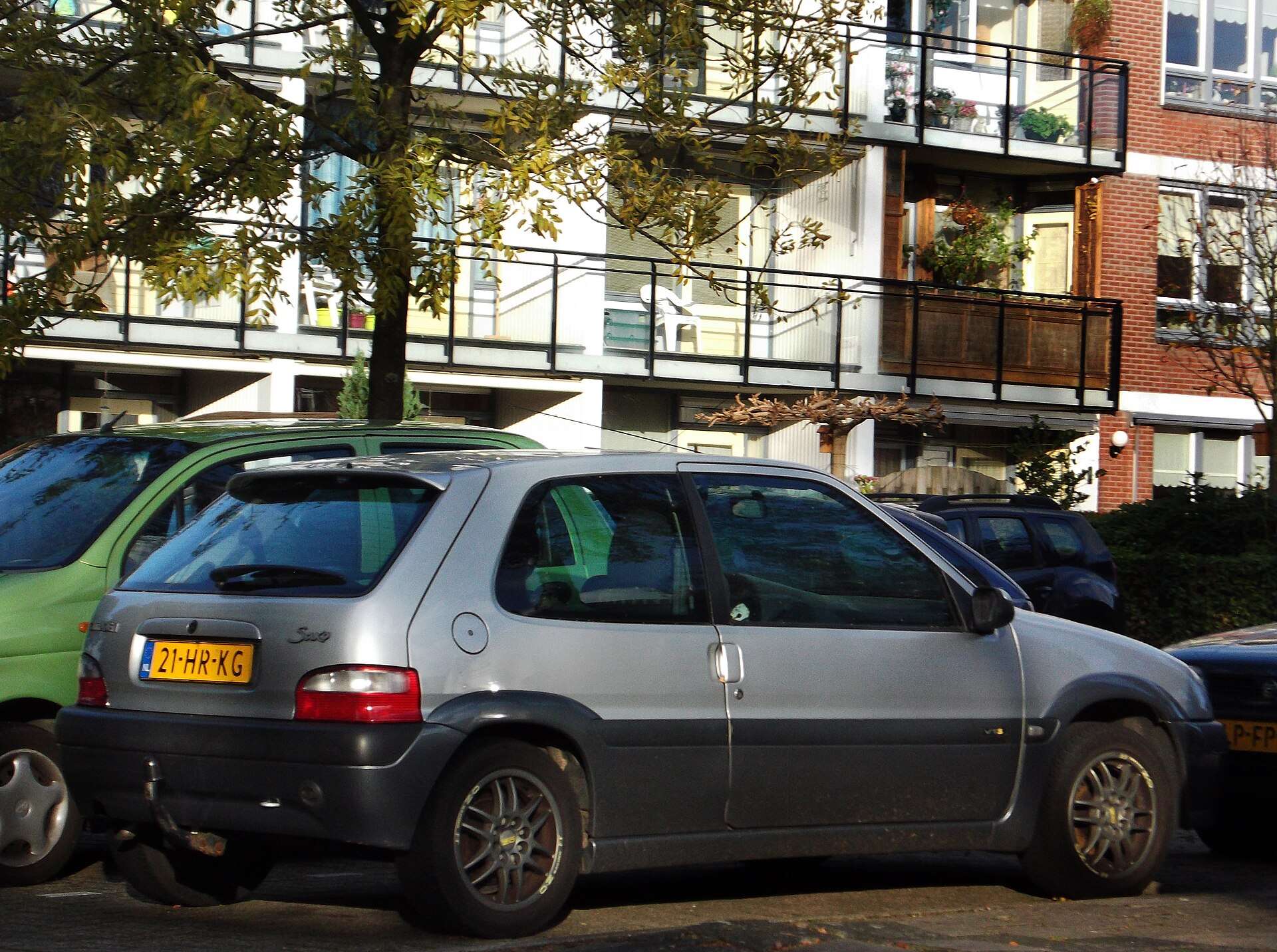
The Saxo VTR and VTS distilled the traditional French hot hatch formula into a light, affordable car with sharp responses and enormous tuning appeal.
The Saxo launched in 1995 and remained in production until 2003, with 1,653,514 built. VTR and VTS versions became defining small performance cars of the late 1990s.

History and development
UK-market VTRs generally used an eight-valve 1.6, while the VTS received the higher-revving 16-valve TU5J4. Outputs varied by year and market, so exact specification should be checked.
Engineering and character
Low mass, compact dimensions, front struts and a torsion-bar rear axle gave the Saxo quick direction changes. The VTS added greater power, closer gearing and stronger performance.
Love cars you don’t see every day?
Get forgotten cars, surprising motoring stories and the most interesting finds from Unusual Cars by email.
Free to join. No spam. Unsubscribe whenever you like. See our privacy policy.
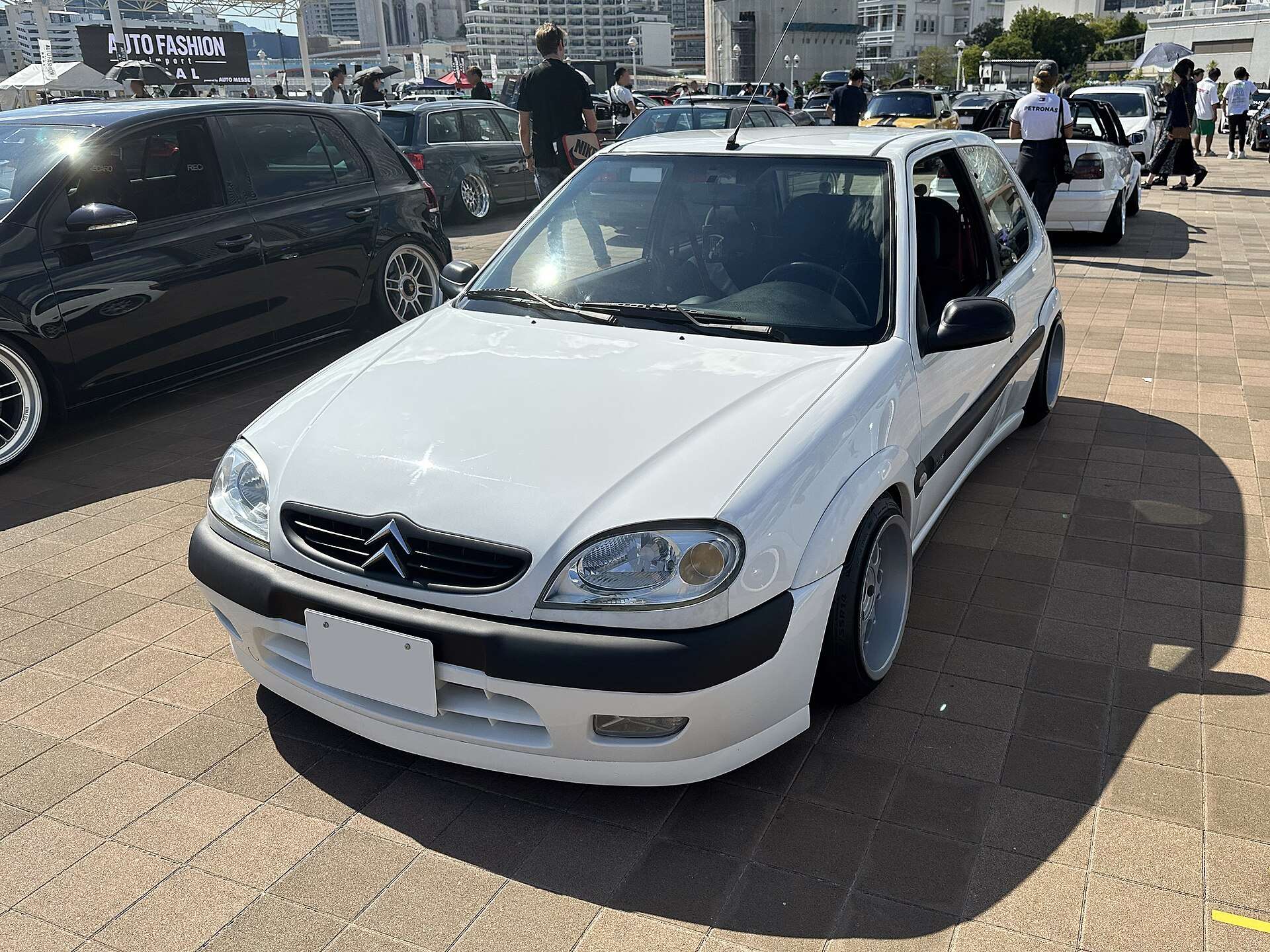
Models and versions explained
VTR, VTS and limited editions differ in engine, brakes, wheels and equipment. The VTL/VTS naming used in some markets can cause confusion, making VIN and engine-code checks valuable.
What it is like to drive
The VTR is accessible and torquey; the VTS is faster and thrives on revs. Both reward smooth inputs and feel far more vivid than their modest dimensions suggest.
Ownership and preservation
Inspect rear axle bearings, corrosion, accident repairs, cooling, gearbox synchros and modifications. Standard, well-documented cars are increasingly scarce.
Condition, history and originality matter more than headline mileage. Confirm the identity from chassis records, inspect the structure on a lift and budget for preventative work. Specialist knowledge is particularly valuable where Citroën’s hydraulics, electronics or rare model-specific components are involved.
Why it matters now
The Saxo twins are now recognised as some of the final genuinely light analogue hot hatchbacks, with a strong enthusiast community and motorsport legacy.
Frequently asked questions
What is the main VTR/VTS difference?
The VTR normally uses an eight-valve 1.6; the VTS uses a more powerful 16-valve 1.6 and supporting upgrades.
Is every VTS 16-valve?
In the UK the familiar VTS is 16-valve, but names and specifications varied by market.
Why do Saxo rear axles fail?
Worn trailing-arm bearings damage the axle tube, producing negative camber and tyre wear.
How many Saxos were made?
Citroën built 1,653,514 examples from 1995 to 2003.
Are standard cars valuable?
Original, rust-free and unmodified VTR/VTS examples are increasingly sought after.
Continue the Citroën story
Browse the Rare & Performance Citroëns hub, read our BX 4TC guide or discover the 10 Things Saxo VTR/VTS feature.
Research note: Dates, production totals and technical specifications were checked against Citroën/Stellantis heritage sources and contemporary model documentation. Equipment and outputs varied by market and year.