
UNUSUAL CARS MODEL GUIDE
The second-generation Toyota MR2, known by its SW20 chassis code, turned Toyota’s compact mid-engined two-seater into a faster, more refined 1990s sports car. UK sales ran from 1990 to 2000, while Japanese buyers could choose naturally aspirated models and the much quicker 3S-GTE turbo.
Quick answer: the SW20 is rewarding because it combines everyday Toyota engineering with a genuinely exotic layout. Five major revisions changed its suspension, brakes, styling and engines. Buy on structure, cooling-system health and documented specification; imported turbo cars require especially careful identity and modification checks.
From AW11 wedge to rounded SW20
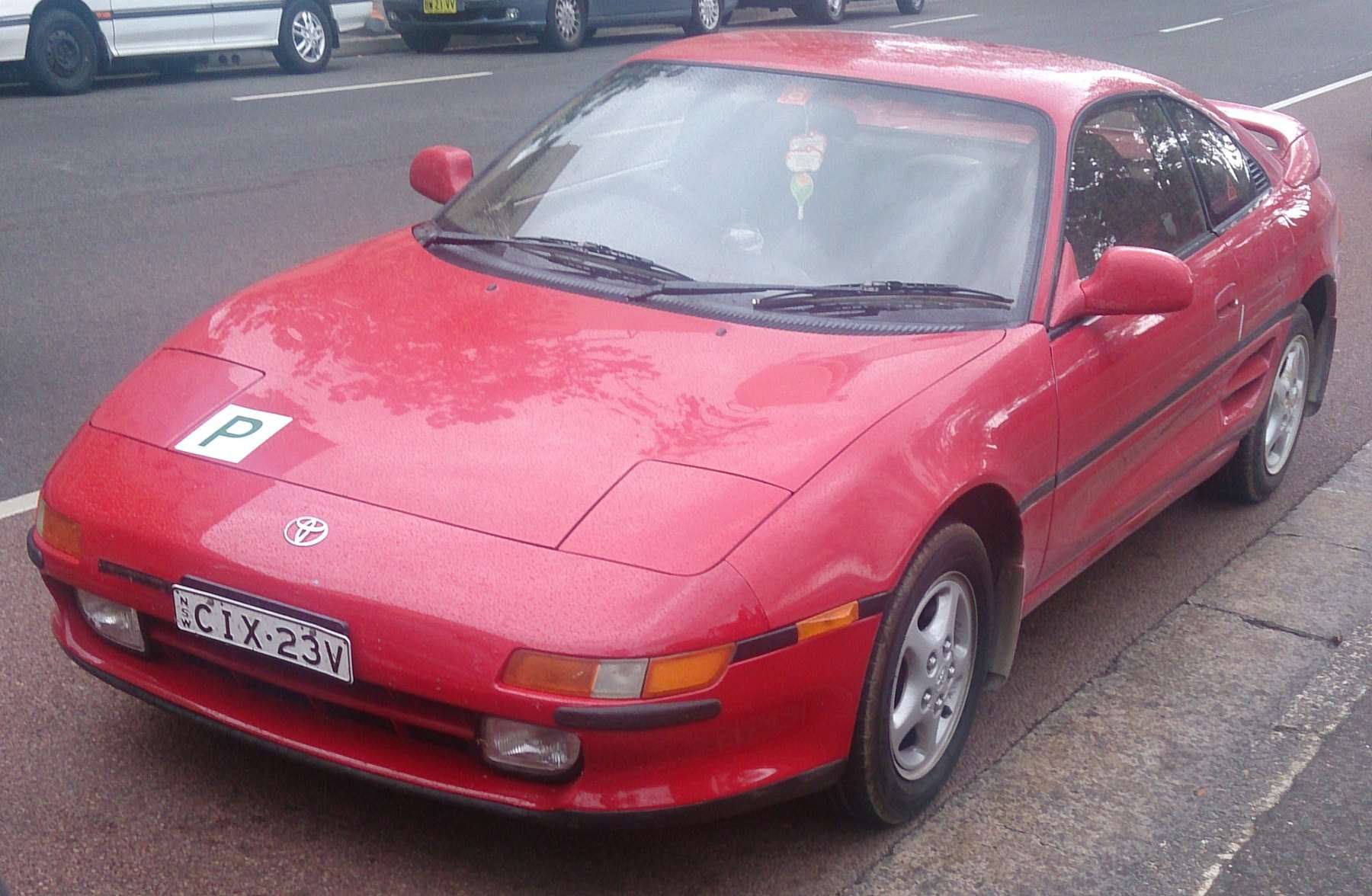
The first MR2 was small, angular and deliberately light. Its replacement retained the transverse engine behind the seats and rear-wheel drive, but grew longer, wider and lower. The new body offered more luggage space, refinement and high-speed stability, with styling that made the car look far more expensive than it was.
MacPherson-strut suspension was used at each corner, with disc brakes all round. The two-seat cabin wrapped the dashboard around the driver, while pop-up headlamps, deep side intakes and the short rear deck made the mid-engined layout obvious.
UK engines and Japanese turbo models
Early UK cars used 2.0-litre 3S-series engines. Toyota GB records 119bhp and 158bhp versions at launch, with the stronger 3S-GE becoming the enthusiast choice. A later revision introduced a 173bhp version in the UK for 1994 together with suspension and steering changes.
The turbocharged SW20 was not officially sold by Toyota GB. Japanese-market GT and GT-S versions used the 3S-GTE engine, initially with a CT26 turbo and later with a revised unit and substantially higher output. Many reached Britain as grey imports. Their exact revision, engine generation, gearbox, differential and factory identity should be verified from the model code and supporting records.
Naturally aspirated cars normally use the S54 five-speed gearbox. Turbo cars use the stronger E153 transmission, often with a limited-slip differential depending on market and specification. Engine swaps are common, so a turbo badge or vented engine cover is not proof of a factory turbo car.

The five SW20 revisions
| Revision | Approximate production period | Main significance |
|---|---|---|
| Revision 1 | 1989–1991 | Original suspension and brakes; the lightest, earliest form of the SW20. |
| Revision 2 | 1991–1993 | Suspension geometry, tyre, brake and detail changes intended to make the car more progressive. |
| Revision 3 | 1993–1996 | Major styling update, round rear lamps and revised engines; later 3S-GTE generation in Japan. |
| Revision 4 | 1996–1997 | Further safety, trim and market-specific equipment changes. |
| Revision 5 | 1997–1999/2000 | Final styling details, revised rear spoiler and late-production specification. |
Revision dates can differ slightly by production month and market, and many cars have acquired later wheels, lights or spoilers. Date the car from its chassis and factory records, not from easily changed exterior parts.

Handling and the snap-oversteer reputation
A sound SW20 has accurate steering, strong traction and impressive balance. The engine’s position gives the rear tyres useful load under acceleration, but it also makes sudden throttle changes more influential than in a front-engined coupé. Early cars in particular demand smooth inputs and correct, matched tyres.
Toyota revised suspension geometry and tyre specifications during production. Those changes did not make maintenance irrelevant: worn bushes, poor alignment, mismatched tyres, incorrect pressures or cheap coilovers can make any revision unpredictable. A well-set-up car should feel alert rather than nervous.
Cabin, roofs and everyday usability
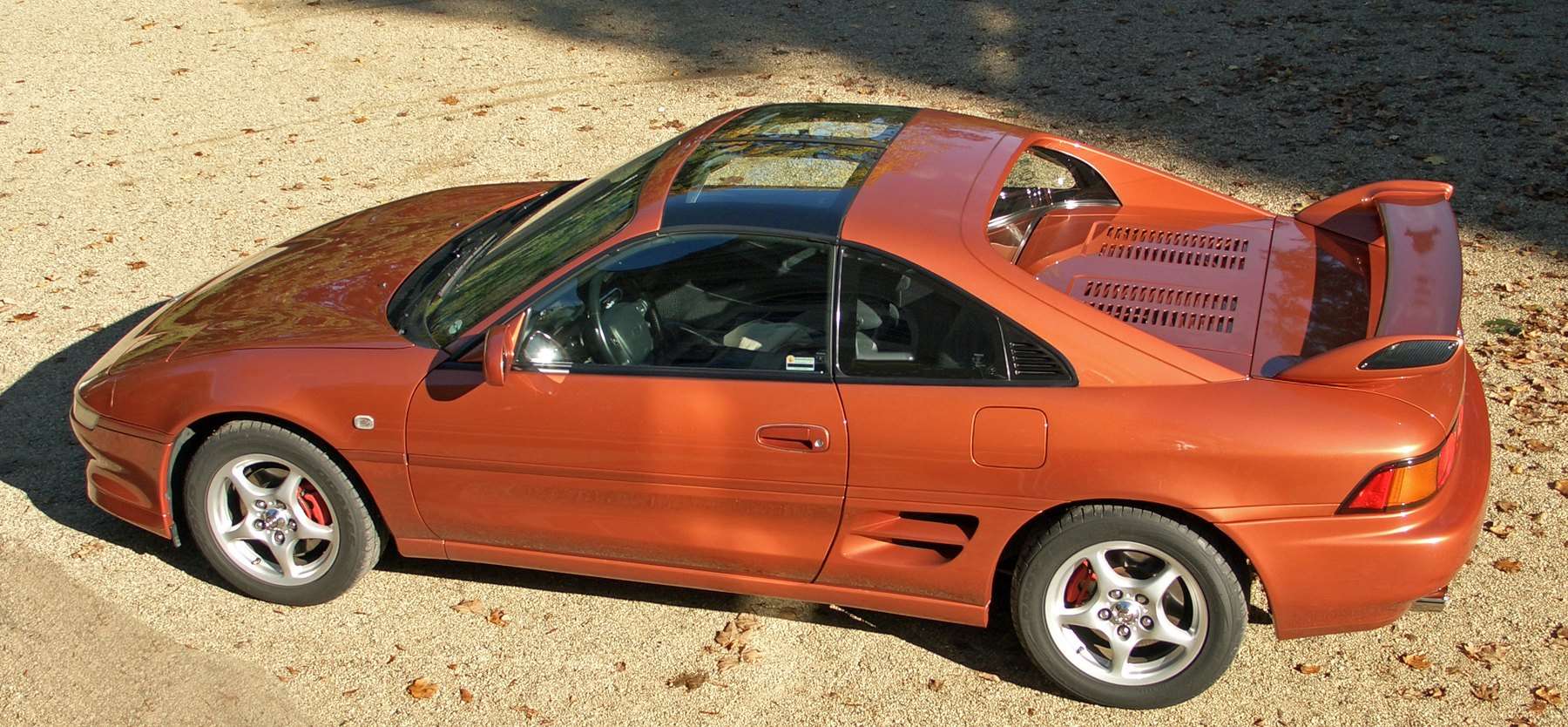
The cockpit is durable and easy to understand, with good visibility forwards and useful storage split between the front compartment and rear boot. UK cars appeared with solid, sunroof and T-bar roof configurations depending on model and year. T-bar seals and drains need careful inspection because water leaks can damage trim and encourage corrosion.
The SW20 remains more practical than its layout suggests, but some service jobs are awkward. Cooling pipes run the length of the car and the engine bay is tightly packaged. Specialist knowledge is valuable when bleeding the cooling system or diagnosing a modified turbo installation.

Love cars you don’t see every day?
Get forgotten cars, surprising motoring stories and the most interesting finds from Unusual Cars by email.
Free to join. No spam. Unsubscribe whenever you like. See our privacy policy.
Toyota MR2 SW20 buying guide
Rust and body condition
Inspect the rear sills and quarter panels, rear wheelarches, inner arches, floor, jacking points, front crash structure, radiator support and the underbody braces near the engine bay. Foam and trapped moisture can hide corrosion inside the rear quarters. Look for accident repair around the boot floor, chassis seams and suspension mounting points.
Cooling system
The long coolant circuit must be healthy and bled correctly. Check the radiator, hoses, heater pipes and steel pipes running through the chassis. Any history of overheating deserves caution. Confirm that both cooling fans operate and that the temperature remains stable from cold start through a long test drive.
Engines and turbochargers
The 3S-GE is durable with regular servicing, but timing-belt history, oil leaks and cooling-system maintenance still matter. On a turbo car, check for smoke, unstable boost, worn turbocharger seals, detonation and evidence of an appropriate fuel system and engine-management calibration. A compression and leak-down test is sensible for an extensively modified example.
Gearbox, suspension and brakes
Test every gear when cold and warm. Listen for bearing noise and check the clutch biting point. Inspect ball joints, bushes, dampers and alignment settings, and insist on matched quality tyres. Rear brake calipers can seize, while ABS faults and tired hydraulic components should not be dismissed as age-related quirks.
Roof seals, trim and electrics
Pour water around a T-bar roof and inspect the cabin, seatbelt towers and carpets. Test pop-up headlamps, windows, mirrors, heater controls, central locking and electric aerial. Correct late spoilers, lights and interior trim are increasingly valuable.

Frequently asked questions
What does SW20 mean?
SW20 is the principal chassis code associated with the second-generation 2.0-litre MR2. Complete model codes add information about engine, transmission, body and market.
Was the MR2 Turbo officially sold in the UK?
No. Toyota GB sold naturally aspirated SW20 models. Turbocharged GT and GT-S cars found in Britain are normally Japanese-market imports or conversions.
Which MR2 SW20 revision is best?
There is no universal answer. Later revisions are generally more refined and progressive, while early cars feel lighter and more original. Structure, maintenance and suspension condition matter more than revision number alone.
Does every SW20 suffer from snap oversteer?
No. The car is sensitive to abrupt inputs and poor tyres because of its mid-engined layout, but a correctly maintained and aligned SW20 on matched tyres should be predictable in normal driving.
Where does a Toyota MR2 SW20 rust?
Important areas include the rear sills and quarter panels, wheelarches, floor, jacking points, front crash structure, radiator support and underbody braces near the engine bay.
Research sources
- Toyota GB: second-generation MR2 archive
- Toyota GB: MR2 archive
- Classics World: Toyota MR2 Mk2 buyer’s guide
- Autocar: used Toyota MR2 Mk2 buying guide
- Featured image: Toyota MR2 SW20 by Shadman Samee, CC BY-SA 2.0.
Continue the Toyota story
Explore the Rare & Performance Toyotas hub, meet Toyota’s 2JZ flagship in the Supra A80 guide, or follow the marque’s rally lineage with the Celica GT-Four.